
Why Dominica Is The Ultimate Caribbean Escape To Plan For 2026
You know that feeling when you realize most Caribbean vacations are just variations of the same beach resort? I’ve been there, and honestly, Dominica is the complete opposite of that script.
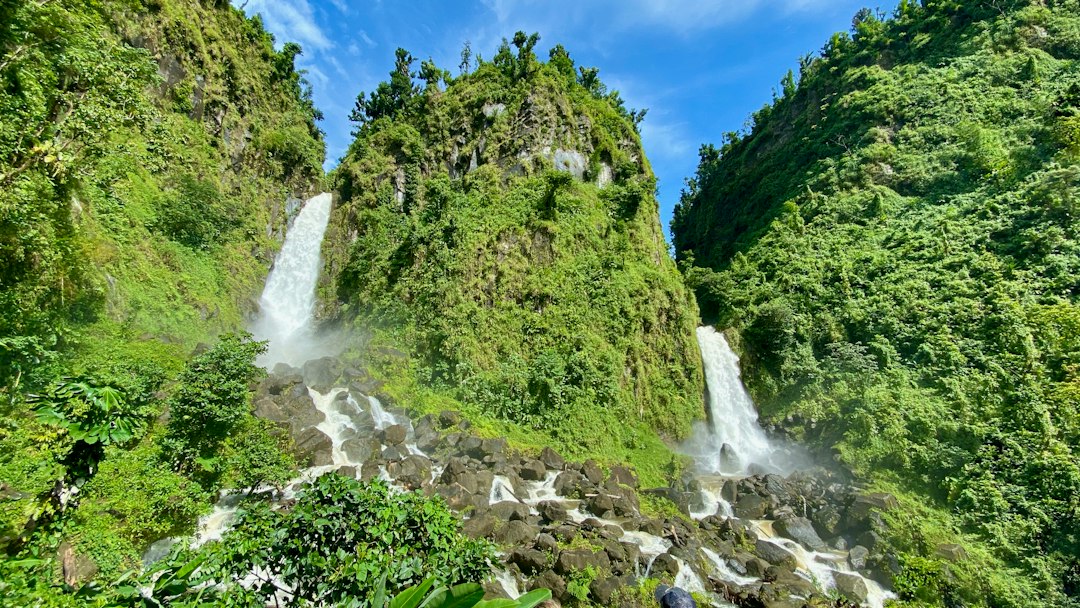
The Nature Island’s Unrivaled Eco-Adventure Appeal
You know that feeling when you realize most Caribbean vacations are just variations of the same beach resort? I’ve been there, and honestly, Dominica is the complete opposite of that script. If you’re looking for a place where the earth is still very much alive, this is it. Think about the Waitukubuli National Trail; it stretches 115 miles across the island, and it’s the only long-distance hike in the Caribbean that drags you through everything from steep coastal cliffs to dense, high-altitude rainforests. You’re not just walking; you’re crossing through a massive, protected ecosystem that feels untouched by the usual tourist machinery.
And then there’s the sheer volcanic intensity that you just don't see anywhere else. Take the Boiling Lake, for instance, which is the world’s second-largest hot spring and sits at a steady 180 to 197 degrees Fahrenheit. It’s a flooded fumarole that reminds you exactly what lies beneath the surface here. That same volcanic energy dictates the local landscape, creating fertile, acidic soil that keeps over 1,000 species of flowering plants thriving. I’ve always been impressed by how Morne Trois Pitons National Park was the first UNESCO site in the eastern Caribbean, and looking at the mix of active volcanoes and biological density, it’s not hard to see why.
But the real magic happens when you look at how the island manages its resources compared to its neighbors. They have 365 rivers, which is honestly a ridiculous number, and that hydro-power is actually a major part of the national grid. It’s pretty rare to find a place that balances raw nature with actual, functional sustainability like this. Plus, with over 60 percent of the island covered in thick, primary rainforest, you’re looking at the highest forest density in the entire region. It’s a stark contrast to the concrete-heavy developments you see on other islands, and that’s why the coral reefs here remain so vibrant and healthy.
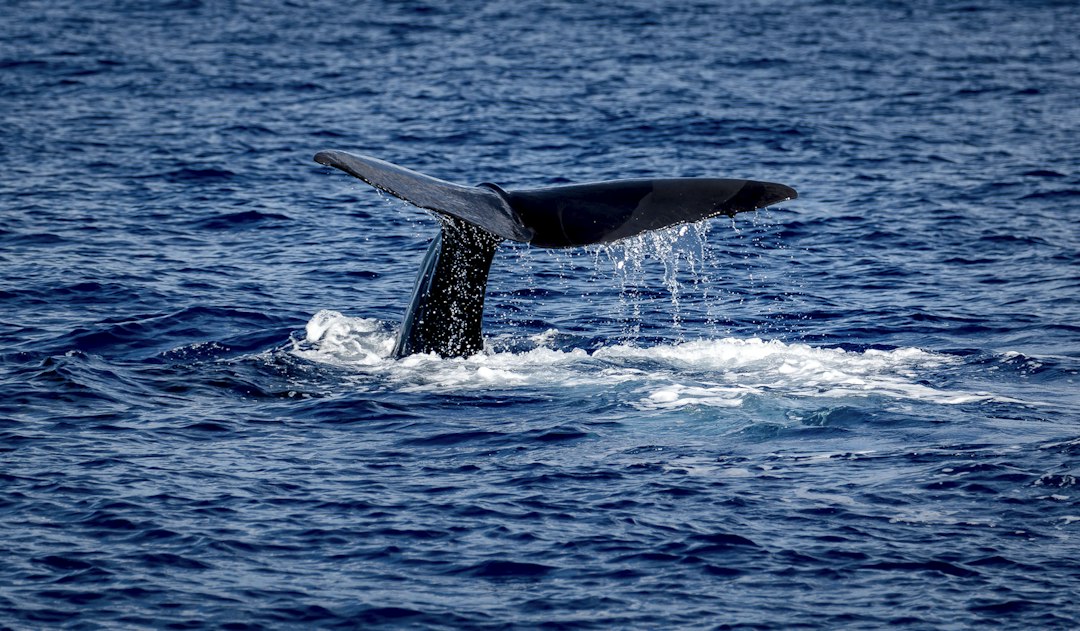
I also have to mention the marine life, because it’s honestly in a league of its own. They’ve established the world’s first official Sperm Whale Reserve to protect the pods that call the western coast their calving ground. When you go diving at places like Champagne Reef, you’re basically swimming through volcanic vents that pump bubbles straight up from the sea floor, which is a surreal experience. Even the birdlife is hyper-specific here; you can head to the Syndicate Nature Trail to spot the Jaco parrot, a species you literally cannot find anywhere else on the planet. It’s a rare, fragile kind of beauty that feels like a privilege to witness, and for a traveler who wants substance over surface, it’s the only place that really delivers.
Navigating Dominica’s Premier Hiking Trails and HikeFest 2026
If you're planning a trip to Dominica, you need to understand that the trails here aren't just paths; they're a masterclass in challenging topography. Take Segment 14 of the Waitukubuli National Trail, for instance, which hits you with a brutal elevation gain of over 2,000 feet in under three miles. It’s an abrupt climb that’ll test your gear and your legs immediately. During this year’s HikeFest, guides are actually using geothermal sensors to track micro-seismic activity in the Valley of Desolation, making sure you can safely navigate those sulfurous steam vents. It’s a level of technical precaution I haven’t seen on other Caribbean trails, and it honestly makes the whole experience feel far more grounded in scientific reality.
The environment you’re walking through is equally intense, with soil pH levels dropping below 4.5 in the interior ranges, forcing the plants to evolve in ways you won't see elsewhere. In the cloud forests of Morne Diablotin, the rainfall hits about 300 inches annually, creating a hyper-niche habitat for rare epiphytic life. If you’re lucky, you might spot the Sisserou parrot on the northern ridges, but keep in mind they rely on a very specific diet from over 50 native tree species. You’ll be walking under giant tree ferns that grow up to 30 feet tall, blocking out so much light that the forest floor remains in a near-constant state of dusk. It’s a dense, living architecture that you just don't find on more developed islands.
What I really respect about the organization this year is how they’re managing the impact of all these hikers. The trail crews are currently using biodegradable markers made from local volcanic basalt dust to avoid polluting the watershed, which is a smart, low-tech way to handle trail marking. They’re also reinforcing erosion-prone sections using traditional Kalinago weaving techniques rather than bringing in synthetic materials that could mess with the local insects. It’s worth noting that the mountain streams you’ll cross stay a steady 68 degrees, and near Middleham Falls, you have to be careful because the pool depth can jump 15 feet in a heartbeat during a tropical rain shower.
Finally, consider the biodiversity you're walking alongside, like the 200 species of butterflies that rely on these corridors being kept in pristine shape. Data from this year shows these forests are storing twice the carbon per hectare compared to neighboring islands that have cleared land for farming. It’s a stark reminder that this isn’t just a playground; it’s a vital, functioning system. If you want to see a place where the landscape is still in charge, this is where you go. Just make sure you’re prepared for the mud and the humidity, because when you’re out there, you’re definitely not in a resort anymore.
Why Dominica Is Emerging as a Top Global Destination for 2026
If you’re looking at your calendar for 2026 and trying to decide where to head for a trip that actually feels different, let’s talk about why Dominica is quietly climbing the ranks. I’ve been tracking the shifts in Caribbean travel, and honestly, the island is doing something nobody else is—they’re choosing to grow by staying small. While other hubs are doubling down on mass-market cruise tourism, Dominica has pivoted toward a high-value, low-volume model that feels like a breath of fresh air. It’s not just about luxury, either; it’s about a deliberate investment in climate-resilient infrastructure that’s been quietly funded by their residency programs. You can really see the difference in how they’re building, with new eco-lodges integrating traditional Kalinago engineering to handle the island’s seismic reality rather than just ignoring it.
It’s fascinating to look at the numbers, too, because they actually offer a rare blueprint for sustainability that isn't just marketing fluff. With about 25 percent of their power already coming from geothermal and hydroelectric sources, the island is effectively running on its own volcanic energy. Think about that for a second—most places are just talking about green transitions, but here, the landscape is literally powering the grid. Plus, because they’ve kept population density so low, you aren't fighting through the typical sprawl you see elsewhere in the region. That extra space means the primary forests remain unfragmented, which, as it turns out, makes the island a massive natural carbon sink that offsets nearly triple their visitor emissions.
I’m also really keeping an eye on their "Blue Carbon" initiatives, especially since they’re protecting the seagrass beds that act as a natural buffer against storm surges. It’s a smart, defensive move that protects both the local marine life and the visitors who come for it. You can see the results of this protection in the Sperm Whale Reserve, where recent data shows a 12 percent jump in juvenile whale vocalizations—it’s a clear sign that the ecosystem is thriving rather than just surviving. Honestly, if you want a destination that feels like it has a soul and a long-term plan, this is it. It’s not just a vacation spot; it’s a living, breathing experiment in how we might actually travel better in the coming years.
Affordable Luxury: Balancing Value and Exclusivity in the Caribbean
Let’s talk about that specific tension between finding a true luxury escape and avoiding the polished, predictable nature of mass-market Caribbean resorts. When you’re planning a trip to a place like Dominica, you quickly realize the value proposition is fundamentally different from what you’d find in, say, St. Vincent and the Grenadines, which is currently trending as a major luxury hotspot. Here, the economic model is actually wired differently; the government’s Citizenship by Investment program mandates that a massive portion of capital goes directly into climate-resilient infrastructure rather than general slush funds. This means your stay is often in modular, seismic-resistant architecture that feels tucked into the volcanic landscape rather than sitting on top of it. It’s a smart trade-off—you aren't paying for the overhead of a sprawling, energy-hungry mega-resort, but you’re getting an experience that feels much more exclusive because the island simply doesn't allow for that kind of density.
Think about the way the island handles its resources and you’ll see why this approach is so effective for the long-term traveler. Because Dominica intentionally restricts mega-cruise ports and keeps commercial development to less than 10 percent of its landmass, the scarcity of real estate naturally protects the exclusivity of the high-end lodges already in place. It’s not just marketing; it’s a physical reality where your accommodation is often self-sufficient, thanks to a decentralized water system and tax incentives that force developers to go carbon-neutral from the start. These boutique properties often partner with local indigenous cooperatives for materials, which keeps their operating costs surprisingly manageable while avoiding the cookie-cutter vibe you’d encounter elsewhere. It’s a bit of a relief, honestly, knowing your investment supports a system that doesn't feel like it’s straining the local grid just to keep the lights on.
When we weigh this against the typical Caribbean experience, the numbers tell a pretty clear story about why this works for a specific kind of traveler. Even without the high-density resorts, the island’s shift toward high-value, low-volume tourism means the average visitor spend per capita is actually quite high, yet you aren't hit with those massive, fluctuating pricing surges you see in over-developed hubs. You’re essentially trading the convenience of a 500-room hotel for a stable, predictable, and far more authentic luxury experience that doesn't rely on artificial scarcity. It’s a rare balance where the island’s natural assets—which are being actively preserved by these policies—end up being the primary amenity. If you’re looking for a trip that feels grounded and genuinely premium without the mass-tourism friction, it’s worth shifting your expectations toward this more deliberate, sustainable way of operating.
A Haven for Couples: Romantic Getaways in the Heart of the Nature Island
When you step away from the predictable, manicured beach resorts that define so much of the Caribbean, you start to see why Dominica is in a category of its own for couples seeking something deeper. Let’s be honest, there’s a specific kind of intimacy that only exists when you’re truly off the grid, and here, the landscape does the heavy lifting for you. You aren’t just booking a room; you’re staying in structures built with traditional Wattle and Daub techniques that keep you cool naturally, without the hum of an air conditioner drowning out the sounds of the rainforest. The interior ranges create a microclimate where mountain air cools rapidly, frequently gifting you with mid-morning rainbows that feel like they’re just for you, tucked away in the Morne Trois Pitons range.
If you’re looking for the ultimate romantic soak, forget the sterile hotel tub and head to the hidden Trafalgar Falls area. It’s one of those rare spots where the intersection of hot geothermal water and a cold mountain stream creates a perfectly balanced natural bath that’s honestly hard to beat. You’ll find the same therapeutic mineral magic across the island, where volcanic springs rich in magnesium and calcium are diverted into private, natural-stone pools at boutique eco-lodges. And because these retreats have largely adopted dark sky policies to minimize artificial light, you get an unobstructed view of the Milky Way that puts every other island destination to shame. It’s this combination of raw, volcanic geology and thoughtful, low-impact architecture that makes the environment feel so incredibly private.
But the real magic for me is how the island’s geology actually cleanses the experience, quite literally. The Roseau Valley, for instance, is home to riverbeds dense with volcanic quartz that naturally filter the mountain-fed springs, giving you access to some of the purest water in the entire region. When you’re out there together, you might catch the distinct song of the mountain whistler echoing through the trees, a sound that underscores just how secluded you really are from the noise of the modern world. Even the bioluminescent bays along the southern coast are remarkably free of light pollution, meaning you can head out for a night kayak and see the water glow bright blue with every single stroke. It’s a place that asks you to slow down and pay attention to the details, from the iridescent mats of thermophilic bacteria on the river rocks to the 150 species of wild orchids blooming in the shaded valleys. If you want a getaway that relies on authentic connection rather than manufactured luxury, I really think you’ll find that Dominica holds the keys to a much more meaningful escape.
Beyond the Beach: Cultural Immersion and Sustainable Travel in Dominica
If you’re ready to look past the typical resort-style Caribbean vacation, let’s talk about why Dominica is genuinely in a league of its own. When you immerse yourself here, you aren't just a tourist; you’re stepping into a landscape that has been protected through a very deliberate, localized approach to sustainability. For instance, the island’s commitment to the Kalinago Territory’s communal land tenure system is a masterclass in preventing the kind of environmental degradation that often follows rapid, unchecked privatization. It’s fascinating to see how their forestry mandates prohibit timber harvesting on any slope exceeding 30 degrees, a strict technical requirement that prevents siltation and keeps the downstream coral reefs thriving. You really start to appreciate the science behind their survival when you consider how the island’s basalt-heavy geology actively sequesters carbon through natural mineral weathering, effectively turning the terrain itself into a carbon-capture machine.
And it goes even deeper when you look at the daily rhythms of life here. The local agricultural practice of using Kalinago intercropping isn't just a nod to tradition; it’s an efficient, nutrient-cycling system that keeps the soil fertile without relying on synthetic, nitrogen-based fertilizers. I’ve always found it impressive how even the infrastructure at eco-lodges reflects this, with builders opting for rot-resistant Gommier wood rather than chemical preservatives that could leach into the groundwater. It’s these kinds of choices—the ones that don't make the glossy brochures—that really define the island's character. You’re essentially staying in a living laboratory where the architecture, the food, and the land are all part of a single, functioning system.
But let’s pause for a moment and reflect on what that actually means for your visit. Because the government restricts commercial development to such a small fraction of the total landmass, the primary rainforests remain largely unfragmented, serving as a critical refuge for biodiversity like the Sisserou parrot. This isn't just about preserving a view; it’s about maintaining the health of a vital biological corridor that connects the entire region. Even the way they manage their water is hyper-localized, with the island’s volcanic fumaroles and mountain-fed springs providing a naturally filtered supply that keeps the local ecosystem in balance. Honestly, if you want a trip that moves beyond the surface and into something much more grounded, you’ve got to prioritize these immersive experiences. It’s rare to find a place that feels this authentic, and frankly, I think you’ll find that the real luxury here is simply witnessing a system that works in such perfect harmony.
Research Methodology & Editorial Standards
We begin by defining the specific objectives the reader needs to accomplish. Primary product documentation and authoritative secondary sources inform every guide before drafting begins.
Figures and rules are checked against the sources available at the time of publication. Travel pricing changes constantly — always confirm current fares, rates, and terms with the provider before booking.