
Walking Through the Architectural Wonders of Gaudí in Barcelona
As we hit the hundred-year mark since Gaudí’s passing, it’s wild to see how the site has evolved from manual, artisanal stone cutting into a hub for cutting-edge digital fabrication.
The Unfinished Masterpiece: Exploring the Sagrada Família
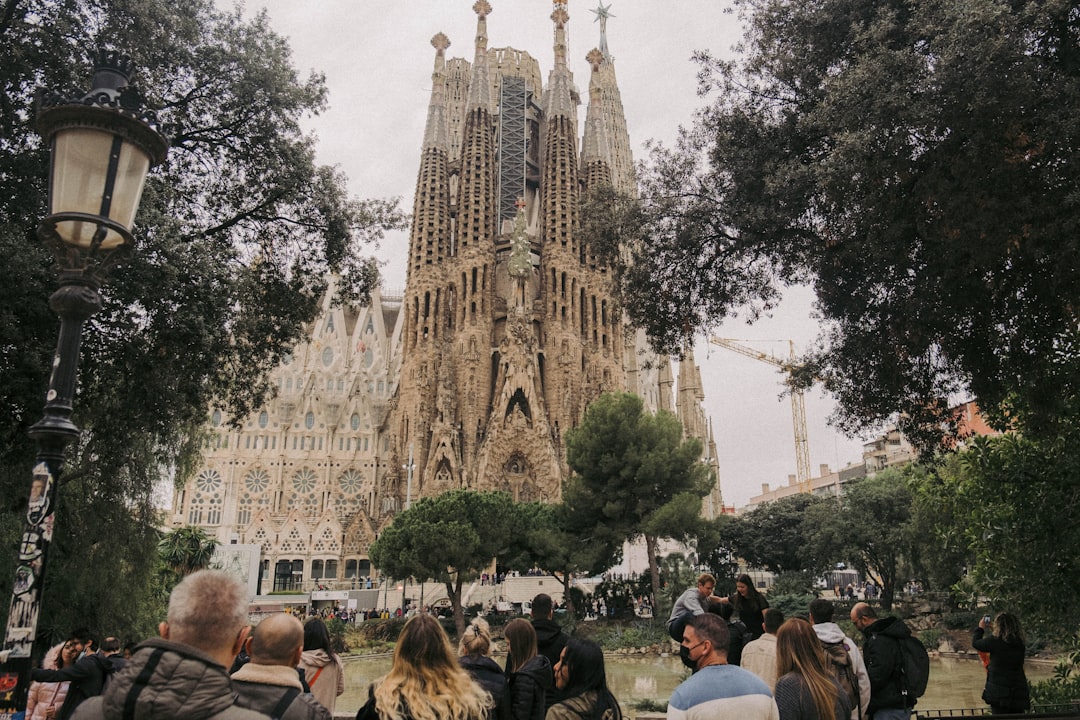
Standing in front of the Sagrada Família, it’s hard not to feel like you’re witnessing a dialogue between two different centuries. You know that moment when you realize a building is actually a living, breathing project? That’s exactly what happens here. As we hit the hundred-year mark since Gaudí’s passing, it’s wild to see how the site has evolved from manual, artisanal stone cutting into a hub for cutting-edge digital fabrication. The project essentially bridges the gap between old-world masonry and the precision of modern robotic milling, all while keeping the original geometric intent front and center.
If you look closely at the interior columns, they aren't just decorative; they’re engineered like a forest canopy to distribute weight without the need for those clunky external buttresses you see on traditional cathedrals. It’s brilliant engineering—using tensioned steel cables inside the stone to create a pre-stressed system that feels light despite the sheer scale. And the light? It’s not accidental. The glass apertures are calibrated to shift the color temperature, moving from warm, golden oranges in the morning to cool, calming blues by the time the evening rolls around. Honestly, it’s a masterclass in how to use physics to create an emotional experience.
But here is what I find most impressive about the current state of the build. To keep everything aligned, the team is actually using 3D printing to analyze stone segments before they’re ever carved, ensuring they fit perfectly into a structure that has to stand the test of time. They’ve even managed to reconstruct original plaster models that were shattered during the Spanish Civil War by using high-tech stereophotogrammetry. It’s a massive logistical feat, especially when you consider the central tower now hits 172.5 meters, making it the tallest religious structure in Europe. When you walk through those doors, you’re not just seeing a church; you’re seeing a century of human persistence captured in stone.
Nature as Blueprint: The Whimsical Design of Park Güell
When you step into Park Güell, it feels less like a planned urban space and more like a hillside that decided to grow into a city. Most architects back then would have leveled the ground to make things easier, but Gaudí did the exact opposite by letting the terrain dictate where every path and bridge should go. It’s pretty genius when you realize he didn't fight the slope; he built at angles that mirrored the mountain’s own inclination to keep everything upright without heavy retaining walls. He even used the rock he excavated right there on-site, which is why the structures look like they sprouted from the earth rather than being placed on top of it. I really think this approach is the ultimate masterclass in working with what you have instead of forcing a design onto a site.
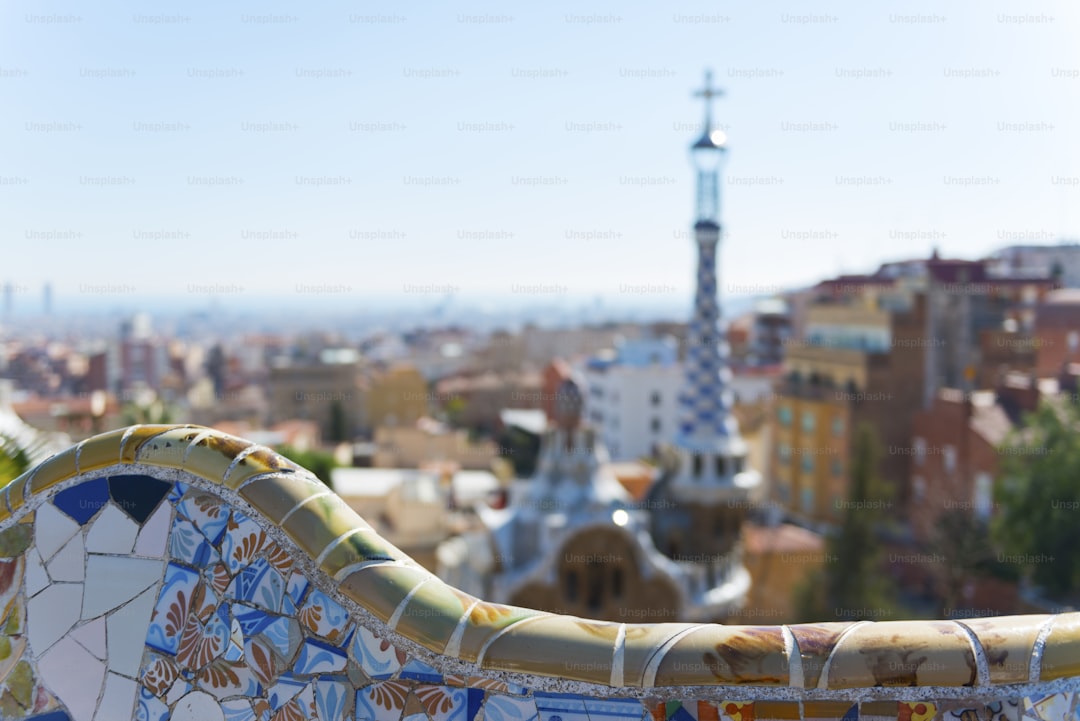
If you look at the main terrace, it’s not just a place to catch a view; it’s actually a massive, high-functioning drainage system. All that rainwater gets filtered through sand and gravel into a cistern underneath, which holds about 1,200 cubic meters of water—enough to keep the whole place lush. The eighty-six Doric columns holding up that space aren't just for show, and neither is the famous serpentine bench wrapping around the square. Gaudí actually had a worker sit in wet plaster to get the measurements right, ensuring the curve of the bench perfectly matches the human spine. It is honestly one of the earliest examples I’ve seen of truly ergonomic design, built long before that became a corporate buzzword.
Even the decorative stuff has a job to do. That iconic dragon at the entrance isn't just a mascot; its mosaic skin is a clever, waterproof shield for the brick core, and the mosaic itself is made from discarded ceramic shards from local factories. It’s a perfect example of industrial upcycling, taking waste and turning it into something durable and beautiful. Throughout the park, he used geometric shapes like hyperboloids and paraboloids because he noticed they’re how plants and trees grow most efficiently. By relying on catenary arches—which he figured out by hanging weighted chains to see how gravity naturally pulls them—he created structures that are both incredibly strong and light. It’s wild to think that every single curve you see is actually a piece of precise, biological engineering.
Urban Surrealism: The Organic Facades of Casa Batlló
When you first stand in front of Casa Batlló, it’s hard not to feel like you’ve wandered into a fever dream where the rules of traditional architecture just stopped applying. Most people focus on the vibrant colors, but if you look closer, you’ll realize that the facade is actually a massive exercise in light management. The entire exterior is covered in trencadís, those beautiful fragments of glass and ceramic that create a chromatic gradient meant to mimic the way light shifts across the Mediterranean. It’s not just for looks, though; those iridescent tiles on the roof serve as scales that shift color as the sun moves, while the balconies are shaped like deep-sea coral reefs rather than standard ironwork. You’re seeing a building that refuses to be static, constantly reacting to the environment around it in a way that feels almost alive.
But the real genius happens when you stop looking at the decoration and start looking at the physics. Take the central light well, for example, where Gaudí used varying shades of blue tiles to perfectly distribute natural light to every single floor. Or look at the windows; he abandoned symmetry entirely, sizing and shaping them to maximize airflow and sunlight based on their exact orientation. Even the chimneys on the terrace aren't just quirky sculptures; they’re aerodynamically designed to prevent downdrafts so the fireplaces actually work, no matter how the wind is blowing. It’s honestly refreshing to see someone prioritize pure performance while making the whole thing look like a piece of art.
If you head inside, you’ll find the loft space held up by sixty catenary arches that look exactly like the ribcage of a massive animal. These aren't just aesthetic choices; they’re structural powerhouses built to handle compression, which allowed him to clear out the interior walls and create open, airy living spaces that were way ahead of their time. Even the handrail on the grand staircase feels like it was grown rather than built, carved from wood with a sinuous curve that fits your palm perfectly. When you realize that these design choices were all early attempts at what we’d now call bioclimatic engineering, the whole structure starts to make sense. It’s a perfect example of how blurring the lines between nature and construction can actually result in a more durable, efficient way to live.
The Stone Quarry: Discovering the Structural Genius of Casa Milà
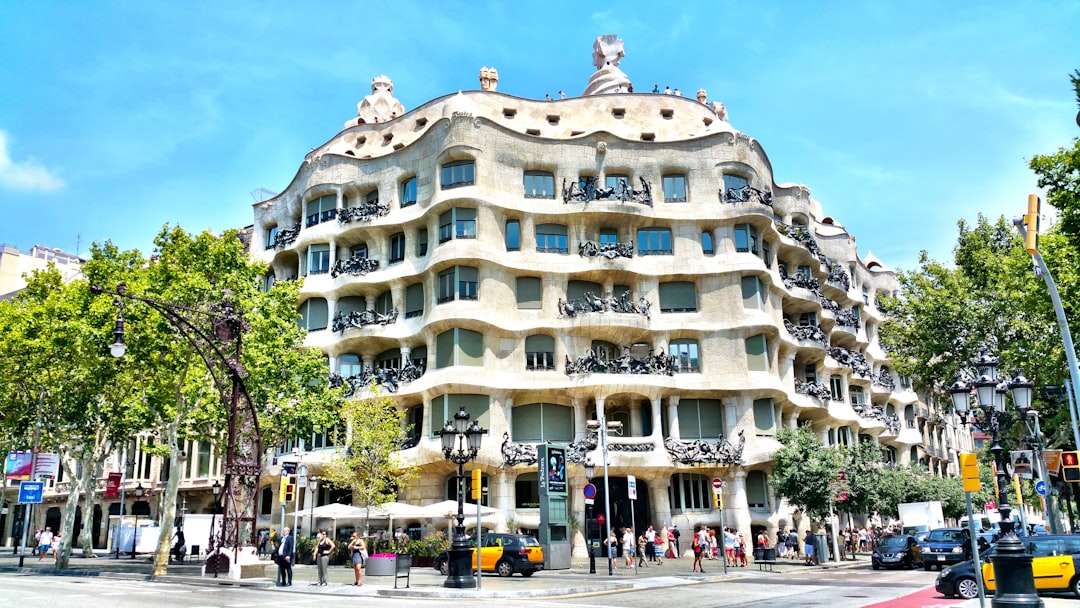
When you walk up to Casa Milà, or La Pedrera as the locals call it, you aren't just looking at a building; you’re staring at one of the earliest, most daring examples of a curtain wall system in history. Think about it: instead of the heavy, load-bearing stone walls typical of the era, Gaudí essentially hung a self-supporting stone skin off a revolutionary internal steel framework. Because the exterior stone functions as a decorative veil rather than a structural necessity, he was able to carve those windows into wild, irregular shapes that would have caused a traditional building to collapse under its own weight. It’s an incredible shift in logic that let him treat stone like fabric draped over a skeleton.
The real engineering magic, however, happens when you head toward the attic and the famous rooftop. That space is held up by 270 catenary arches of varying heights, creating a structural ribcage that looks like something out of a whale’s anatomy. By using the same weighted-string technique he perfected elsewhere, he ensured every single arch stays perfectly in compression, which is the secret to making such a massive, heavy structure feel so light and open. It’s wild to realize that those iconic chimneys on the roof aren't just there for the aesthetic; they’re aerodynamically tuned to act as a passive ventilation system, drawing air through the building to keep the interior climate stable without any mechanical help.
Honestly, the internal layout is just as flexible as the facade is rigid. Because the weight is carried entirely by the steel and brick columns, the interior partitions aren't load-bearing at all, meaning the floor plans were designed to be reconfigured whenever the residents needed something different. It’s a modular, forward-thinking approach that feels decades ahead of its time. You’re essentially looking at a building that was built to adapt, with every curve, arch, and void serving a dual purpose of physical performance and artistic expression. It’s that rare, brilliant moment where an architect stops fighting gravity and starts using it as a design partner.
Gaudí’s Early Brilliance: A Visit to Casa Vicens
If you want to understand where Gaudí’s architectural DNA truly began, you have to look at Casa Vicens, his very first residential project. Completed in 1888, this building acts as a manifesto for his early Orientalist phase, showing off a bold, experimental side that feels distinct from his later, more famous works. It’s fascinating to walk through because it captures a moment when he was still testing how to blend traditional Mudejar influences with his own wild, personal vision. The use of exposed brick and stone as a load-bearing system was a massive departure from the standard construction methods of that era. You can really see him starting to play with the idea that a house should be more than just shelter; it should be a total, immersive experience.
One of the coolest details is how he used the site’s own natural history to shape the design. Before he laid a single brick, he noticed the French marigolds growing on the plot, so he wove that exact floral motif into everything from the polychrome ceramic tiles on the facade to the iron railings surrounding the yard. It’s that kind of obsessive consistency that makes his work feel so grounded, even when it looks surreal. And honestly, the house is a masterclass in passive design. He incorporated smart wooden shutters and a clever network of chimneys and vents to manage Barcelona’s humidity long before modern air conditioning made things easy. You can tell he was thinking about how people would actually live and breathe in those rooms, not just how they’d look from the street.
It’s worth noting that this house spent over 130 years as a private residence before finally opening to the public as a museum in 2017. That long stint in private hands is exactly why so much of the interior—like the stunning papier-mâché reliefs in the dining room and the palm-leaf plasterwork in the smoking room—remains in such incredible shape. When you visit, look closely at the walls; the restoration team stripped away generations of paint to bring back the original, vibrant color palette that Gaudí first intended. It’s a bit smaller than the massive icons you’ll see elsewhere in the city, but it packs a punch precisely because it’s so intimate. Think of it as the spark that ignited the entire Modernisme movement in Catalonia, proving that even at the start of his career, Gaudí was already rewriting the rules of what a home could be.
Essential Tips for a Self-Guided Gaudí Walking Tour
If you’re planning to tackle these sites on your own, I really think the secret is shifting your mindset from a standard sightseeing checklist to a bit of architectural forensic work. Most people just show up, snap a photo of the facade, and move on, but you’ll get so much more out of it if you lean into the actual mechanics of what you’re seeing. To start, always book your tickets weeks in advance because the time-slot system isn't just for crowds; it’s the only way to ensure you actually get inside the structures rather than just staring at the exterior. I’ve found that the best approach is to group your visits by geography, like tackling the Eixample district in one go to see how the street grid interacts with these organic shapes. Honestly, don’t try to rush it; if you’re at Casa Batlló or Casa Milà, take twenty minutes just to watch how the light moves through the light wells or how the chimneys handle the wind.
When you’re walking between these buildings, look for the subtle details that reveal the engineering logic Gaudí was obsessed with. You’ll notice the trencadís on the facades isn’t just for color; it’s a brilliant way to seal the building against the salt air and humidity of the coast, which is a detail you might miss if you’re looking for a perfect Instagram shot. If you find yourself at the Sagrada Família, try to spot where the old-school manual stone cutting meets the new robotic milling; the precision there is wild, with tolerances down to two millimeters. I always suggest bringing a decent pair of walking shoes and a portable battery pack, because you’ll be spending a lot of time looking up, pivoting, and probably taking way more video than you expected. It sounds simple, but keeping your phone charged while you’re analyzing the catenary arches in the attic of La Pedrera is non-negotiable.
Lastly, think about the human element behind the design. When you’re at Park Güell, find that serpentine bench and actually sit in it; you’ll feel how the ergonomic curve—molded from a worker’s posture—shifts your spine into a position that feels intentionally comfortable. It’s a great reminder that everything you’re looking at was built for people to live and move in, not just to look at from a distance. If you’re feeling a bit overwhelmed by the crowds, just head for the quieter interior spaces or the back gardens where the original botanical inspirations are still visible. Don't be afraid to wander off the main path a bit; sometimes the most interesting perspective on how he used structural ribs or passive ventilation is from a side angle that most tours skip entirely. Just keep an open eye for the natural patterns, and you’ll start to see the building as a living, breathing thing rather than just a historic site.
Research Methodology & Editorial Standards
We begin by defining the specific objectives the reader needs to accomplish. Primary product documentation and authoritative secondary sources inform every guide before drafting begins.
Figures and rules are checked against the sources available at the time of publication. Travel pricing changes constantly — always confirm current fares, rates, and terms with the provider before booking.