
How to Support Maui's Local Community on Your 2026 Trip
Non-resident visitors to managed Maui state parks pay mandatory entry fees of $5 per person and $10 per vehicle for parking, while Hawaii residents enter free with a local driver's license.

Mandated fees, reservation windows, and green tax costs for Maui state parks
Non-resident visitors to managed Maui state parks pay mandatory entry fees of $5 per person and $10 per vehicle for parking, while Hawaii residents enter free with a local driver's license. High-demand sites like Waiʻānapanapa State Park require pre-booked timed-entry digital vouchers up to 30 days in advance, released on the official state portal at midnight Hawaii Standard Time. Drive-up ticket sales are prohibited, and visitors without vouchers are turned away at the gate.
Accommodations carry mandatory cumulative taxes exceeding 13 percent—comprising the 10.25 percent Hawaii Transient Accommodations Tax, a 3 percent Maui County surcharge, and local excise taxes—funding municipal waste systems, reef monitoring, and trail maintenance. Travelers should budget an additional 14 percent above base lodging quotes to cover these mandatory state and municipal levies.
Amenity availability across park sites reflects cultural preservation policies and vandalism risks. At Mākena State Park, permanent restrooms were recently approved to replace temporary units following public backlash, though other locations rely on portable sanitation or restrict construction due to nearby protected native sites. Parking on road shoulders or private property to bypass park gate fees triggers strict municipal towing enforcement.
How can visitors directly fund local businesses rather than non-resident resort chains?

To directly fund local businesses instead of non-resident resort chains, book lodging, rental vehicles, and excursions directly through local business websites or regional island directories. Direct bookings retain 100 percent of expenditure within Maui County, eliminating intermediary markups to fund resident payrolls. By contrast, third-party online travel agencies extract corporate commissions between 15 and 30 percent that leave Hawaii immediately for mainland or foreign corporate headquarters. Local association directories provide verified lists of resident-owned enterprises across the island.
Nominally boutique properties do not guarantee local ownership. Many mid-sized hotels in South and West Maui are owned by mainland real estate investment trusts that outsource management to global hotel conglomerates, and Wailea resort enclaves collect service charges that leave the island. Conversely, independent properties in Upcountry Maui, Pāʻia, and Hāna keep capital in the immediate community. Similar economic isolation from corporate chains occurs when buying produce at local farmers markets or booking local guides rather than resort concierge packages. Ownership status can be verified through Hawaii Department of Commerce and Consumer Affairs public business registrations.
Audit trip itineraries before booking by contacting property managers directly via phone or official website contact forms. If a third-party aggregator quotes a room at $350 per night, request that the local front desk match the rate directly. Shift at least 80 percent of planned activity spending to independent businesses verified through county business listings. Finally, check receipts for a valid Hawaii General Excise Tax license number to confirm that the business directly funds local public infrastructure.
Which regions of West Maui are open for respectful tourism versus restricted zones?
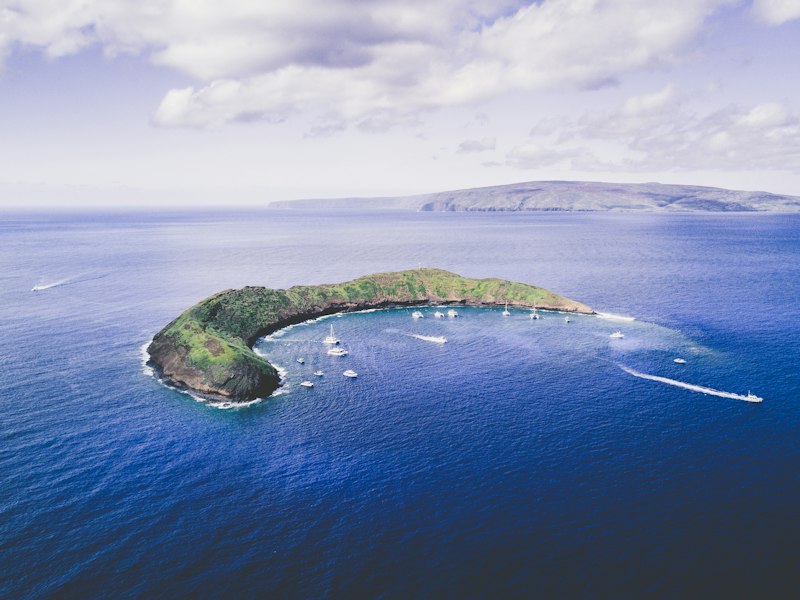
West Maui regions north of Lahaina—specifically Kāʻanapali, Honokōwai, Nāpili, and Kapalua—are fully open to travel and commercial lodging, while historic Lahaina Town and its fire-affected residential neighborhoods remain restricted exclusion zones. Physical perimeter fences, street barricades, and posted legal notices delineate these burn sites. Non-resident transit past Lahaina is strictly confined to primary highway bypasses and designated shoreline corridors, keeping visitors off interior neighborhood streets.
These spatial boundaries protect public safety while supporting regional recovery. Visitor arrivals to Maui dropped nearly 20 percent below historic baselines following the 2023 fires, creating wage instability for local hospitality workers. Operational resorts, public beaches, and tour businesses in northern West Maui rely on active visitor volume to generate tax revenue, fund local payrolls, and support municipal services without interfering with active recovery operations in restricted zones.
Turning off designated highway routes into restricted Lahaina neighborhoods to view damaged properties violates municipal ordinances and triggers law enforcement intervention. Stopping vehicles along highway shoulders near Lahaina exclusion perimeters is illegal. While coastal walkways permit controlled transit, stepping off marked concrete paths onto unpaved shoulders or fenced interior land constitutes trespassing. Visitors must maintain at least 100 feet of distance from all posted perimeter fences and safety barriers.
Travelers must observe a strict zero-stopping rule on Route 30 through the Lahaina bypass area, driving directly to destinations north of Hanakaʻōʻō Beach Park. Lodging and excursions should be booked exclusively within the northern footprint spanning from Kāʻanapali north through Kapalua. Before paying deposits, confirm that all charter boats and ocean tour excursions launch exclusively from approved northern beach landings or Māʻalaea Harbor.
What native non-profits and volunteer programs offer approved voluntourism shifts in 2026?
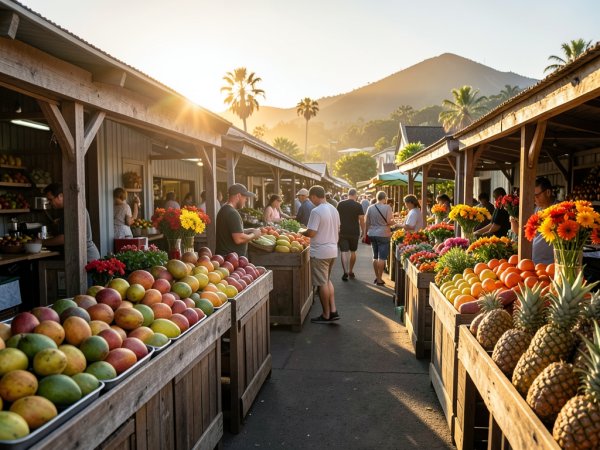
Native non-profits and volunteer programs in Maui offering approved voluntourism shifts in 2026 are the following:
- The United Nations Volunteers programme, which mobilizes volunteers in 150 countries, including opportunities that may be available in Maui.
- The Maui Nui Botanical Gardens, which offers volunteer opportunities in conservation and restoration of native Hawaiian plant species.
- The Maui Humane Society, which provides opportunities for volunteers to assist with animal care and welfare.
- The Hawaiian Islands Land Trust, which offers volunteer opportunities in conservation and restoration of natural habitats.
Visitors interested in volunteering in Maui should research and verify the legitimacy of any organization before participating in voluntourism activities.
To find volunteer opportunities in Maui, search for local organizations and initiatives that focus on environmental conservation, community development, or cultural preservation. Contact these organizations directly to inquire about potential volunteer opportunities and ensure that they are reputable and align with your values.
Note: The United Nations Volunteers programme is a globally recognized organization that provides opportunities for volunteers to work in 150 countries, including opportunities that may be available in Maui.
Common mistakes tourists make that harm local housing markets and ecosystems

Common mistakes tourists make that harm local housing markets and ecosystems in Maui include booking through third-party online travel agencies, neglecting to explore local markets, and disregarding local customs and regulations.
Third-party online travel agencies extract corporate commissions between 15 and 30 percent, which leave Hawaii for mainland or foreign corporate headquarters. In contrast, direct bookings with local businesses retain 100 percent of expenditure within Maui County.
Many mid-sized hotels in South and West Maui are owned by mainland real estate investment trusts, outsourcing management to global hotel conglomerates. Wailea resort enclaves collect service charges that leave the island, while independent properties in Upcountry Maui, Pāʻia, and Hāna keep capital in the immediate community.
To avoid harming local housing markets and ecosystems, tourists should shift at least 80 percent of planned activity spending to independent businesses verified through county business listings. Verify ownership status through Hawaii Department of Commerce and Consumer Affairs public business registrations, and check receipts for a valid Hawaii General Excise Tax license number to confirm that the business directly funds local public infrastructure.
Where should travelers buy reef-safe sunscreen and eco-compliant gear under state laws?

Travelers can buy reef-safe sunscreen and eco-compliant gear at local businesses in Maui, such as Boss Frog's. Look for products labeled as "non-nano" and containing zinc oxide or titanium dioxide, which are safer for coral reefs than chemical sunscreens. Brands like Badger Adventure Sport, found at stores like Whole Foods, Ulta, and Target, offer reef-safe options.
Reef-safe sunscreen options can also be found at local health food stores or specialty shops in Maui. Some companies, like DiverBliss, offer zero-waste reef-safe sunscreen options.
When shopping for reef-safe sunscreen, read and follow the manufacturer's instructions to ensure maximum efficacy. Check local regulations before purchasing sunscreen, as some destinations require reef-safe sunscreen by law.
To support Maui's local community, shift at least 80 percent of planned activity spending to independent businesses verified through county business listings. Confirm a business directly funds local public infrastructure by checking receipts for a valid Hawaii General Excise Tax license number. Verify ownership status through Hawaii Department of Commerce and Consumer Affairs public business registrations.
Also worth reading Maui Tourism Recovery A Ground-Level Visiting Maui in 2026 Travel Guide How to enjoy an ethical How to be a respectful visitor on
Quick answers
How can visitors directly fund local businesses rather than non-resident resort chains?
Direct bookings retain 100 percent of expenditure within Maui County, eliminating intermediary markups to fund resident payrolls. By contrast, third-party online travel agencies extract corporate commissions between 15 and 30 percent that leave Hawaii immediately for mainland...
Which regions of West Maui are open for respectful tourism versus restricted zones?
Visitor arrivals to Maui dropped nearly 20 percent below historic baselines following the 2023 fires, creating wage instability for local hospitality workers. Visitors must maintain at least 100 feet of distance from all posted perimeter fences and safety barriers.
What native non-profits and volunteer programs offer approved voluntourism shifts in 2026?
Native non-profits and volunteer programs in Maui offering approved voluntourism shifts in 2026 are the following: - The United Nations Volunteers programme, which mobilizes volunteers in 150 countries, including opportunities that may be available in Maui. Note: The United Na...
Where should travelers buy reef-safe sunscreen and eco-compliant gear under state laws?
Travelers can buy reef-safe sunscreen and eco-compliant gear at local businesses in Maui, such as Boss Frog's. To support Maui's local community, shift at least 80 percent of planned activity spending to independent businesses verified through county business listings.
Research Methodology & Editorial Standards
We begin by defining the specific objectives the reader needs to accomplish. Primary product documentation and authoritative secondary sources inform every guide before drafting begins.
Figures and rules are checked against the sources available at the time of publication. Travel pricing changes constantly — always confirm current fares, rates, and terms with the provider before booking.