
Venice considering massive entry fee hike for day visitors
The city is betting that by making the short-term stay prohibitively expensive, they can finally curb the impact of visitors who drop in for four hours, clog the alleys, and leave without really contributing to the local economy.
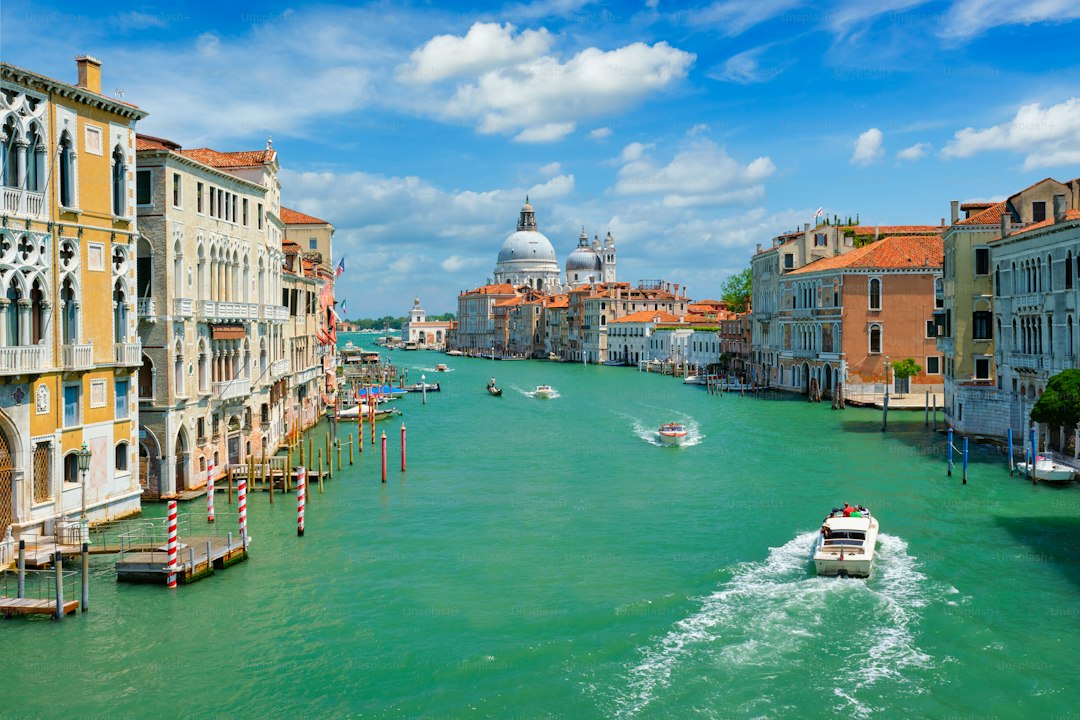
The Proposal: Why Venice Is Considering a €50 Entry Fee
Let’s be honest, Venice is at a breaking point, and the city’s latest proposal to hike entry fees up to €50 isn't just about collecting spare change from day-trippers. It’s a calculated, desperate attempt to physically manage a city that’s essentially drowning under its own popularity. The logic here is built on real-time sensors that track pedestrian flow, meaning the price you pay could actually surge based on how crowded the streets are the moment you arrive. It’s a bit like dynamic pricing for a theme park, but applied to a living, breathing UNESCO site. The city is betting that by making the short-term stay prohibitively expensive, they can finally curb the impact of visitors who drop in for four hours, clog the alleys, and leave without really contributing to the local economy.
But here’s the catch—this isn't just about revenue; it’s about survival and structural maintenance. Every euro collected is legally earmarked for the city’s crumbling seawalls and necessary canal dredging, effectively bypassing the typical municipal black hole where budgets usually go to die. They’re even using satellite imagery to link heat waves to infrastructure stress, adjusting prices when the city is most vulnerable. It’s a fascinating, albeit aggressive, use of data to solve a problem that’s been festering for years. Think of it as a forced trade-off: if you want the privilege of walking these historic bridges, you’re now essentially paying a toll for the physical preservation of the ground beneath your feet.
Of course, this shift toward treating the historic center as a protected monument zone rather than a residential municipality has sparked a massive constitutional firestorm. Legal scholars are rightfully questioning if this restricts the fundamental European right to free movement, especially since these public thoroughfares are essential transit nodes for everyone, not just tourists. To complicate things further, there's a delicate balance being struck with local businesses; while the city wants to thin the crowds, shop owners are terrified that a €50 barrier will kill the impulse foot traffic their livelihoods depend on. They’re even testing a rebate program to keep that revenue flowing back to local artisans, which honestly feels like a band-aid on a much deeper, more complex wound.
At the end of the day, you have to look at the human cost and the logistics. They’ve implemented a digital verification system to ensure residents and workers aren’t caught in this dragnet, and they’re moving toward biometric scanners to cut down on the massive bottlenecks at ferry terminals. But even with all the tech in the world, the real question is whether you can actually "optimize" a city that was never built for mass transit. Whether this is a visionary model for other over-touristed cities or just a short-sighted cash grab remains to be seen. It’s a massive experiment in urban management, and frankly, I’m not sure anyone really knows how this is going to play out once the peak summer heat hits and the system is truly put to the test.
Understanding the Strategy Behind Overtourism Taxes
It’s easy to look at a new entry fee and just see another way for a city to grab your cash, but the math behind these overtourism taxes is actually getting incredibly sophisticated. Think of it as a form of urban triage where local governments are using data to treat their most congested areas like a busy emergency room. For instance, we’re seeing a shift toward tiered pricing, where countries like Japan are using higher visa fees to intentionally favor long-term travelers who actually invest in the local service economy over the day-trippers who just clog the streets for an afternoon. It’s a deliberate pivot toward quality over quantity, and honestly, it’s a strategy that’s becoming the new standard for world-class destinations struggling to keep their heads above water.
But here’s where it gets really interesting: these taxes aren't just sitting in a generic bucket. Many regions are now linking these funds directly to the specific infrastructure that tourists actually wear down, like the fjords in Norway or the crumbling seawalls in places like Venice. By using econometric modeling, these cities can figure out exactly how much they can charge before it scares away the high-spending visitors they actually want to keep. They’re even moving toward dynamic pricing, where the cost of entry might actually jump if the transit sensors show the city is hitting a breaking point. It’s a bit like buying a plane ticket where the price fluctuates based on demand, but instead of a seat, you’re essentially paying for the privilege of helping preserve a fragile, historic environment.
Of course, the technology behind this is just as messy as the crowds themselves. Because you can’t exactly build giant turnstiles in a city built in the Middle Ages, many places are turning to biometric scanners and digital verification systems to keep things moving without creating massive bottlenecks. Some cities are even using these revenues to build out new rail links that act as pressure valves, pulling tourists away from the center and into quieter, rural areas that are desperate for the economic boost. It’s a massive, high-stakes experiment in human geography, and while we’re still waiting to see if these nudges actually change behavior in the long run, it’s clear that the days of "unlimited access" to the world's most famous sites are coming to a fast end.
How a Price Hike Could Reshape Day-Tripper Behavior
Let’s talk about what happens when you turn a city into a gated experience, because the math behind these price hikes isn't just about balancing a budget. Behavioral economics studies in similar high-density European hubs suggest that once a price point crosses that thirty-euro threshold, you hit a psychological wall where the perceived value of the trip just doesn't align with the cost anymore. It’s fascinating how quickly day-trippers react to these shifts; they are incredibly price-elastic, meaning even a small jump in fees often leads to a massive drop in total volume, especially when compared to overnight guests who have already sunk costs into hotels and travel. I’ve noticed that when you charge people to enter, they seem to linger longer in museums and galleries, almost like they’re subconsciously trying to get their money’s worth out of the daily toll they just paid.
But here’s the trade-off that often gets overlooked: while you might thin out the crowds, you’re also changing the social fabric of the streets. Urban sociologists point out that these high barriers can create a weird sense of exclusivity that attracts the affluent while effectively pricing out students and local families who used to visit on a whim. If you look at the transit data from other cities, you’ll see that when a central zone gets expensive, foot traffic in peripheral, less-monetized neighborhoods jumps by nearly 20 percent as people simply pivot to avoid the surcharge. It’s also changing how people plan their day, with many visitors opting for early mornings or late nights to dodge the peak-period pricing tiers, essentially turning urban exploration into a game of strategic scheduling.
Honestly, the way this impacts the local economy is a bit of a double-edged sword. You’ll see a measurable decline in those low-margin, cheap souvenir sales as visitors start prioritizing higher-quality, singular experiences to justify the cost of admission. Even group tour operators are feeling the pinch, with numbers dropping by as much as 25 percent because they just can't absorb those flat fees into their thin profit margins. And keep in mind, once a visitor pays that entry fee, they start holding the city to a much higher standard; if they hit a bottleneck or a broken bridge, their frustration levels spike because they feel they’ve paid for a seamless, well-maintained service. It’s becoming clear that the most effective deterrent isn't just the price tag itself, but the friction of mandatory digital pre-registration that makes a spontaneous afternoon trip feel like a logistical project.
Balancing Preservation and Accessibility for Travelers
We’re essentially watching a massive, high-stakes experiment in how we navigate the world’s most fragile places, and frankly, I think we’re still just learning the rules of the game. It’s not just about slapping a price tag on a historic gate and calling it a day; it’s about figuring out how to keep these sites standing without turning them into sterile, inaccessible museum exhibits. When I look at how places like the Galápagos are using flight connectivity to dial in visitor volume, it’s clear that controlling the flow of people is becoming a form of environmental defense. But the reality is that when you push crowds out of the center with high fees, you’re just shifting that pressure to peripheral streets that aren't built for the impact, often leading to a 20 percent spike in traffic elsewhere.
If you’ve ever walked through a historic district that felt like a theme park, you know exactly how the emotional value of a trip plummets when you’re elbow-to-elbow with a thousand other people. Research into heritage sites shows that we can actually measure this drop in satisfaction, which is why some cities are experimenting with digital wayfinding to nudge people toward quieter, less-trafficked corners. It’s a bit of a balancing act—if you make the barrier to entry too high, you risk losing the very diversity that makes these spots vibrant, but if you do nothing, you’re letting high-volume foot traffic physically erode the masonry of our shared history. I’m leaning toward the idea that success here doesn't look like a toll booth, but rather a more thoughtful, data-driven approach to distributing us across a region.
Think about the transit models we’re seeing, like those proposed for ferry routes, where funding is directly tied to the specific infrastructure you’re using. It feels far more honest than a broad tax, and it helps people see exactly where their money is going, whether that’s to shore up a seawall or maintain a path. We’re moving toward a future where our digital footprint—the apps we use and the way we book our travel—acts as the primary filter for how we interact with these environments. It’s a lot to wrap your head around, but I suspect that in a few years, we’ll view this period as the moment we finally stopped treating these iconic destinations as bottomless resources and started managing them like the finite, living spaces they’ve always been.
Venice vs. Global Hotspots: A Growing Trend in Tourism Management
I’ve been tracking the data on this, and it’s become pretty clear that Venice is really just the tip of the spear in a much larger, global shift. We’re moving into an era where the old model of unrestricted access is hitting a wall, and cities from Barcelona to Reykjavik are realizing they can't just keep squeezing more bodies into the same historic streets. It’s not just about the crowds anymore; it’s about the sheer physical strain on ancient masonry that wasn't designed for modern, round-the-clock foot traffic. When you look at how these destinations are leaning into real-time sensor data, you see them treating the city like an emergency room, using dynamic pricing to try and triage the flow of people before the infrastructure hits a breaking point.
But here’s the thing that really gets me: this strategy isn't just about collecting money to patch up crumbling seawalls. We’re seeing a massive, coordinated pivot across Europe where countries are using fiscal barriers to essentially redesign the tourist experience, often shifting that density into the periphery as a byproduct. While it’s technically a way to preserve these sites, I’m not sure we’ve fully reckoned with the social cost of turning these vibrant, living cities into gated experiences. It’s creating a weird kind of exclusivity that risks pricing out the very people—like students and local families—who used to provide the city with its pulse.
And if you’re wondering if this actually works, the early data suggests the friction of digital pre-registration is often a bigger deterrent than the price tag itself. I’ve noticed that when a city makes you jump through these logistical hoops, it fundamentally changes how you plan your visit, pushing many of us toward earlier mornings or quieter, less-trafficked corners just to avoid the headache. It’s a massive experiment in human geography, and honestly, I think we’re all still trying to figure out if this is a sustainable way to save these places or just a way to make them feel a little more like a high-end theme park. We’ll have to see if this trend of "managed tourism" actually protects our history or just changes who gets to see it.
What the Proposed Changes Mean for Your Next Trip to Italy
If you’re planning a trip to Italy right now, you might feel like you need a degree in logistics just to clear customs, and honestly, you aren't wrong. Beyond the headline-grabbing entry fees in Venice, we are dealing with the messy rollout of the European Union’s new Entry/Exit System, or EES, which is fundamentally changing how we cross the border. Think of it as a transition from manual passport stamps to a mandatory, biometric-heavy database that tracks your every move within the Schengen Area. The reality is that these kiosks are hitting major bottlenecks, and with delays potentially dragging on for up to two years, you need to budget a significant amount of extra time at the airport that you didn't have to worry about previously.
It’s not just the wait times that are shifting, either; the cost of simply being there is ticking upward. We’re seeing travel inflation in Italy hit around 4.2 percent compared to last year, much of which is being funneled into these new digital border infrastructures. On top of that, if you were banking on your Italian roots to simplify your long-term travel plans, keep in mind that recent legal rulings have tightened the rules for citizenship by descent, which might change your status more than you realize. Between these administrative hurdles and the persistent labor strikes affecting carriers like ITA Airways, the days of spontaneous, stress-free Italian getaways are definitely evolving into something much more calculated.
I really think the most important thing to watch is how this "time tax" starts to dictate where we actually go. Because cities like Rome and Florence are keeping a close eye on the satellite-monitored congestion data we see in Venice, don't be surprised if they start adopting similar dynamic pricing models to manage their own crowds. We’re seeing a clear pattern where visitors are pivoting toward secondary cities just to avoid the friction of digital pre-registration and high-density surcharges. My advice? Don't just show up and hope for the best; map out your entry points, confirm your digital credentials ahead of time, and be ready for a trip that requires as much planning as it does passion.
Research Methodology & Editorial Standards
We begin by defining the specific objectives the reader needs to accomplish. Primary product documentation and authoritative secondary sources inform every guide before drafting begins.
Figures and rules are checked against the sources available at the time of publication. Travel pricing changes constantly — always confirm current fares, rates, and terms with the provider before booking.