
Planning a 2027 Trip: Why Venice Remains the Ultimate Escape
For travel in 2027, the optimal window to book international flights to Venice Marco Polo Airport (VCE) is 3 to 6 months before your intended departure date.
Key takeaways
| Takeaway | Detail |
|---|---|
| Venice’s airport is 7.5 km from the city center | Travelers must plan for water taxis or vaporetti to reach the pedestrianized core. |
| Book flights 3–6 months early for best pricing | Monitoring aggregators and setting alerts helps secure optimal fares. |
| Avoid Carnival (Feb 2027) for lower costs | Peak events like Carnival spike demand and hotel rates. |
| Mid-week flights save 15–25% vs. weekends | Tuesday/Wednesday departures offer better base fares even in shoulder seasons. |
| Winter (non-Carnival) cuts hotel rates by 30–50% | Late autumn/winter visits provide budget-friendly luxury stays. |
| Verify 2027 festival dates early | Past schedules (e.g., 2026) may not align; check official calendars. |
| Avoid non-refundable tickets without insurance | Volatile travel periods risk total loss if plans change. |
Useful thresholds
| Item | Rule / threshold |
|---|---|
| Flight booking window | 3–6 months in advance for standard pricing |
| Peak season hotel markup | 50–100% higher during Carnival or Biennale |
| Mid-week flight savings | 15–25% cheaper than weekend departures |
| Winter hotel discount | 30–50% lower rates (excluding Carnival) |
| Airport distance to city center | 7.5 km (VCE); budget carriers may use TSF (50 km) |
Best times to book for 2027 fares
For travel in 2027, the optimal window to book international flights to Venice Marco Polo Airport (VCE) is 3 to 6 months before your intended departure date. Booking outside this window rarely yields lower fares, as airlines typically release seats at higher initial price points and only adjust downward when inventory management systems detect lower-than-projected demand. Monitoring prices earlier than 6 months out is inefficient, while waiting until within 2 weeks of departure consistently results in inflated pricing and limited availability.
The pricing mechanism for Venice is heavily influenced by seasonal demand cycles and the city's unique infrastructure. Because Venice is a pedestrian-only destination, logistical costs for transport from the airport—such as water taxis or vaporetti—remain stable, but airfare and hotel inventory fluctuate based on peak tourist periods. You should prioritize mid-week departures, specifically Tuesday and Wednesday, which typically offer lower base fares compared to weekend travel. This remains true even during shoulder seasons, as the reduction in leisure-travel demand during the work week allows for better yield management by carriers.
Travelers must distinguish between Venice Marco Polo (VCE) and Treviso Airport (TSF). While budget carriers often list TSF as a Venice destination, it is significantly further from the city center, adding cost and transit time to your arrival. Always verify the airport code before finalizing a booking to avoid hidden ground transportation expenses. Additionally, if you hold high-tier airline status or participate in specific credit card alliances, you may find that using points for business class seats provides superior value compared to cash fares during the peak 2027 summer months.
| Booking Strategy | Timing | Primary Benefit |
|---|---|---|
| Standard Airfare | 3–6 Months Out | Best Price Stability |
| Mid-week Travel | Tuesday/Wednesday | Lower Base Fares |
| Peak Season | May–September | Highest Demand |
| Off-Peak | Late Autumn/Winter | Lowest Hotel Rates |
A common mistake is booking non-refundable tickets during volatile periods without securing travel insurance. If your plans change, the lack of flexibility often leads to a total loss of the fare. Furthermore, avoid assuming that 2027 festival dates will mirror the 2026 calendar; verify specific event schedules, such as the Venice Biennale or local holidays, before committing to non-refundable lodging. To track dynamic price drops effectively, set automated alerts on major flight aggregators for your specific dates, as these tools capture the real-time fluctuations that manual searches often miss.
To finalize your 2027 travel plan, establish your travel dates now and set a price alert for your preferred route to VCE. Once the fare enters the 3-to-6-month window, compare the total cost of your flight against the potential savings of mid-week travel before confirming your reservation.
How to choose between VCE and TSF airports
Select Venice Marco Polo Airport (VCE) for proximity, or Treviso Airport (TSF) if you prioritize lower fares from budget carriers and are prepared for a longer ground transfer. VCE is located in Tessera, approximately 7.5 kilometers from the city center, while TSF sits roughly 40 kilometers away. Choosing between them requires balancing the total cost of transit against the base airfare savings.
VCE serves as the primary international gateway, offering direct access to the lagoon via water taxis, private boats, or the Alilaguna water bus service. Because the city center is pedestrianized, arriving at VCE minimizes the logistical complexity of reaching your hotel. TSF primarily handles low-cost carriers, which often advertise lower headline prices. However, once you factor in the 35-to-60-minute shuttle bus or private transfer required to reach the Venice lagoon, the net savings frequently evaporate.
The following table outlines the operational differences to help you decide based on your specific arrival needs.
| Airport | Primary Use | Distance to Center | Transit Time |
|---|---|---|---|
| VCE | International/Full-Service | 7.5 km | 15–25 mins |
| TSF | Budget/Regional | 40 km | 35–60 mins |
Be aware that some budget airlines market TSF as Venice, which can lead to significant transit delays if you have tight connections or heavy luggage. If your itinerary involves a cruise departure or a strict hotel check-in time, the reliability of VCE’s direct water-based transport is a major operational advantage. Conversely, if you are renting a car to explore the Veneto region beyond the city, TSF may offer easier highway access and lower parking fees.
A common mistake is failing to calculate the cost of the ATVO bus or private shuttle from TSF when comparing flight options. A 30-euro savings on a flight ticket is often negated by a 20-euro per-person shuttle fare and the additional hour of travel time. Always check the total door-to-door cost before selecting the cheaper airport code.
To make your final decision, calculate your total transit cost from each airport to your specific accommodation in Venice. If the price difference between VCE and TSF is less than 25 euros per person, select VCE to save time and reduce the complexity of your arrival.
Mastering the 2027 seasonal price calendar
Mastering the 2027 seasonal price calendar requires aligning your travel dates with the inverse relationship between regional weather patterns and visitor volume. You will find the lowest base airfare and hotel rates during the late autumn and winter months, specifically from November through March, excluding the high-demand period surrounding the Venice Carnival. During this window, occupancy rates drop significantly, allowing for premium hotel inventory to be booked at a fraction of the cost seen during the peak May through September season.
The pricing mechanism relies on the city's capacity limits and the logistical constraints of a pedestrian-only urban environment. When tourist demand spikes, hotels and transport providers utilize dynamic pricing models that respond to high search volumes and limited room availability. Conversely, the winter months represent a period of low yield for hospitality operators, leading to aggressive discounting to maintain occupancy. You should note that while airfare remains subject to global fuel and demand trends, the local cost of accommodation in Venice is the primary variable you can influence by shifting your travel dates by just a few weeks outside of the peak summer corridor.
Regional variance is significant, as the Venice Biennale and major public holidays often create artificial demand spikes even during traditional shoulder seasons. You must verify the 2027 schedule for these events, as they can cause hotel pricing to mirror mid-summer levels despite cooler temperatures. Additionally, be aware that the 2027 calendar year begins on a Friday, which may increase demand for long-weekend stays in early January compared to years where the holiday falls mid-week. Always cross-reference your planned travel dates with international school holiday calendars, as family travel patterns exert upward pressure on both flight and lodging costs during those specific weeks.
| Season | Price Tier | Demand Level | Strategy |
|---|---|---|---|
| May–September | Peak | Highest | Book 6 months early |
| April/October | Shoulder | Moderate | Target mid-week stays |
| Nov–March | Off-Peak | Lowest | Best value for luxury |
A common mistake is assuming that travel costs remain static throughout the year or that last-minute deals will appear for popular dates. Waiting for a price drop during the high season is rarely effective, as inventory is often exhausted by travelers who booked within the recommended 3-to-6-month window. Furthermore, do not treat the 2027 calendar as a mirror of previous years; always check for specific 2027 festival dates to avoid being blindsided by sudden surcharges. If you must travel during a peak period, prioritize using points for business class flights or loyalty programs to mitigate the impact of inflated cash fares.
To secure the best value for your 2027 trip, identify your preferred window and set automated price alerts for your specific dates. If your schedule allows, prioritize mid-week travel, as Tuesday and Wednesday departures consistently offer lower base fares than weekend travel regardless of the season. Once you identify a fare that falls within the 3-to-6-month booking window, confirm your reservation immediately to avoid the volatility that characterizes the final weeks before departure.
Which airline alliances offer the best Venice value?

Star Alliance and SkyTeam offer the most consistent value for travel to Venice Marco Polo (VCE) due to their extensive network of direct and one-stop connections through major European hubs. Star Alliance, anchored by Lufthansa and Swiss, provides the highest frequency of flights into VCE, which increases the likelihood of finding award availability or competitive cash fares during peak 2027 demand. SkyTeam, led by Air France-KLM and ITA Airways, remains the primary competitor for travelers originating in North America, often providing better pricing for itineraries that route through Paris or Amsterdam.
The economic mechanism behind these alliances relies on interline agreements and shared inventory systems that allow carriers to pool capacity across their partner networks. When you book through an alliance, you gain access to a broader range of routing options that individual airlines cannot match, effectively lowering the cost of entry for complex itineraries. This system is particularly beneficial for travelers using miles, as alliance-wide award charts often provide fixed-rate redemptions that protect you from the high cash prices typical of last-minute summer bookings.
Oneworld, while valuable for travelers with status on British Airways or American Airlines, often carries a higher price premium for Venice routes due to the limited number of direct connections compared to its rivals. You should prioritize booking through the alliance where you hold the highest status, as the ability to select seats, access lounges, and receive priority boarding significantly impacts the comfort of your transit through crowded hubs like Frankfurt or Rome. If you are paying cash, use a flight aggregator to compare the total cost of alliance-branded tickets against independent carriers, as the latter can occasionally undercut alliance pricing on specific secondary routes.
| Alliance | Primary Hubs for VCE | Best For |
|---|---|---|
| Star Alliance | Frankfurt, Munich, Zurich | Frequency and Award Availability |
| SkyTeam | Paris, Amsterdam, Rome | North American Connectivity |
| Oneworld | London, Madrid | Status-Based Perks |
A common mistake is failing to check partner availability when your preferred airline shows no seats on a specific date. If a direct flight on a primary carrier is sold out or priced at a premium, check the websites of alliance partners to see if they are selling the same flight under a different code or offering a better-priced connection. Additionally, avoid booking basic economy fares within an alliance if you intend to use miles for an upgrade, as these fare classes are frequently ineligible for points-based cabin upgrades.
To maximize your value, identify the alliance where you currently hold the most points or elite status and search for flights to VCE exclusively through that alliance’s portal. If you are not loyal to a specific program, prioritize Star Alliance for the highest volume of daily arrivals, which provides the most flexibility if your initial flight is delayed or cancelled.
How to secure luxury hotels using points
Securing luxury hotel rooms in Venice using points requires targeting programs with high-density footprints in the city, specifically Marriott Bonvoy and Hilton Honors. Because Venice is a constrained, pedestrian-only market with limited land for new development, award inventory is frequently restricted to a small number of high-tier properties. You will find the most consistent redemption opportunities by focusing on properties located in the San Marco or Cannaregio districts, where point values often exceed 0.8 cents per point during peak periods.
The mechanism for maximizing point value in Venice relies on the significant spread between cash rates and award pricing during the May through September window. While standard rooms often retail for over 800 euros per night during the Venice Biennale or peak summer months, these same rooms are frequently available for 70,000 to 100,000 points. To secure these, you must monitor availability at the 11-month mark, as luxury properties in Venice release award inventory in limited tranches. If you do not see availability, check back exactly 21 days before your arrival, as this is the standard cancellation window for most premium hotels, often triggering a release of inventory.
Regional variance is significant, as the luxury market in Venice is dominated by historic palaces rather than modern high-rises. You should avoid the mistake of assuming that all luxury-branded hotels offer the same point-redemption value. Many boutique properties in the city are independent and do not participate in major loyalty programs, meaning your points are only useful at specific flagships. Additionally, be aware that some high-end properties impose "resort fees" or "city taxes" that are not covered by points; these must be paid in cash at checkout, typically ranging from 5 to 10 euros per person per night.
A common error is failing to utilize transfer partners for booking independent luxury hotels through travel portals, which often results in poor value compared to direct loyalty program redemptions. If you are short on points for a specific high-end stay, consider purchasing points during a promotion—typically offered at a 30% to 50% discount—which can effectively lower your out-of-pocket cost below the cash rate for a luxury room. Always compare the total cost of a points-based stay against the cash price, including all mandatory taxes and service charges, before finalizing your booking.
| Strategy | Target Window | Benefit |
|---|---|---|
| Early Booking | 11 Months Out | Maximum Inventory Access |
| Cancellation Wave | 21 Days Out | Last-Minute Availability |
| Point Purchase | During Promotions | Lower Effective Cash Rate |
| Loyalty Redemptions | Peak Season | Highest Cents-Per-Point Value |
To execute this strategy, identify which major hotel chain holds the most inventory in your preferred Venetian district and set a recurring calendar reminder for 11 months before your 2027 trip. If inventory is unavailable, use an automated award-tracking tool to monitor your specific dates for cancellations. If you find a room, book it immediately using the flexible cancellation option to lock in the rate while you finalize your broader travel logistics.
Common mistakes that ruin Venice travel budgets

Budget erosion in Venice typically stems from poor logistical planning rather than high base costs. The most frequent error is failing to account for the city's pedestrian-only infrastructure, which mandates additional spending on water-based transit that is often overlooked in initial estimates. Travelers who assume that standard taxi or rideshare apps function within the historic center frequently end up paying premiums for private water taxis, which can cost 120 euros or more for a single transfer from VCE.
You must also distinguish between the actual Venice island and the mainland districts like Mestre. While hotels in Mestre appear significantly cheaper, the daily cost of train or bus tickets, combined with the loss of time, often negates the savings. If your goal is to minimize daily transit expenses, prioritize accommodation within walking distance of a vaporetto line, as the cost of single-ride tickets—currently 9.50 euros per journey—accumulates rapidly during a multi-day stay.
| Expense Category | Budget Trap | Mitigation Strategy |
|---|---|---|
| Airport Transfer | Private Water Taxi | Use Alilaguna or ATVO bus |
| Accommodation | Mainland (Mestre) | Stay near Vaporetto stops |
| Daily Transit | Single Ride Tickets | Purchase 24-72 hour passes |
| Dining | Canal-side tourist menus | Seek bacari in Cannaregio |
| Booking | Non-refundable rates | Purchase travel insurance |
Dining and activity costs represent the second most common area of budget leakage. Restaurants located directly on the Grand Canal or within the immediate vicinity of St. Mark’s Square often apply service charges and inflated menu pricing that are not representative of the city's broader culinary landscape. To maintain your budget, venture into the sestieri of Cannaregio or Castello, where local bacari offer cicchetti at a fraction of the cost of sit-down tourist establishments.
Avoid the mistake of purchasing non-refundable airfare or hotel inventory without securing comprehensive travel insurance. Given the volatility of travel plans and the potential for seasonal disruptions, the inability to recoup costs from a last-minute cancellation is a primary driver of financial loss. Verify that your policy covers trip interruption, as this is essential for protecting your investment against unforeseen events.
To finalize your budget protection, calculate your total daily transit requirement before you arrive and purchase a multi-day ACTV travel pass if you plan to use the vaporetto more than three times per day. This simple decision rule prevents the recurring 9.50-euro per-ride expense and provides unlimited access to the water bus network for the duration of your trip.
Navigating the city: Water taxis versus walking
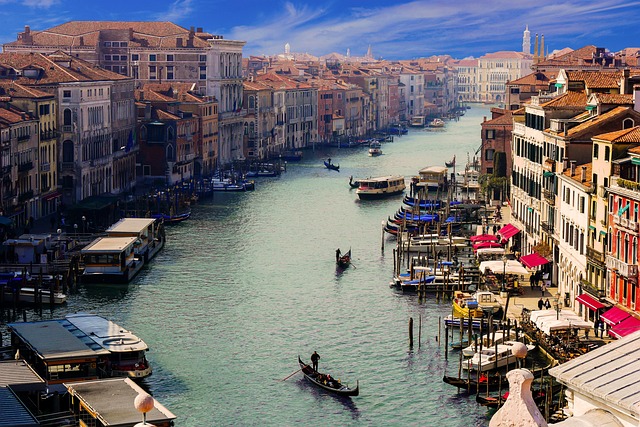
Navigating Venice requires a choice between the speed of private water taxis and the accessibility of the public vaporetto network, as the city’s pedestrian-only layout renders traditional vehicular transport impossible. Private water taxis, or motoscafi, provide the most efficient door-to-door service by docking at private piers near your accommodation, effectively bypassing the need to navigate narrow calli and bridges with heavy luggage. While this convenience is premium, it remains the only way to avoid the physical labor of transporting bags across the city's hundreds of stone steps.
The public vaporetto system operates on a fixed-route schedule and serves as the city’s primary transit backbone, connecting major hubs like the Santa Lucia train station, Rialto, and San Marco. While significantly cheaper than private taxis, vaporetti require you to manage your own luggage during boarding and disembarking, and they often involve a walk from the nearest vaporetto stop to your final destination. For travelers with mobility constraints or significant baggage, the vaporetto is often insufficient, necessitating a combination of walking and private water transport.
| Transport Type | Primary Advantage | Typical Use Case | Cost Profile |
|---|---|---|---|
| Private Water Taxi | Door-to-door convenience | Airport arrival, heavy luggage | High (Fixed/Negotiated) |
| Vaporetto (Water Bus) | Broad network coverage | Daily sightseeing, budget transit | Low (Per-ride or pass) |
| Walking | Zero cost, high flexibility | Short distances, exploring alleys | Free |
A common mistake is underestimating the physical toll of walking in Venice, particularly when navigating the city’s stairs with rolling suitcases. Most bridges lack ramps, meaning you will frequently need to lift your luggage to traverse the canal crossings. If you choose to walk, limit your gear to backpacks or carry-ons that can be easily managed by hand. Conversely, when booking a water taxi, confirm whether your hotel has a private water entrance, as many properties are located on smaller canals that are inaccessible to larger water taxis during low tide.
To optimize your arrival, book your water taxi in advance if you are arriving at VCE, as pre-booked transfers often include a small discount compared to on-demand airport rates. If your budget is the priority, purchase a multi-day vaporetto travel card upon arrival at the airport or train station to avoid the high cost of individual single-ride tickets. Map your hotel’s proximity to the nearest vaporetto stop before departure, and if that distance exceeds 500 meters, budget for a private water taxi to handle the final leg of your journey.
Managing peak demand during major festivals
Major festivals in Venice, such as the Venice Biennale or the Regata Storica, trigger immediate and aggressive price surges in both accommodation and private water transport. During these periods, hotel inventory often reaches 95% occupancy months in advance, and dynamic pricing algorithms for luxury properties frequently shift to minimum-length-of-stay requirements that can exceed four nights. Because Venice operates on a fixed physical capacity, demand during these events is inelastic; you should expect base rates for mid-range hotels to increase by 50% to 100% compared to the same dates in non-festival weeks.
The economic mechanism driving these increases is a combination of limited supply and high-intent visitor volume. Unlike mainland destinations where hotels can add capacity or nearby cities can absorb overflow, Venice’s geography prevents rapid scaling. When major events occur, the cost of private water taxis—the primary mode of transit for high-end travelers—also rises due to restricted canal access and high demand for limited licensed operators. You can mitigate these costs by staying in the Mestre district on the mainland, which remains connected to the historic center via a 10-minute train ride, allowing you to bypass the premium pricing of the lagoon-side hotels.
| Strategy | Peak Festival Impact | Cost Mitigation |
|---|---|---|
| Accommodation | 100%+ rate increase | Book Mestre/Mainland hotels |
| Transport | High water taxi premiums | Use public Vaporetto lines |
| Dining | Reservations required | Book 30+ days in advance |
| Logistics | Crowd-induced transit delays | Travel before 09:00 |
A common mistake is assuming that festival-related price hikes only apply to the exact dates of the event. In practice, pricing volatility begins 48 hours before the opening and persists for 24 hours after the closing ceremony. Travelers often overlook the impact of these events on basic services, such as restaurant availability, where popular venues may be fully booked for the entire duration of a festival. If you are not attending the event specifically, avoid these dates entirely to prevent paying peak-season premiums for a less accessible city experience.
To manage your budget during these high-demand windows, verify the official 2027 event calendar before finalizing your travel dates. If your trip must coincide with a major festival, secure your accommodation at least six months out to lock in rates before the final inventory crunch. Use the public Vaporetto system instead of private water taxis to avoid the surge pricing that inevitably hits private transport providers during high-traffic events.
Essential tools for tracking dynamic price drops
Effective tracking of dynamic price drops for Venice requires a multi-platform approach using automated alerts to capture the high-frequency volatility inherent in airline revenue management systems. Because carriers adjust seat inventory based on real-time demand signals, manual searches are often insufficient for identifying the optimal booking moment within the 3-to-6-month window. You should leverage specialized flight aggregators that provide historical price context, which allows you to distinguish between a genuine dip and a temporary fluctuation.
The mechanism behind these tools relies on machine learning algorithms that monitor airline GDS feeds and secondary market data. By setting alerts for your specific VCE route, you receive push notifications or emails the moment a fare drops below the historical average for your selected dates. While these tools are robust, they cannot predict the exact timing of a mistake fare, which occurs due to system configuration errors or currency conversion glitches. Consequently, you must treat alert-based booking as a strategy for securing fair market value rather than a method for finding guaranteed anomalies.
| Tool Type | Primary Function | Best For |
|---|---|---|
| Flight Aggregators | Real-time price monitoring | Setting baseline alerts |
| Predictive Engines | Statistical trend analysis | Determining if current fares are high |
| Airline Direct | Inventory control | Booking flexible or status-linked fares |
A common mistake is relying on a single platform for alerts, as different aggregators often have varying latency in their data updates. Furthermore, avoid setting alerts for broad date ranges, as this often triggers false positives for high-priced flights on days you do not intend to travel. Always verify that your alert is filtered for non-stop or preferred-connection flights to VCE, as budget-carrier results often populate with long layovers or transfers to TSF that negate the convenience of your planned trip.
To execute this strategy, select two primary aggregators and configure alerts for your specific travel window at least 6 months before your departure. When an alert indicates a price drop, compare the fare against your established budget threshold immediately. If the price meets or falls below your target, proceed with booking through the airline directly to ensure you retain control over your reservation in the event of a cancellation or schedule change.
Why shoulder season remains the ultimate escape
Shoulder season in Venice, defined as the periods from mid-April to late May and mid-September to late October, provides the optimal balance of temperate weather and lower visitor density. During these windows, the city experiences a significant decline in the daily foot traffic that characterizes the peak summer months, allowing for more efficient navigation of the pedestrian-only historic center. Airfare and hotel rates during these months typically track 15% to 25% lower than the peak July and August averages, as leisure travel demand moderates following the conclusion of the primary school holiday cycles.
The economic mechanism driving this value is the reduction in premium pricing for transient lodging. While peak season inventory in Venice often commands a 30% to 50% markup due to high demand for waterfront or canal-view properties, shoulder season rates reflect a shift toward base-level pricing. You will find that service providers, including private water taxi operators and guided tour services, maintain more flexible availability, which reduces the need for the aggressive advance booking required during the summer.
Regional variance remains a factor, as specific events can temporarily disrupt these shoulder season trends. Major international gatherings, such as the Venice Biennale, can cause localized spikes in lodging costs even when overall city demand is lower. You must verify the official calendar for these events before finalizing your travel dates, as hotel occupancy can reach near-capacity levels during exhibition openings or industry-specific conventions, negating the typical cost advantages of the season.
A common mistake is assuming that shoulder season guarantees favorable weather without preparation. While the intense heat of August is absent, these periods are prone to higher humidity and occasional rainfall, particularly in late October. Travelers who fail to account for the potential for high water, or acqua alta, may face unexpected logistical challenges. Always check the long-range weather outlook and ensure your accommodation is located in an area less susceptible to tidal flooding if you are traveling during the late autumn transition.
| Travel Period | Demand Level | Pricing Trend | Key Advantage |
|---|---|---|---|
| April–May | Moderate | Increasing | Mild temperatures |
| June–August | Peak | Maximum | Full service availability |
| Sept–Oct | Moderate | Decreasing | Reduced crowds |
| Nov–March | Low | Minimum | Lowest base rates |
To maximize your 2027 trip, prioritize travel in the second half of September or the first half of May. These specific windows historically provide the most consistent weather patterns while avoiding the most aggressive pricing tiers. Set your booking alerts for the 3-to-6-month window to capture the initial price drop as airlines adjust inventory for these lower-demand periods.
What to do next
Now that you're equipped with insights for your 2027 Venice escape, follow these concrete steps to lock in the best experience while avoiding common pitfalls.
Also worth reading Why Baden Baden Remains the Ultimate How to Plan the Ultimate Cultural Why Maui Remains the Ideal Hawaiian
Quick answers
How to choose between VCE and TSF airports?
VCE is located in Tessera, approximately 7.5 kilometers from the city center, while TSF sits roughly 40 kilometers away. However, once you factor in the 35-to-60-minute shuttle bus or private transfer required to reach the Venice lagoon, the net savings frequently evaporate.
Which airline alliances offer the best Venice value?
Star Alliance and SkyTeam offer the most consistent value for travel to Venice Marco Polo (VCE) due to their extensive network of direct and one-stop connections through major European hubs. Star Alliance, anchored by Lufthansa and Swiss, provides the highest frequency of flig...
How to secure luxury hotels using points?
While standard rooms often retail for over 800 euros per night during the Venice Biennale or peak summer months, these same rooms are frequently available for 70,000 to 100,000 points. If you do not see availability, check back exactly 21 days before your arrival, as this is t...
Why shoulder season remains the ultimate escape?
Airfare and hotel rates during these months typically track 15% to 25% lower than the peak July and August averages, as leisure travel demand moderates following the conclusion of the primary school holiday cycles. While peak season inventory in Venice often commands a 30% to...
What to do next?
Now that you're equipped with insights for your 2027 Venice escape, follow these concrete steps to lock in the best experience while avoiding common pitfalls.
Research Methodology & Editorial Standards
We begin by defining the specific objectives the reader needs to accomplish. Primary product documentation and authoritative secondary sources inform every guide before drafting begins.
Figures and rules are checked against the sources available at the time of publication. Travel pricing changes constantly — always confirm current fares, rates, and terms with the provider before booking.