
Travelers Beware These Destinations With the Toughest Visa Requirements
I’ve spent a lot of time looking at how countries handle borders, and honestly, the reality behind closed-door visa regimes is often way more calculated than just a simple check at the door.
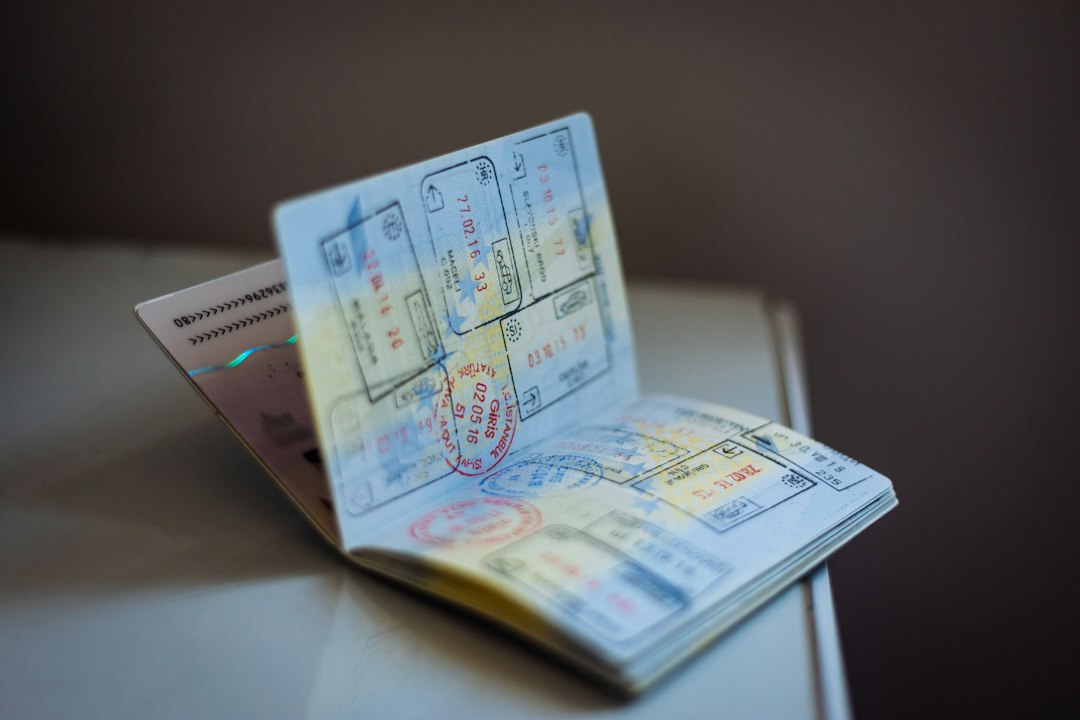
Understanding the Complexity of Closed-Door Visa Regimes
I’ve spent a lot of time looking at how countries handle borders, and honestly, the reality behind closed-door visa regimes is often way more calculated than just a simple check at the door. When we talk about bureaucratic opacity, we're really talking about a hidden non-tariff barrier where the actual cost of jumping through hoops ends up being ten times what you paid for the visa fee itself. These nations aren't just reading your application; they’re running it through automated algorithms that scan international financial databases to score your alignment with state interests before a human even glances at your file. It’s a bit chilling when you realize your digital footprint can trigger a denial before you’ve even boarded a plane, regardless of whether you meet every stated requirement.
Think about the legal side for a second, where sovereign discretion basically lets states deny anyone entry without a single explanation, effectively dodging the kind of judicial oversight we're used to in more open systems. It’s a strategic choice, too, because we see foreign direct investment often drop by about 15 percent within the first two years of these policies hitting the books. Some countries even push their monitoring burden onto regular citizens by requiring local sponsorship, which legally ropes a host into being responsible for whatever a visitor does. Then there's the weird inconsistency where processing times for the same passport change depending on which consulate you visit, which really looks like they’re using administrative autonomy to signal geopolitical moods.
And we have to talk about the data aspect, because these digital platforms are often harvesting biometric information that eventually winds up with third-party security contractors, which is a massive red flag for privacy and potential state-sponsored espionage. You’ll also notice that many of these closed-door states rely on a reciprocal rejection mechanism, so if your home country puts hurdles in front of their diplomats, they’ll automatically make it impossible for you to get in. It feels designed to create a chilling effect, specifically to keep journalists and researchers from digging too deep under the guise of a standard tourist visit. It’s not just bad luck if you get rejected; it’s usually an intentional layer of administrative friction meant to keep the outside world at a comfortable distance.
Countries With Extensive Sponsorship and Invitation Requirements
Let’s be real for a moment: the most daunting barrier to international travel isn’t always the visa fee itself, but the opaque, often exhausting requirement for local sponsorship. In countries with these restrictive policies, you aren't just applying for permission to enter; you are effectively being vetted through a third party who must stake their own reputation—and sometimes their legal standing—on your visit. It’s common to see states require that an invitation letter be notarized by a government ministry rather than just a private host, a step that can easily tack on weeks of administrative waiting time. I’ve noticed that some jurisdictions even force the sponsor to submit their own tax returns and property deeds just to prove they have the financial headroom to manage your stay. It creates this strange, high-pressure dynamic where you’re beholden to someone else’s bureaucratic record before you even board your flight.
Beyond the initial paperwork, the level of personal liability involved can be genuinely staggering. In many of these places, the sponsor is required to sign an affidavit that makes them a personal guarantor for your medical and repatriation costs, essentially treating them as a legal bond for your behavior. Some countries take it a step further by requiring that the invitation be physically stamped by the local police department in the host’s district, a process that can only start after you’ve already kicked off your visa application. If you’re a business traveler or an independent researcher without blood relatives on the ground, you might find yourself hitting a wall because some regimes explicitly mandate that valid invitations must come from a family member. It makes the entire process feel less like a standard travel permit and more like a restricted access program designed to keep the unvetted at arm’s length.
Honestly, the technology behind these requirements is just as invasive as the human-led vetting. Some governments now link the host’s national ID directly to your passport, setting up digital alerts that trigger if you wander outside of the sponsor's registered city. There are even instances where your travel itinerary must be pre-approved by a security agency that can unilaterally strike out entire regions of the country from your trip. We also see systems where invitations are routed through state-sanctioned travel agencies, which adds another layer of profit-seeking bureaucracy to the mix. It’s an intentional, layered approach to friction that effectively turns your host into a de facto border agent, ensuring that the state maintains visibility over every hour you spend in their territory.
Navigating Bureaucratic Hurdles for High-Security Nations
When you’re staring down the barrel of a trip to a high-security nation, you quickly realize that the official visa requirements are just the tip of the iceberg. I’ve seen firsthand how these countries use administrative friction as a tool for control, often forcing you to jump through hoops that have nothing to do with standard immigration procedures. For instance, many of these regimes mandate that you purchase travel insurance exclusively from their state-owned providers, which is basically an unlisted tax that keeps you from using the international coverage you’ve already paid for. It’s frustrating, but it’s a calculated move to keep you within their financial orbit before you even step off the plane.
Things get even more intense when you look at how they manage the actual application flow. I’ve come across systems that use hidden, monthly quota shifts tied directly to current diplomatic tensions, meaning your chances of approval can plummet overnight regardless of how perfect your paperwork looks. Some border agencies are now using satellite imagery to cross-reference your proposed itinerary against real-world geography, leading to instant denials if they decide your route is logistically improbable or—even worse—strategically sensitive. And let's not forget the exit permits; in some places, simply having an entry visa isn't enough, because the government can unilaterally block your departure, effectively turning a vacation or research trip into a forced stay.
Honestly, the digital and personal intrusion is what really hits home for me. It’s common now to see mandatory social media disclosures where automated systems scrape your online life to map out your entire ideological stance, which feels like a massive invasion of privacy. Plus, if you’re a researcher, you might be shocked to learn that some nations require you to surrender all your raw data to a local ministry before they’ll let you leave the country. Between the government-mandated medical screenings that bypass basic privacy standards and the specific, high-fee intermediary banks they force you to use for payment, the entire process feels designed to keep the unvetted at a distance. If you’re planning to head into one of these regions, you have to go in with your eyes wide open, knowing that every piece of data you hand over is being used to build a profile that defines your worth to the state.
Why Event Tickets and Invitations Are Not Guarantees of Entry
You know, it’s easy to look at a crisp event ticket or a formal invitation printed on thick cardstock and feel like you’ve finally cleared the biggest hurdle for your trip. But let’s pause for a moment and reflect on that: in the world of high-security travel, that piece of paper is often just a secondary document that holds surprisingly little weight when you’re standing in front of an immigration officer. I’ve seen this time and again—border agents aren't just looking at your credentials; they’re operating under sovereign authority that allows them to override any invitation based on internal, non-disclosed security protocols that you’ll never see. Think about it this way: these agencies are often running your data through automated risk-scoring systems that re-evaluate your status in real-time. If the host organization or even a fellow attendee triggers a red flag in a government database, your perfectly legitimate invitation can become essentially worthless in a heartbeat.
The reality is that many of these nations use what I call dynamic gatekeeping, where the rules seem to shift depending on the day or even the current diplomatic temperature. You might have an invite that looks ironclad, but if the state has hit a hidden capacity quota or decided that your specific demographic is currently under tighter scrutiny, that invitation doesn't grant you a free pass. It’s a frustrating, cold reality, but it’s how these systems maintain control. I’ve come across cases where officials treat these invites merely as a statement of intent rather than a legal permit, giving them the leeway to reject anyone who doesn't fit the state's current ideological or administrative profile. It turns out that your digital footprint and the reputation of your sponsor matter far more than the event itself.
And honestly, we have to talk about how these events are often used as a pretext for deeper surveillance. In some countries, an invitation acts more like a lure, giving security services a reason to pull you into secondary screening where they can scrape your device data or map out your contacts under the guise of verifying your visit. It’s not just about keeping you out; sometimes, it’s about ensuring that if they do let you in, they have a complete profile of who you are and why you’re there. Because these jurisdictions often bake a discretionary override clause into their immigration statutes, there’s practically no legal standing for you to challenge a denial. If you’re heading into a high-security region, you’ve got to go in with your eyes wide open, realizing that your ticket is a starting point, not a guarantee of entry.
Preparing for Rigorous Background Checks and Documentation
When you’re looking at the reality of modern border crossing, you have to realize that the days of just handing over a passport and answering a few questions are effectively over. Many nations are now leveraging predictive AI playbooks that ingest massive, multi-source datasets to build your risk profile long before you ever step foot in a consulate. It’s honestly a bit jarring when you consider that these algorithms are cross-referencing your proposed itinerary against satellite imagery to verify if your route is logistically plausible or, in their eyes, strategically suspicious. If the system flags your path as an anomaly, you’re often staring at a denial without ever getting the chance to explain your travel plans to a human.
Beyond the initial screening, you need to be prepared for the fact that your historical data is becoming a permanent part of your traveler profile. Automated entry-exit systems are tracking your compliance with past visa terms, and any minor deviation from your previously declared schedule can haunt your future applications. It’s not just about the rules on paper; some states are now integrating national ID databases with real-time tracking that alerts authorities if you wander outside of a pre-approved municipal zone. You really have to treat every piece of documentation—from your hotel bookings to your flight receipts—as a forensic trail that the government will be scrutinizing for consistency.
The logistical burden often feels like it's designed specifically to exhaust your patience before you even board the plane. We’re seeing more jurisdictions mandate the use of state-controlled financial institutions for visa fees, which effectively creates a transparent ledger of your spending habits and financial capacity for the host government. On top of that, the requirement for physical stamps from local police or ministry offices adds a layer of administrative friction that can derail even the most carefully planned trips. It’s a, frankly, high-stakes game where you’re constantly feeding a bureaucracy that views your personal information—and even your private encrypted files—as public property to be inspected at their sole discretion.
Finally, you should be fully aware that there’s almost zero judicial recourse if things go sideways. An administrative denial in these high-security zones isn’t just a one-time headache; it often gets logged into shared international databases, which can trigger secondary screening for you in completely unrelated countries for years to come. I’ve seen enough cases to know that these systems are built to prioritize state control over your individual convenience, turning what should be a simple trip into a high-pressure documentation exercise. If you’re heading into one of these regions, you need to go in with your eyes wide open, knowing that your digital footprint and your compliance history are being evaluated in real-time by systems that rarely favor the traveler.
Essential Tips for Planning Travel to Destinations With Stringent Border Controls
Planning a trip to a destination with rigid border controls feels less like a simple vacation setup and more like navigating a high-stakes intelligence operation. I’ve found that the biggest mistake most of us make is assuming that a valid passport or a confirmed hotel booking is the end of the conversation, when in reality, these are often just the first data points in a massive, automated risk-scoring machine. You really have to view your application through the lens of a government auditor; if there’s even a slight discrepancy between your proposed route and the geographic realities on the ground, or if your social media history suggests an ideological misalignment, these systems can flag you for denial before a human even touches your file. It’s honestly exhausting, but you need to be prepared for the fact that these border regimes are increasingly using administrative friction as a weapon of statecraft, often shifting their approval quotas overnight based on whatever diplomatic spat happens to be trending at the time.
And honestly, the digital intrusion goes much deeper than just filling out a form online. I’ve seen firsthand how countries are forcing travelers to pay for mandatory, state-run insurance plans or routing fees through specific, monitored banks, all of which serves as a way for the host government to map your financial capacity and spending habits before you’ve even arrived. If you’re traveling for a major event, don't be surprised if your digital ticket acts as a tracking beacon that links your identity to other attendees, sometimes triggering secondary screenings simply because you were in the wrong digital neighborhood. It’s a bit of a, dare I say, parasitic relationship where your personal data is essentially the price of admission. You also need to keep in mind that these systems are now building a permanent forensic trail of your past travels; if you missed a departure deadline by a single day on a trip five years ago, that record is likely sitting in a shared database waiting to complicate your next entry.
But here is where it gets really sticky, especially if you’re heading into a region that relies on local sponsorship. You’re not just responsible for yourself anymore; you’re effectively roping your host into a legal contract where they might have to hand over their own tax returns or property deeds just to vouch for your behavior. It creates this uncomfortable dynamic where your freedom of movement is tied directly to someone else’s bureaucratic standing, and if the police stamp isn't on the right paper in the right district, the whole thing falls apart regardless of how clean your own record is. I’m not saying you should give up on these destinations, but you have to go in with your eyes wide open. You need to treat every piece of documentation as a potential point of failure, and more importantly, accept that in these jurisdictions, the law is often designed to give the state total discretion, leaving you with almost zero path for a legal appeal if they decide you’re just not the right fit for their country today.
Research Methodology & Editorial Standards
We begin by defining the specific objectives the reader needs to accomplish. Primary product documentation and authoritative secondary sources inform every guide before drafting begins.
Figures and rules are checked against the sources available at the time of publication. Travel pricing changes constantly — always confirm current fares, rates, and terms with the provider before booking.