
The World Most Peaceful Countries Revealed and Why Travel Safety Matters More Than Ever
For the third year in a row, the average level of global peacefulness has dipped, and that shift isn't just a number on a page—it's showing up in how we travel and interact with the world.
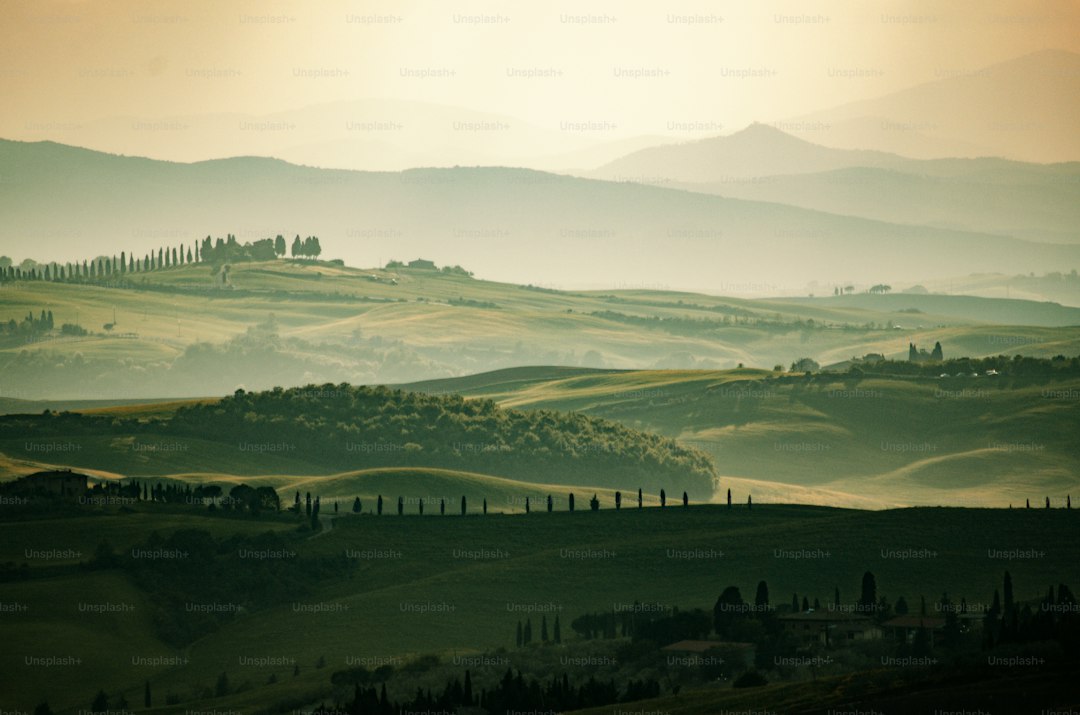
The Global Peace Index: Which Nations Lead the Way in 2026
When we look at the 2026 Global Peace Index, it’s honestly hard not to feel a bit uneasy about where things are heading. For the third year in a row, the average level of global peacefulness has dipped, and that shift isn't just a number on a page—it's showing up in how we travel and interact with the world. Iceland continues to hold the top spot, which it’s managed since 2008, but even leaders like New Zealand, currently sitting at number two, are seeing their scores move slightly as domestic polarization starts to creep in. It feels like the gap between the safest corners of the globe and the most volatile ones is wider now than it has been in two decades, creating a real split in what stability even looks like these days.
Part of this mess comes from how military spending has ballooned, hitting record highs among the countries at the bottom of the index as a massive rearmament wave takes hold. But it’s not just about traditional borders or armies anymore; we’re seeing new, weird variables like AI-generated deepfakes and cyber incidents actively dragging down peace scores. It’s wild to think that a digital campaign from halfway across the world can now destabilize a local political landscape, but that’s the reality we’re navigating in 2026. Because of this, the old way of separating internal and external conflict just doesn't work; the threats are increasingly fluid and they follow us right onto our devices.
On the flip side, there’s actually some really interesting data here if you look closely at what keeps a country afloat. It turns out that nations with higher female representation in government are seeing a clear, measurable dip in internal civil unrest, which is a detail I think we don't talk about enough. We’re also seeing that investing in an independent judicial system is acting as a genuine buffer against rising homicide rates, even when regional instability is pushing other countries toward their lowest rankings since the mid-90s. Plus, it’s becoming clear that digital literacy is our best defense against the wave of misinformation that’s currently shaking up global travel safety. It’s a lot to take in, but understanding these trends is really the only way to make sense of where it’s actually safe to go right now.
Why the United States Ranks Lower in Global Peace Assessments
If you've ever looked at the global peace rankings and wondered why the U.S. often sits lower than many of its developed peers, you're certainly not alone. It’s a bit jarring to see a global superpower lag behind on metrics that define daily safety, but when we pull back the curtain, the data tells a very specific story. The most significant drag on the U.S. score is undeniably its sky-high incarceration rate, which creates a massive strain on social cohesion that we just don't see in other high-income nations. Pair that with a civilian firearm density that is statistically off the charts compared to the rest of the OECD, and you have a recipe for elevated violent crime indicators that consistently pull down the overall safety assessment. Honestly, it’s not just one thing; it’s the way these structural issues feed into each other to create a sense of volatility that’s hard to ignore.
But look, it goes deeper than just the raw crime stats. We're seeing a real, measurable decline in trust toward public institutions, and when citizens start viewing the systems meant to protect them with deep skepticism, national stability naturally takes a hit. That internal tension is supercharged by intense political polarization, which has transformed normal public discourse into a landscape of friction, leading to a rise in civil demonstrations that the index tracks as indicators of domestic instability. It’s also worth noting that the persistent struggle with income inequality isn't just an economic talking point; sociologists have linked it directly to less community-level harmony and a breakdown in social integration. When you add in a rise in reported hate crimes, you can see how the social fabric is feeling the pressure of this fragmentation in real time.
And then there's the international side of the equation, which feels like a different kind of balancing act. Even while we focus heavily on domestic issues, the massive investment in overseas military operations and global deployments keeps the U.S. external conflict score anchored in a way that differs from more neutral or regionally-focused peers. Analysts are also keeping a close watch on the debt-to-GDP ratio, viewing that sustained military spending as a long-term risk to overall economic resilience. Combine that with a noticeable decline in the perceived freedom of speech and expression, and you get a comprehensive picture of why the U.S. struggles to climb those rankings. It’s a complex mix of systemic barriers and cultural shifts, but understanding these specific variables is the only way to really grasp why the U.S. currently sits where it does on the global stage.
Beyond Statistics: Why Personal Safety is the New Priority for Modern Travelers
We’ve spent decades obsessing over flight deals and loyalty points, but if you look at how we’re booking trips in 2026, there’s a massive shift happening under the surface. I really think we’ve moved past the point where price is the only thing that matters; today, personal safety has become the primary filter for almost every decision we make. It’s not just about avoiding a bad neighborhood anymore, but rather a deeper, more psychological need for predictability in a world that feels increasingly volatile. We’re seeing a real, measurable change in behavior where travelers are actively choosing destinations based on robust security infrastructure rather than just the lowest airfare or the most famous landmarks.
This isn't just a hunch; it’s showing up in how corporations and individuals are spending their money. Think about it: executive protection isn't just for C-suite types anymore, as we’re seeing a huge surge in demand for real-time, localized security intelligence among everyday travelers. People are essentially paying a premium for the peace of mind that comes with knowing they have a safety net, often prioritizing hotels that offer integrated emergency protocols over the standard perks we used to chase. It’s fascinating how quickly digital hygiene has become part of this, too, with more of us packing hardware security keys and using encrypted tools just to keep our data as protected as our physical selves while on the move.
And honestly, I find it really telling that we’re now viewing travel as an essential lifestyle piece that we’re willing to fund even when costs climb, provided the environment feels secure. It’s no longer just about the destination; it’s about the infrastructure behind it, from climate-resilient systems to clear, accessible crisis support. When you combine that with the way we’re relying on crowdsourced safety apps to navigate cities in real time, you get a clear picture of a traveler who is far more informed and cautious than ever before. We’ve reached a stage where being stranded without a clear plan is a bigger fear than minor theft, and that reality is forcing travel providers to stop focusing on luxury and start focusing on genuine, reliable support.
Navigating Travel Advisories: How to Interpret Global Safety Data Before You Book
When we start looking at government travel advisories, it’s really easy to feel overwhelmed, but here is how I think we should actually break them down before booking that next trip. Most of these alerts are based on a rolling twelve-month average of security incidents, which means a destination can often stay locked in a high-risk category long after things on the ground have actually quieted down. It’s also vital to remember that a country-wide advisory rarely applies uniformly to every single city or province. Think about it this way: security data is becoming incredibly granular, often highlighting perfectly safe corridors within nations that might otherwise have a blanket warning hanging over them.
But here is where it gets tricky, and where I think a lot of us get tripped up. We often conflate formal, long-term travel advisories with the short-term, urgent security alerts issued by an embassy. They are legally distinct, and your insurance provider will definitely notice the difference if you happen to run into trouble. If you rely only on those big, public-facing portals, you’re missing the nuance of real-time intelligence that can actually protect your trip. It is almost always worth registering with your home country’s emergency notification system to get those updates directly, as that’s usually where the most actionable information lives.
Honestly, we also have to be careful about how much weight we put on a single government's stance, since the U.S., the EU, and other nations often have different diplomatic priorities that color their official guidance. You might notice one country has a lower threat level for a specific region than another, and that is usually about political strategy rather than conflicting crime stats. Plus, don't forget that airspace safety is managed by totally different regulatory bodies, so a country could be considered off-limits for ground travel while its major flight paths remain perfectly standard. My advice? Look for predictive modeling from independent security firms if you want a clearer picture of potential unrest before it ever hits a headline. It’s not about being paranoid, but it is about knowing how to read the data behind the headlines so you can make decisions that actually feel smart and secure.
Finding Serenity: Identifying the World’s Most Peaceful Retreats and Destinations
When we talk about finding a true sense of calm, it's easy to get lost in the noise of typical vacation planning, but I think the real secret lies in shifting our focus toward environments designed for genuine cognitive rest. Recent data from 2026 confirms that we’re moving away from high-traffic hubs, with travelers increasingly drawn to low-density regions like Canada’s Banff and Whistler, where the high-altitude air seems to tangibly lower stress markers. It’s not just a feeling, either; we’re seeing that destinations like Slovenia are gaining serious traction by intentionally expanding their noise-free zones, which has caused visitor satisfaction rates to jump significantly. Even in places like Italy, the surge in digital detox tourism—where remote coastal villages are using clever tech to offer opt-in cellular dead zones—shows that we’re collectively craving a break from the constant ping of our devices.
I find it fascinating how different countries are engineering this sense of peace through such varied, practical infrastructure investments. Portugal, for instance, has been quietly leading the way by prioritizing acoustic privacy in its coastal accommodation design, while Switzerland remains the gold standard for sleep quality by strictly capping light pollution. If you’re looking for something more immersive, the rise of volunteer-based meditation exchanges in places like these suggests that being an active participant in a quiet space creates a much stronger mental reset than just passively sightseeing. It’s honestly worth noting that even transit choices matter; Norway’s shift toward slow-travel ferry routes is actively reducing the decision fatigue that usually turns a vacation into a logistical chore before you’ve even checked in.
But maybe the most interesting shift is how we’re now viewing our natural surroundings as a kind of clinical tool for mental health. Longitudinal studies are starting to show that the biodiversity found in parts of Latvia and Albania provides restorative benefits that rival formal meditation retreats, while Greece is seeing huge success with remote island stays that lean into non-electrified, traditional living. If you’re feeling particularly burnt out, recent observations on desert landscapes are worth looking into, as the unobstructed horizons provide a level of visual simplicity that cluttered urban environments just can't match. We’re finally starting to treat peace not just as a marketing term, but as a measurable, actionable resource that you can actually plan your next trip around. It really makes you rethink what you want from your downtime, doesn't it?
Proactive Travel Planning: Essential Safety Tips for an Uncertain Global Landscape
When we talk about staying safe in 2026, it’s honestly less about being paranoid and more about closing the tiny gaps in our habits that leave us vulnerable. I’ve been looking at how we approach these trips, and it’s clear that a little proactive planning makes a massive difference, especially when you’re navigating areas where political tensions or localized unrest can bubble up without much warning. For instance, shifting away from SMS-based two-factor authentication to hardware-based security keys can effectively neutralize nearly ninety-nine percent of the risk of someone hijacking your accounts while you’re logged into a hotel or airport Wi-Fi. It’s also smart to rethink where you stash your passport; keeping it in a dedicated tech-pouch rather than a standard wallet makes it significantly harder for pickpockets to snag it in a crowded terminal.
Think about how you move through a city once you land, too. We’ve found that simply pre-arranging a private transfer from the airport to your accommodation is one of the most effective ways to dodge predatory transport scams and avoid wandering into areas that might be experiencing a flare-up of civil tension. If you’re worried about the digital side of things, using an eSIM that routes your data through a neutral country can mask your home-nation footprint, which helps prevent those targeted phishing attempts that seem to follow travelers around these days. And honestly, don't overlook the basics—I’ve started carrying a portable carbon monoxide detector, as it’s shocking how often hospitality regulations for HVAC systems fall short in rapidly growing tourist hubs where infrastructure might not be up to code.
When you’re on the ground, having a backup plan for when the tech fails is what really separates a stressful incident from a manageable one. I always tell friends to keep a printed copy of local embassy numbers and hospital addresses in a waterproof bag, because when your phone battery dies during a power outage or a transit disruption, that physical paper becomes your literal lifeline. It’s also worth using privacy screens on your devices to stop people from harvesting your work or financial credentials while you’re working in a lounge or on a train. We’re even seeing that travelers who use localized security apps to track spontaneous gatherings can sidestep regional instability before it ever forces a change in their plans. It’s all about building these small, high-signal protocols into your routine so you can focus on the trip itself instead of worrying about what might go wrong.
Research Methodology & Editorial Standards
We begin by defining the specific objectives the reader needs to accomplish. Primary product documentation and authoritative secondary sources inform every guide before drafting begins.
Figures and rules are checked against the sources available at the time of publication. Travel pricing changes constantly — always confirm current fares, rates, and terms with the provider before booking.