
Tipping in Spain How Much to Leave at Restaurants and Bars
This guide shows you exactly how much to tip in Spain—from tapas bars and cafés to upscale restaurants and hotels—so you can avoid over-tipping like a tourist while still showing appreciation for great service.

Key takeaways
| Takeaway | Detail |
|---|---|
| Tip 5–10% at sit-down restaurants | For good service at a full-service restaurant, leaving 5–10% of the bill is common and appreciated, but never required. |
| Leave small change at tapas bars and cafés | Rounding up the bill or leaving a few coins (€0.20–€1) is the norm; no percentage tip is expected. |
| Tip in cash whenever possible | Cash is preferred because many establishments cannot add a tip to card payments; hand it directly to the server. |
| Check for "servicio incluido" before adding extra | If a service charge is already on the bill (common for large groups), no additional tip is necessary. |
| Avoid over-tipping U.S.-style | In Spain, 15–20% is excessive and not expected; locals rarely tip more than 5–10% even at fine dining. |
| Tip hotel porters and housekeeping €1–2 per bag/night | A small cash tip for porters and housekeeping is appreciated but not expected; concierge may get €5–10 for special services. |
| No tip needed for taxis, fast food, or self-service | Taxi drivers are not typically tipped (rounding up is fine), and fast-food or market stalls have no tipping expectation. |
| Tip €5–10 per person for full-day guided tours | For good service on a full-day tour, a tip of €5–10 per person is appreciated, though not mandatory. |
Useful thresholds
| Item | Rule / threshold |
|---|---|
| Sit-down restaurant tip (good service) | 5–10% of total bill |
| Tapas bar / café tip | Small change (€0.20–€1) or rounding up |
| Hotel porter / housekeeping tip | €1–2 per bag or per night |
| Full-day guided tour tip | €5–10 per person |
| Coffee at a café | €0.20–€0.50 on the saucer |
This guide shows you exactly how much to tip in Spain—from tapas bars and cafés to upscale restaurants and hotels—so you can avoid over-tipping like a tourist while still showing appreciation for great service. Whether you're grabbing a quick coffee in Madrid, enjoying a sit-down dinner in Barcelona, or checking into a hotel, you'll learn the local norms, cash preferences, and common pitfalls that save you money and awkwardness. Designed for savvy travelers who want to blend in and keep more of their travel budget, this guide reflects the latest tipping customs in Spain, where tipping is optional and locals often leave little or nothing. Recent shifts include a growing preference for cash tips over card-based gratuities, and a clearer understanding that service charges ("servicio incluido") are sometimes already included in the bill—so you never tip twice.
What’s the Rule for Tipping at Tapas Bars and Cafés?
At tapas bars and cafés in Spain, the rule is simple: leave small change — typically €0.50 to €1 per round — or nothing at all. There is no expectation to tip, and locals rarely leave more than the coins returned from their drink or food order. This applies whether you are standing at a bar in Seville, sitting at a sidewalk table in Madrid, or ordering a coffee and a tortilla at a neighborhood café in Barcelona.
The mechanism is cultural. In Spain, service staff earn a living wage, and tips are treated as a voluntary reward for good service, not a supplement to a low hourly rate. At a tapas bar, you typically order and pay at the counter or ask for the bill when finished. If you receive the check and it comes to €9.20, leaving a €10 note and telling the server to keep the change is the standard gesture. For a café con leche costing €1.80, dropping €0.20 to €0.50 on the saucer is polite but entirely optional. At a wine bar where you order several rounds of tapas and drinks, leaving the change from your order (e.g., €0.50–€1) is a common practice.
Settings and variations matter. At a busy standing-only tapas bar where you eat quickly and leave, no tip is expected at all. At a sit-down café where a waiter brings food and drinks to your table, rounding up the bill or leaving a few coins is more common. For a full meal of multiple tapas plates and drinks at a table-service bar, a tip of 5% of the total is considered generous, though still not required. If you pay by card, tip in cash directly — many establishments cannot add a gratuity to a card payment, and leaving coins on the table after paying by card is the reliable method.
The most common mistake travelers make is over-tipping based on U.S. customs. Leaving 15–20% at a tapas bar is excessive and can confuse staff. A €1 coin on a €10 tab is already a 10% tip, which is at the high end of what locals would leave. Another error is assuming a tip is included when it is not — always check the bill for "servicio incluido" before adding extra; if it appears, no additional tip is needed. At self-service cafés or fast-food counters, tipping is not practiced.
For a concrete action today: carry small-denomination euro coins and €5 notes. When you finish at a tapas bar or café, leave the loose change from your bill — €0.50 to €1 — on the table or saucer. That matches local norms, avoids over-tipping, and keeps your travel budget on track.
When Should You Tip at Hotels in Spain?

For hotel staff in Spain, tipping is more common than in restaurants but still optional. You can tip porters €1–2 per bag, housekeeping €1–2 per night, and concierges €5–10 for special services like securing hard-to-get reservations. These amounts are appreciated but never expected, and Spanish tourists themselves often tip hotel staff during their stays.
The mechanism is straightforward. Porters who carry your luggage to the room receive a small gratuity per bag, handed directly in cash upon delivery. Housekeeping tips are left in the room daily, preferably in an envelope marked "housekeeping" or left on the pillow, to ensure the right person receives it. Concierge tips are given after the service is completed, not upfront, and only for specific requests that go beyond standard assistance like booking a taxi or giving directions.
Settings and variations matter by hotel category. At a standard three-star hotel, tipping porters and housekeeping is less common but still a kind gesture. At a four- or five-star property, staff are more accustomed to receiving tips from international guests, and the amounts above align with what is considered appropriate. For a bellhop who handles multiple bags or assists with heavy luggage, €2 per bag is a reasonable upper limit. For housekeeping in a suite or after a longer stay, €1–2 per night is generous by local standards.
For a concrete action today: carry a few €1 and €2 coins in a separate pocket for hotel tipping. When a porter brings your bags to the room, hand them €1–2 per bag directly. Before you check out, leave €1–2 per night in an envelope for housekeeping. That matches local norms, avoids over-tipping, and keeps your travel budget on track.
Do You Tip Taxi Drivers or Tour Guides in Spain?

For taxi drivers in Spain, the rule is simple: rounding up to the nearest euro is the standard gesture, and a tip is never required. If your fare is €7.40, handing over €8 and telling the driver to keep the change is the common practice. For longer journeys, rounding up to the nearest euro is appreciated but still optional. Drivers in Spain earn a regulated wage and do not depend on tips for their income, so there is no social pressure to leave anything extra.
The mechanism is the same as at cafés: you receive the fare displayed on the meter, and you can choose to round up when you pay. For a €15.60 trip from the airport to central Madrid, leaving €16 or €17 is a courteous gesture but not expected. If you pay by card, ask the driver if they can add a tip to the card payment — many newer terminals allow it, but cash is the more reliable method. For a private driver or chauffeur booked through a service, a tip of 10% is more common, especially if they help with luggage.
For tour guides, the expectations are different. For a free walking tour, where the guide works for tips alone, €5–10 per person is the appropriate amount if you enjoyed the tour. For a paid group tour, tipping is not mandatory, but €5–10 per person for a full-day tour is a kind gesture for good service. For a private guide who spends the entire day with your group, €5–10 per person is generous and reflects the personalized attention. Guides in Spain may rely more on tips than restaurant staff, so your gratuity has a direct impact on their earnings.
The most common mistake travelers make is assuming a taxi driver expects a percentage-based tip like in the U.S. Leaving 15–20% on a €30 airport transfer is excessive and unnecessary. Another error is not tipping on a free walking tour at all — these guides work for tips, and leaving nothing is considered poor form. For paid tours, another mistake is tipping the guide before the tour ends; always tip after the service is complete, based on the actual experience.
For a concrete action today: carry €5 and €10 notes in a separate pocket for tour guide tips. When your taxi ride ends, round up to the nearest euro and say "keep the change." For a free walking tour, have €5–10 per person ready in cash to hand to the guide at the end. That matches local norms, respects the guide's work, and keeps your travel budget on track.
How to Avoid Over-Tipping Based on U

To avoid over-tipping in Spain, cap restaurant tips at 5–10% of the bill for sit-down meals and leave only small change — €0.50 to €1 — at tapas bars and cafés. Anything above 10% is excessive by local standards and can confuse staff. The rule is simple: tip as a voluntary reward for good service, not as a fixed percentage of the total.
The mechanism is cultural. Spanish service staff earn a living wage, and tips are not a primary income source. At a sit-down restaurant where the bill comes to €34, leaving €1.70 to €3.40 is generous. At a tapas bar where you order three rounds of drinks and small plates totaling €18, leaving the change (e.g., €0.50–€1) is the standard gesture. For a café con leche costing €1.80, dropping €0.20 on the saucer is polite but entirely optional. The key is to match local norms, not U.S. customs.
Settings and variations matter. At a casual neighborhood restaurant, rounding up to the nearest €5 or €10 is common — a €42 bill becomes €45 or €47. At an upscale restaurant in Madrid or Barcelona, 5–10% for excellent service is appreciated but still optional. At a busy standing-only tapas bar where you eat quickly, no tip is expected at all. For a full meal of multiple tapas plates and drinks at a table-service bar, a tip of 5% of the total is considered generous. If service is poor, there is no obligation to leave anything.
The most common mistake travelers make is applying U.S. tipping habits. Leaving 15–20% at any Spanish establishment is excessive. A €5 tip on a €25 meal is a 20% gratuity, which is excessive by local standards. Another error is assuming a tip is included in the bill — always check for "servicio incluido" before adding extra. If that phrase appears, no additional tip is needed. At self-service cafés, fast-food counters, or market stalls, tipping is not practiced.
Why Cash Is Preferred for Tipping in Spain
Cash is the preferred method for tipping in Spain because most establishments cannot add a gratuity to a card payment, and staff often do not receive card tips directly. You can reliably tip by leaving coins or small notes on the table, handing cash to a porter, or placing an envelope for housekeeping. This avoids the common problem of a card tip never reaching the intended person.
The mechanism is rooted in Spain’s payment infrastructure. Many point-of-sale terminals in smaller restaurants, tapas bars, and cafés do not have a tip line or a gratuity option. Even when a terminal does allow a tip, the amount is often pooled into the establishment’s general revenue rather than distributed to the specific server. Handing cash directly to the staff member ensures they receive 100% of the gratuity. For hotel staff, cash is the only reliable method because porters and housekeepers are not typically included in a card-based tip system at checkout.
Settings and variations matter. At a sit-down restaurant where you pay by card, leave the tip in cash on the table before you leave — do not add it to the card total. At a tapas bar or café, drop coins on the saucer or bar top after paying. For hotel porters, hand €1–2 per bag directly when they deliver your luggage. For housekeeping, leave €1–2 per night in an envelope marked "housekeeping" or simply on the pillow. For concierge services, hand €5–10 in cash after the service is completed. In all cases, cash in small denominations — €1, €2, and €5 — is the most practical tool.
The most common mistake travelers make is adding a tip to a card payment and assuming it reaches the server. In many Spanish restaurants, card tips are pooled or absorbed by the business, and the server may never see that money. Another error is leaving a tip on the table after paying by card without also leaving cash — the coins may be taken by the next customer or cleared by bussers who do not keep them. If you pay by card, always leave cash separately. A third mistake is assuming that a service charge on the bill ("servicio incluido") covers a tip — it does not, but if that charge appears, no additional tip is required.
For a concrete action today: withdraw €50–100 in small denominations (€1, €2, and €5 notes) from an ATM before your trip. Keep a few coins in a separate pocket for quick tips at bars and cafés. When you pay by card at a restaurant, place the cash tip on the table after signing the receipt. That method matches local norms, ensures the staff receive the gratuity, and avoids the pitfalls of card-based tipping.
What to Do If a Service Charge Is Already on the Bill

If a service charge appears on your bill in Spain, you can stop — no additional tip is needed. The charge, often labeled "servicio incluido" or "cubierto," is a mandatory fee that replaces the need for a gratuity. This is common for groups of six or more diners, where restaurants add 10–15% to the total as a standard practice. When you see this line item, the staff has already been compensated through that fee, and leaving extra is entirely optional.
The mechanism is straightforward. Spanish law treats service charges as part of the restaurant's revenue, not as a tip pool distributed directly to servers. Unlike in the U.S., where a service charge might still leave room for an additional gratuity, in Spain the "servicio incluido" is considered the full compensation for service. If you are dining alone or as a couple and see a service charge, it is likely a mistake or a tourist-oriented practice — ask the server to clarify before adding anything extra. For large groups, the charge is standard and expected, and you should not feel pressured to tip on top of it.
Settings and variations matter. At a high-end restaurant in Madrid or Barcelona, a service charge for a large party is routine, and the amount is typically printed on the bill as a separate line. At a casual tapas bar or neighborhood café, a service charge is rare unless you are part of a large reservation. If you are unsure, look for the phrase "servicio incluido" printed clearly on the menu or ask your server to explain it. In some cases, especially in tourist-heavy areas, a cover charge may be added for bread or a shared appetizer — this is not a service charge and does not eliminate the need for a tip if service was good.
The most common mistake travelers make is automatically adding a 10–15% tip on top of a service charge. This results in over-tipping and can cause confusion at checkout. Another error is not asking questions — if you see a charge you don’t recognize, politely ask the server what it covers. A third mistake is assuming that all service charges are the same across Spain; in some regions, particularly in Catalonia, service charges are regulated and must be clearly disclosed. If a service charge is applied to a small party, it may be a pricing error, and you have the right to request clarification.
For a concrete action today: always scan your bill for any line item that says "servicio incluido," "propina incluida," or "cubierto" before calculating a tip. If you see one, skip the tip entirely or leave a small token amount (€1–2) if service was exceptional. If you don’t see such a line, proceed with the standard 5–10% for sit-down restaurants or small change for bars. That method matches local norms, prevents over-tipping, and keeps your travel budget on track.
How Tipping Works in Different Spanish Cities
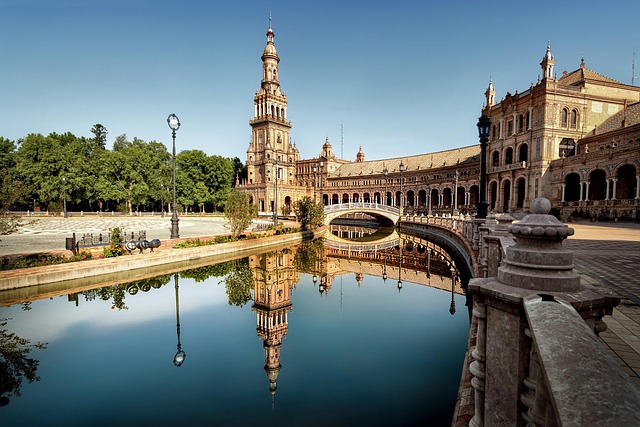
In Spain, tipping norms vary slightly by city, with regional differences reflecting local customs and the mix of tourist traffic. In Barcelona, a tip of 5–10% at restaurants is common for good service, but not mandatory. The city’s large international visitor base means some establishments may expect a higher tip from tourists, but locals still tip minimally. In Madrid, tipping is not required; leaving small change or 5–10% for exceptional service is appropriate. The capital’s dining culture emphasizes value and efficiency, so staff are less likely to expect gratuities.
The mechanism behind these differences lies in local business practices and customer expectations. In Barcelona, many restaurants in tourist zones like Las Ramblas or the Gothic Quarter may include a service charge for larger groups, while family-run tapas bars in Gràcia or Eixample follow the standard small-change norm. In Madrid, traditional tabernas and modern Michelin-starred restaurants both operate on a low-tipping model, with the focus on quality of food and service rather than gratuities. In Seville, where tapas culture is central, rounding up the bill at a bar is the most common gesture, and formal restaurants follow the same 5–10% guideline as the rest of Spain.
Settings and variations matter by neighborhood and establishment type. In Barcelona’s upscale Passeig de Gràcia, a 5–10% tip for excellent service is appropriate at both traditional Catalan restaurants and contemporary fusion spots. In contrast, in the Raval district, where many bars operate on a standing-only model, no tip is expected. In Madrid’s Malasaña district, known for its youthful bar scene, small change left on the table after a round of tapas is sufficient. In Seville’s Santa Cruz quarter, where many restaurants cater to tourists, a 5% tip is common, but locals still tip minimally or not at all.
The most common mistake travelers make is assuming that tipping customs are uniform across Spain. In Barcelona, leaving nothing at a sit-down restaurant might be misinterpreted by staff if they are used to tipping tourists, but it is still within local norms. In Madrid, leaving a large tip can draw attention and make staff uncomfortable. Another error is not adapting to the setting — at a bustling bar in Seville, leaving a €5 note on a €12 tab is excessive. The key is to observe what locals do and adjust accordingly.
For a concrete action today: when visiting a new city, watch how locals interact with the check. At a bar in Barcelona, if a local leaves the change from their tab, follow that example. At a restaurant in Madrid, if a couple pays and walks away without leaving anything, that’s the norm. In Seville, if a group orders several tapas and drinks and leaves a €1 coin on the table, that’s a safe benchmark. These observations help you tip appropriately without overdoing it.
Special Situations: Buffets, Fast Food, and Self-Service
In Spain, tipping is not expected at buffets, fast-food chains, or self-service establishments. These settings operate on a pay-at-the-counter model where service is minimal or automated. Whether you’re at a supermarket cafeteria, a McDonald’s, or a buffet-style restaurant in a shopping center, leaving a tip is not part of the local culture. Staff at these locations are typically paid hourly wages and do not rely on gratuities.
The mechanism is clear: when you pick up your food and pay at a register, there is no interaction that warrants a tip. If a staff member helps carry your tray to a table, a small gesture like leaving €0.50 on the tray is polite but not required. In some larger buffet restaurants, especially those in tourist areas, a small service charge may be added to the bill — if you see a line item like "servicio" or "cubierto," that replaces the need for a tip. Otherwise, proceed as you would in any self-service setting: pay, eat, and leave.
Settings and variations matter. At a fast-food restaurant in a city center, no tip is expected. At a supermarket deli counter, if a staff member packages your food and bags it, a nod or smile is sufficient. At a buffet in a hotel lobby, if service is included in the room rate or ticket, no additional tip is needed. In some all-inclusive resorts, tipping is discouraged entirely, and staff are trained not to expect it. The key is to recognize when service is part of the transaction versus when it goes beyond basic assistance.
The most common mistake travelers make is leaving a tip out of habit or guilt. Dropping €1 on a €7 burger at a fast-food joint is unnecessary and can confuse staff. Another error is not recognizing when a service charge has been added — at a hotel buffet, if the bill shows "servicio incluido," no extra tip is needed. A third mistake is assuming that tipping is a universal rule; in Spain, it applies primarily to full-service restaurants, bars with table service, and hotels, not to quick-service or self-serve locations.
For a concrete action today: when you visit a buffet, fast-food restaurant, or self-service café, simply pay the listed price and leave. If a staff member goes above and beyond — such as carrying multiple trays or offering special recommendations — a small coin or €1 note is a kind gesture, but it is not expected. That method matches local norms, avoids unnecessary spending, and keeps your travel budget on track.
How Tipping Varies by Restaurant Type in Spain
In Spain, tipping norms differ depending on the type of restaurant you’re in. At a formal, upscale restaurant in a major city like Madrid or Barcelona, a 5–10% tip for excellent service is appreciated but still optional. These establishments often have a higher check average, so a 10% tip can be meaningful, but it is never mandatory. In contrast, at a casual tapas bar or neighborhood café, leaving small change or rounding up the bill is the standard practice, and a percentage-based tip is not expected.
The mechanism behind these differences lies in service levels and pricing structures. Upscale restaurants typically offer full table service, including bread service, wine pairings, and attentive staff, which justifies a higher voluntary tip. Tapas bars and cafés often operate on a counter-order or quick-service model, where staff are busy and turnover is high, making small-change tipping more practical. At a family-run restaurant in a small town, tipping is even less common, and locals may not tip at all unless service is exceptional.
Settings and variations matter by establishment. In a Michelin-starred restaurant in Barcelona, a 5–10% tip is appropriate if service was outstanding, but the staff are salaried and do not depend on it. At a casual bar in Seville, if you order three tapas and two drinks for €15, leaving the €5 change is standard. In a tourist-heavy restaurant in Ibiza, a service charge may be added automatically for large groups, eliminating the need for a tip. In a local bar in Bilbao, if you order a txakoli and a pintxo for €8, leaving €1 is generous but not required.
The most common mistake travelers make is applying the same tipping percentage across all restaurant types. Leaving 10% at a €12 tapas bar tab is excessive and can make staff uncomfortable. Another error is not adjusting for service level — at a high-end restaurant, if the staff are attentive but not exceptional, a 5% tip is sufficient. A third mistake is assuming that all Spanish restaurants expect the same tipping behavior; in reality, the norm varies widely based on setting, location, and local practice.
For a concrete action today: assess the service and setting before tipping. At a formal restaurant, calculate 5–10% of the total for good service. At a tapas bar or café, round up to the nearest euro or leave small change. If you’re unsure, observe what other diners are doing or ask a local. That method matches local norms, avoids over-tipping, and keeps your travel budget on track.
Regional Differences in Tipping Across Spain
While tipping customs in Spain are generally consistent nationwide, there are subtle regional variations that reflect local business practices and cultural expectations. In Catalonia, particularly in Barcelona, some restaurants may include a small service charge or cover fee, especially in tourist-heavy areas. In Andalusia, including Seville and Granada, tipping is less common in traditional tapas bars, and locals often leave nothing at all. In the Basque Country, tipping is appreciated but not expected, and small change is sufficient even in upscale pintxo bars.
The mechanism behind these differences lies in regional tourism patterns and local business models. In Barcelona, where international visitors make up a large portion of diners, some establishments may expect a higher gratuity, but this is not the norm. In Seville, where tapas culture is deeply rooted, the focus is on the food and social experience, not on tipping. In Madrid, the capital’s diverse dining scene includes both traditional tabernas and modern gourmet restaurants, all operating under the same low-tipping standard. In Valencia, where paella is a regional specialty, tipping is optional and typically small.
Settings and variations matter by region. In Barcelona’s Gothic Quarter, if you dine at a tourist-oriented restaurant, a 5–10% tip is common, but in a local bar in Gràcia, small change is enough. In Madrid’s Malasaña district, where young locals gather, tipping is minimal. In Seville’s Santa Cruz neighborhood, if you order a few tapas and drinks for €12, leaving the €3 change is standard. In Bilbao, if you enjoy a pintxo for €3, leaving €1 is generous but not required.
The most common mistake travelers make is assuming that tipping customs are uniform across Spain. In Barcelona, leaving nothing at a sit-down restaurant might be misinterpreted by staff if they are used to tipping tourists, but it is still within local norms. In Madrid, leaving a large tip can draw attention and make staff uncomfortable. Another error is not adapting to the setting — at a bustling bar in Seville, leaving a €5 note on a €12 tab is excessive. The key is to observe what locals do and adjust accordingly.
For a concrete action today: when visiting a new region, watch how locals interact with the check. At a bar in Barcelona, if a local leaves the change from their tab, follow that example. At a restaurant in Madrid, if a couple pays and walks away without leaving anything, that’s the norm. In Seville, if a group orders several tapas and drinks and leaves a €1 coin on the table, that’s a safe benchmark. These observations help you tip appropriately without overdoing it.
Common Mistakes and How to Avoid Them
Travelers often make several common mistakes when tipping in Spain, leading to either over-tipping or under-tipping. The most frequent error is applying U.S. tipping habits, such as leaving 15–20% at restaurants, which is excessive and not expected in Spain. Another mistake is not checking for "servicio incluido" on the bill, which can result in double-tipping. Some travelers also tip at fast-food or self-service locations, where it is not customary. Additionally, leaving large tips at casual bars or cafés can make staff uncomfortable, as it goes against local norms.
The mechanism behind these mistakes is a lack of familiarity with Spanish tipping culture. In the U.S., tipping is a social obligation and often expected, whereas in Spain, it is optional and typically lower. When travelers assume that tipping customs are universal, they may overtip out of habit or guilt. Another issue is confusion over service charges — some travelers do not realize that a "servicio incluido" line item means no additional tip is needed. At self-service locations, tipping is not practiced, and leaving money can cause confusion.
Settings and variations matter. At a sit-down restaurant in Madrid, leaving 10% is generous but acceptable. At a tapas bar in Barcelona, leaving €5 on a €12 tab is excessive. In a fast-food restaurant in Seville, leaving any tip is unnecessary. The most common mistake is not observing local behavior before tipping. Another is not asking questions when uncertain — if you see a charge you don’t recognize, politely ask the server what it covers. A third mistake is assuming that all Spanish restaurants expect the same tipping behavior; in reality, the norm varies based on setting, location, and service level.
For a concrete action today: always scan your bill for any line item that says "servicio incluido," "propina incluida," or "cubierto" before calculating a tip. If you see one, skip the tip entirely or leave a small token amount (€1–2) if service was exceptional. If you don’t see such a line, proceed with the standard 5–10% for sit-down restaurants or small change for bars. That method matches local norms, prevents over-tipping, and keeps your travel budget on track.
Final Checklist for Tipping in Spain
To ensure you tip appropriately in Spain, follow this final checklist before leaving any establishment. First, check your bill for any service charge labeled "servicio incluido," "propina incluida," or "cubierto" — if present, no additional tip is required. Second, assess the type of service you received: at a sit-down restaurant, a 5–10% tip is appropriate for good service; at a tapas bar or café, leave small change or round up the bill. Third, always tip in cash, as card tips may not reach the staff directly. Fourth, avoid over-tipping based on U.S. customs — 15–20% is excessive in Spain. Fifth, observe what locals do and adjust accordingly. Finally, carry small denominations of euros for tipping, and keep a separate pocket or envelope for tips to avoid confusion.
By following these steps, you can navigate Spain’s tipping culture with confidence, showing appreciation for good service without overdoing it. Remember, tipping in Spain is about kindness, not obligation, and locals appreciate when visitors respect their customs. Whether you’re dining in a Michelin-starred restaurant or grabbing a quick bite at a bar, these guidelines will help you tip appropriately and blend in with the locals.
Ultimately, the goal is to be respectful, observant, and practical. Spain is a country where hospitality is valued, and a small gesture of appreciation goes a long way. By understanding the nuances of tipping in different settings and regions, you can enjoy your travels with peace of mind, knowing you’re handling money matters like a savvy traveler.
Now that you have a clear understanding of how and when to tip in Spain, you’re ready to explore the country with confidence. From the bustling streets of Madrid to the charming alleys of Seville, you can navigate the dining and hospitality scenes with ease, tipping appropriately and respectfully. Safe travels, and enjoy every moment of your Spanish adventure.
Also worth reading Mastering Tipping in France When Tipping in Spain: When to Leave Tipping in Italy A Complete Guide The Essential Guide to Tipping in
Quick answers
What’s the Rule for Tipping at Tapas Bars and Cafés?
At tapas bars and cafés in Spain, the rule is simple: leave small change — typically €0.50 to €1 per round — or nothing at all. If you receive the check and it comes to €9.20, leaving a €10 note and telling the server to keep the change is the standard gesture.
When Should You Tip at Hotels in Spain?
You can tip porters €1–2 per bag, housekeeping €1–2 per night, and concierges €5–10 for special services like securing hard-to-get reservations. Before you check out, leave €1–2 per night in an envelope for housekeeping.
Do You Tip Taxi Drivers or Tour Guides in Spain?
For a private driver or chauffeur booked through a service, a tip of 10% is more common, especially if they help with luggage. The most common mistake travelers make is assuming a taxi driver expects a percentage-based tip like in the U.S. Leaving 15–20% on a €30 airport trans...
How to Avoid Over-Tipping Based on U?
To avoid over-tipping in Spain, cap restaurant tips at 5–10% of the bill for sit-down meals and leave only small change — €0.50 to €1 — at tapas bars and cafés. At a tapas bar where you order three rounds of drinks and small plates totaling €18, leaving the change (e.g., €0.50...
Why Cash Is Preferred for Tipping in Spain?
Handing cash directly to the staff member ensures they receive 100% of the gratuity. For housekeeping, leave €1–2 per night in an envelope marked "housekeeping" or simply on the pillow.
What to Do If a Service Charge Is Already on the Bill?
This is common for groups of six or more diners, where restaurants add 10–15% to the total as a standard practice. The most common mistake travelers make is automatically adding a 10–15% tip on top of a service charge.
Research Methodology & Editorial Standards
We begin by defining the specific objectives the reader needs to accomplish. Primary product documentation and authoritative secondary sources inform every guide before drafting begins.
Figures and rules are checked against the sources available at the time of publication. Travel pricing changes constantly — always confirm current fares, rates, and terms with the provider before booking.