
The Ultimate Guide to Exploring the Best of the Croatian Coast
Getting around the Dalmatian Coast is one of those things that sounds incredibly romantic until you’re staring at a ferry schedule that just got canceled because of a sudden Bora wind.
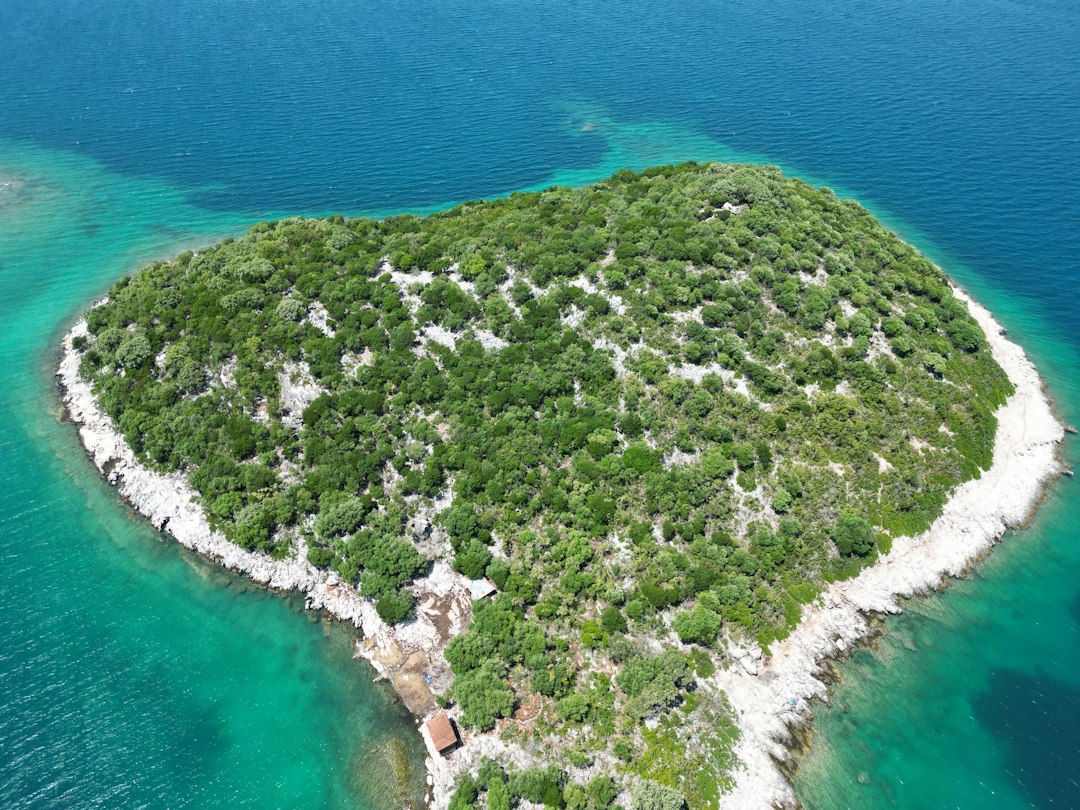
Navigating the Dalmatian Coast: Getting There and Getting Around
Getting around the Dalmatian Coast is one of those things that sounds incredibly romantic until you’re staring at a ferry schedule that just got canceled because of a sudden Bora wind. I’ve spent enough time in the Adriatic to know that this isn't your typical cruise-port experience; with over 1,200 islands and a submerged mountain range topography, the water depths here can drop off a cliff just meters from the shore. You really need to keep a close eye on your depth sounder if you’re charting your own course. If you’re relying on the Jadrolinija state ferry fleet, keep in mind that their schedules are strictly seasonal and can change in an instant when the weather turns. Honestly, I’ve found that checking the local wind reports is just as important as checking the ticket office.
When you’re planning your transit, think about how you want to move between these islands. We’re seeing a big shift toward smaller, high-end boutique ships like the 36-guest MV Aretis, which can tuck into those tiny, shallow harbors that the giant cruise liners can’t even dream of touching. It’s a completely different way to see the coast, especially if you’re interested in staying in one of those historic lighthouses turned into boutique hotels. Just know that getting to those spots often requires arranging a private boat transfer, as they’re usually sitting on isolated, wind-exposed rocks that aren't exactly on the main ferry routes. It’s worth the extra logistics, but don't expect a simple walk-on experience.
If you’re worried about staying connected while you’re island-hopping, you’ll be happy to know that things have gotten a lot better lately. Low-Earth orbit satellite internet has basically changed the game for anyone on a boat, providing actual, usable speeds in remote spots where your phone signal would have died years ago. And if you’re worried about the administrative side of things, like medical coverage, don't just assume your standard travel insurance covers an emergency maritime evacuation in a remote cove. Take a second to verify that before you head out, especially since facilities in the smaller island towns can be pretty limited. It’s a beautiful, wild part of the world, but it’s a place that rewards people who do their homework before they leave the dock.
Beyond the Crowds: Discovering Croatia’s Best Under-the-Radar Islands
I’ll be honest, once you move past the well-trodden paths of Hvar or Brač, you realize that the real magic of the Adriatic is hiding in plain sight on islands that many travelers simply overlook. If you’re like me and crave that genuine quiet you can’t find in the major ports, you’ll want to prioritize places like Mljet, which is easily the greenest spot in the region with over 70 percent of its land covered in dense Mediterranean forest. It’s not just the trees, either; the island boasts a fascinating saltwater lake system that creates a unique tidal phenomenon you won't see anywhere else. Or consider Vis, which feels like a time capsule because it was essentially a closed military base for forty years, keeping it shielded from the kind of modern development that changed the rest of the coast.
If you’re chasing a different kind of experience, look toward Lastovo, which is arguably the darkest place in the Mediterranean. It’s officially a Dark Sky Park, and honestly, the name Island of Bright Stars is no exaggeration when you’re standing there at midnight. For a complete change of pace, you might wander over to Silba, where motorized vehicles are strictly banned, meaning your only mode of transport is your own two feet or a wheelbarrow. It forces you to slow down in a way that feels almost unnatural at first, but you’ll settle into the rhythm of it pretty quickly. Then there’s Susak, which is a total geological outlier; while the rest of the coast is jagged limestone, this island is made entirely of fine sand and silt, giving you an entirely different beach aesthetic to explore.
I’m also fascinated by places like Zlarin, where the tradition of harvesting coral isn't just a gimmick, but a protected craft that defines the local identity. If you want something even more surreal, Brijuni National Park is a complete anomaly, hosting a safari park filled with the descendants of animals that were originally gifted to historical figures—it’s genuinely bizarre to see zebras roaming in the middle of the Adriatic. Meanwhile, the Kornati Archipelago offers a masterclass in marine conservation, as the area has been protected since the eighties to keep the ecosystem from collapsing under the weight of overfishing. Even Vrgada stands out with its reddish-gold sand, which is a stark, refreshing contrast to the blinding white pebble beaches that dominate the mainland. You really have to do the legwork to reach these spots, but that’s exactly why they’ve managed to stay so special.
Coastal Culinary Delights: Where to Eat and What to Order
When you finally drop anchor or dock in these historic ports, you’ll quickly realize that the local food scene is just as rugged and refined as the karst landscape itself. Honestly, I’ve found that the real magic here isn't in the white-tablecloth spots, but in understanding how the geography dictates what lands on your plate. Take the European flat oyster from Mali Ston; they thrive in brackish waters fed by the Neretva River, and you really shouldn't mess with them—just a squeeze of lemon is all you need to taste that mineral-rich punch. It’s a stark contrast to the heavy, slow-braised Peka dishes you’ll find inland, where that bell-shaped iron lid creates a steam-pressure environment that turns tough octopus or lamb into something practically buttery.
If you’re wondering what to pair with those meals, the local wine situation is surprisingly sophisticated. You’ll see Plavac Mali everywhere, which is a genetic cousin of Zinfandel, and it makes perfect sense because those vines are practically baked by the sun on those steep, south-facing coastal hills. But keep an eye out for the Istrian olive oils too; they consistently rank among the world's best because the cooler climate forces the olives to pack in way more polyphenols than you’d get in a hotter region. And don't skip the Pag cheese if you see it on a menu. It’s made from sheep that graze on wild sage and rosemary, and because of those harsh northern winds spraying salt over the brush, the cheese carries a distinct, sharp salinity that you just can't replicate anywhere else.
It’s also worth noting that the seasonality here is no joke, especially when you’re hunting for staples like wild asparagus, which locals forage from the scrublands every spring. If you’re at a market, you’ll likely see Kvarner scampi, which are legitimately world-class because they grow in cold, nutrient-rich water upwellings that keep the meat incredibly sweet and firm. Just be a bit mindful of where your sea bass comes from; while it’s a staple, the best stuff is sourced from offshore mariculture cages that follow strict EU standards to keep the water clean. It’s easy to get distracted by the view, but honestly, putting in the effort to seek out these specific local ingredients transforms a standard dinner into a real masterclass on the Adriatic ecosystem.
Historic Port Cities and Hidden Gems: A Guide to Mainland Highlights
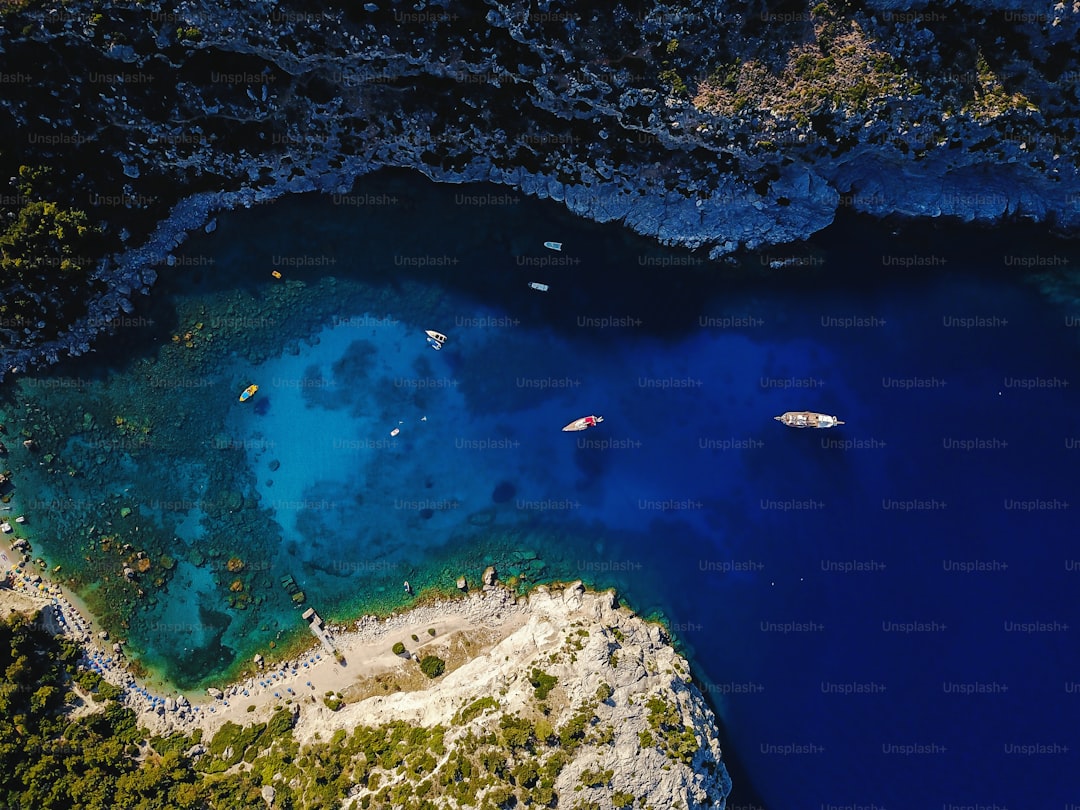
When we talk about the Adriatic, it’s easy to get swept up in the island-hopping narrative, but honestly, some of the most profound history is anchored right on the mainland. I think of places like Rijeka, which serves as a vital maritime gateway; if you climb up to Trsat Castle, you’re standing 138 meters above sea level on a site that’s been strategically occupied since the Roman era. Then there’s the Mrtvi Kanal, a former main port basin that’s now a tranquil spot for local fishing boats, offering a much slower pace than the busier hubs nearby. You really start to see the defensive ingenuity of this coast when you visit the Nehaj Fortress in Senj, a 16th-century marvel built from the stones of ruined churches to ward off incursions. It’s this kind of raw, historical resilience that makes the mainland feel so much more grounded than the typical tourist trail.
Moving south, the sheer engineering brilliance of these coastal settlements is honestly staggering. Take the Cathedral of St. James in Šibenik, which is constructed entirely of stone slabs that interlock without a single piece of wood or brick, a feat that still baffles modern architects. I love how Zadar blends this ancient gravity with modern physics through its Sea Organ, a hydraulic structure using 35 pipes to turn the movement of the tides into a haunting, harmonic soundscape. If you want to see where royalty once gathered, Nin is a must, specifically for the Church of the Holy Cross; it’s widely considered the smallest cathedral in the world and carries a weight of history that belies its tiny size. It’s these specific, tactile details that remind me why I prefer wandering the mainland over sitting on a crowded beach.
If you’re the type who enjoys a dramatic geographical backdrop, the convergence of mountain and sea along the mainland is hard to beat. Look at Makarska, tucked right at the base of the Biokovo range, where Sveti Jure towers at 1,762 meters, often holding onto its snow while you’re enjoying a warm Mediterranean afternoon down by the water. Or consider Omiš, where the Cetina River cuts a massive, jagged canyon that pirates once used to hide their ships, turning what looks like a serene landscape into a former tactical stronghold. Even a place like Karlobag offers a lesson in local meteorology, as it sits directly under the Velebit pass—the primary wind tunnel for those intense Bora winds that define life on the coast. Whether you’re diving into the submerged archaeological remains near the Rat Peninsula in Cavtat or exploring the medieval walls of Trogir, the mainland is less about "sights" and more about understanding the complex, often rugged, relationship between the people and this wild landscape.
Choosing Your Perfect Island Escape: From Vibrant Vistas to Quiet Coves
When we talk about choosing your perfect island escape in the Adriatic, it really comes down to whether you want the social pulse of a vibrant port or the quiet isolation of a rugged cove. I’ve found that the trade-off is almost always geological; for instance, if you’re chasing that iconic, blinding white architecture, you’re likely looking at islands like Brač, which is the sole source of the high-density limestone used to build Diocletian’s Palace. It’s an incredible bit of engineering history that carries more than just aesthetic weight. On the flip side, if you want something that feels truly removed from the modern world, you might head toward Dugi Otok, where the Veli Rat lighthouse stands as a 42-meter sentinel coated in a traditional egg-white varnish to survive the salt spray.
The character of these islands is often dictated by their specific limitations, which honestly makes them more interesting to visit. Take Kaprije, for example, where a total lack of natural springs forced the locals to develop a sophisticated, centuries-old network of stone cisterns for rainwater harvesting that you can still see today. It’s a completely different rhythm compared to islands like Šolta, where the local apiary culture thrives on wild rosemary to produce a distinctively dark, phenolic-rich honey you won’t find anywhere else. Or look at the contrast between the surreal, light-refracting blue of the Modra špilja on Biševo and the hidden, subterranean world of the Biserujka cave on Krk, which houses rare pseudoscorpions that have evolved to live only in those deep limestone fissures.
I really suggest you look at what drives the local culture before you set your itinerary, because these aren't just vacation spots. If you’re a fan of history and craftsmanship, the Betina model of wooden shipbuilding on Murter is a masterclass in stability design, meant to handle the exact currents you’ll be sailing through. Then there’s the surreal, rugged edge of places like Palagruža, which is so remote it’s technically closer to Italy, or the military history of Vis with its deep, heat-defying bunker systems. Even the soil composition matters; from the iron-rich clay used in Iž’s signature ceramics to the rare saline-loving flora on Palagruža, the geology here shapes everything. Whether you choose a place where you can hike through dry-stone wall labyrinths on Olib or explore a cliffside library at Pustinja Blaca on Brač, you’re going to find that the best islands are the ones that force you to slow down and notice how the environment really works.
Timing Your Trip: Why Spring and Early Summer Are Ideal for Coastal Exploration
If you’re trying to pin down the absolute best window to experience the Croatian coast, I’ve found that aiming for the sweet spot between April and June is a total game-changer. Let’s dive into why: the Adriatic undergoes a rapid thermal shift during these months, with sea temperatures climbing from a brisk 15°C in April to a much more inviting 22°C by late June. You’re also avoiding the chaotic, high-velocity Bora winds that tend to make winter navigation a bit of a headache, meaning you get much calmer seas for island hopping. Plus, the air temperature stays right around that 22°C mark, which is perfect for hiking or exploring those limestone port towns without feeling like you’re melting under the mid-summer sun. It really makes the difference between a relaxing adventure and one where you're constantly seeking shade.
Beyond just the weather, there’s a biological pulse to this coast that you’ll miss if you wait until the peak of July or August. May is when Mediterranean flora hits its peak bloom, and honestly, the scent of pine resin and wild rosemary hanging in the air is something you have to experience to believe. You’ll also notice the water clarity is significantly better this time of year because the sea grass meadows, which act as natural filters, are in their primary growth phase and haven't been stirred up by the high-density boat traffic that arrives later in the season. If you’re into wildlife, the migratory bird patterns along the island corridors are at their most active, and you'll find the local marine life, like the noble pen shell, is much more visible in the shallows as the water warms up.
Think about the light, too; by early summer, we’re getting up to 15 hours of daylight, which gives you a massive advantage for catching those specific light-refraction phenomena in the famous coastal sea caves. Because the massive runoff from the Dinaric mountain snowmelt has already cleared out by late spring, the water turbidity near the river deltas drops, leaving you with that signature, crystalline Adriatic blue. And here is the real kicker: you’re dodging the intense pressure differentials that trigger those heavy thermal winds later in the year, keeping your travel plans much more predictable. Honestly, if you want the best of both worlds—the vibrant energy of a coastal awakening and the peace of an ecosystem that isn't yet overwhelmed by crowds—this is the window you should be targeting. It just makes the whole trip feel a lot more grounded and authentic.
Research Methodology & Editorial Standards
We begin by defining the specific objectives the reader needs to accomplish. Primary product documentation and authoritative secondary sources inform every guide before drafting begins.
Figures and rules are checked against the sources available at the time of publication. Travel pricing changes constantly — always confirm current fares, rates, and terms with the provider before booking.