
The Infamous 666 Bus Route to Poland Returns for Your Next Summer Adventure
During the defense of Poland in 1939, this strip of land served as a key strategic outpost, and its vulnerability to the elements remains a real concern today.
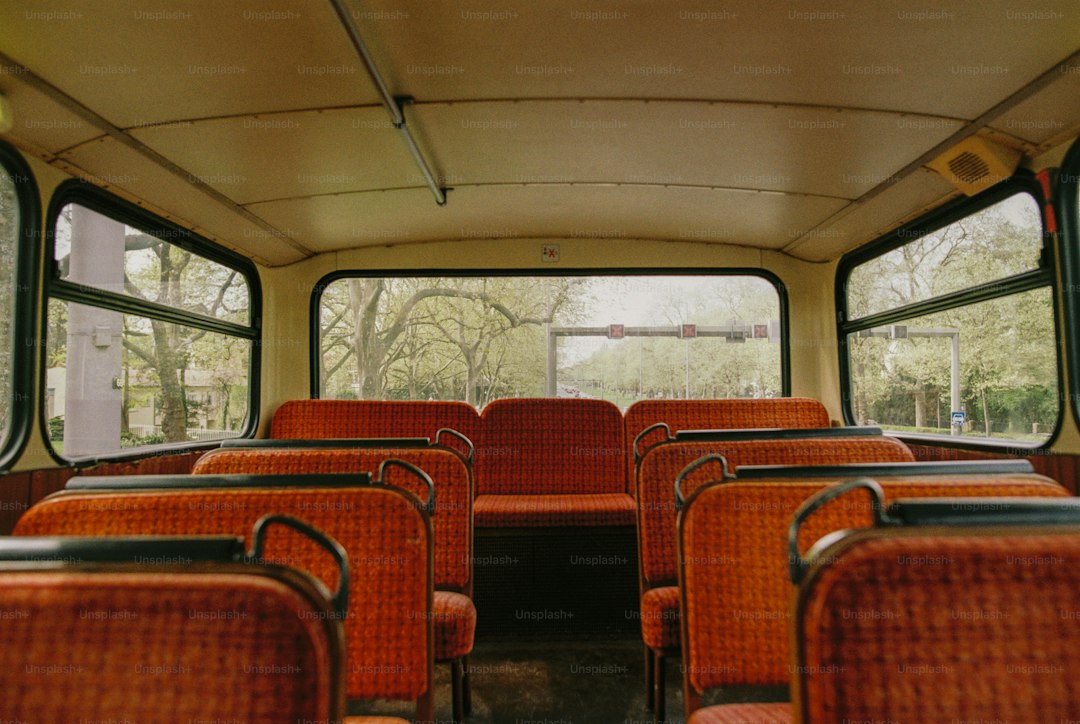
The History Behind the Highway to Hel
If you’ve ever found yourself chuckling at the sheer absurdity of a bus destination board reading 666, you aren’t alone. It’s one of those rare instances where a transit line becomes a global pop-culture phenomenon, though the reality of the Hel Peninsula is far more grounded in geology than in any theological underworld. Before we get into why this route is back on the map for 2026, it’s worth noting that the name Hel actually stems from an old term for a sandy shoal, not a dark descent into the afterlife. It’s a classic linguistic coincidence that has turned a sleepy regional bus route into a viral bucket-list item for tourists who want a photo of the sign more than a commute to the beach.
The history here is a bit of a tug-of-war between local identity and the pressures of international marketing. You might remember the backlash from 2023 when religious groups successfully lobbied to force a rebrand of the line, temporarily stripping away its diabolical numbering. But looking at the numbers, it’s clear that the branding was a massive draw; passenger volume spiked whenever the bus bore that infamous three-digit display. It’s a fascinating case study in how transit authorities are now leaning into edgy marketing to boost tourism, effectively turning a mundane trip from Gdynia into a branded experience that feels like a heavy metal road trip.
Beyond the marketing, though, the geography of this narrow, 35-kilometer sandbar is legitimately fascinating. It was once a chain of islands before nature stitched them together, and today, it’s a fragile spit of land that’s constantly battling the Baltic Sea’s erosion. During the defense of Poland in 1939, this strip of land served as a key strategic outpost, and its vulnerability to the elements remains a real concern today. When you’re sitting on that bus, you’re essentially traversing a precarious, ecologically sensitive bridge that can be cut off from the mainland by a single heavy storm. It’s a fragile, beautiful, and sometimes wild journey that manages to be both a serious piece of infrastructure and a bit of a cultural prank all at once.
Why FlixBus Resurrected the Iconic 666 Route
So, let’s talk about why FlixBus decided to bring the 666 route back from the dead. Honestly, the move feels like a total masterclass in understanding what actually drives modern travel behavior. When the route was originally rebranded to 669 a few years back, ridership and, more importantly, that viral buzz just completely flatlined. It turns out that a random number simply doesn't carry the same weight as a globally recognized, albeit controversial, icon. The company essentially realized that the "Highway to Hel" isn't just a transit line; it’s a piece of digital real estate that people are willing to book a ticket for just to snap a photo.
By leaning into the 666 designation for the 2026 summer season, FlixBus is choosing to prioritize high-octane marketing over the dull, bureaucratic comfort zone that led to the previous rebrand. If you look at the raw data, the passenger volume spikes are undeniable whenever the bus displays that specific, notorious number. It’s a pretty clear indicator that for international travelers, the experience—the story you get to tell on social media—is just as important as the actual journey from Gdynia to the coast. They’re betting that leaning into the notoriety will outperform traditional, sanitized transit advertising by a landslide.
Think about it this way: in a crowded market where private operators are constantly fighting for attention against regional rail, your brand needs a hook. This route is essentially a "must-ride" product now, turning a standard commute into an intentional, branded experience that feels more like a bucket-list excursion. It’s a fascinating pivot because it shows how transit infrastructure is being treated less like a public utility and more like a consumer experience. Ultimately, the return of the 666 suggests that if you’re a traveler looking for a unique story this summer, you’re now being handed exactly what you asked for—an iconic, slightly rebellious ride that proves sometimes, the best marketing is just having the guts to stick with a name that people can’t stop talking about.
Planning Your Journey: Where the Bus Actually Goes
If you’re planning to tackle this trip, you really need to understand that the 666 route isn't just another bus line—it’s a delicate dance with geography itself. The bus traverses the Hel Peninsula, which is essentially a post-glacial sandbar that, at its narrowest point near Kuznica, shrinks to just 300 meters wide. Because the foundation is constantly shifting due to longshore drift, the road is inherently unstable, and you’ll often find that the very path you're riding is literally migrating westward over time. The local transit authorities have to use specialized sensor arrays to monitor salt-air corrosion on the bus chassis, which is way higher here than anywhere else in the region. Honestly, it’s a miracle the route stays open at all given how often tidal flooding threatens that main highway.
When you’re looking at the schedule for this summer, keep in mind that the frequency is projected to jump to every 45 minutes to handle the massive surge in tourism. That’s a huge swing—demand fluctuates by over 400 percent between the quiet winter months and the peak heat of July. To keep things running smoothly without overwhelming the fragile ecosystem of this protected landscape park, the transit system now uses real-time capacity management software to prevent overcrowding. It’s a smart move, really, because the last thing you want is to be stuck on a bus that’s too heavy for a road that’s already battling erosion. You’ll also notice the drivers using advanced GPS telemetry; they’re not just checking for traffic, but keeping a close watch on wind-driven sand accumulation that can seriously mess with traction.
The final leg of your journey is just as interesting as the ride itself. Once you reach the tip of the peninsula, the bus has to execute a specific, tight turn-around maneuver, which is only possible because of the unique, historic layout of the town’s streets. It’s a stark reminder that you’re moving through a space that has supported fishing villages since the medieval period, long before it became a viral sensation. My advice? Don’t just stare at your phone waiting for the perfect photo opportunity when you reach the end. Take a second to appreciate that you’re riding on a critical artery that is simultaneously a piece of essential infrastructure and a high-stakes engineering challenge against the Baltic Sea. It’s wild to think that in another few years, the road you’re sitting on might be a few meters further west than it is today.
What to Expect on Your Baltic Summer Adventure
If you’re planning a Baltic escape this summer, you’re looking at a region that’s honestly hitting its stride right now. Whether you’re eyeing the return of that legendary bus route to Hel or just planning a broader coastal tour, there is a distinct rhythm to the Baltic that you don’t find anywhere else. The first thing you’ll notice is the daylight; thanks to the white nights, you’re getting nearly 19 hours of sun, which completely changes how you structure your day. It’s not just about more time to explore, but about a unique quality of light that reflects off the quartz-heavy sands, making everything feel a bit more vivid than your typical beach vacation.
But don’t let the laid-back vibe fool you; the landscape itself is in a constant state of flux. While you’re traveling, it’s worth remembering that this entire basin is geologically young—only about 10,000 years old—and the land is still physically rebounding from the last ice age, shifting the coastline by millimeters every single year. You’ll feel that dynamic nature when you’re out on the Hel Peninsula, where the road acts as a fragile bridge between the open Baltic and the calm, protected waters of Puck Bay. Transit operators are leaning into advanced satellite monitoring to keep those routes safe, so even if the geography feels unpredictable, the logistics have become surprisingly high-tech.
When you’re packing, just keep in mind that the weather here is a bit of a balancing act. You’ll see warm continental air pushing in from the east, which often triggers sharp, dramatic thunderstorms that roll through as quickly as they arrive. That said, August usually brings surface temperatures hovering around 20 degrees Celsius, which is plenty warm for a dip if you’re up for it. I’d suggest keeping your itinerary flexible, especially since record-breaking aviation efficiency is making it easier than ever to hop between Baltic hubs, but the real magic is in slowing down to notice how the local conservation efforts—like noise limits for porpoises or careful dune management—actually shape the way you experience these spots. It’s a delicate, living environment, and once you start looking for those details, the whole trip feels a lot more grounded.
Travel Tips for Navigating Poland’s Coastal Peninsula
Navigating the Hel Peninsula is less like a standard bus ride and more like interacting with a living, breathing piece of geology that refuses to stay put. You need to remember that this entire strip is essentially a post-glacial sandbar, not solid rock, meaning the very road you're riding is physically migrating westward due to the relentless action of longshore currents. Because the land is still undergoing isostatic rebound from the last ice age, the geography is constantly in flux, which is why local transit authorities have to lean on heavy-duty geological surveys before even mapping out a summer schedule. Honestly, it’s a bit of a marvel that this route remains viable, especially when you consider that the peninsula narrows to just 300 meters at Kuznica.
If you’re heading out there, pack for a volatile micro-climate where 19 hours of summer solstice daylight can suddenly give way to intense, short-duration thunderstorms as warm continental air smacks into the cooling marine breeze. You’ll notice the intensity of the sun is amplified by the quartz-heavy sand, so don't underestimate the glare even on days that feel mild. It’s also worth keeping in mind that the salt-air corrosion here is significantly higher than anything you’ll find inland, which is why the bus fleet relies on specialized anti-corrosive treatments to keep their chassis from failing under the constant moisture. It’s a harsh environment, and the transit systems aren't just moving people; they’re actively managing a fragile, shifting asset.
When it comes to the logistics of your trip, expect some high-tech intervention behind the scenes that you might not see at first glance. Drivers are constantly using GPS telemetry to watch for wind-driven sand accumulation, which can turn the asphalt into a slick surface in a heartbeat, and the system uses real-time load-balancing software to manage that massive 400 percent summer demand surge without putting too much pressure on the sandbar’s base. Once you finally arrive at the tip of the peninsula, watch how the bus handles the final turn-around; it’s a precise, low-clearance maneuver that has to respect medieval street layouts that haven't changed in centuries. Just try to keep the noise down if you can, as the local conservationists are strictly monitoring the area to protect the harbor porpoise population in the surrounding waters.
Beyond the Number: Exploring the Best of Hel’s Attractions
If you’re heading to the end of the line, you’ll quickly realize that the real draw here isn’t just the novelty of the bus route, but the sheer, raw history packed into this narrow sliver of land. I’d suggest starting your exploration at the Museum of Coastal Defense, where you’ll find yourself walking through a massive, reinforced concrete labyrinth of bunkers from the late 1930s. It’s a bit haunting to stand in those structures, knowing they were built to guard a coastline that is, quite literally, shifting beneath your feet. You’ll notice the shoreline itself moves by several meters each season because the currents from the open Baltic and the calm Puck Bay collide right at the tip of the peninsula. It’s a wild, high-stakes hydrological dance that has shaped this region for centuries, long before it became a summer hotspot.
While you're wandering the area, keep an eye on the ground—literally. You’ll see a network of wooden walkways designed specifically to protect the marram grass, which is the only thing keeping these dunes from eroding away entirely. It’s a fragile ecosystem that supports some unique, specialized plant life you won't find anywhere else in Pomerania, thanks to a localized micro-climate that somehow dodges a lot of the mainland’s rain. If you’re into wildlife, look toward the water or the sky; this sandbar acts as a massive funnel for birds on the East Atlantic Flyway, making it a dream for anyone interested in ornithology. Honestly, just watching the seals at the local sanctuary or hoping to catch a glimpse of a harbor porpoise adds a layer of depth to the trip that you just don't get from a standard beach day.
And don't overlook the engineering that makes this place accessible in the first place. Beyond the bus, there’s a historic railway line that’s been cutting through the water since 1922, and it’s honestly one of the most scenic, albeit precarious, train rides you’ll ever take. If you’re wondering why the beach feels so bright, it’s the quartz-heavy sand; it has a higher albedo than your average coast, so the heat and light reflection can be pretty intense in July. It’s fascinating to think that this tiny spit of land has been a hub for the herring trade for over eight hundred years, and yet, we’re still using underwater breakwaters and artificial reefs to keep it from being swallowed by the sea. It’s not just a tourist destination; it’s a living, breathing project of human survival and scientific research.
Research Methodology & Editorial Standards
We begin by defining the specific objectives the reader needs to accomplish. Primary product documentation and authoritative secondary sources inform every guide before drafting begins.
Figures and rules are checked against the sources available at the time of publication. Travel pricing changes constantly — always confirm current fares, rates, and terms with the provider before booking.