
Tipping in Mexico Your Complete Guide to When and How Much
And here’s where it gets messy: Danny Meyer, the guy who famously banned tipping at his restaurants in 2015, quietly brought it back in 2020.
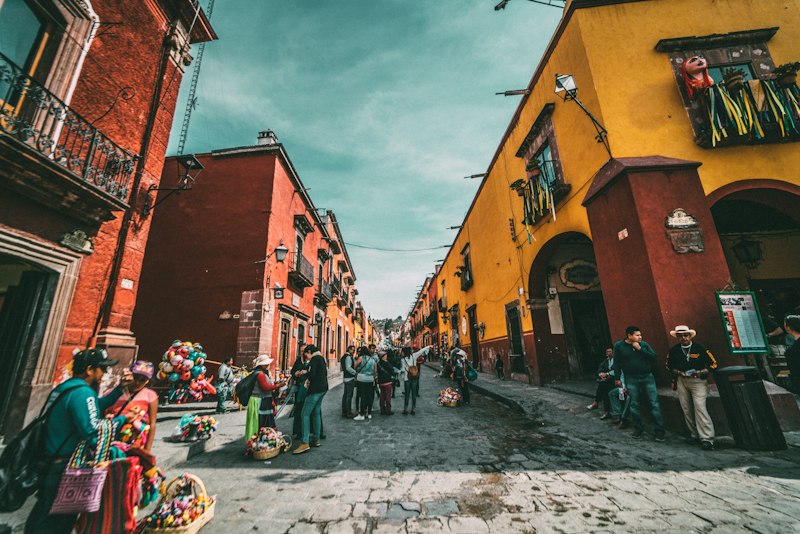
Tipping at Restaurants and Bars
Let’s be real for a second: tipping at restaurants and bars isn’t really about rewarding great service anymore. It’s about making sure the person who handed you a beer can actually pay rent. In the U.S., the federal cash wage for tipped workers has been frozen at $2.13 an hour since 1991, which means tips aren’t a bonus — they’re the paycheck. And that viral TikTok from a Texas waitress who worked 70 hours only to net $9.28 after taxes? That’s not an outlier, it’s the system working exactly as designed. I remember seeing that video and thinking, “How is this still legal?” But it is, and that reality shapes everything about how we tip, whether we’re in New York or Nuevo Vallarta.
Now, you’d think the more you pay, the better the service — but behavioral economics tells us otherwise. Studies have consistently found that larger tips don’t actually correlate with objectively better service; instead, they correlate with guilt, social pressure, and the awkwardness of a tablet screen spinning toward you with 18, 20, or 25 percent pre-selected. That’s “tip fatigue,” and it’s real. We’re now seeing people tip at counter-service coffee shops and fast-food joints — nearly one in five Americans did it in a 2023 survey — a behavior that was almost unheard of ten years ago. And here’s where it gets messy: Danny Meyer, the guy who famously banned tipping at his restaurants in 2015, quietly brought it back in 2020. He also switched to a pooled tip system shared between front and back of house, which more restaurants are adopting, but that raises its own questions about fairness and transparency.
So what does all this mean for tipping in Mexico? The norms are different, but the underlying economics are starting to converge. In Mexico, the standard is 10 to 15 percent of the pre-tax bill, and here’s the catch many travelers miss: that tip is almost always expected in cash, even if you’re paying by card. I’ve seen tourists leave a card slip with a 15 percent tip written in, only to have the server never see a peso because the restaurant pockets the electronic gratuity. Some Mexican restaurants also add a mandatory 10 percent “propina” for groups of six or more — it’s not a government tax, it’s policy, and whether that goes entirely to staff varies wildly by establishment. Bartenders in Mexico typically get less per drink than servers per meal: think 10 to 20 pesos per round, or roughly 10 percent of the drink total. That’s a meaningful distinction because it reflects a cultural assumption that bartending is less labor-intensive, even though the emotional toll of dealing with drunk tourists at 1 a.m. is arguably higher.
Look, I’m not here to tell you exactly what to tip in every situation — you’ll get practical numbers later in this guide. What I want you to walk away with is the understanding that tipping is not a personal virtue signal; it’s a wage subsidy we’ve collectively agreed to administer at the table. The average tip percentage in the U.S. has climbed from 15 percent in the 1990s to over 20 percent today, and that inflation is bleeding into tourist-heavy areas of Mexico, where servers have learned to expect the same from Americans. But the core advice hasn’t changed: tip the same as locals do, not because you’ll get better service, but because under-tipping doesn’t reform the system — it just shifts the burden onto workers earning sub-minimum wages. So when you sit down at that restaurant in Oaxaca or Cancún, remember: the 100-peso note you leave on the table isn’t a thank you for good service. It’s the difference between that server making rent or not.
Tipping at Street Food Stalls
Let’s get one thing straight right now: tipping at street food stalls in Mexico is not like tipping at restaurants, and if you treat them the same, you’re not being generous—you’re just being confused. I’ve seen travelers whip out a 50-peso note for a single taco al pastor, thinking they’re being kind, when really they’ve just made everyone involved uncomfortable. Street food vendors are independent business owners. They buy their own ingredients, set their own prices, and keep every peso of revenue—unlike the restaurant server whose tip is really a wage subsidy because their base pay is essentially nothing. A 2024 study of tipping habits in Mexico City found that fewer than 8% of patrons left any gratuity at taco stands. That’s not stinginess; it’s a cultural signal that the price on the sign is the price, full stop. In tourist-heavy areas like Cancún or Roma Norte, you’ll see tip jars on the counter, but locals almost never use them. Those jars are there for you, the visitor, and dropping a few coins is fine—but it’s a gesture, not an obligation.
The only real exception comes when a vendor provides extra service, like walking your order to a communal table or custom-cutting fruit. In that case, five to ten pesos is the standard move, not a percentage of the bill. Rounding up is also common: if your taco costs 25 pesos, leaving 30 is a clean way to show appreciation without overthinking it. But here’s the thing—leave a 15% tip on a 25-peso taco, and you’ve handed over nearly 4 pesos, which is a bigger share of the vendor’s profit margin than you probably realize. Many street vendors operate on razor-thin margins, so a small amount goes a long way. In Baja California, where U.S. tourism is heavier and fish-taco culture blends with cross-border expectations, some vendors have started expecting five to ten pesos per item—but that’s a regional quirk, not a national rule. Venture north of the border states and you’re fine following the national norm: no tip expected, small tip appreciated only for extra effort.
What I find fascinating is that the “tip fatigue” epidemic plaguing U.S. counter-service coffee shops—where you’re guilt-tripped by a spinning tablet suggesting 20, 25, even 30%—has not migrated to Mexican street food. These vendors rarely use digital payment terminals with preset options, so the awkward screen stare-down doesn’t exist. The absence of that pressure actually makes the occasional tip more meaningful. If you’re at a market like Mercado de la Merced and you buy three items from the same stall, locals tip only on the final order—never per item—because nickel-and-diming a vendor who’s already pricing things fairly is just bad form. And if you encounter a high-end “street food” experience in San Miguel de Allende that includes a 10% service charge, you’re no longer at a street stall—you’re at a restaurant that happens to serve tacos on a paper plate. Treat it accordingly. The bottom line is this: tipping at a street food stall is about reading the room, not following a percentage chart. Leave a few pesos if you had a great conversation or the salsa was life-changing. Otherwise, just enjoy your taco. The price on the board is enough.
Tipping Bellhops, Housekeeping, and Concierge
Let’s be honest: hotel tipping is the most confusing part of any trip, and Mexico throws in a few extra wrinkles that can trip up even seasoned travelers. The bellhop situation is actually the simplest to figure out because it’s calculated per bag, not per person or per trip — so if they’re hauling two heavy suitcases, that’s double the gratuity of a single duffel. At mid-range Mexican properties, you’re looking at ten to twenty pesos per bag, but at high-end resorts in places like Cancún or Los Cabos, the expectation jumps to the dollar equivalent of two to five dollars per bag. Housekeeping is where most people get it wrong, and honestly, the research is pretty damning here. A 2026 survey found that over 40% of travelers still tip housekeeping only at checkout, which is basically throwing money into a black hole because rooms are often assigned to different cleaners on different days. The rule is simple: leave cash each morning in the provided envelope, or on the nightstand with a small note, because a lump-sum tip left on your last day may never reach the person who actually cleaned your room.
Now here’s something that surprised me when I dug into the behavioral studies: guests who tip housekeeping daily are perceived as more appreciative than those who leave a larger sum at the end, even if the total amount is identical. In Mexican hotels specifically, leaving a small handwritten note with the tip significantly increases the likelihood that the cleaner will prioritize your room the next day — it’s a human connection thing that data actually backs up. The local norm in Mexico is thirty to fifty pesos per night for housekeeping, which is roughly half the U.S. equivalent of five dollars per night that’s become standard by 2026. The concierge is a whole different beast because their tip ranges from five to twenty dollars depending entirely on the complexity of what they arranged. Handing over a twenty for a simple restaurant recommendation is as misguided as tipping five for a sold-out show ticket that required hours of calls and personal connections. In tourist-heavy Mexican destinations, many concierges pool tips with the entire front-of-house team, so that generous tip for a dinner reservation might end up distributed to the bell staff and front desk as well.
Here’s where it gets really murky: some all-inclusive resorts in Mexico technically prohibit tipping hotel staff by policy, even though guests are encouraged to do so discreetly. It creates this weird gray area where cash changes hands but no official record exists, and you’re left wondering if you’re breaking a rule or just being polite. The valet parking attendant should be tipped each time the car is retrieved, not when it’s dropped off, because that retrieval moment is the direct service interaction — think two to five dollars per retrieval in Mexico, similar to U.S. norms. Look, I know this feels like a lot of rules for something that should be simple, but the core insight from all the data is this: tip small amounts frequently and in cash, leave a note when you can, and never assume that a tip left at the end of your stay actually reaches the person you intended it for. The research is clear that daily, smaller tips create better service outcomes and are more culturally aligned with Mexican expectations, even if your gut tells you to save it all for one big gesture at checkout.
Tipping at All-Inclusive Resorts
Let’s talk about all-inclusive resorts, because that’s where the tipping rules get weirdest. You’d think “all-inclusive” means you’re done paying, right? But here’s the reality: most properties in Mexico technically include gratuities in the nightly rate, and some even have explicit “no tipping” policies on the books. Yet those policies are quietly ignored by everyone — staff and guests alike — creating this unofficial cash economy that runs parallel to the official one. The behavioral economics here is fascinating. Tip a bartender or your pool waiter a $5 or 100-peso bill on day one, and you’ve essentially activated a reciprocity loop that research shows can dramatically improve your service for the entire week. It’s not about buying better treatment in a transactional sense; it’s about signaling that you see them as a person, not just a wristband. And because base wages for resort staff in Mexico can be as low as 150 to 300 pesos per day — that’s roughly $8 to $16 USD in mid-2026 — even a small gratuity moves the needle on their household income in a way that a 20% tip at a U.S. restaurant simply doesn’t.
Now, the practical side gets a little messy if you don’t plan ahead. Frequent all-inclusive travelers recommend bringing $150 to $300 in small bills for a week-long trip, because larger denominations are hard for staff to break and resort ATMs charge brutal fees. You’ll hear conflicting advice on currency, but the data shows that while U.S. dollars are widely accepted, staff actually prefer pesos — those dollars have to be exchanged at local banks or casas de cambio, and the fees eat into their take-home. A detail most guides skip: some luxury resorts now offer optional “tip-inclusive” packages that add a 15–20% service charge to your bill. Sounds good in theory, but those funds are almost always pooled and distributed across all staff, which means your server or bartender may never see a direct benefit from that upcharge. Direct cash in hand is the only reliable way to ensure your gratuity lands where you intend it. And if you’re at a resort with beach or pool butlers? Tipping $5 to $10 early in the morning can secure prime loungers with umbrellas and consistent drink service — an unwritten rule that has no official policy but is universally understood among seasoned guests.
Here’s where it gets really interesting from a cross-cultural lens. European tourists at Mexican all-inclusives are statistically far less likely to tip than North Americans, which creates a subtle but real bias: staff often prioritize service to American guests based purely on perceived tipping likelihood. That’s not an accusation, it’s just a rational response to incentives. Meanwhile, the most overlooked people at these resorts are the groundskeepers, maintenance workers, and housekeepers who keep the place running but rarely see a direct tip. Leaving a small amount at the front desk with a note addressed to “staff” can be a surprisingly meaningful gesture that gets shared among the team. And don’t sleep on the QR codes you’ll see popping up at pool bars — some resorts are pushing digital tipping to combat the cash shortage, but I’ve found that most guests still prefer cold hard currency because it creates a genuine human moment. The bottom line: yes, your package covers the basics, but the difference between a good all-inclusive trip and a great one often comes down to a few well-timed $5 bills. Bring small bills, tip early, tip in pesos if you can, and never assume the “service included” label actually reaches the person who refilled your margarita.
Tipping Tour Guides, Drivers, and Other Service Providers
Let's talk about the people who actually shape your experience in Mexico—the tour guides, drivers, and the invisible crew who carry your bags or snap your photo at a cenote—because the tipping dynamics here are, frankly, counterintuitive and often misunderstood by even seasoned travelers. I’ve spent a lot of time digging into the economics behind these roles, and here’s what I found: when you book a guided tour at Chichén Itzá or Teotihuacán, that guide is often paying a “site fee” or commission to the tour operator out of their own pocket before you even show up. Their base take-home is typically 300 to 500 pesos per day—roughly $15 to $25 USD in mid-2026—so a 200-peso tip doesn't just say "thank you," it effectively doubles their daily income. That’s not hyperbole, it’s just math. Now here’s the twist that most group-tour participants never realize: many guides are required to split whatever you give them with the driver, even if that driver never said a single word about the history of the Mayans. So if you hand your guide a 200-peso note at the end, they’re walking away with maybe 120 after the split.
Private tours operate under a different logic, and the research is pretty clear here. Private guides in Mexico generally expect 10 to 15% of the pre-tax tour cost—not the total you see on your receipt. And here’s a subtle but meaningful detail: paying that tip in pesos rather than dollars saves your guide the 3 to 5% exchange fee that local banks charge on U.S. currency. It’s a small gesture that signals you understand the system. Airport shuttles are another place where norms diverge from intuition. The standard is to tip per person rather than per trip—think 20 to 50 pesos per passenger—but a 2025 survey found that over 60% of travelers tip the shuttle driver only when they help with luggage, completely missing the fact that the driving itself is the primary service. Regular taxi drivers in Mexican cities, on the other hand, are not generally tipped unless they wrestle with heavy bags or navigate a genuinely tricky route. The norm flips again for private drivers you hire for the day: they expect 100 to 200 pesos for a half-day and 200 to 400 for a full day, and you pay at the end of service, not up front.
Now let’s talk about the people who are most often overlooked, and this is where the guilt really sets in for me. Porters who carry your bags on boat tours or into lagoon excursions typically receive zero hourly wage from the tour company—their entire income is tips, at a rate of 10 to 20 pesos per bag. Leave nothing, and you’ve essentially asked someone to work for free. Tour photographers who snap your picture at ruins or cenotes are independent entrepreneurs; they pay a daily fee just for the right to stand there and offer you a photo. A tip of 20 to 50 pesos per photo is their primary livelihood, not a bonus for good framing. And if you’re at an all-inclusive resort with beach or pool butlers who technically fall under a “no-tipping” policy, the behavioral economics data backs up what frequent guests already know: a discreet 50-peso tip on your first morning activates a reciprocity loop that reliably secures your prime lounger spot for the rest of the week.
Here’s the final piece that ties it all together, and it’s one of those counterintuitive findings that changed how I travel. On multi-day guided tours, the conventional wisdom is to tip the main guide at the very end. But guides consistently report that a mid-trip tip of 100 to 200 pesos—offered casually, with a note of appreciation—often leads to extra stops, personalized attention, or a deeper dive into the history you actually care about. That’s a small up-front investment that yields disproportionate returns. And here’s the cultural nuance most Americans miss: Mexican tour guides often interpret a very large tip—say, 500 pesos on a standard day tour—not as generosity, but as a sign that the tourist didn’t understand local norms. It makes them feel awkward, like they’re now indebted or being put in an uncomfortable social position. So the real insight isn’t “tip more.” It’s tip thoughtfully, in local currency, and with an awareness of how your gesture will be read by the person receiving it. That’s the difference between just spending money and actually connecting with the people who make your trip memorable.
Cash, Currency, and When to Tip Extra
Let’s talk about cash, because this is where most travelers trip up without even realizing it. You land in Cancún or Mexico City, find an ATM, and suddenly you’re holding a stack of 500-peso notes that no one can break—not the street vendor, not the taxi driver, and definitely not the guy selling churros outside the cathedral. That’s the first lesson: Mexican ATMs love dispensing large bills, and small shops operate on thin margins where a 500-peso note might represent their entire day’s change supply. So always, always hit up the hotel front desk or a bank teller to break those into 50s and 100s before you head out. And here’s the thing about currency choice that the data makes crystal clear: while U.S. dollars are accepted in tourist-heavy zones, the staff who actually receive them lose 3 to 5 percent at the exchange counter. That $5 bill you think is generous? It’s worth about $4.75 in real purchasing power by the time it hits their pocket. Pesos are always better, and not just because it’s polite—it’s because the math works out in favor of the person you’re trying to help.
Now let’s get into the messy part: the “service charge” trap. A 2026 survey across Mexican resort towns found that over 30 percent of hotels and restaurants automatically add a service charge to credit card transactions, and here’s the kicker—that money frequently goes to the establishment, not the worker. I’ve seen tourists swipe their card, add a 15 percent tip on the digital terminal, and walk away feeling virtuous, while the server never sees a peso of it. Cash is the only way to guarantee your gratuity lands where you intend it. And if you see a “propina” line on your restaurant receipt, understand that it’s not a government tax—it’s an optional gratuity, and if you pay by card, the house often keeps that percentage rather than distributing it to the waitstaff. That’s not malice, it’s just how the system is structured, and knowing it changes how you move through the transaction.
Timing is where the behavioral economics gets really interesting, because it turns out that when you tip matters more than how much. Tipping a pool attendant or butler 50 pesos on your first morning activates what researchers call a reciprocity loop—it signals that you see them as a person, not just a uniform, and the data shows this can double your consistency of service compared to leaving a larger tip on your last day. The same logic applies to tour guides: a mid-trip tip of 100 to 200 pesos, offered casually with a note of appreciation, often yields extra stops or deeper dives into the history you actually care about. It’s a small up-front investment that produces disproportionate returns, and it’s one of those counterintuitive findings that changed how I travel. But here’s where most people get it wrong: tipping a gas station attendant or grocery bagger isn’t about percentages at all. The “despachadores” who fill your tank rely entirely on the small change you leave—typically 5 to 20 pesos per fill—and skipping that gesture is considered poor form by locals. The “empacadores” who bag your groceries are not paid by the store; they work for tips alone, and leaving 5 to 10 pesos per bag is the standard way to support an informal workforce that has no safety net.
So when should you tip extra? That’s where the behavioral data gets really specific. If a guide or driver goes genuinely above and beyond—navigating a flat tire, finding a hidden cenote, or helping you negotiate with a vendor—an extra 100 to 200 pesos on top of the standard tip is appropriate, but only if you deliver it in cash and in pesos. The same logic applies to spa services: the listed price almost always includes a 10 percent service charge, but tipping an additional 10 to 15 percent in cash directly to the therapist ensures they see the full value, since the included charge often goes into a general pool. And if you’re at a boutique hotel or Airbnb where the owner or manager helps arrange taxis or restaurant reservations, a small tip of 50 to 100 pesos given immediately after the service—rather than at checkout—signals genuine appreciation and often leads to better local recommendations. The core insight from all the data is this: tip early, tip in small bills, tip in local currency, and never assume that a digital gratuity or a lump-sum checkout tip actually reaches the person you intended it for. That’s not cynicism, it’s just the reality of how the money flows in Mexico, and understanding it is the difference between being a generous tourist and actually making a difference.
Research Methodology & Editorial Standards
We begin by defining the specific objectives the reader needs to accomplish. Primary product documentation and authoritative secondary sources inform every guide before drafting begins.
Figures and rules are checked against the sources available at the time of publication. Travel pricing changes constantly — always confirm current fares, rates, and terms with the provider before booking.