
The Best Luxury Stays Along the Welsh Coast for Castle Views and Hot Tub Relaxation
When you’re looking for a place to stay that balances history with pure comfort, there’s something special about waking up to a view of a Welsh fortress.
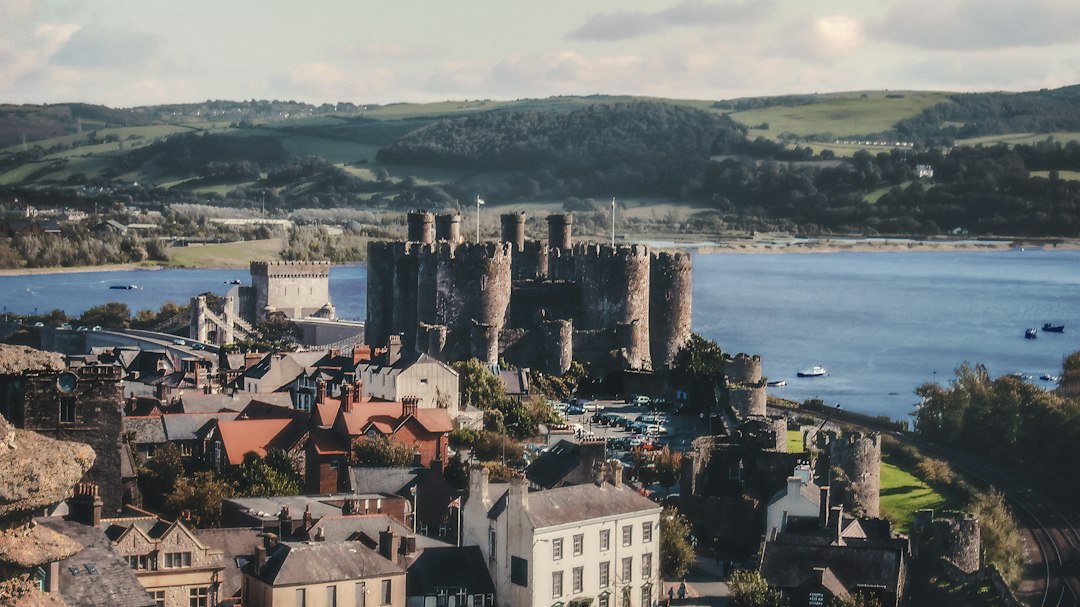
Coastal Majesty: Luxury Stays with Unrivaled Fortress Views
When you’re looking for a place to stay that balances history with pure comfort, there’s something special about waking up to a view of a Welsh fortress. I’ve spent time looking into these sites, and frankly, the engineering behind them is just as impressive as the scenery. Take Caernarfon Castle, for instance; its color-banded masonry isn't just for show, as it was directly inspired by the walls of Constantinople. It sits right on the footprint of the old Roman fort of Segontium from 77 AD, meaning you’re literally looking out over nearly two thousand years of military history. And if you’re wondering why these views feel so commanding, look at Conwy’s eight circular towers. They were built for a 360-degree surveillance arc that still dictates the best sightlines for any modern hotel nearby today.
The logistical planning that went into these places is honestly mind-blowing when you think about the tools they had in the 13th century. At Beaumaris, they had to ship stone from Penmon quarries by sea, timing everything perfectly with the tides of the Menai Strait. That same strait is still pretty wild, with currents hitting eight knots, which explains why the water views from the nearby luxury suites are always so visually active. I’ve noticed that architects of the time were obsessed with precision, like the way they laid out the inner ward at Beaumaris to be almost perfectly square in 1295. It makes you realize that the "luxury" we chase today is just a modern layer on top of a very deliberate, ancient design.
If you’re wondering about the build quality, it’s not just luck that these walls are still standing. The foundations often use lime mortar that’s actually self-healing when it hits the salt-heavy air of the Irish Sea. Plus, those thick stone walls act like a massive passive heat sink, keeping the internal temperatures steady in a way that modern green building standards are only now trying to replicate. Even the scaffolding nails they used had a higher carbon content from local charcoal, which has kept them from corroding as fast as you’d expect. Just keep in mind that if you’re picking a room for the night, those strict heritage laws mean you won’t find much light pollution, which is actually a massive win if you’re into stargazing over a medieval skyline.
Ultimately, these stays aren't just about the hot tub or the thread count; it’s about positioning yourself where the geology and the military strategy meet. Think about Harlech Castle, which was built on a crag right on the shoreline before the land shifted and pushed the sea back half a mile. You’re essentially sleeping in a spot that was once the absolute edge of the world. I really think that when you understand the sheer effort it took to lock these castles into the limestone cliffs, the view from your window changes from a simple backdrop into a pretty deep piece of engineering history. It’s worth the extra effort to find a suite that aligns with these old sightlines because it changes how you see the entire coast.
Soaking in History: Top-Tier Retreats Featuring Private Hot Tubs
When you’re settling into a private hot tub overlooking a Welsh fortress, you might think it’s just about the bubbles and the view, but there’s a whole lot of engineering keeping that experience safe and sustainable. The chemical composition of the water in these coastal retreats is actually quite complex because the high salt content of the Irish Sea air would normally eat right through stainless steel heating elements, so they use magnesium-rich filtration to keep everything running smoothly. It’s a fascinating trade-off, as heritage bodies strictly regulate where these tubs can sit to ensure the weight doesn't compromise the ancient limestone foundations buried just a few meters beneath the soil. Honestly, I find it pretty clever how architects now use cantilevered glass partitions to satisfy archaeological visibility rules while still giving you that perfect, unobstructed sightline of the fortifications.
The science behind why it feels so good is just as interesting as the build itself. Research shows that soaking in a heated tub while staring at a chilly, damp castle wall creates a physiological contrast that really heightens your sense of comfort by stimulating your skin’s thermoreceptors. To keep things green, many of these suites now use air-source heat pumps that pull warmth from the coastal winds, which is a modern nod to the thermal regulation tricks medieval masons used to keep their keeps livable. They also avoid traditional chlorine, opting instead for non-chlorine oxidizers because standard chemicals can actually accelerate the decay of 13th-century lime mortar. It’s a delicate balance, but it’s one that preserves the history while letting you enjoy a very modern kind of luxury.
If you’re wondering how they handle the sheer logistics, it’s all about weight management and frequency control. The tubs are typically limited to about 0.9 meters in depth to keep the water weight within strict coastal conservation limits, and many designers are switching to lightweight, recycled carbon-fiber shells to keep the load off the cliffs. You don't have to worry about the vibrations, either; engineers have tuned the water jet frequencies to make sure they don't resonate with the natural frequency of the castle bedrock, which prevents structural fatigue over time. Plus, because the tidal ranges here are some of the highest in the world, the plumbing is outfitted with special non-return valves to stop brackish, sediment-heavy seawater from backing up during a surge. It’s a lot of hidden work, but it’s exactly why these spots feel so grounded and special when you’re finally sitting there with a drink in hand.
The Ultimate Welsh Road Trip: Connecting Iconic Castles and Seaside Gems
When you’re planning a trip through North Wales, you’re not just jumping in a car to tick boxes; you’re navigating one of the most geologically and historically dense routes in the world. I’ve found that the real magic isn’t just in the destination, but in understanding how the landscape itself dictated the road and the history we see today. The coastline here is defined by some of the most extreme tidal ranges on the planet, with the Menai Strait fluctuating by as much as ten meters twice a day. This constant, heavy hydraulic pressure has forced engineers to build sophisticated, hidden drainage systems beneath our feet to prevent the salt from eating away at the very ground we’re driving on. It’s a wild, shifting environment that makes you realize why those ancient drover paths were originally built on high ground—they were literally trying to keep their livestock above the reach of the salt marshes.
If you look closely at the sand near Harlech, you’ll notice it has a distinct, bright quality that actually comes from glacial scouring of the Snowdonia massif. That sediment doesn’t just look beautiful; it creates a unique reflective index that makes your sunset photos look like they’ve been professionally graded, even if you’re just shooting on your phone. Beyond the aesthetics, the North Atlantic Drift plays a massive role in why this stretch of road stays warmer than you’d expect, keeping the water a few degrees higher than the open Atlantic. It’s a subtle microclimate that has allowed rare maritime grasses to evolve and stabilize the cliffs against the constant wind, which, in turn, keeps the roads from eroding into the surf.
But let’s talk about the structural reality of these routes, because it’s honestly fascinating how the terrain works in our favor. The same jagged cliffs that make for a dramatic drive act as a natural acoustic barrier, blocking the roar of gale-force winds and keeping your drive surprisingly quiet. We’re also lucky that the mountainous topography naturally blocks light pollution from the industrial hubs inland, which is exactly why you’ll find some of the best dark sky reserves in the UK right along your route. It’s worth remembering that this isn’t a static landscape, as those limestone cliffs are retreating by about 0.2 meters every year due to wave action. Whenever you’re driving these roads, you’re essentially moving through a 350-million-year-old timeline, where the fossils in the stone and the modern seismic sensors monitoring the crags are both keeping the history alive for the next generation of travelers.
From Cliffside Cabins to Boutique Hotels: Defining Welsh Luxury
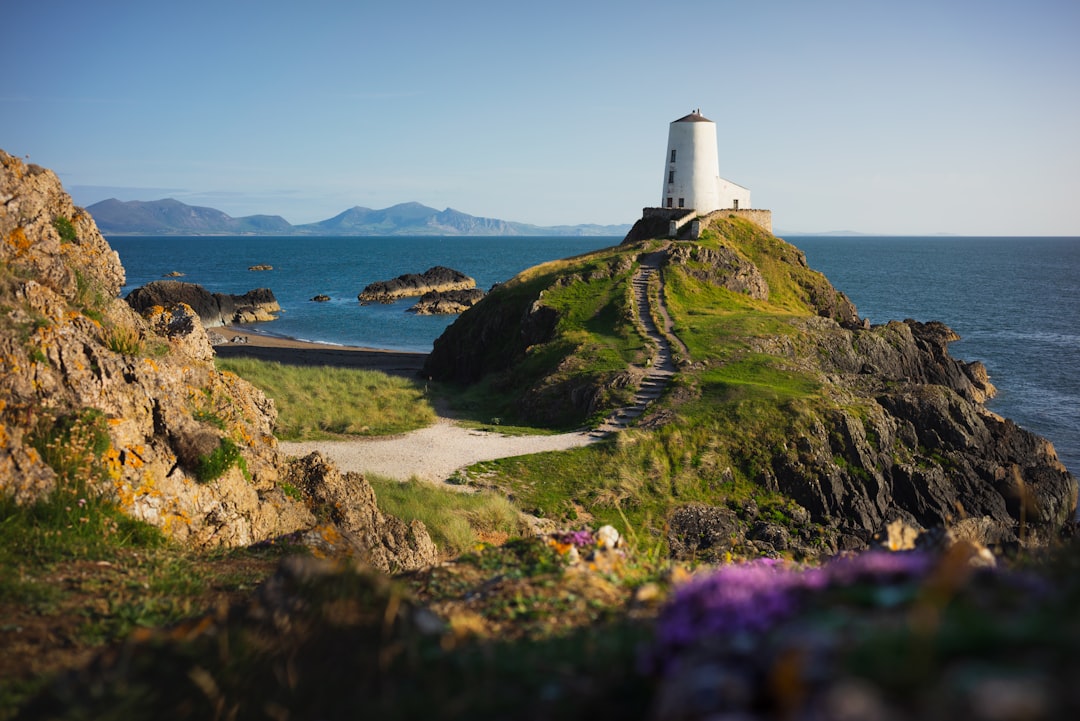
Defining what luxury actually means in Wales has shifted away from mere opulence toward a fascinating blend of heritage preservation and high-tech engineering. When I look at the recent evolution of these stays, it’s clear that the industry is leaning heavily into adaptive reuse, often taking 18th-century agricultural outbuildings and retrofitting them with sheep’s wool insulation to hit modern thermal efficiency targets. You’ll notice that designers are increasingly favoring local materials like slate from Blaenau Ffestiniog quarries for flooring, not just because it looks incredible, but because its low porosity is a practical necessity for handling the damp maritime climate. It’s honestly impressive how they’ve managed to marry history with function, like using smart-glass technology that automatically tints during peak sun to protect antique fabrics from UV damage.
If you’re staying in a cliffside cabin, there’s a good chance it’s anchored using helical screw piles rather than traditional concrete slabs to keep the soil beneath your feet stable and undisturbed. I love how these properties are getting so clever with infrastructure, like installing hidden rainwater harvesting systems that filter runoff through charcoal beds to keep the grounds lush without wasting resources. You probably won't even notice the electrical or internet lines since most of these boutique retreats now use subterranean utility routing to keep the coastal paths looking completely pristine. They’re even using triple-paned, vacuum-sealed glazing in the suites, which is meticulously calculated to block out the low-frequency vibrations of the heavy North Atlantic surf.
There’s a real obsession with detail here that you just don't see in other markets, like the way they tune humidity control systems to a precise 45 percent to stop the salt air from corroding brass fixtures. I find the commitment to safety equally grounded, with many operators actually collaborating with maritime geologists to install seismic sensors that monitor cliff stability in real time. Even the furniture choices tell a story, as sustainability mandates often require using locally sourced driftwood to keep the carbon footprint low. It’s that combination—using thermal imaging drones to spot heat leaks in stone walls while bringing in biophilic design elements that actually thrive in salty air—that makes a Welsh stay feel so distinct. Honestly, it’s refreshing to see a luxury market that treats the environment as a partner rather than just a backdrop.
Culinary Escapes and Cozy Pubs: Enhancing Your Coastal Getaway
If you’re anything like me, the best part of a coastal trip isn’t just the view from your room—it’s finding that one perfect pub where the history feels as heavy as the stone walls. When you step into a traditional Welsh tavern, look at the hearth; those dry-stone constructions are masterpieces of thermal mass, radiating heat for hours long after the flames die down. It’s not just for aesthetics, either. These spaces often rely on lime-wash finishes, a smart, breathable material that naturally manages the intense salt-air humidity so everything stays fresh without relying on constant mechanical intervention. I’ve always found it fascinating that the very water in your glass is part of that geology, filtered through ancient Cambrian slate deposits to give local ales that distinct, crisp finish you just won't find anywhere else.
There is a real science to why the local food tastes so much better here, starting with the way salt-marsh grazing seasons the lamb directly in the field. When you add in foraged samphire—a halophytic plant that thrives right in the coastal brine—you get a flavor profile that is essentially a map of the shoreline on your plate. If you find a spot serving local cheeses, try them with a bit of regional honey; it’s a brilliant contrast, with the glucose hitting those high-fat, savory notes that were likely refined in cool, subterranean cellars carved right into the bedrock. It’s these small, hyper-local details that turn a simple dinner into something that feels rooted in the landscape.
You might notice that many of the better kitchens are now pushing sustainability into the future, using smart ventilation that mirrors the draft patterns of medieval keeps to keep the air moving naturally. Some have even gone as far as installing anaerobic digesters to turn food scraps into the very biogas that powers their stoves during the evening rush. It’s an impressive loop, especially when you consider that their kitchen gardens often use raised slate beds to soak up the sun and keep herbs growing well into the colder months. Next time you’re sitting there with a pint and a plate of laverbread, take a second to appreciate the engineering—it’s a rare thing to see a menu that’s so perfectly aligned with the rugged science of the coast.
Seasonal Seclusion: Why Autumn is the Perfect Time for a Welsh Coastline Retreat
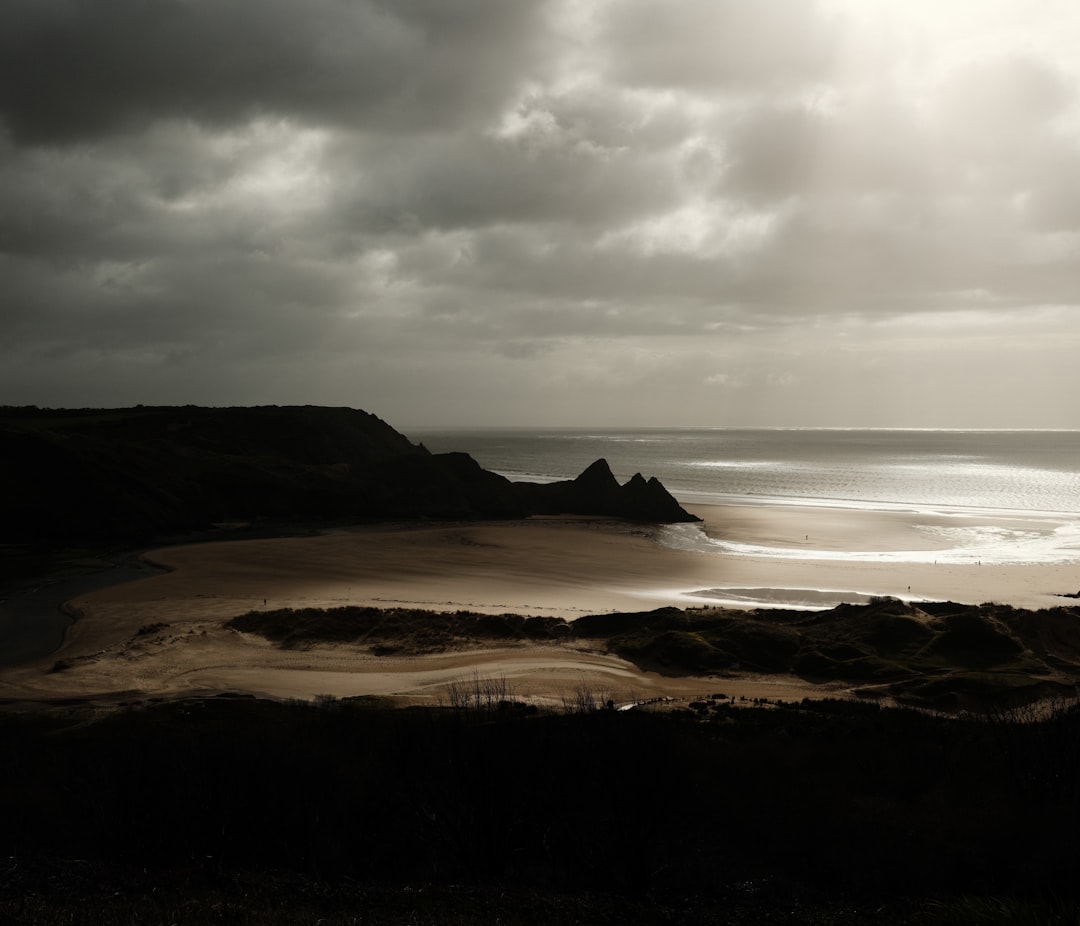
If you’ve ever felt like the best travel experiences are the ones where you can actually hear yourself think, then you’ve probably realized that summer isn't always the best time to hit the coast. Honestly, autumn is when the Welsh shoreline really hits its stride, mostly because of the thermal lag of the Irish Sea. Since the water holds onto the heat it absorbed all summer, the coast stays noticeably warmer than inland areas well into November, which is a massive win if you’re trying to avoid that biting winter chill. Plus, the drop in solar radiation means the air humidity finally settles down, which is a big deal because it lowers the moisture content that usually beats up on those historic stone walls.
It’s also worth noting that the shift in weather patterns during the fall often brings in high-pressure systems that stabilize the atmosphere. If you’re a photographer or just someone who loves a crisp view, you’ll notice the visibility across the headlands is just sharper and more vivid than at any other time of year. Because the wind direction shifts, it tends to clear out those persistent sea salt aerosols, leaving you with these incredibly clear, panoramic vistas. And since the ground stays warmer than the air during those autumn nights, you get this cool phenomenon where the sea mist rises in these soft, rhythmic patterns that make for some pretty incredible late-evening scenery.
Beyond the atmosphere, there’s a practical side to traveling during this off-peak window that I think really changes the experience. The lower visitor density means there’s far less human-generated vibration near the heritage sites, allowing for a much more stable and quiet interaction with the ancient architecture. You can actually get close to cliff-edge habitats that are usually cordoned off during the spring and summer to protect nesting birds, and since the maritime grasses are in their dormant phase, you don't have to worry about causing any real botanical damage when you’re out exploring. It’s just an easier, more responsible time to be there.
Honestly, the way the astronomical twilight lingers at this latitude in the early autumn is just a bonus for anyone who loves the outdoors. You can sit out in the evening for hours because the thermal mass of the coastal rock keeps the air around you comfortable, making it perfect for stargazing without needing a dozen layers. It feels like the whole coast just exhales, giving you that rare, quiet solitude that you just can't manufacture in peak season. If you’re looking for a trip that feels grounded, quiet, and honestly just a bit more authentic, I’d suggest holding off until the crowds thin out and the air clears—you’ll see exactly what I mean once you’re standing there on the cliff edge yourself.
Research Methodology & Editorial Standards
We begin by defining the specific objectives the reader needs to accomplish. Primary product documentation and authoritative secondary sources inform every guide before drafting begins.
Figures and rules are checked against the sources available at the time of publication. Travel pricing changes constantly — always confirm current fares, rates, and terms with the provider before booking.