
Save Ten Percent On Arlo Skye Luggage For Your Next Trip
When you’re constantly bouncing between terminals, you start to notice that most luggage is built to look good in a showroom, not to survive the actual grind of travel.
Why Arlo Skye Is the Premium Choice for Modern Travelers
When you’re constantly bouncing between terminals, you start to notice that most luggage is built to look good in a showroom, not to survive the actual grind of travel. I’ve spent enough time hauling gear across concourses to realize that Arlo Skye is playing a different game entirely, moving away from standard polycarbonate toward an aerospace-grade aluminum alloy. It’s not just about the metal, though; the strength-to-weight ratio here is honestly impressive when you compare it to the cheap plastic shells that crack after a few rough gate-checks. They’ve also ditched the traditional internal handle channels that eat up half your packing space, opting for a side-mounted design that actually lets you fit your clothes. It’s that kind of engineering—prioritizing volume without adding bulk—that makes me lean toward this brand for my own trips.
But let’s talk about the parts that usually fail first, because that’s where the real difference shows up. Those silent-run wheels use high-grade Japanese ball bearings, which might sound like marketing fluff until you’re gliding across a terminal floor without that annoying rattle. They’ve even put these things through a grueling 15-mile stress test on uneven surfaces, which is way more than most of us will ever put them through in a single year. And if you’re tired of your bag looking like it went through a blender, the anodized finish is a game changer. It chemically bonds the color to the metal, so you aren't dealing with that ugly, chipped paint look after just a few international flights.
There’s also a level of technical detail here that I really appreciate, like the antimicrobial interior lining that keeps things fresh even when your bag has been sitting in a humid climate or a germy overhead bin. Plus, the TSA-approved latches are made from die-cast zinc, feeling much more secure than the flimsy lever locks you see on cheaper competitors. I think the real win is the modular design, though; you can actually swap out parts like wheels or handles yourself if something wears out. Instead of tossing the whole bag into a landfill after a few years, you’re looking at a product designed to last over a decade. It’s rare to find gear that balances that kind of durability with a clean, low center of gravity that actually saves your wrist from getting sore during a long walk to the gate.
Decoding the Design: What Sets Arlo Skye Luggage Apart
When you look closer at the actual mechanics of an Arlo Skye bag, you start to see why it feels so different from the standard suitcase you’ve been dragging around. It’s not just about the metal shell; it’s the way they’ve engineered the internal compression system using high-tensile webbing to stop your gear from shifting during bumpy flights. Think about the peace of mind that comes with a low-profile gasket seal that hits IP54 standards, meaning your clothes are actually shielded from dust and moisture when you're stuck on a rainy tarmac. I’m honestly a fan of how they handle impact, too, by using an aerospace-grade alloy that is designed to deform slightly under pressure instead of snapping like cheaper brittle plastics. And those corners? They’ve added internal structural brackets meant to soak up the energy of a hard drop before it reaches your belongings.
If you’ve ever had a zipper jam right when you’re in a rush to pack, you’ll appreciate that they use YKK zippers treated with a dry-lubricant coating to keep things moving smoothly for years. The handle is another piece of the puzzle that caught my eye, as it’s packed with an internal dampener that cuts down on the annoying vibration and road noise that usually ends up making your wrist ache after a long walk through the terminal. Even the wheel housings are tucked away in an interference-fit design to make sure they don't get snagged or ripped off by the aggressive machinery in the baggage claim area. Plus, they run these bags through intense temperature tests, moving from freezing cold to desert heat to make sure the seals don't lose their elasticity or the metal gets warped.
There’s also a real focus on the longevity of the materials, like the silver-ion antimicrobial lining that actually works to break down bacteria on contact so your bag doesn't hold onto that funky travel smell. Those zinc latches aren't just for show, either; they go through a multi-stage electrochemical plating process so they won't oxidize or rust even if you’re heading to a humid, salty beach destination. It’s fascinating to see that they even care about the environmental footprint of the manufacturing, using a closed-loop system that recycles nearly all the water used in their anodization process. When you add up the precision-calculated weight distribution that keeps the center of gravity low even when you’re fully packed, it becomes clear that this is a piece of gear built for people who are tired of replacing their luggage every two years.
Durability Meets Style: Materials Used in Arlo Skye Collections
When I look at the construction of high-end travel gear, I always pay attention to how materials are actually engineered to handle the chaos of transit. Arlo Skye uses an aerospace-grade aluminum alloy for their shells, which is honestly impressive because it stays stable in everything from brutal negative forty-degree cold to scorching heat above two hundred degrees Fahrenheit. Instead of brittle plastics that shatter when a baggage handler gets careless, this alloy is designed to absorb kinetic energy through controlled deformation. It’s a smarter way to build a bag, especially when you consider that those internal structural brackets are precision-molded to act as a skeleton, shifting heavy loads away from the vulnerable corners.
The exterior finish also matters more than you might think if you actually care about keeping your luggage looking new. That anodization process creates an aluminum oxide layer that’s harder than the raw metal itself, forming a tough, ceramic-like barrier against the surface scratches that usually ruin a bag after one trip. Even the smaller details show a similar level of obsession, like the die-cast zinc latches that go through a secondary passivated coating to keep them from rusting out when you're heading to salty, humid beach locations. I’ve seen enough gear fail in these environments to know that meeting those high ASTM corrosion standards is a big deal if you want your gear to survive more than a couple of years.
Think about the wheels for a second, because that’s usually the first point of failure. These use high-density polyurethane tires that are formulated to avoid flat spots, even if you shove the bag in a closet under a pile of gear for six months. They’ve paired that with a dual-ball bearing setup that drops the friction coefficient by forty percent compared to your average suitcase caster. When you combine that with the YKK zippers featuring a nickel-plated finish to stop microscopic pitting, you end up with a bag that actually feels like it’s built for the long haul. It’s rare to find a company that puts this much thought into things like the compression webbing’s tensile strength or the closed-loop water filtration they use during production, but it definitely changes the math when you're deciding on an investment piece.
How to Apply Your 10% Discount Code at Checkout
Applying a discount code is usually where I see most people get tripped up, mostly because web interfaces are often less intuitive than they should be. When you’re ready to finalize your Arlo Skye order, look for the promo code field located right above the payment button, which is strategically placed to make sure you see that price drop before you commit to the purchase. You really need to be careful with your typing here because the system is case-sensitive; if you don't match the exact capitalization, the server will reject it, which is honestly one of the most frustrating things to deal with when you’re just trying to save a little cash. I’ve noticed that the system is smart enough to strip out accidental spaces you might copy and paste, but I still recommend typing it out manually if you’re running into any weird validation errors.
Once you hit that apply button, the page should refresh in a fraction of a second to show your new, lower total. It’s important to remember that the math happens at the item level before any taxes are factored in, meaning the ten percent reduction is calculated on the luggage itself, not your shipping costs. The system is also locked into a one-coupon-per-session rule, so don't be surprised if it ignores your second code—it’s designed that way to prevent stacking and keep the accounting simple. If you happen to navigate away from the page after applying it, the site usually keeps the discount active through a temporary browser cookie, but keep an eye on your subtotal just in case it resets.
I’ve spent enough time looking at these checkout flows to know that if you get a red error alert, the code is almost certainly expired or restricted by the current promotion's backend logic. Don’t panic if that happens, just double-check the source of the code and make sure you aren't trying to apply it to an item that is already deeply marked down, as some systems have built-in exclusions for sale items. The whole process is meant to be seamless, but it’s essentially an encrypted handshake between your browser and their payment processor. Just take a second to verify the final amount reflects the discount before you hit the final submit button, and you’re all set to get your gear at a better price.
Selecting the Right Suitcase Size for Your Upcoming Trip
Let’s pause for a moment and reflect on the most common mistake I see travelers make: picking a suitcase based on how it looks rather than how it actually fits the math of modern transit. You might think that a few extra inches of depth won't matter, but when you're standing at a regional gate, that one-inch variance often forces a mandatory gate-check that ruins your arrival plans. International carriers are particularly rigid, frequently enforcing strict weight caps that make the bag's own empty weight a primary concern. I’ve found that aiming for a shell under seven pounds gives you the best buffer to stay under those fifty-pound limits, especially when you’re packing for a long-haul trip.
It really comes down to balancing volume against the physical reality of overhead bin geometry, which generally caps out at forty-five linear inches. Most travelers don't realize that standardizing your carry-on to twenty-one inches is the safest bet to avoid those last-minute, stressful disputes with gate agents. I always suggest looking at the wheel configuration through a practical lens as well; while four-wheeled spinners are dream-like on smooth terminal tile, they hit a wall—literally—once you encounter cobblestones or rough pavement. If you’re a city hopper, a two-wheeled design often offers a more robust, stable ride that doesn't sacrifice nearly as much internal space to bulky wheel housings.
And here is where the engineering really starts to matter for your sanity. If you're checking a bag, hard-shell cases are objectively superior at handling the rapid pressure shifts in cargo holds, where soft-sided luggage can actually expand and strain your seams to the breaking point. Think about your packing strategy, too: keeping heavier items at the base near the wheels keeps your center of gravity low, which significantly reduces the strain on your wrist during long terminal walks. I’ve started using compression cubes to pull out about twenty percent more usable space, which honestly changes how I view smaller, more manageable bag sizes. It’s not just about the gear you bring; it’s about choosing a frame that works with the physics of the journey, not against it.
Maximizing Your Travel Experience with Arlo Skye Features
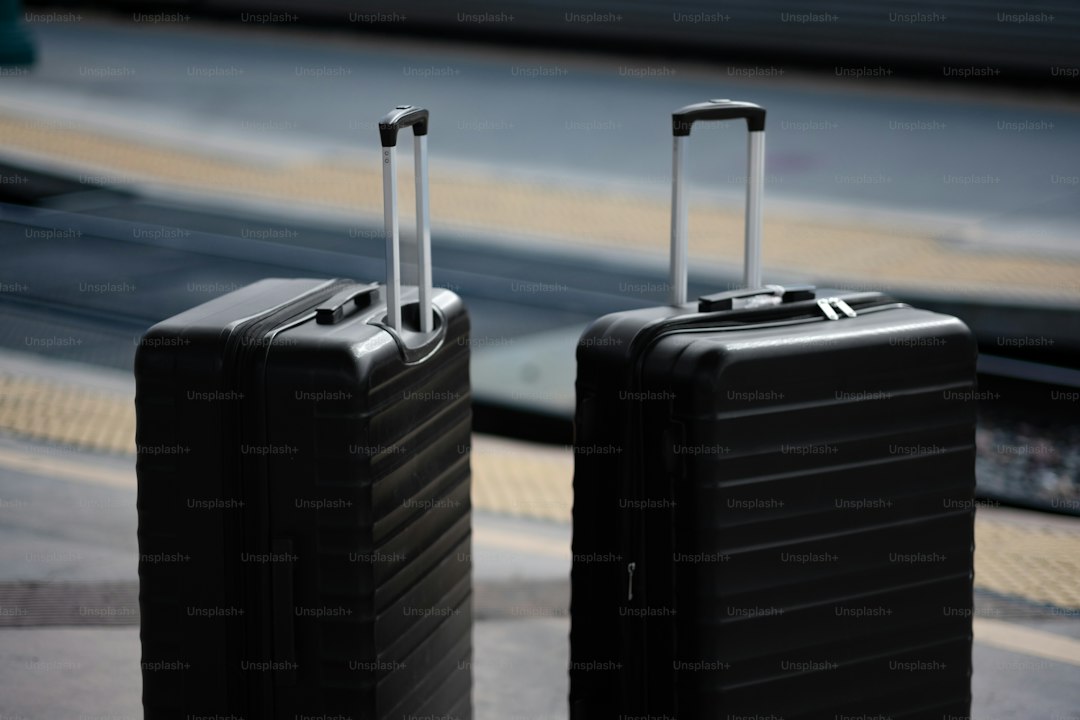
Let’s talk about how you can actually get more out of your gear, because once you move past the aesthetic, there’s a whole layer of engineering here that really changes how you move through a terminal. I’ve spent a lot of time looking at how these bags handle real-world stress, and it’s clear that Arlo Skye is designing for the physics of travel rather than just for the showroom floor. When you’re packing, the internal compression system isn't just a strap; it uses high-tensile nylon webbing that holds firm under fifty pounds of force, which keeps your gear from shifting and turning into a chaotic mess during turbulence. Plus, the gasket seal is IP54-rated, meaning that if you’re stuck on a rainy tarmac, your clothes inside are actually protected from moisture and grit, which is a massive upgrade over the flimsy zippers on standard soft-sided bags.
The real secret to that smooth glide you feel isn't just the wheels, but the custom Japanese ball bearings that keep rolling resistance low even when you’re sprinting to a connection. I think it’s pretty cool that they’ve stress-tested these wheels on a 15-mile track of simulated cobblestone to make sure the housings don't snag or snap when you're navigating older cities. And let’s be honest, we’ve all had a wrist ache after dragging a heavy suitcase through a long terminal; Arlo Skye’s handle uses a proprietary elastomer sleeve that dampens vibrations, so you aren't feeling every single bump in the floorboards. It’s that kind of attention to detail—like the interference-fit housing that protects your wheels from the brutal machinery in baggage claim—that makes the bag feel like it’s actually working with you.
If you’re wondering about long-term durability, the way they treat the aluminum shell is pretty wild. They run an electrochemical process that brings the surface hardness up to a level where it’s essentially ceramic-like, which is why your bag doesn't look like a disaster zone after one international flight. Even the zinc latches go through a special passivated plating to keep them from rusting out if your travels take you to humid, salty beach towns. And for those of us who are a bit germ-conscious, that silver-ion antimicrobial lining is a genuinely smart addition, killing off 99 percent of bacteria within a day. It’s rare to see a piece of travel gear that’s this rigorously engineered, but honestly, once you start relying on these features, it’s hard to go back to anything else.
Research Methodology & Editorial Standards
We begin by defining the specific objectives the reader needs to accomplish. Primary product documentation and authoritative secondary sources inform every guide before drafting begins.
Figures and rules are checked against the sources available at the time of publication. Travel pricing changes constantly — always confirm current fares, rates, and terms with the provider before booking.