
Rising travel costs and airline uncertainty mean you need a better plan for your summer vacation
While that might save them a buck in the short term, the added weight of that fuel makes the plane burn even more, creating a cycle that’s hard to break.

The Jet Fuel Crisis: Why Your Summer Airfare is Climbing
Let’s be honest, seeing those triple-digit price jumps when you're just trying to book a simple summer getaway is enough to make anyone want to close their laptop and stay home. You’re likely wondering why, despite all the talk of stability, your flight costs aren't budging. It really comes down to the fact that jet fuel represents nearly a third of an airline’s operating budget, and right now, that market is in a volatile tailspin. Because jet fuel is a specialized middle-distillate, it’s not as simple as just buying more crude; refineries have to prioritize it over heating oil or diesel, and any geopolitical instability—like the current conflict in the Middle East—sends those supply chains into a frenzy.
Think about it this way: when supply gets tight, airlines start playing a dangerous game called tankering. They carry extra fuel on outbound flights specifically to avoid refueling in cities where supply is constrained or costs are astronomical. While that might save them a buck in the short term, the added weight of that fuel makes the plane burn even more, creating a cycle that’s hard to break. Even with the annual 1-2 percent gains in engine efficiency we’ve seen over the last decade, those tiny improvements simply can't keep pace with the massive, rapid spikes we're seeing in the energy spot markets.
And to make matters more frustrating, the hedging programs that used to protect carriers are now struggling to keep up with the pace of these price shifts. Many airlines are shifting to weekly fuel surcharges just to keep their heads above water, which means the price you see today might be completely different by the time you actually hit the purchase button. It’s a messy reality where carriers are ruthlessly prioritizing high-yield long-haul routes while cutting back on secondary domestic flights to maximize every gallon. If you’re planning travel, the best advice I can give is to stop waiting for a dip that might not come; the market is currently too sensitive to global supply shocks for those old-school pricing patterns to hold any weight.
Route Reductions and Cancellations: Checking Your Flight Status
If you’re feeling like your summer travel plans are currently playing a high-stakes game of musical chairs, you aren't alone. We’re seeing major carriers like Lufthansa proactively pulling 20,000 flights from their summer 2026 inventory, and it’s not just the legacy giants feeling the squeeze. South Korean airlines like Jeju Air and Jin Air have slashed hundreds of flights from regional hubs, proving that even secondary markets aren't immune to these cascading supply chain tremors. It’s honestly exhausting, but understanding that this is a systemic response to fuel instability—rather than just bad luck—might help you navigate the chaos. You really have to stop relying solely on airline websites, as they often lag behind the actual Global Distribution System updates that drive real-time operations.
Think about it this way: when an airline faces a crisis, their automated rebooking algorithms often prioritize high-value loyalty members, meaning economy passengers frequently get pushed to the back of the queue. I’ve noticed that when airspace closures happen, carriers prioritize slot preservation, which often leads them to consolidate multiple low-occupancy flights into a single, higher-capacity departure. This is why you might suddenly find yourself rebooked on a partner airline without clear notification. Plus, those minimum connection times you see when booking? They’re becoming increasingly fragile; a fifteen-minute delay that used to be a non-issue now puts your entire connection at risk because carriers are tightening their schedules to save fuel.
Here’s the part that really stings: modern predictive analytics allow airlines to identify these at-risk flights up to 72 hours in advance based on crew availability and fuel logistics, yet they often keep selling tickets on them until the final cancellation trigger is pulled. You might think your flight is safe because it’s still bookable, but that’s just a digital mirage. During these periods of extreme volatility, the gap between a scheduled gate arrival and the actual wheels-down time is widening by as much as 20 percent because pilots are flying more conservative, fuel-efficient patterns. My advice? Use third-party flight tracking apps for your alerts and, if you get hit by a cancellation, remember that you’re often eligible for re-routing on non-partner airlines—a right that gate agents almost never mention when you’re standing in that long, frustrating line at the service desk.
Navigating Airline Financial Instability and Service Cuts
Look, I know how frustrating it is to feel like you’re constantly chasing a moving target when you’re just trying to book a summer trip. We’re in a moment where airlines are essentially forced to play a high-stakes game of financial survival, and unfortunately, that usually means the service you’ve come to expect is the first thing on the chopping block. It’s not just you—carriers from regional players like Caribbean Airlines to massive international brands are aggressively slashing routes and merging flights to keep their margins from collapsing under the weight of these energy shocks. They aren't just cutting back because they want to; they’re abandoning secondary hubs and pulling back on international routes to focus their limited fuel and assets on the safest, most profitable corridors.
Here’s what I think you need to keep in mind: that "confirmed" ticket in your inbox is increasingly becoming a placeholder rather than a guarantee. Behind the scenes, airlines are using hyper-aggressive, data-driven algorithms to manage capacity, often cancelling or merging flights less than 48 hours out if the math doesn't align with their current fuel-to-revenue targets. It’s a messy reality, but they’ve essentially turned their operational strategy into a real-time scramble, which means your connection times are being squeezed and those old-school advance-purchase discounts are being replaced by pricing that fluctuates multiple times a day. Even the way they handle rebooking is changing, with automated systems often prioritizing higher-fare passengers, leaving everyone else to deal with the fallout of their logistical pivots.
If you’re wondering how to actually protect your plans, my advice is to stop assuming the airline’s own site is giving you the full picture. Because they’re prioritizing fleet consolidation—like swapping in wider aircraft to maximize throughput—you might find yourself on a different plane or schedule without a clear heads-up. Some airlines are even getting creative with variable baggage fees that shift based on fuel costs, just to recoup every cent they can. It’s definitely not the most reassuring way to travel, but knowing that the industry is in a state of constant, automated flux helps you stay one step ahead. Don't wait for a schedule change to happen; keep a close watch on your booking via third-party alerts and be ready to push for those re-routing options if things start to look shaky.
Why Business as Usual for Summer Travel No Longer Applies
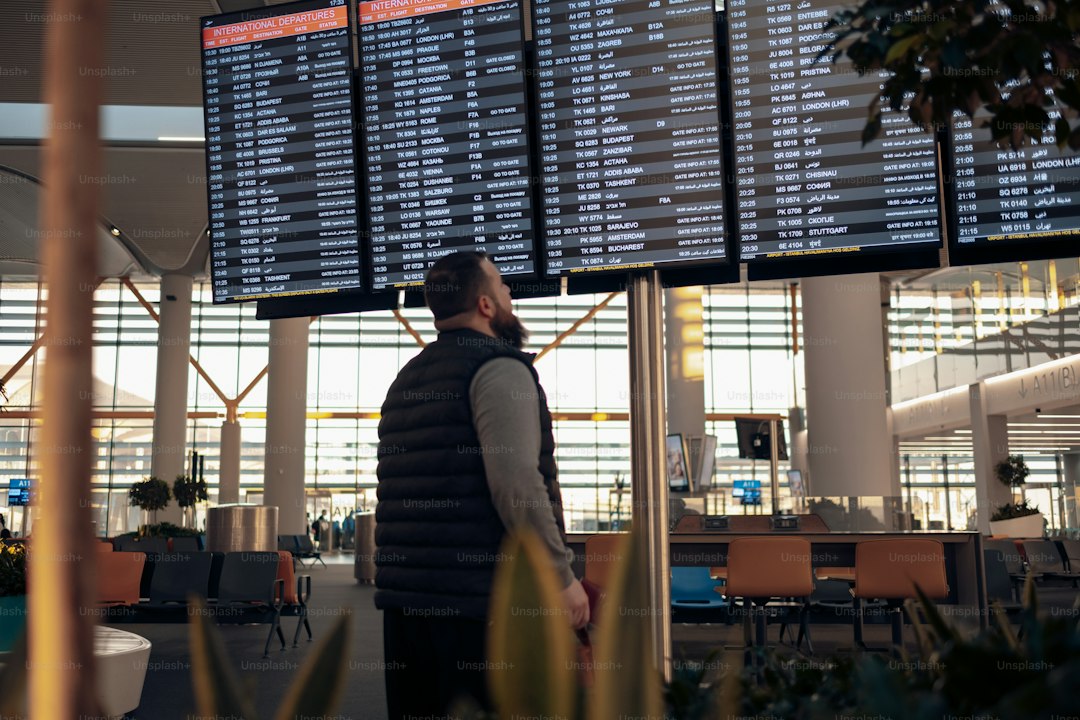
If you’ve spent any time looking at flight schedules lately, you’ve probably noticed that the old rules of thumb for summer travel just don’t hold water anymore. It isn’t just your imagination or a string of bad luck; the entire operational framework of the aviation industry has shifted beneath our feet. We’re dealing with a new reality where, for instance, airlines are using hyper-specific weight-and-balance software that calculates fuel burn based on the exact humidity and heat of the tarmac, which is leading to more last-minute cargo—or even passenger—offloads than we’ve ever seen. Plus, with the rise in business travel bookings for 2026, the premium cabin space you used to snag with your miles is being squeezed by corporate demand, making those elusive upgrades feel like a relic of the past. It’s a frustrating shift, but when you look at how carriers are prioritizing high-yield international rotations over domestic ones, it starts to make sense why your short-haul flights seem to be the first ones on the chopping block.
The ripple effects are hitting the ground, too, where a persistent labor shortage in specialized ground handling roles is quietly adding an average of fourteen minutes to every taxi-out time. You might not see these numbers on a booking site, but that delay often cascades into the missed connections that are ruining vacation plans across the board. To make things even tighter, airlines are using predictive algorithms to oversell flights more aggressively than ever, betting on no-show rates that fluctuate based on real-time data. And don’t get me started on the infrastructure; those massive wide-body aircraft meant to carry more passengers are actually causing a bottleneck effect at the gates, extending turnaround times and throwing off the entire daily schedule for the hub. It’s a delicate, high-pressure system where one minor technical error in a new satellite-based traffic management system can trigger a ground stop that lasts for hours.
Honestly, even the way you book is getting more complex because of how airlines are reacting to these logistical pressures. We’re seeing maintenance intervals for older planes being compressed by 15 percent, which means technical delays are more frequent, while climate-driven turbulence in the North Atlantic is forcing longer, circuitous flight paths that chew through fuel and further tax the system. Even your connection times have become risky, as carriers have stopped building in the usual buffers, leaving you vulnerable to everything from unexpected air traffic control strikes to simple bandwidth outages on in-flight entertainment systems. It’s not that you can’t travel this summer, but you really need to stop treating your itinerary like a fixed plan and start viewing it as a fluid, high-maintenance project. You’ll be much better off if you keep your own contingency plans in your back pocket and stop relying on the airline to keep you updated on the reality of your flight status.
Strategic Planning to Mitigate Rising Costs and Scheduling Uncertainty
Look, I know how draining it is to stare at a screen, watching prices tick upward while you’re just trying to lock in a summer trip. It feels like the entire industry is playing a game of chicken with our wallets, and honestly, we’re the ones holding the losing hand if we keep playing by the old rules. The reality is that we have to shift from passive booking to something much more calculated if we want to keep our sanity—and our savings—intact. I’ve started treating every itinerary like a high-stakes logistics project rather than a vacation, and it’s honestly the only way to stay ahead of these constant supply chain tremors. Let’s look at how we can actually take control of this mess.
First off, you need to stop relying on the big, obvious search engines that everyone else is hammering. Instead, try using multi-modal platforms that aggregate data from both the big legacy carriers and the smaller regional players; they often catch cheaper, non-obvious routes that the mainstream sites just don’t surface. I’ve also found that searching in the dead of night—specifically around midnight in the airline’s home time zone—can reveal lower-fare buckets before the dynamic pricing bots wake up and adjust everything. It’s a bit of a grind, but finding those un-cached prices feels like a small win in a season that feels designed to make us lose.
Another thing I’m doing now is splitting my tickets, buying each leg on a separate reservation to play the arbitrage game between different pricing models. It’s not for everyone, but if you’re willing to manage a few extra booking references, you can often sidestep the inflated costs that come with long-haul, single-carrier itineraries. And for the love of everything, stop scheduling your arrivals right up against your hotel check-in or events. Give yourself a 24-hour buffer whenever you can, because with the current rate of cascading delays, expecting a smooth, on-time arrival is just setting yourself up for a massive headache.
Lastly, keep a close watch on the specific aircraft types you’re booking. I know it sounds like engineering-speak, but newer, fuel-efficient planes are far less likely to be pulled for the kind of maintenance or fuel-saving cutbacks that are currently grounding older, thirsty fleets. If you get hit by a cancellation, don't just stand in that line at the service desk waiting for the gate agent to tell you there are no seats left. Push for a re-booking on a different airline entirely—that interline agreement is your best friend, even if the agent acts like it doesn't exist. It’s a lot to keep track of, but having a plan that accounts for these realities is the only way to actually get where you’re going without feeling like you’ve been through a wringer.
Essential Tools for Tracking Airline Changes and Protecting Your Itinerary

If you’re still waiting for an automated email from an airline to tell you your flight has been canceled, you’re already behind the curve. In this high-stakes environment, the gap between an operational glitch and a notification can be the difference between getting home and getting stranded for days. I’ve found that using third-party monitoring platforms—which bypass airline-controlled feeds to access raw ADS-B transponder signals—gives you a crucial 15 to 30-minute head start on official alerts. It sounds like a small window, but when the gate agent is staring at a line of two hundred people, those few minutes allow you to be the first one to request a reroute. Think of it as moving from a passive passenger to an active navigator of your own journey.
I also like to keep an eye on specific tail numbers rather than just relying on flight numbers. By tracking the aircraft itself, you can often spot if it’s currently undergoing unscheduled maintenance that has historically triggered lengthy delays. Some of the more advanced itinerary managers now pull in weather service APIs to correlate climate data with fuel-stop requirements, essentially predicting a delay before the airline even updates their own board. And if you’re really looking to squeeze out every bit of leverage, don't forget to keep a database of interline agreements handy; knowing which non-partner airlines you can legally be rebooked onto is your best defense when a gate agent claims there isn't another seat out of the city.
Beyond just tracking hardware, there’s the game of pricing, which honestly feels like a puzzle that’s constantly changing. I’ve been using VPNs to simulate different regional IP addresses, which can occasionally uncover cheaper fare buckets that are invisible to standard global search engines. Meanwhile, automated price-drop services are scanning fare classes every sixty seconds, which is honestly the only way to catch a refund or voucher when the market shifts. It’s definitely a bit of a grind to manage these tools, but when you’re dealing with an industry that’s increasingly prone to last-minute pivots, having this kind of granular data is the only way to stop your vacation from turning into a logistical nightmare. Don’t wait for the airline to tell you what’s happening—you’re much better off seeing the shift on your own radar first.
Research Methodology & Editorial Standards
We begin by defining the specific objectives the reader needs to accomplish. Primary product documentation and authoritative secondary sources inform every guide before drafting begins.
Figures and rules are checked against the sources available at the time of publication. Travel pricing changes constantly — always confirm current fares, rates, and terms with the provider before booking.