
Best US Beach Towns to Plan Your Late Summer and Fall Trips Now
This guide settles exactly where, when, and how to execute the ultimate late summer and early autumn coastal escape, cutting through the seasonal noise to pinpoint the US beach towns offering the best value, weather, and crowd.

Key takeaways
| Takeaway | Detail |
|---|---|
| Roughly 70% of Americans plan to visit coastal locations during the summer seaso | Roughly 70% of Americans plan to visit coastal locations during the summer season, making beach destinations the most sought-after travel choice. |
| Roughly eight out of the top ten most in-demand US travel destinations are coast | Roughly eight out of the top ten most in-demand US travel destinations are coastal beach towns. |
| Late September offers some of the best conditions for visiting US beach towns du | Late September offers some of the best conditions for visiting US beach towns due to reduced crowds and pleasant weather. |
| Competition for beach space and oceanfront accommodation drops significantly in | Competition for beach space and oceanfront accommodation drops significantly in late summer and early autumn across popular coastal spots like Ocean City, Maryland. |
| Travelers targeting autumn beach trips can often secure properties closer to the | Travelers targeting autumn beach trips can often secure properties closer to the ocean or with sunset bayside views that are fully booked during peak July and August weeks. |
| Atlantic hurricane season runs officially from June 1 through November 30, requi | Atlantic hurricane season runs officially from June 1 through November 30, requiring careful monitoring for late-summer and autumn coastal trips. |
Useful thresholds
| Item | Rule / threshold |
|---|---|
| East Coast / Gulf Lodging Discount | 30% to 50% savings compared to peak July rates |
| Atlantic Hurricane Peak Activity | Mid-August through late October |
| Official Atlantic Hurricane Season | June 1 through November 30 |
This guide settles exactly where, when, and how to execute the ultimate late summer and early autumn coastal escape, cutting through the seasonal noise to pinpoint the US beach towns offering the best value, weather, and crowd levels right now. Built for savvy travelers, points enthusiasts, and flexible vacationers looking to maximize shoulder-season pricing, it provides a data-driven blueprint for trading packed July boardwalks for serene September sands without sacrificing coastal appeal.
While peak summer crowds dominate June through August, recent travel patterns show a massive shift toward late-season coastal trips as lodging rates drop by up to 50% immediately following Labor Day. However, navigating this window requires balancing residual ocean warmth and lower airfares against Atlantic hurricane season risks and unexpected post-Labor Day business closures in seasonal beach communities.
When do peak crowds actually drop at major US beach towns?
Peak crowds at major US beach towns drop immediately after Labor Day, when seasonal rental demand plummets by up to 50 percent as school calendars resume. Roughly 70 percent of Americans target coastal locations during July and August, while the Atlantic hurricane season officially runs from June 1 through November 30, with peak tropical storm activity occurring between mid-August and late October.
Regional variations alter this timeline: Southern California beaches experience peak beach attendance well into September and October during extended Indian summer conditions, while Gulf Coast destinations in Florida and Alabama see secondary tourism spikes in October due to localized seafood and heritage festivals.
Travelers must account for operational shifts, as boardwalk amusements, seasonal trolley services, and local restaurants often do not remain fully operational past Labor Day. Target late September for your coastal trip and utilize flexible cancellation policies on platforms like Airbnb and Vrbo to protect lodging investments against unpredictable autumn tropical weather patterns.
How to book flights and hotels for late summer coastal deals

Hotel and short-term rental rates in major East Coast and Gulf beach markets decrease by 30% to 50% between peak July rates and mid-October shoulder pricing. Airfares to regional coastal airports drop significantly immediately following Labor Day as family leisure travel demand contracts, driven by the fact that roughly 70 percent of Americans compress their coastal trips into July and August.
The official Atlantic hurricane season runs from June 1 through November 30, with peak tropical storm activity occurring between mid-August and late October. Regional weather exceptions apply in Southern California and parts of the Gulf Coast, where ocean temperatures and warm beach days extend well into September and October.
To lock in deals, book shoulder-season flights and rentals on platforms offering flexible cancellation policies at least 30 to 45 days prior to departure, and monitor real-time marine observation data through the National Data Buoy Center before finalizing non-refundable transit bookings.
What you save on shoulder-season rentals and airfare

Travelers targeting US beach towns between mid-September and late October routinely save 30 percent to 50 percent on short-term rentals and hotels compared to peak July and August rates. This steep pricing contraction occurs because roughly 70 percent of American leisure travelers compress their coastal trips into the summer months, leaving property owners and hoteliers with massive inventory surpluses once the school year resumes after Labor Day.
Airfares to regional coastal airports follow an identical downward trajectory immediately following Labor Day as family travel demand contracts. Major East Coast and Gulf beach markets drop nightly rates significantly, while properties closer to the ocean or with desirable sunset bayside views that are fully booked all summer become widely available at lower price points.
Regional economic exceptions disrupt this discount structure in specific markets, meaning savings are not uniform nationwide. Southern California coastal destinations experience extended Indian summer conditions with peak warmth running deep into September and October, keeping local lodging rates elevated. Similarly, select Gulf Coast towns in Florida and Alabama host localized seafood and heritage festivals in October that trigger secondary tourism spikes and temporarily boost rental demand.
The primary financial risk during the shoulder season involves severe weather disruption along the Atlantic basin, where the official hurricane season runs from June 1 through November 30 with peak tropical storm activity occurring between mid-August and late October. Booking non-refundable coastal vacation rentals without verifying travel insurance coverage for named tropical storms exposes you to total financial loss if a mandatory evacuation order is issued. Furthermore, assuming that all boardwalk amusements, seasonal trolley services, and local beach restaurants remain fully operational past Labor Day leads to unexpected itinerary limitations.
Book your autumn coastal trip for late September and utilize platforms offering flexible cancellation policies to mitigate weather risks while securing maximum accommodation discounts. Compare regional airport airfares against driving costs immediately after Labor Day to lock in the lowest overall transit expenditure for your itinerary.
Where ocean temperatures stay warm enough for swimming in autumn

Ocean water temperatures along the Mid-Atlantic and Northeast coasts retain residual summer warmth through mid-September, making swimming viable despite dropping air temperatures, whereas Southern California coastal destinations experience their warmest ocean water temperatures and sunniest beach days well into September and October. This thermal retention happens because large bodies of water have high specific heat capacities, absorbing solar radiation all summer and slowly releasing that stored thermal energy into the autumn months.
Travelers targeting late-season swims must navigate significant regional variance and distinct environmental gotchas. Pacific Northwest and Northern California beaches in towns like Cannon Beach feature brisk water temperatures and heavy coastal fog phenomena known locally as Fogust and Nevember, which prevent meaningful swimming despite clear air conditions earlier in the day. Conversely, Gulf Coast beach towns in Florida and Alabama maintain warm water conditions deep into autumn, though they face heightened vulnerability to tropical weather systems during the peak Atlantic hurricane season running from June 1 through November 30.
A frequent error is assuming all beach regions offer uniform autumn swimming conditions based purely on air temperature, or visiting Pacific Northwest spots expecting tropical water. Another major mistake involves booking non-refundable coastal vacation rentals during peak tropical storm activity between mid-August and late October without checking travel insurance coverage for named storms.
Before booking non-refundable transit, check real-time marine observation data through the National Data Buoy Center to verify current water temperatures and wave heights. Target Southern California or Gulf Coast beach destinations for guaranteed warm water swimming through October, and secure accommodations using flexible cancellation policies on platforms like Airbnb and Vrbo.
How lodging prices and rental availability shift after Labor Day

Hotel and short-term rental rates in major East Coast and Gulf beach markets decrease by 30% to 50% between peak July rates and mid-October shoulder pricing due to post-Labor Day demand contraction. Travelers can secure premier oceanfront or sunset bayside properties that remain booked in July and August, though regional economic variances like Southern California Indian summer conditions and Gulf Coast October festival spikes temporarily defy this downward pricing trend.
Do not assume local restaurants, boardwalk amusements, and seasonal trolley services remain fully operational past Labor Day. Booking non-refundable rentals during the Atlantic hurricane season—which runs officially from June 1 through November 30, with peak tropical activity between mid-August and late October—exposes you to severe weather financial loss without proper travel insurance.
Monitor real-time marine observation data through the National Data Buoy Center before finalizing transit plans, prioritize properties on platforms like Airbnb and Vrbo offering flexible cancellation policies, and target late September to maximize discounted nightly rates and optimal weather conditions.
Common mistakes that ruin autumn beach trips

The single most destructive error is booking non-refundable coastal vacation rentals during the Atlantic hurricane season, which runs from June 1 through November 30 with peak activity from mid-August to late October, without checking travel insurance coverage for named storms. This overlaps with the shoulder season when travelers target US beach towns for reduced crowds and 30 to 50 percent lower lodging rates. Another pitfall is assuming amenities and restaurants remain fully operational past Labor Day; municipalities and businesses frequently slash hours immediately after summer. Travelers to Pacific Northwest and Northern California beaches also mistakenly expect tropical warmth, overlooking coastal fog known locally as Fogust and Nevember. Furthermore, Northern destinations turn cold rapidly while Mid-Atlantic and Northeast coasts retain swimming warmth through mid-September. Conversely, Southern California experiences warmest ocean temperatures and sunniest days well into September and October during Indian summer, and Pacific Northwest towns like Cannon Beach experience clearest weather in September before heavy rains begin by November.
Audit cancellation policies before booking, monitor real-time marine observation data through the National Data Buoy Center, verify local business calendars directly with town tourism boards, and purchase third-party insurance explicitly covering named tropical storms for Atlantic or Gulf coast properties between August and October.
How to secure the best oceanfront property upgrades
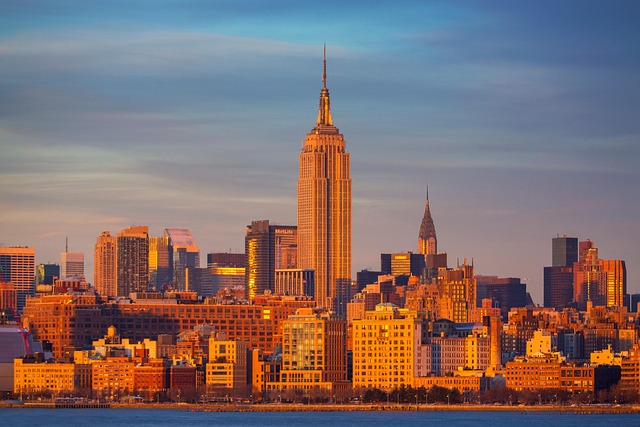
Secure oceanfront property upgrades in US beach towns during late summer and autumn by booking immediately after Labor Day to leverage post-peak occupancy drops for higher-tier rooms at baseline rates. Target boutique hotels and independent vacation rentals on Airbnb and Vrbo for flexible pricing control that yields complimentary category bumps normally commanding a 30 percent to 50 percent premium in July and August. Southern California limits free upgrades to mid-week stays due to extended Indian summer demand through October, while Mid-Atlantic and Gulf Coast properties offer immediate post-Labor Day vacancy surges. Account for the Atlantic hurricane season from June 1 through November 30, with peak activity between mid-August and late October, by pairing flexible cancellation terms with travel insurance covering named tropical storms.
| Property Type | Best Booking Window | Typical Upgrade Discount | Key Restriction |
|---|---|---|---|
| Boutique Hotel | 14 to 30 days prior | Complimentary room tier bump | Mid-week stays only |
| Vacation Rental (Airbnb/Vrbo) | 30 to 45 days prior | 30% to 50% off oceanfront rates | Non-refundable severe weather risk |
| Resort Property | 7 days prior (last-minute) | Space-available ocean view upgrade | Excludes holiday weekends |
Contact independent property managers directly via phone or email 30 days before a late September arrival to request an unadvertised oceanfront upgrade using flexible shoulder-season dates.
Exceptions to the rule: When fall weather turns against you
Unpredictable autumn weather disrupts coastal travel when Atlantic tropical storm activity peaks between mid-August and late October, directly contradicting the standard shoulder-season playbook. The official Atlantic hurricane season runs from June 1 through November 30, bringing heavy rainfall, storm surges, and high winds that can shut down coastal access entirely.
Regional geography creates strict weather exceptions. Pacific Northwest destinations like Cannon Beach experience some of their clearest and calmest weather windows during September before heavy autumn rains arrive by November. Conversely, travelers visiting Northern California or Pacific Northwest beaches in late summer encounter heavy coastal fog locally known as Fogust and Nevember, which drastically lower ambient temperatures despite calendar dates falling in peak warmth periods.
Travelers must avoid booking non-refundable coastal vacation rentals during peak tropical storm months without verifying comprehensive travel insurance coverage for named storms. Visitors also routinely overlook the operational risk of visiting beach towns past Labor Day, assuming all boardwalk amusements, restaurants, and seasonal trolley services remain fully operational when many local businesses immediately slash hours or close for the season.
Mitigate weather and operational risks by monitoring real-time marine observation data through the National Data Buoy Center to track wave heights and water temperatures before finalizing any non-refundable transit bookings. Always secure lodging through platforms offering flexible cancellation policies up to 48 hours prior to check-in, ensuring you can pivot your itinerary if a named tropical system threatens your chosen coastal destination.
Best alternative coastal spots for avoiding the crowds in 2026
Escape peak over-tourism by targeting secondary coastal markets where crowds drop significantly after Labor Day. Roughly eight out of the ten most in-demand US travel destinations are coastal beach towns, driving heavy congestion during July and August.
Verify local operating hours before booking, as many seasonal boardwalk amusements, regional trolley services, and waterfront restaurants scale back operations or close entirely immediately following Labor Day.
Regional geography dictates distinct weather rules: Pacific Northwest destinations like Cannon Beach offer some of their clearest, calmest weather windows during September before heavy autumn rains arrive by November, whereas Northern California and Pacific Northwest coastal areas experience heavy summer fog.
What to do next
With roughly 70% of travelers heading to coastal spots and peak-season crowds clearing out, late summer and autumn offer the ideal window to secure prime oceanfront rentals. Use this step-by-step checklist to lock in your trip details securely before you go.
| Step | Action | Why it matters |
|---|---|---|
| 1 | Check regional shoulder-season operating dates for boardwalk amusements, seasonal trolleys, and local restaurants. | Assures you won't encounter closed attractions or limited dining options immediately following Labor Day. |
| 2 | Verify travel insurance coverage specifics for named tropical storms before securing your lodging. | Protects your financial investment against disruptions during the peak Atlantic hurricane and tropical storm window. |
| 3 | Book oceanfront short-term rentals or coastal hotel stays targeting mid-to-late September. | Takes advantage of reduced crowds, residual ocean warmth, and lodging rates dropping by 30% to 50% from peak summer highs. |
| 4 | Monitor NOAA tropical weather outlooks actively throughout August, September, and October. | Allows you to track potential storm systems early and adjust travel plans safely during the official hurricane season. |
Also worth reading Florida Locals Reveal the Absolute Best Summer Travel Destinations Top 7 Hidden Beach Towns 7 Hidden Gems Along the Jersey Shore
Quick answers
When do peak crowds actually drop at major US beach towns?
Peak crowds at major US beach towns drop immediately after Labor Day, when seasonal rental demand plummets by up to 50 percent as school calendars resume. Roughly 70 percent of Americans target coastal locations during July and August, while the Atlantic hurricane season offic...
How to book flights and hotels for late summer coastal deals?
Hotel and short-term rental rates in major East Coast and Gulf beach markets decrease by 30% to 50% between peak July rates and mid-October shoulder pricing. Airfares to regional coastal airports drop significantly immediately following Labor Day as family leisure travel deman...
What you save on shoulder-season rentals and airfare?
Travelers targeting US beach towns between mid-September and late October routinely save 30 percent to 50 percent on short-term rentals and hotels compared to peak July and August rates. This steep pricing contraction occurs because roughly 70 percent of American leisure trave...
Where ocean temperatures stay warm enough for swimming in autumn?
Ocean water temperatures along the Mid-Atlantic and Northeast coasts retain residual summer warmth through mid-September, making swimming viable despite dropping air temperatures, whereas Southern California coastal destinations experience their warmest ocean water temperature...
How lodging prices and rental availability shift after Labor Day?
Hotel and short-term rental rates in major East Coast and Gulf beach markets decrease by 30% to 50% between peak July rates and mid-October shoulder pricing due to post-Labor Day demand contraction. Booking non-refundable rentals during the Atlantic hurricane season—which runs...
How to secure the best oceanfront property upgrades?
Target boutique hotels and independent vacation rentals on Airbnb and Vrbo for flexible pricing control that yields complimentary category bumps normally commanding a 30 percent to 50 percent premium in July and August. Account for the Atlantic hurricane season from June 1 thr...
Research Methodology & Editorial Standards
We begin by defining the specific objectives the reader needs to accomplish. Primary product documentation and authoritative secondary sources inform every guide before drafting begins.
Figures and rules are checked against the sources available at the time of publication. Travel pricing changes constantly — always confirm current fares, rates, and terms with the provider before booking.