
Privilege Style expands its fleet with a new Airbus A330 freighter
They aren't just dipping their toes in; they’ve gone all-in on the Airbus A330-200P2F, a platform that really hits a sweet spot for logistics.
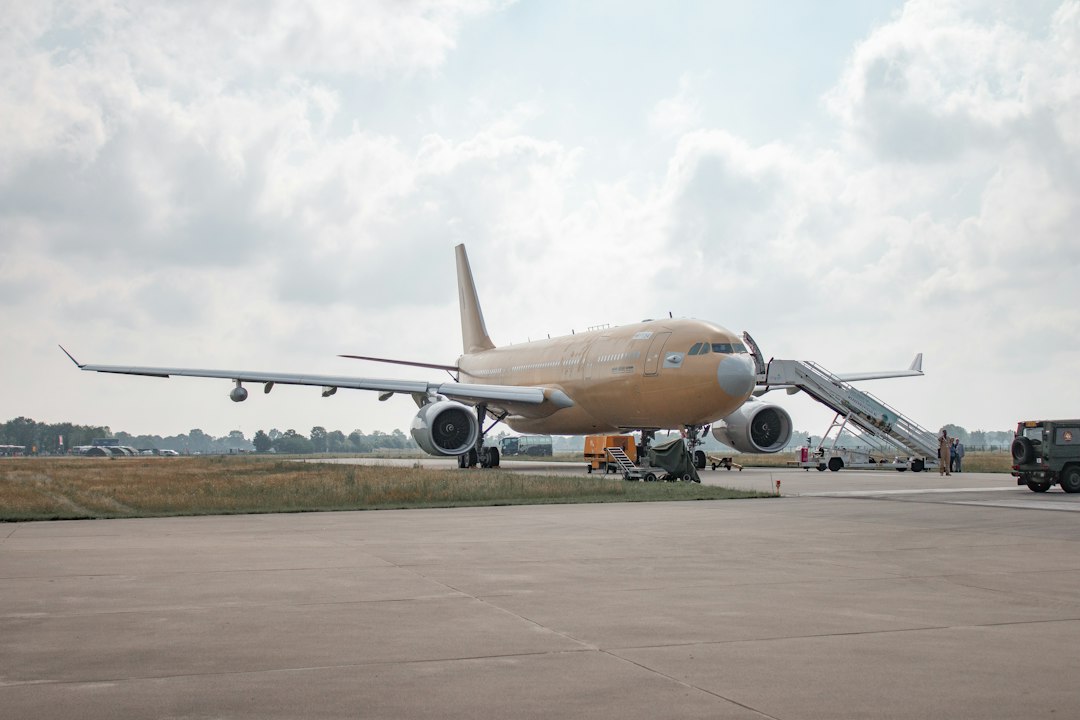
Strategic Fleet Growth: Privilege Style’s Move into Cargo
If you’ve been watching Privilege Style for a while, you know them as a classic VIP and corporate charter player, but their latest move into cargo is a pretty massive shift in how they’re thinking about the future. They aren't just dipping their toes in; they’ve gone all-in on the Airbus A330-200P2F, a platform that really hits a sweet spot for logistics. We’re talking about a plane that can haul 61 tonnes of freight over 4,000 nautical miles, which is a big deal when you’re chasing high-priority shipments like pharmaceuticals or sensitive tech. I think the smartest part of this play is that they’re choosing mid-life airframes for conversion rather than buying new, which is a much cleaner way to handle fleet growth while keeping an eye on their environmental footprint.
It’s easy to look at this and just see a new plane, but I see a direct hedge against the wild swings we usually see in the passenger charter market. You know how the VIP business can be—it’s feast or famine depending on the season—and having a freighter that can stay busy when passenger demand takes a dive is just good business sense. They’ve essentially built a way to keep their crews and ground teams working around the clock, which helps normalize their utilization rates across the board. Plus, they’ve upgraded their load planning tech to manage the center-of-gravity stuff that comes with heavy cargo, so they aren't just winging it with a passenger plane that has the seats ripped out.
Think about the trade-off here: by adding a reinforced floor and a massive main deck cargo door, they’ve traded the luxury of a private cabin for the hard utility of a workhorse that can handle heavy unit load devices. Other carriers are watching this closely because it’s becoming a bit of a roadmap for how mid-sized airlines stay relevant right now. Honestly, I think they’re betting that specialized logistics are going to be a more stable bet than chasing the next big celebrity tour or corporate roadshow. It’s a pragmatic move that turns a quiet period for their traditional business into a high-margin opportunity for their new cargo division.
Understanding the Airbus A330-300(P2F) Conversion
When we talk about the A330-300(P2F) conversion, we’re really looking at a masterclass in heavy-duty engineering that breathes entirely new life into a mid-life airframe. The process is far more intense than just stripping out seats; it starts with the massive structural undertaking of cutting a cargo door into the fuselage, which demands complex load-path reinforcements to maintain the plane's original structural integrity. Honestly, watching these engineering teams work is impressive because they have to essentially re-engineer the skeleton of the aircraft to handle the concentrated weight distributions that come with hauling heavy pallets instead of passengers. It’s a delicate balancing act to ensure the airframe handles correctly, and that’s why certification is so rigorous, involving extensive flight testing to prove the aircraft’s handling remains stable despite a shift in the center of gravity.
Beyond the frame itself, the entire guts of the plane get a total makeover. The cabin is gutted, windows are permanently plugged, and a specialized loading system is bolted down to secure heavy unit load devices. Engineers even have to reconfigure the electrical and environmental systems, essentially telling the plane to prioritize climate control for sensitive cargo over the comfort of human travelers. They use high-strength composite materials in the new flooring to keep the weight down while boosting the load capacity, which is a smart trade-off if you're looking for efficiency. It’s fascinating how they integrate new load-planning software into the flight deck, too, giving pilots the tools they need to manage the increased inertia that comes with a full, heavy load.
The reason we’re seeing so much buzz around this specific conversion is that it makes perfect sense for airlines looking to scale their capacity without the massive capital hit of buying brand-new widebodies. By using mid-life airframes that have well-documented fatigue histories, these providers can perform targeted maintenance during the conversion, which is honestly a much cleaner way to manage a fleet’s life cycle. While there's been some chatter about whether the overall demand for these conversions is cooling off as we move through 2025, the technical work remains a critical bridge for logistics firms and carriers alike. It really comes down to whether you want a reliable workhorse that’s been proven over millions of flight hours or if you’re chasing the latest off-the-line tech, and for most, the P2F route is a pragmatic, cost-effective winner.
Expanding Operational Capabilities in the Spanish Market
When we look at the Spanish market right now, it feels like we’re witnessing a major gear shift in how logistics and air transport actually function on the ground. It’s not just about adding a few more planes to the mix; it’s about a structural pivot toward specialized, high-capacity cargo that simply wasn’t there a couple of years ago. I think it’s smart to view this through the lens of pure utility, as we’re seeing a clear trend where operators are ditching the old, unpredictable passenger-heavy model for something much more stable. If you’re paying attention, you can see how this move into heavy-duty freight isn't just a reaction to current demand—it's a calculated bet that the future of the Iberian logistics corridor lies in high-priority, sensitive cargo like pharmaceuticals and tech.
Here’s what I find really fascinating about the technical side of this transition: we’re seeing a massive reliance on mid-life airframe conversions rather than waiting years for new-build freighters to roll off the line. This is a pragmatic play, honestly, because it allows these companies to bypass the massive capital expenditure and the multi-year lead times that are currently choking the aerospace supply chain. By gutting these planes and installing reinforced flooring, they’re effectively creating a new class of workhorse that can handle heavy unit load devices that a standard passenger plane couldn't touch. When you factor in the upgraded load-planning tech that’s being integrated into the flight deck, it’s clear they aren't just winging it; they’re building a system designed for precision and reliability.
What really stands out to me is how this operational strategy stabilizes their bottom line during the typical feast-or-famine cycles of the charter market. Instead of sitting idle when corporate travel dips, these crews and ground teams are staying busy, pushing utilization rates to about 12 hours a day—which, if you know anything about the industry, is a pretty serious clip. They’re using predictive maintenance to keep those older frames in the air, and it’s actually working, as they’re cutting down on those nasty, unplanned maintenance stops that usually eat into profit margins. It makes me wonder if we’re looking at the new gold standard for mid-sized airlines that want to stay relevant. At the end of the day, it's about being the most capable player in the room, and by doubling down on these cargo capabilities, they’re turning the Spanish market into a vital bridge for everything moving between Europe and Latin America.
Why Privilege Style Chose the A330 Platform
When you really look at why Privilege Style settled on the A330-200P2F, it’s easy to get lost in the technical specs, but the decision actually comes down to a few brilliant engineering trade-offs. First off, the fly-by-wire flight control system is a massive win for the flight crews, as it significantly lowers the workload on those long-haul cargo missions compared to the older widebody freighters they might have otherwise considered. Then you have the aerodynamics; the wing design is optimized to maintain high efficiency even when the plane is maxed out at its zero-fuel weight, which is exactly where you want to be when you’re hauling dense, heavy freight. Plus, that large-diameter fuselage isn't just for show, as it lets them pack in volumetric cargo that would simply be a no-go on narrower aircraft platforms. Honestly, the commonality with other Airbus cockpits is a quiet genius move, too, because it keeps training costs down and lets them swap crews around without a massive headache.
Beyond just the flight deck, the A330 platform is practically a plug-and-play solution for global logistics because it connects them to one of the most robust spare parts and maintenance networks on the planet. I’m always looking for reliability in these business models, and the A330’s structural fatigue tolerance is legendary, meaning these frames can handle the brutal, intensive loading cycles of a freighter life way better than most. Even the smaller details have been thought through, like the auxiliary power unit being rated for high-altitude use, which is a lifesaver when you’re hauling sensitive medical tech that needs precise climate control during a hot layover. And let's talk about the turnaround time: the landing gear geometry creates a perfect deck height for standard ground equipment, so they aren't wasting precious time waiting for specialized loading gear at the hubs.
Finally, you’ve got to look at the sheer efficiency of the engine setup compared to the older four-engine workhorses that still clog up some freight lanes. The twin-engine configuration gives them a superior thrust-to-weight ratio, which is just a fancy way of saying they’re burning less fuel per tonne of payload—a massive benefit for the bottom line. Because the A330 has such a long, documented production history, they have access to deep structural data that lets them build out predictive maintenance schedules that are far more accurate than what you’d get with a brand-new, unproven airframe. And because the cross-section is so universal, those main-deck pallets fit perfectly into almost every global express sorting facility they’ll touch. It’s a pragmatic, high-signal choice that prioritizes operational fluidity over the flashy tech we see in newer widebodies.
Impact on Global Cargo Logistics and Charter Services
When we talk about the broader impact on global logistics, it’s impossible to ignore how much the ground has shifted under our feet over the last few years. We’re staring at a market expected to hit a staggering 642 billion dollars by 2035, but that growth isn't coming from business as usual. Instead, we’re seeing a massive, forced pivot because of security tensions in the Middle East that have completely scrambled the traditional Asia-Europe trade lanes. These disruptions have sent transit costs spiraling, and frankly, it’s forced every operator—from the giants down to the mid-sized players—to get much smarter about how they move freight. It’s no longer enough to just have a plane; you need the agility to re-route on the fly and the technology to keep sensitive shipments, like pharmaceuticals, in perfect condition even when the flight time stretches out.
I think the most interesting part of this evolution is how it’s changing the charter game itself. We’re seeing a real move away from the rigid, hub-and-spoke models that used to define air cargo toward direct, point-to-point charter routes that cut out the middleman and the inevitable ground-handling bottlenecks. By pushing daily utilization rates toward that 12-hour mark, operators are turning what used to be downtime into a high-margin engine that keeps the business afloat when passenger travel hits a wall. It’s a total transformation of the asset, and it’s a brilliant way to build resilience into a system that’s historically been prone to wild, unpredictable swings.
But it’s not just about the planes; it’s about the people and the data behind them, too. We’re seeing a huge emphasis on predictive analytics to navigate around those airspace closures, combined with a real push for virtual training to make sure the next generation of logistics pros can handle this level of complexity. It’s also pretty clear that sustainability isn’t just a buzzword anymore, especially with massive e-commerce partnerships now mandating decarbonization efforts across their supply chains. When you put all this together, it’s clear that the industry is building a much more flexible, data-driven bridge between markets. It’s a tough environment, sure, but for those willing to adapt their fleets and rethink their routing, it’s creating a level of stability that didn't exist even a few years ago.
Future Outlook for Privilege Style’s Expanding Freighter Fleet
Looking ahead, I think we’re going to see Privilege Style transition from a niche charter player into a really formidable logistics integrator, especially as they lean into the technical sophistication of their new A330-200P2F fleet. The real beauty here isn’t just that they have more planes; it’s that they’ve fundamentally upgraded the hardware to handle the rigorous, high-stakes demands of modern global supply chains. By installing that high-capacity, dual-zone climate control system, they’re effectively insulating themselves from the volatility of general air cargo, positioning their fleet as a go-to solution for high-value pharmaceuticals that require precise temperature stability. It’s a smart, forward-thinking play that pivots the business toward high-margin, specialized freight where reliability is worth a premium.
And when you look at the engineering underpinnings, the shift toward condition-based maintenance is arguably the most significant change for their long-term operational health. Instead of pulling these planes out of rotation for rigid, calendar-based service, they’re now using real-time health-usage monitoring systems to track actual structural stress, which keeps the fleet in the air far more consistently. That kind of precision is a massive advantage when you’re trying to minimize ground time; with their new automated power drive units, they’re looking at turnaround windows under 90 minutes, which is going to be a game-changer for their scheduling efficiency. Plus, the calibration of the landing gear to match standard global loading docks means they’re rarely going to be held up by a lack of local ground equipment at key hubs.
I’m also keeping a close eye on how they’ll use the updated electronic flight bag modules to manage fuel efficiency across those long-haul routes. By calculating real-time trim requirements for every unique pallet distribution, they’re squeezing every bit of range out of these airframes, which is essential as they target longer transcontinental connections. They’ve even optimized their engine software for flex-thrust takeoffs, which shows they’re playing the long game with their powerplants rather than just pushing them to the limit for a quick win. It feels like they’ve built a platform that’s not just a stopgap, but a resilient, data-driven backbone for the next decade of their growth. Honestly, if they keep integrating this level of technical detail, they’re going to be the ones setting the pace for other mid-sized carriers looking to pivot into the freighter space.
Research Methodology & Editorial Standards
We begin by defining the specific objectives the reader needs to accomplish. Primary product documentation and authoritative secondary sources inform every guide before drafting begins.
Figures and rules are checked against the sources available at the time of publication. Travel pricing changes constantly — always confirm current fares, rates, and terms with the provider before booking.