
How to Protect Yourself From Airport Scams When You Land
In places like Italy or various major airports, these individuals often swarm transit hubs to intercept you before you ever reach an official, regulated taxi stand.
Identify and Avoid Illegal Unlicensed Taxi Services
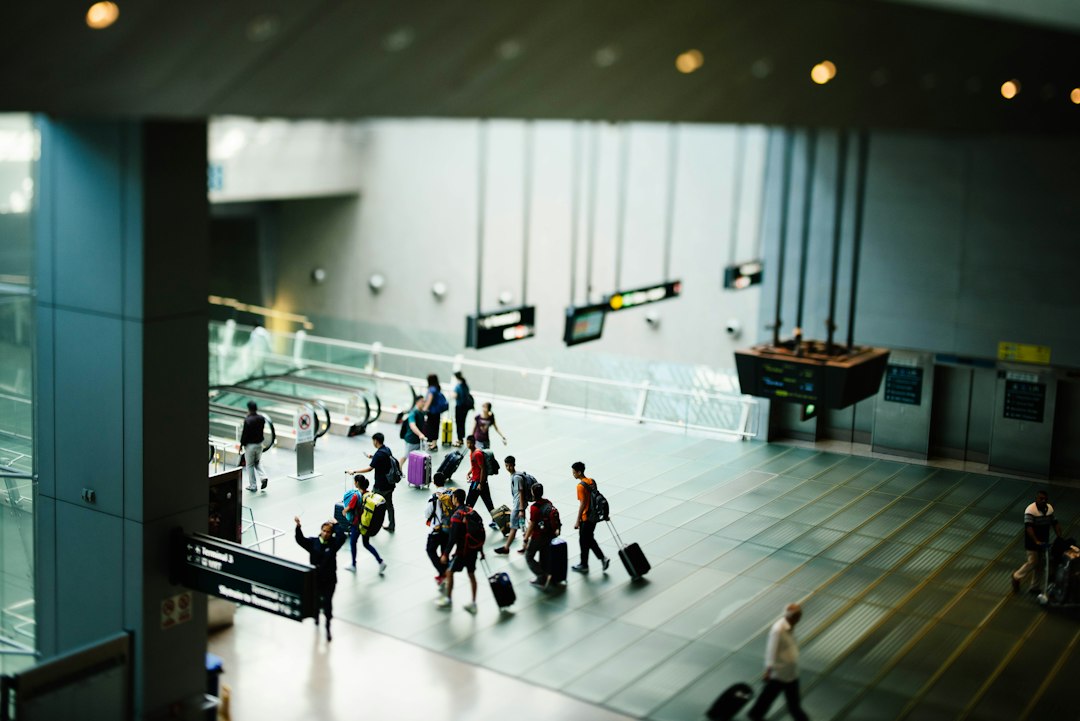
When you first step off a plane and into a crowded arrival hall, it is easy to feel overwhelmed, and that is exactly when predatory taxi drivers are looking to strike. I’ve seen this pattern time and time again where unlicensed operators hang around high-traffic zones, specifically hunting for travelers who look tired or confused. These drivers often use magnetic signs that can be whipped off in seconds if they spot law enforcement, making them masters of the vanishing act. The reality is that these illegal services lack the mandatory background checks and vehicle inspections that keep you safe, and they rarely carry the necessary commercial insurance. If something goes wrong, you have absolutely no recourse because there is no digital record of your journey.
Think about the psychological pressure you feel when someone is aggressively pushing a ride on you; that’s a classic sign you should walk away. In places like Italy or various major airports, these individuals often swarm transit hubs to intercept you before you ever reach an official, regulated taxi stand. I’ve read reports of tourists being charged seven times the standard metered fare, which is a massive hit to your budget that ruins the start of a trip. While legitimate taxi companies provide transparent, pre-negotiated contracts or reliable meters, these rogue operators almost always demand cash to keep the transaction untraceable. You’re essentially handing your money to a stranger with zero accountability.
It is honestly frustrating how hard some of these cars try to blend in, but there are always subtle clues if you know where to look. Official, licensed vehicles are almost always required to display tamper-proof registration decals or specific, government-issued medallions on the dashboard. I always recommend checking the local airport’s official website before you fly to see exactly what their taxi license plates or permit colors look like. If you don't see those specific markings, don't get in the car, no matter how convincing the driver seems. It takes less than a minute to verify these details, and that one minute is the difference between a safe ride to your hotel and a total travel disaster.
Protecting Your Belongings Against the Suitcase Swap Scam
The most unsettling thing about the suitcase swap isn't just that your bag goes missing; it’s that you might walk right past your own luggage without realizing someone else has already tampered with the contents or the baggage tag. I’ve seen this happen where criminals target high-end, generic suitcases because they’re incredibly easy to blend into a crowd, making it nearly impossible for you to spot the difference on a busy carousel. The real risk here is that your bag could be misrouted or even used for illicit purposes if a thief decides to swap your tag with their own. Honestly, the best defense is to make your bag look completely unappealing to a thief. I always suggest using a non-branded luggage cover or a neon-colored strap, which transforms your bag from a high-value target into something too distinct to steal unnoticed.
But it goes beyond just aesthetics. You should absolutely remove every single old barcode sticker from your bag before you check it, because automated scanners can get confused and send your belongings to the wrong terminal entirely. If you want some peace of mind, tuck a business card or a printed itinerary inside the main compartment so that if the external tag is ripped off, authorities can actually prove it’s yours. I’ve also started taking a quick photo of my luggage from every angle before I drop it off; having that visual evidence on your phone can be a lifesaver if you ever need to file a claim with customs or an airline.
Think about it this way: technology is your best ally in the reclaim area. I’m a huge fan of keeping a digital tracking device inside the bag, as that real-time location data is the only way to know if your suitcase was moved to a different carousel or left in a staging area where cameras don't reach. It’s also worth noting that while those TSA-compliant locks are great for peace of mind, they aren't foolproof against someone determined to pry open a zipper. That’s exactly why the smartest strategy is to keep your most expensive electronics and valuables in your carry-on bag at all times. If you do get to the carousel and find your bag is gone or looks like it’s been messed with, don't wait—head straight to the airline's baggage service office to file a report immediately, as that paper trail is non-negotiable for insurance purposes.
Navigating Fake Wi-Fi Networks and Digital Security Risks
You know that moment when you’re desperate to check your email or refresh your boarding pass, so you just tap on the first "Airport_Free_WiFi" network you see? We’ve all been there, but honestly, it’s one of the riskiest habits you can have. Data shows that about one in four people have dealt with a security breach after using an unsecured network, and in busy transit hubs, that number feels even more real. Think about it: a malicious actor can set up an "evil twin" network that looks identical to the official one, essentially setting a digital trap. Once you connect, they’re sitting in the middle of your traffic, watching everything you send or receive in real time. It’s not just about your password; they can potentially inject scripts into your browser or even target connected hardware, and it’s way easier for them than you’d imagine.
Don't fall for the trap of thinking a VPN makes you bulletproof, either. While a VPN is a must-have tool, it doesn’t stop someone from tracking your device metadata or spotting patterns in your traffic. Plus, if your phone is set to "auto-join" known network names, it might be shaking hands with a rogue hotspot before you’ve even pulled your device out of your bag. Even the modern car you might be renting or driving is a potential target if it links to a compromised airport network. Honestly, the smartest move is to just turn off Wi-Fi and Bluetooth entirely while you're in the terminal.
If you really need to get online, your cellular data plan is your safest bet—it's just a different, much harder infrastructure to compromise. Disable your file sharing and AirDrop settings too, because those are basically open doors for someone nearby to push a malicious file onto your device. I know it’s annoying to burn through your data, but it’s a small price to pay to avoid having your credentials harvested by a fake portal. Before you land next time, take a second to clear out your saved Wi-Fi list and make sure your phone isn't set to hunt for connections on its own. It’s all about staying a step ahead of the people hanging around those terminals, waiting for someone to make a simple, preventable mistake.
Spotting Distraction Theft Tactics in Arrival Terminals
When you finally step into an arrival terminal, your brain is already shifting gears from travel mode to ground navigation, and that transition is exactly when you’re most vulnerable. I’ve noticed that thieves love those first thirty feet outside baggage reclaim because that’s where our cognitive load peaks while we’re juggling bags and checking maps. It’s wild, but psychological studies show that when something sudden or chaotic happens, our ability to monitor our immediate surroundings drops by as much as fifty percent. This is what we call inattentional blindness, and it’s the primary tool in a pickpocket’s kit. You might think you’re alert, but if your focus is pulled toward a minor incident, your physical perimeter effectively disappears.
The most common tactic I’ve seen involves coordinated teams working in pairs to exploit your natural empathy or curiosity. One person might intentionally spill a drink or drop items near you, forcing you to look down or react, while their partner silently lifts valuables from your bag. Sometimes it’s even subtler; someone might bump into you or crowd your space at an exchange kiosk, triggering a physical reflex that shifts your attention away from your pockets or carry-on. They’re often watching you well before you realize it, sometimes marking their targets back at the jet bridge to study your habits. I’ve seen these rings use children or elderly individuals as bait, knowing perfectly well that you’re hardwired to prioritize helping someone in need over guarding your own gear.
You really have to watch out for environmental cues that might be masking a setup. If someone suddenly points at a non-existent stain on your jacket or taps your shoulder with a fake question about the time, they’re creating that vital moment of distraction they need to strike. It’s also worth noting that wearing noise-canceling headphones acts as a form of sensory deprivation that makes you an easier target, as you can’t hear the subtle movements of someone closing in on your space. Even a distant commotion near a departure gate can be a calculated decoy meant to draw your eyes and security personnel away from the real theft zone. Honestly, the best defense is to keep your belongings close, stay aware of who’s hovering near your personal bubble, and remember that if a situation feels overly chaotic or forced, it’s almost always better to keep walking than to stop and engage.
Verifying Official Airport Transportation and Help Desks
When you are navigating a massive arrival hall for the first time, distinguishing between an official help desk and a clever imitation is a skill that can save you a world of trouble. I always suggest starting your verification process by checking the airport’s master facility map, which typically details the exact color-coded signage and uniform standards used by their authorized personnel. If you are standing in front of a desk, take a second to look for a municipal permit number; these are almost always required for legitimate ground transportation vendors and should correlate directly with the airport authority’s own public database. You’ll find that official, permanent help desks are rarely mobile, as they are usually bolted to the flooring or integrated into the terminal's architectural design, whereas temporary or makeshift setups are a major red flag.
Another thing to keep in mind is that real airport staff are strictly prohibited from soliciting your business in the middle of a crowded arrival hall. If someone approaches you to offer transportation services or points you toward a "special" desk that is tucked away in a non-public corridor, walk the other way. You should also be looking for a holographic seal on any government-issued identification badges worn by desk employees, as these are intentionally difficult for scammers to replicate. Whenever you purchase a transport voucher from a verified desk, ensure it includes a unique QR code that links directly to the driver's license plate and commercial insurance certification.
Honestly, the digital layer of security is just as important as the physical one. If you are using a terminal navigation app provided by the airport, check if it lists that specific service provider; it’s a simple, high-signal way to confirm you’re in the right place. Legitimate desks are also legally required to provide a receipt that clearly displays a physical business address and a verified customer support line. If you are ever in doubt, just ask to see their operating license, which must be visible to the public by law in any regulated facility. It feels a bit formal to ask, but it is the surest way to separate a real service provider from someone waiting to take advantage of your lack of local knowledge.
Why You Should Never Accept Help With Your Luggage from Strangers
Security protocols at major international airports often categorize unsolicited assistance as a classic social engineering tactic designed to gain proximity to your personal items. When a stranger offers to lift your bag into an overhead bin or place it on a conveyor belt, they're essentially attempting to assess the weight and contents to determine if your gear is worth targeting later. I’ve seen this pattern enough to know that the moment you relinquish control, you lose your primary defense against opportunistic theft. Airport security systems are designed to monitor for individuals who hover near baggage carousels without luggage of their own, as they’re specifically scanning for travelers who look overwhelmed enough to accept help.
In many jurisdictions, baggage handling is strictly regulated, and allowing an unauthorized person to touch your bag can actually void your travel insurance coverage for lost or stolen items. Criminal groups frequently use the help-with-luggage gambit to perform a quick sleight-of-hand switch, replacing your tag with one that redirects your suitcase to a different destination where their accomplices are waiting. Beyond the physical theft, there’s a psychological layer here; accepting help creates a subconscious sense of social debt that makes you far less likely to challenge that person if they start acting suspicious or getting too close to your pockets. It’s a calculated move that exploits your natural politeness to lower your guard in a high-stress environment.
Some smuggling rings even use unwitting travelers by sliding illicit substances or prohibited goods into exterior pockets while pretending to assist you. If you’re ever caught with those items at a checkpoint, proving you didn't knowingly possess them becomes a nightmare legal battle that can lead to detention or immediate deportation. Most professional security staff are trained to look for passengers who appear to be struggling, as those are the people predators identify as having diminished situational awareness. By keeping your luggage under your sole control, you maintain a necessary physical barrier that prevents unauthorized access to your private documents and electronics. Relying on your own strength or using official airport-provided trolleys ensures that you remain the only person with a verified chain of custody for your belongings from the moment you land until you’re safely through the exit.
Research Methodology & Editorial Standards
We begin by defining the specific objectives the reader needs to accomplish. Primary product documentation and authoritative secondary sources inform every guide before drafting begins.
Figures and rules are checked against the sources available at the time of publication. Travel pricing changes constantly — always confirm current fares, rates, and terms with the provider before booking.