
How to Protect Your Health During Recent Cruise Ship Norovirus Outbreaks
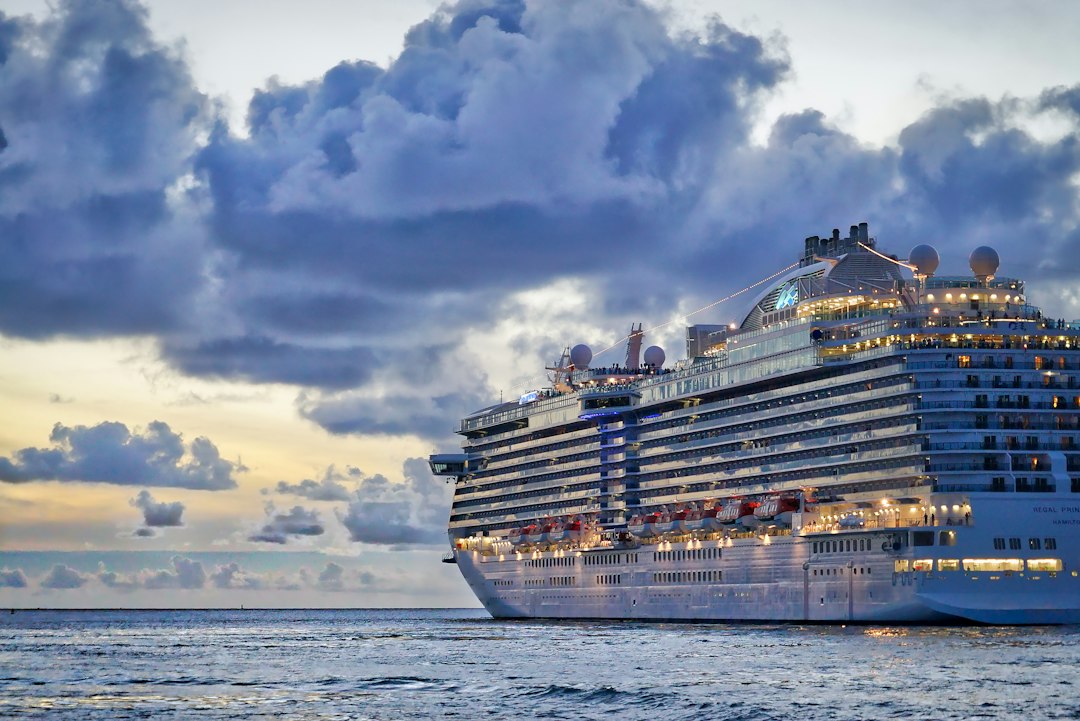
If you've ever wondered why norovirus seems to follow cruise ships like a shadow, it really comes down to the biology of the virus and the unique design of these floating cities.
Understanding Norovirus: Why Cruise Ships Are High-Risk Environments
If you've ever wondered why norovirus seems to follow cruise ships like a shadow, it really comes down to the biology of the virus and the unique design of these floating cities. Norovirus is incredibly resilient, capable of surviving on railings and furniture for weeks, which makes it a nightmare to fully eradicate from shared spaces. What’s more, many common alcohol-based hand sanitizers just don’t work on it because of the virus's specific non-enveloped structure. Think of it as a pathogen that’s perfectly evolved for a high-traffic, semi-enclosed environment where people are constantly touching the same surfaces.
The architecture of a ship doesn't do us many favors, either. These vessels rely on closed ventilation systems, meaning those tiny aerosolized particles from a vomiting incident can linger and circulate through the air longer than you’d expect. Plus, the math is against us: it only takes about 18 viral particles to get a healthy adult sick. When you combine that low threshold with the high density of buffet lines and communal dining, a single contaminated surface can trigger hundreds of infections in just a few hours. It’s a fast-moving chain reaction that’s incredibly hard to break once it starts.
And honestly, the social dynamic on board plays a huge role that we don't talk about enough. People save up for these trips for months, so there’s a real hesitation to report feeling ill if it means risking quarantine or missing out on the experience. That delay creates a massive window for silent transmission, especially since people can keep shedding the virus for days after they actually start feeling better. While modern ships are now using hydrogen peroxide misting tech to hit the crevices that standard cleaning wipes miss, the reality remains that the transient nature of passengers and the limited diagnostic tools at sea mean we’re often playing catch-up with an outbreak that’s already ahead of us.
The Myth of Hand Sanitizer: Why Soap and Water Are Your Best Defense
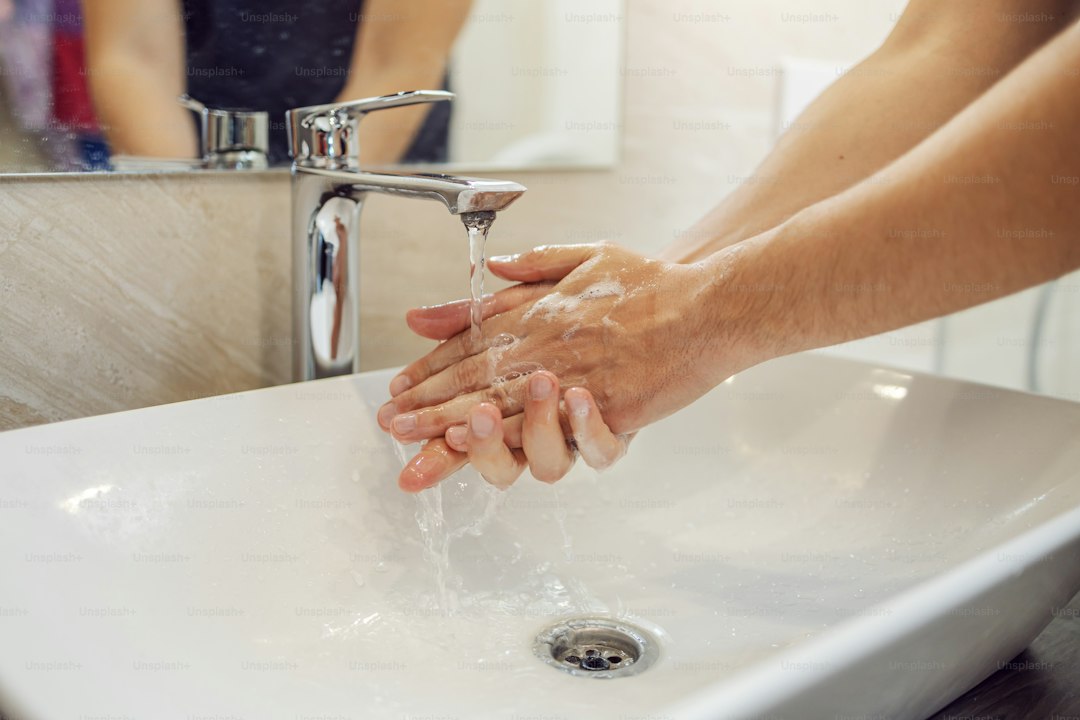
We’ve all been there, standing in a buffet line or waiting for an elevator on a cruise ship, frantically reaching for that little bottle of hand sanitizer thinking we’re effectively wiping the slate clean. But here is the reality we need to confront: that gel is not the medical silver bullet we want it to be, especially against the kind of resilient viruses that thrive in these environments. Think of it this way—soap and water work primarily through mechanical action rather than chemical killing. When you scrub, the friction physically dislodges pathogens from your skin so they can be rinsed away entirely. Alcohol-based sanitizers, by contrast, struggle because they often can’t penetrate the tough, non-enveloped protein shells that protect certain viral genetic material. It’s a bit like trying to wipe a window with a dry cloth when what you really need is a bucket of soapy water to actually lift the grime off the glass.
If your hands are visibly soiled or greasy, those sanitizers are essentially hitting a brick wall because the dirt creates a physical barrier that prevents the alcohol from ever reaching the germs underneath. Even when they aren't dirty, sanitizers often fail to remove common organic matter like food particles or mucus, which effectively shields viruses from the alcohol's reach. Plus, relying on those gels can lead to a buildup of sticky residue that might actually trap future microbes on your skin, which is the exact opposite of what we’re trying to achieve. It’s also worth noting that the twenty-second wash rule isn't just a random guideline to keep us busy at the sink. That specific window of time gives the surfactants in the soap enough space to chemically break down the fatty lipid envelopes of various germs, a process that simply doesn't happen with a quick swipe of sanitizer.
Maybe you’ve wondered if you need scalding hot water to make it count, but the truth is that the agitation of your hands matters far more than the temperature. You don't need to burn your skin to get the job done; you just need to be thorough. The real danger is the false sense of security that sanitizer gives us, which often leads to skipping the sink when we really should be washing up. Don't forget that proper drying is the final, essential step, because damp skin is significantly more efficient at picking up and transferring new bacteria than dry skin ever is. If you’re really looking to stay protected while traveling, treat the sink as your primary defense and the sanitizer as a distant backup for when you’re truly stuck without other options. It’s a simple shift, but it’s one of the most effective ways to actually take control of your health when you’re out at sea.
Essential Hygiene Habits to Maintain While Onboard
Let's be real about the environment we're stepping into when we board these ships. Cabin surfaces, specifically those high-touch spots like light switches and remote controls, can harbor viral pathogens that remain infectious for up to two weeks on non-porous materials. Even after a professional cleaning, the carpet fibers in your room often act as a reservoir for contaminants that standard steam cleaning just can't fully neutralize. I always pack a travel-sized supply of disinfectant wipes to hit those frequently overlooked spots the moment I drop my bags, and I suggest you do the same. It’s a simple, high-signal habit that gives you a baseline of control in a space you'll be calling home for a week.
The engineering behind these vessels adds another layer of complexity we don't often consider. Modern ship ventilation systems prioritize energy efficiency, which can lead to lower air exchange rates in your stateroom compared to what you’d find at a standard hotel on land. Plus, those vacuum-toilet systems are a known concern; flushing can aerosolize microscopic droplets into the tight, confined space of your bathroom. And while we obsess over the buffet, remember that the salt shakers, condiment dispensers, and menu covers in the dining rooms are actually high-risk zones due to their lack of frequent sanitization. I’ve started opting for room service during peak times or when health reports are trending upward, as it drastically reduces the mathematical probability of encountering a contaminated surface in a crowded dining hall.
There’s also the issue of our own gear, which we treat as invisible extensions of ourselves. Your smartphone or tablet is touched repeatedly throughout the day, effectively acting as a bridge that carries viruses from public railings straight to your pillow. I’ve made it a rule to wipe down my phone every evening, and I’ve transitioned to wearing long sleeves and full-length trousers in public areas to minimize the skin surface area exposed to shared furniture. It feels like a small shift, but it creates a physical barrier that works in your favor. If you’re really looking to stay ahead, focus your hand hygiene efforts specifically for that window immediately before a meal, because that is the critical moment when most self-inoculation happens. It isn't about being paranoid; it's about being smart enough to manage the realities of a semi-enclosed, high-traffic environment.
How to Spot Early Symptoms and When to Seek Medical Attention
The first subtle sign of a norovirus infection is often a sudden onset of nausea that can escalate into forceful, projectile vomiting within mere minutes. While many passengers dismiss early abdominal cramping as indigestion from cruise ship dining, these spasms are frequently the body’s initial reaction to the rapid viral replication occurring in the small intestine. A low-grade fever accompanies the illness in about half of all adult cases, serving as a distinct physiological marker that differentiates a viral infection from common motion sickness. Watch for the emergence of non-bloody, watery diarrhea, which typically follows the onset of vomiting as the virus moves through the digestive tract.
Dehydration is the most significant clinical risk, and it can occur with surprising speed due to the combination of fluid loss and the inability to keep oral rehydration fluids down. If you notice a significant decrease in urine output or a dark, concentrated color to your urine, your body has already reached a clinical state of fluid deficit that requires professional intervention. Dizziness or a lightheaded feeling when standing up indicates that your blood pressure may be dropping, a common complication of rapid fluid loss that mandates immediate medical observation. Muscle aches and generalized lethargy are common systemic symptoms, but if these are accompanied by a stiff neck or extreme confusion, you should seek immediate care to rule out more severe neurological complications.
You should prioritize a visit to the ship’s medical center if you are unable to keep any liquids down for more than twelve hours, as intravenous rehydration is often necessary to stabilize electrolytes. Vulnerable populations, including older adults and those with compromised immune systems, should err on the side of caution and report symptoms at the very first sign of malaise rather than waiting for the progression of gastrointestinal distress. Because of the virus's high infectivity, medical professionals advise isolating yourself immediately upon feeling these initial symptoms to prevent the silent spread through common areas. Remember that even when the most acute symptoms subside, you remain highly contagious for at least 48 hours, meaning you should stay in your cabin until a medical officer confirms you are no longer shedding viral particles.
Navigating Public Spaces: Minimizing Contact with High-Touch Surfaces
When we’re navigating the bustling, high-traffic corridors of a cruise ship, I think it’s easy to feel like we’re at the mercy of every shared surface we pass. But let’s pause and look at the actual physics of how these pathogens move from a railing or an elevator button onto our skin. The reality is that incidental contact is incredibly efficient, with studies showing we can pick up viral loads with about 30 percent efficiency from a single touch. It isn't just about the surface itself, either; the duration of your contact matters immensely. Even a brief, heavy press of your fingertip is far riskier than a quick, glancing brush. I’ve started using my non-dominant hand for anything communal, like door handles or light switches, which keeps my dominant hand cleaner and significantly lowers the chance of me accidentally touching my own face later.
It’s also fascinating to see how material science is changing the way we should view these shared spaces. We often assume stainless steel is the cleanest option, but research shows that viruses actually survive longer on those smooth, non-porous materials than they do on more porous fabrics that help desiccate viral particles. While some modern ships are starting to integrate copper-based alloys—which use an oligodynamic effect to essentially shred viral envelopes on contact—or light-activated coatings that generate reactive oxygen to break down contaminants, you can’t rely on those to be everywhere. You’re essentially dealing with a game of probabilities. If you find yourself in a high-traffic zone near an entryway or exit, recognize that these spots statistically harbor higher viral loads simply because they see the most human interaction throughout the day.
The best approach is to be intentional with your physical habits, almost like you’re choreographing your movement through the ship. If I have to press a button, I’ll use my knuckle instead of a fingertip; the skin there is tougher, has fewer sweat glands, and just doesn't provide the same environment for viral persistence. And don’t underestimate the importance of your personal gear, like your luggage or bags, which can easily act as vectors for cross-contamination. I make it a point to maintain a strict no-touch buffer around my belongings, keeping them off communal floors or shared tables whenever possible. It’s not about living in a bubble, but about understanding where the risks actually hide so you can keep your vacation focused on the ocean, not the outbreak.
Staying Informed: How to Monitor Official CDC Vessel Sanitation Reports
If you’re feeling a bit uneasy about booking your next getaway, I completely get it. Before you drop a deposit, I really think you should get comfortable with the Vessel Sanitation Program (VSP) reports hosted by the CDC. It’s the closest thing we have to a "carfax" for cruise ships, and it’s surprisingly straightforward once you know where to look. The program is mandated to inspect any ship carrying 13 or more passengers that calls on a U.S. port, so you’re looking at a pretty comprehensive dataset. You can head over to their site to pull up inspection scores, which are graded on a 0 to 100 scale based on incredibly specific health and safety benchmarks.
Honestly, don’t just glance at the final number; you really want to dig into the actual narrative reports for the juicy details. These docs break down exactly what went wrong during an inspection, whether it’s issues with food temperature controls or chemistry in the water systems. A score of 85 or below is a hard fail, which triggers mandatory follow-up inspections, but I prefer to look for consistent performers that stay well into the 90s. The best part is that these are unannounced, twice-yearly checks, meaning you’re seeing how the crew operates on a random Tuesday, not how they prep for a scheduled visit.
Think of these reports as your personal insurance policy against preventable issues. If you’re checking a specific ship, you can actually look back through years of archived history to spot if a vessel has a habit of recurring sanitation failures. And if there is an outbreak—where at least 3 percent of folks on board get sick—the cruise line is legally required to report daily to the feds, creating a paper trail that forces some real accountability. I usually check these before I even look at the cabin categories, because let’s be real, a clean ship is the foundation of a good trip. It’s a bit of homework, but knowing you’ve vetted the operator’s track record goes a long way toward actually relaxing once you’re on the water.
Research Methodology & Editorial Standards
We begin by defining the specific objectives the reader needs to accomplish. Primary product documentation and authoritative secondary sources inform every guide before drafting begins.
Figures and rules are checked against the sources available at the time of publication. Travel pricing changes constantly — always confirm current fares, rates, and terms with the provider before booking.