
How to Plan a Caribbean Vacation During Hurricane Season Without Worrying
When we talk about the Atlantic hurricane season, it’s easy to look at the official calendar running from June through November and assume those are the only dates that matter for your travel plans.
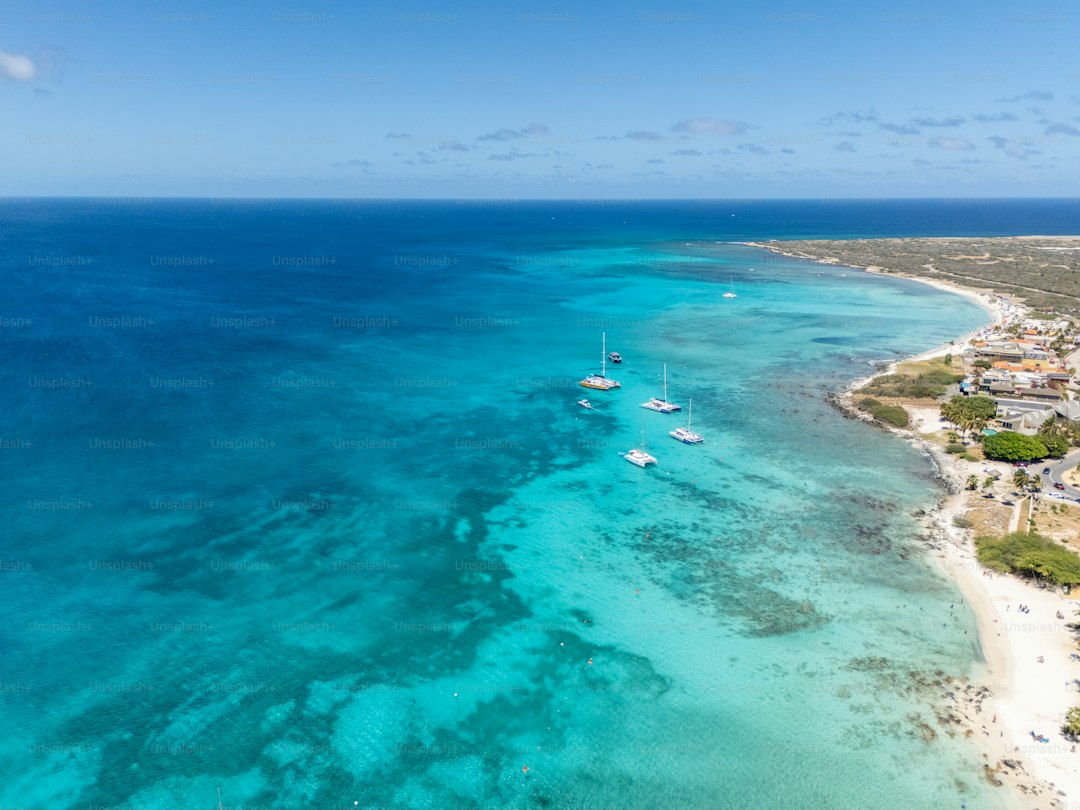
Understanding the Hurricane Season Timeline and Seasonal Risks
When we talk about the Atlantic hurricane season, it’s easy to look at the official calendar running from June through November and assume those are the only dates that matter for your travel plans. But if you’ve spent any time tracking tropical systems, you know that Mother Nature doesn't really care about our administrative windows, and meteorologists now warn that significant weather hazards can pop up in the Caribbean at almost any time of the year. While the 2026 forecast from NOAA points toward a below-normal season, I always remind people that a single major storm is all it takes to shift a quiet year into a total nightmare for your vacation logistics. Think of it less like a rigid schedule and more like a backdrop of fluctuating risk that we have to navigate with eyes wide open.
The real game-changer in these seasonal outlooks is often the El Niño-Southern Oscillation, which acts like a natural brake on storm development by creating wind shear that keeps systems from getting organized. When that vertical wind shear is high, it prevents a storm from stacking up, effectively starving it of the structure it needs to grow into a hurricane. It’s a fascinating, if sometimes terrifying, meteorological dance where ocean heat content plays a massive role as the primary fuel source. We're seeing more evidence that even if surface temperatures seem manageable, the deep-water heat can cause rapid intensification, which is why researchers are leaning harder into long-term climate modeling and satellite data to catch these threats before they even cross the Atlantic.
For those of us trying to plan a trip, it’s helpful to understand that this isn’t just about the number of named storms; it’s about the Accumulated Cyclone Energy, which gives us a much clearer picture of the actual power we’re dealing with. You’ll notice that local infrastructure, like LNG processing, often schedules maintenance during these high-risk months, which is a subtle but telling sign of how the region prepares for potential volatility. Agencies are now pushing for a shift toward year-round readiness because the old six-month window just doesn't capture the reality of our changing climate. My advice? Don't let the seasonal labels lull you into a false sense of security, but don't let the fear of a potential storm paralyze you either, because understanding these underlying rhythms is exactly how you travel smarter.
The Benefits of Traveling During the Off-Peak Summer Months
I’ve always found that the true magic of travel happens right in the margins, especially when you step away from the frantic pace of the typical peak-season rush. Think about it: while everyone else is fighting for a patch of sand or standing in hour-long lines, you could be soaking in the same destination with a fraction of the crowd and a much lower price tag. It’s not just about the obvious savings on flights or hotels, which are undeniably great, but about the shift in the quality of your entire experience. When tourism infrastructure isn't being pushed to its breaking point, you’ll find that staff have the bandwidth to actually engage with you, leading to those authentic, unscripted moments that become the real highlights of a trip.
Beyond the personal perks, there’s a genuine economic and environmental case for moving your plans to these quieter windows. When we spread out travel demand, we’re essentially helping local economies move away from the high-stress, boom-and-bust cycles that can really strain service-based job markets. Plus, from a sustainability standpoint, it’s far less taxing on fragile ecosystems to host visitors over a longer period rather than cramming them into a few high-intensity weeks. You’ll notice that everything just moves a bit slower, from the pace of local life to the ease of navigating major sites without the usual crush of tour groups. It honestly feels like having the place to yourself, allowing you to actually see and breathe the history of a location instead of just rushing through it.
And let’s be real about the practical side of things, like your points and miles strategy, because this is where the savvy traveler really wins. When demand drops, the availability of award seats in those premium cabins increases significantly, making it much easier to burn your hard-earned rewards for a better seat. You aren’t just saving cash; you’re effectively reclaiming the spirit of travel by avoiding the chaotic surges that make everything feel transactional. It’s a smarter way to move through the world, and once you start aligning your calendar with these off-peak rhythms, it’s tough to go back to the status quo. If you’re looking to get more out of your vacation while putting less strain on the destination and your own wallet, this is absolutely the best way to do it.
Essential Steps for Securing Comprehensive Travel Insurance
When you’re planning a Caribbean getaway, especially during hurricane season, it’s easy to feel like you’re just rolling the dice with your finances. Honestly, the most important thing to grasp is that travel insurance isn't a one-size-fits-all product, and the timing of your purchase is often the difference between being covered and being left holding the bill. You really need to act within that narrow 10 to 21-day window after your initial trip deposit to unlock critical benefits like pre-existing condition waivers and the coveted Cancel For Any Reason (CFAR) coverage. If you wait until a storm is already churning in the Atlantic, most providers will label it a foreseeable event, effectively closing the door on your ability to file a claim for weather-related disruptions.
Medical evacuation is another area where I see people get caught off guard; it sounds dramatic, but a private air ambulance flight from a remote island can easily run you over $100,000 if things go south. I always check if a policy offers primary coverage, which means they pick up the tab first without making you jump through hoops with your other insurance providers. It’s also worth looking for specific riders that cover geopolitical instability or armed conflict, as the landscape for these risks has shifted significantly in 2026. If you’re using credit card points for your flights, don't just assume you’re protected; verify that your policy explicitly covers the redeposit fees or the cash value of those miles, because many standard plans aren't built to handle the nuances of award travel.
Finally, think about the concept of due diligence, because insurers will absolutely lean on that clause to deny a claim if they feel you didn't try to minimize your losses once a storm track became public knowledge. I personally make sure to scan for a financial default clause, which acts as a safety net if your cruise line or tour operator goes under, protecting you when you’ve booked individual components separately. And if you’re worried about work-related headaches, keep an eye out for optional add-ons that cover you if your boss suddenly pulls the plug on your vacation time due to staffing shortages. It feels like a lot of fine print, I know, but taking these steps now lets you actually relax on the beach instead of constantly refreshing weather apps and wondering if your investment is safe.
Evaluating Destinations: Which Islands Face Higher Hurricane Risk?
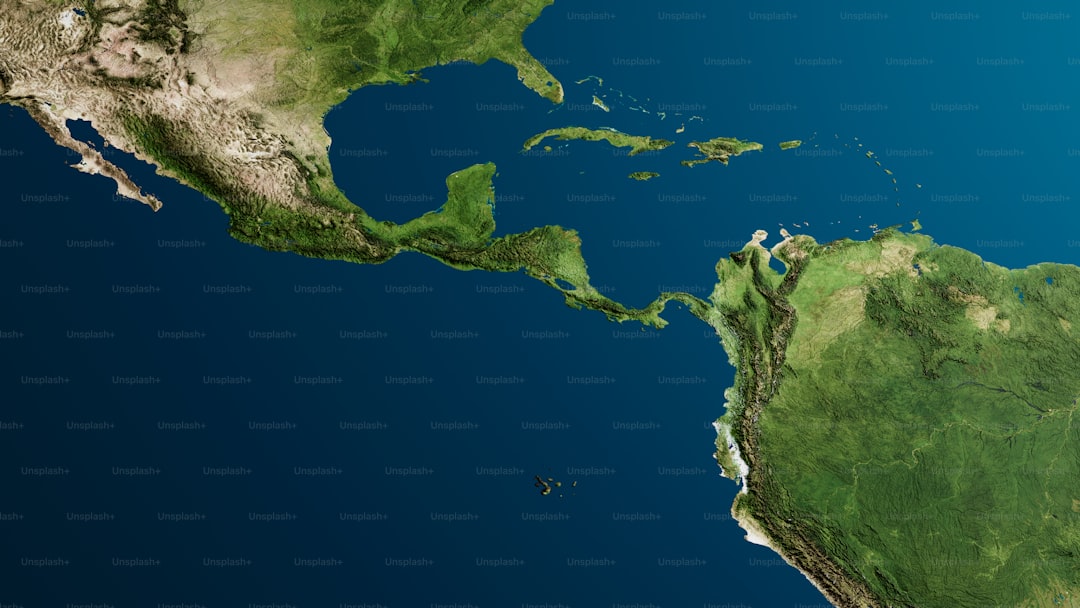
When you’re looking at a map of the Caribbean during hurricane season, it’s tempting to treat every island as equally exposed, but the reality is dictated by specific, often unforgiving, geographic and meteorological variables. The most immediate factor is your destination's position relative to the Bermuda High, which acts as a steering mechanism for most tropical systems; it's exactly why the northern Leeward Islands frequently find themselves in the crosshairs, while the so-called ABC islands—Aruba, Bonaire, and Curaçao—sit safely south of the primary hurricane belt. If you’re trying to minimize risk, that geographic reality is your best friend. But don't just fixate on the wind; the real danger for infrastructure is often the storm surge, which is governed by the island's bathymetry. If an island has a shallow, expansive coastal shelf, it's far more prone to flooding than a destination with a steep, volcanic drop-off near the shore.
It’s also worth noting that we’re seeing a shift in how these storms behave, specifically regarding rapid intensification. We’re witnessing more systems jump from a manageable tropical storm to a major hurricane in under 24 hours, fueled by deep-water heat that wasn't as prevalent in past decades. This creates a nightmare for emergency management because the lead time for evacuations is shrinking, making it harder for local teams to prepare. When you're evaluating a destination, think about its connectivity—does the island rely on a single deep-water port for all its supplies? If that one point of failure is compromised, the entire recovery process stalls, and you can find yourself stranded, much like travelers were during recent storm events in Jamaica.
Finally, we have to talk about how these islands are hardening themselves against the inevitable. You’ll find that the most resilient destinations are those leaning into nature-based solutions, like restoring mangroves and coral reefs, which act as living buffers to dissipate wave energy before it ever touches the beach. It’s a smarter, more sustainable defense than relying solely on concrete seawalls. I always look for destinations that prioritize decentralized emergency networks, as these islands tend to recover faster because they aren't waiting on a single, top-down command structure to function. If you’re feeling anxious about your plans, just remember that understanding these underlying physical and structural rhythms is the difference between blindly hoping for good weather and actually knowing you’ve picked a destination with the natural defenses to handle a rough day.
Practical Tips for Monitoring Weather Patterns and Storm Alerts
Look, if you’re heading to the Caribbean, you’re probably already checking the weather, but most people just stare at a five-day forecast and hope for the best. Instead, you should be digging into the National Hurricane Center’s seven-day Tropical Weather Outlook, which gives you a much better buffer to spot developing systems before they become a real problem. I’d suggest getting comfortable with model ensembles like the GFS or ECMWF, as they show you a range of potential paths rather than just one solid line that might be totally wrong. It’s also smart to keep an eye on Ocean Heat Content maps because that deep-water warmth is what actually fuels rapid intensification, even if the air temps look okay. You can even track Saharan Air Layer maps to see if dry, dusty air is currently choking out any potential storms before they can really get going.
When you’re on the island, don't rely on just one source, because cell towers are often the first thing to go when the wind picks up. I carry a satellite messenger or keep a local emergency radio frequency handy, which feels a bit like overkill until you’re the only one who knows what’s actually happening. Another trick is to look for those official "invest" designations, which are just codes for areas that meteorologists are watching closely for development. If you want to get really granular, check local tide gauge data instead of national headlines; it’ll give you a much clearer, immediate picture of how the water is behaving in your specific bay or harbor.
And please, set up your alerts based on your resort’s exact latitude and longitude rather than just the general regional warnings. Many people miss the mark by focusing on the "cone of uncertainty," which can be misleading, so I’d rather look at ensemble track clusters to see if there’s a consensus or just a chaotic mess of possibilities. Also, keep an eye on the Geostationary Lightning Mapper data if you can; a sudden spike in lightning is often a massive red flag that a storm is about to intensify quickly. It sounds like a lot of extra homework, but honestly, knowing how to read these signs lets you stop refreshing your phone every five minutes and actually get back to your trip. You’re trading constant anxiety for a bit of real data, and that’s a trade I’d make every single time.
How to Build a Flexible Itinerary with Refundable Bookings
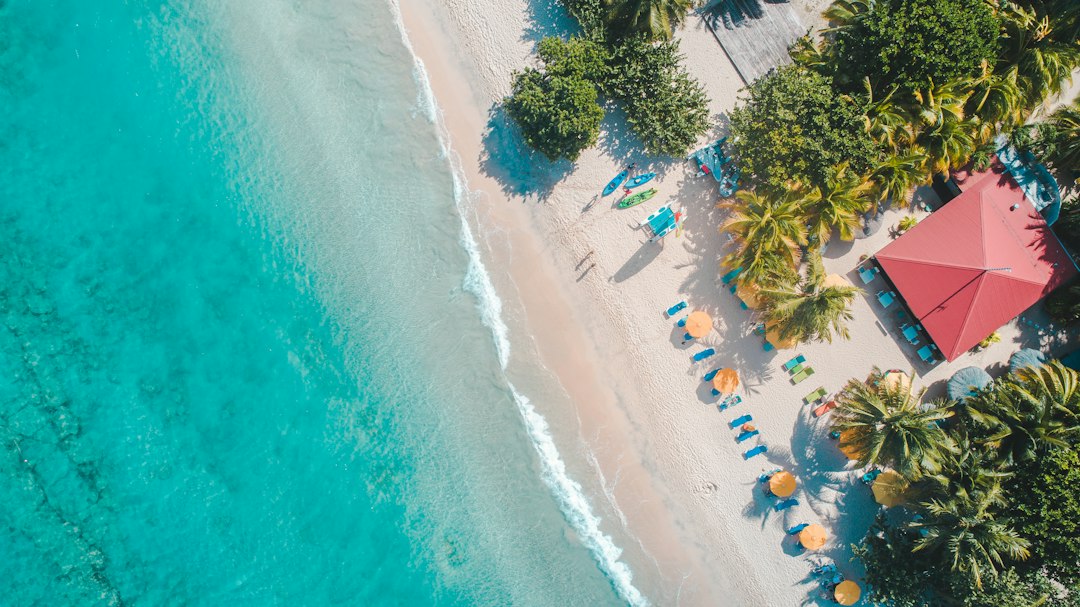
Let’s be honest: building a trip during hurricane season feels a bit like walking a tightrope, but you can actually reclaim your peace of mind by mastering the mechanics of flexible bookings. The biggest trap I see people fall into is assuming that a refundable rate is a catch-all safety net, when in reality, the hidden costs and terms can vary wildly depending on how you buy. Hotels often bake a 15% to 30% premium into these flexible rates as your check-in date approaches, which makes the cost of "peace of mind" add up quickly. And while refundable airline tickets are a gold standard for security, they often carry a price tag that's 40% higher than standard fares. If you're looking to play this smarter, I’ve found that using a 24-hour hold feature is a pro move; it lets you lock in a current price while you take a breath to study the seven-day tropical weather outlooks.
When you're trying to keep your budget intact, remember that points and miles are often your best defense. Most major loyalty programs let you redeposit your rewards for free up to 24 hours before your trip, which effectively bypasses the cash-refund penalties that plague traditional bookings. Just be careful with third-party aggregators, as they can sometimes bundle your components into a single package that locks you into non-refundable terms, even if the individual parts seemed flexible at first. I’ve learned the hard way that booking directly with the property is almost always the better bet, as data shows you're 60% more likely to get a full refund or credit when you aren't fighting through an intermediary's processing fees.
If you’re still feeling uneasy about the volatility, look into the "Cancel For Any Reason" upgrades offered by some credit card travel portals. Yes, they cost an extra 5% to 10% of your total trip value, but they’re often the only way to protect a non-refundable booking when the weather turns. Also, never ignore the "Force Majeure" clause in your contract; this is your legal lifeline that can supersede standard policies if a state of emergency is declared. It’s easy to get caught up in the fine print, but think of this preparation as buying an insurance policy for your sanity. Once you stop treating every booking as a set-in-stone commitment, the anxiety of hurricane season starts to fade, and you can focus on the actual trip instead of the worst-case scenarios.
Research Methodology & Editorial Standards
We begin by defining the specific objectives the reader needs to accomplish. Primary product documentation and authoritative secondary sources inform every guide before drafting begins.
Figures and rules are checked against the sources available at the time of publication. Travel pricing changes constantly — always confirm current fares, rates, and terms with the provider before booking.