
How to navigate major airport security lines like a pro
If you've spent any time standing in a winding, fluorescent-lit security queue watching the minutes tick away toward your boarding time, you know the specific, sinking feeling that comes with a missed connection.
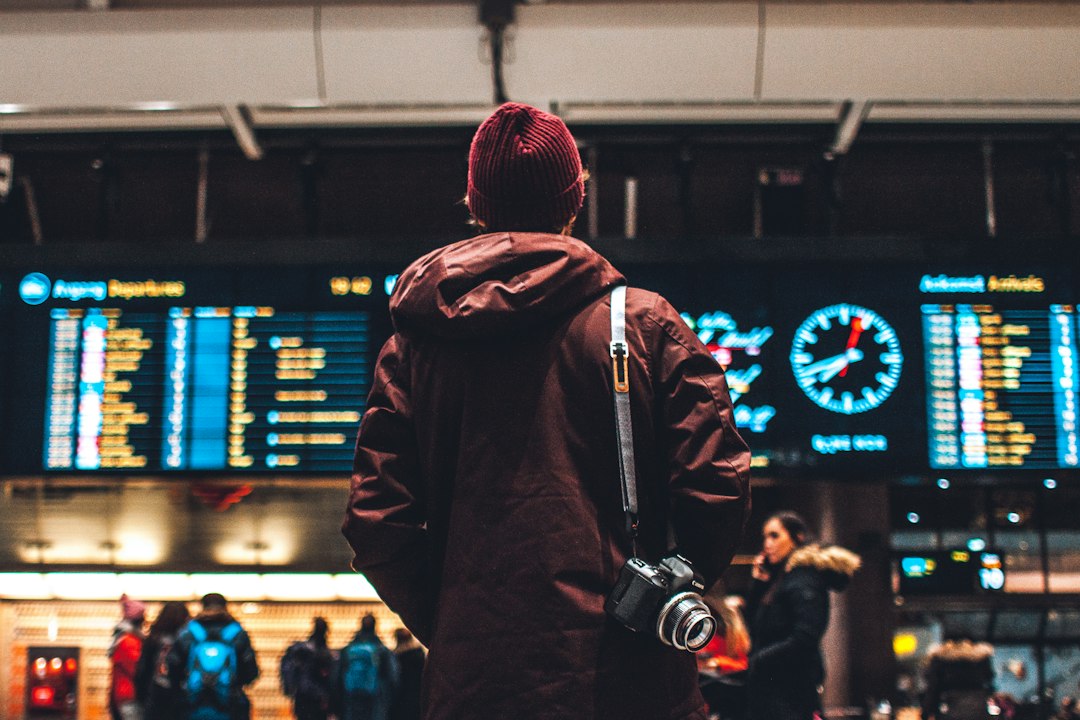
Enroll in TSA PreCheck and CLEAR to bypass standard queues
If you've spent any time standing in a winding, fluorescent-lit security queue watching the minutes tick away toward your boarding time, you know the specific, sinking feeling that comes with a missed connection. Let’s be real: nobody enjoys the ritual of stripping down to their socks or scrambling to dig a laptop out of their bag while a line of impatient travelers builds behind them. Enrolling in TSA PreCheck and CLEAR isn't just about feeling fancy; it’s a strategic move to reclaim your time. Think of it as a tiered efficiency system where each service tackles a different pain point. TSA PreCheck gets you through the screening process without the standard hassle of shedding layers, while CLEAR handles the identity verification phase using biometric data like iris or fingerprint scans.
Here’s what I’ve found in terms of raw performance: when you layer these two, you’re basically running a bypass around the most common bottlenecks in the terminal. CLEAR whisks you to the front of the document check line, and then you slide directly into the PreCheck lane, which boasts a 99 percent success rate for getting passengers through security in under 10 minutes. It’s worth noting that CLEAR is a private, biometric-driven entity, whereas PreCheck is government-run, meaning they aren't the same thing at all—even though they’re often lumped together. If you’re a regular flyer, the math really works in your favor, especially since plenty of premium credit cards now offer statement credits that make the enrollment fees effectively cost-neutral over a few years.
But we should be clear-eyed about what these programs actually do and don’t do. Using them doesn’t grant you immunity from the occasional random screening, which happens at a fixed statistical rate regardless of your status, so you shouldn't expect to be completely invisible to security protocols. Also, don't forget that if you're traveling with family, kids under 17 can often tag along through your PreCheck lane for free, which is a massive relief for parents trying to manage a chaotic departure. While international travelers might be tempted to opt for Global Entry—which includes PreCheck—remember that it doesn’t automatically hand you a pass to the CLEAR lanes. It really comes down to your home airport's infrastructure and how often you're willing to trade a little upfront setup for a much smoother, predictable experience every time you head to the gate.
Master the “Touchless” identity verification system
If you’re anything like me, you’ve probably stood at a security checkpoint fumbling for your driver’s license and boarding pass, feeling that familiar wave of low-level stress as the line behind you grows. It’s exactly that friction that the TSA is trying to solve with their Touchless ID program, and honestly, it’s a total shift in how we approach airport security. Think of this as a government-run biometric bridge that verifies you against the high-quality photo already sitting on your passport or state-issued ID. Unlike the private, subscription-based services we often hear about, this system is a federal initiative, meaning there’s no extra membership fee or hidden cost to start using it. You’re essentially trading a quick digital handshake with a camera for the old-school ritual of handing over physical documents.
Here’s the part that really matters: you don't even need to be part of an expedited lane to potentially see this in action. Many airlines now let you opt-in through their mobile apps, allowing you to link your frequent flyer profile to your identity before you even step foot in the terminal. When you arrive at the checkpoint, a high-resolution camera does the heavy lifting, matching your face against those government-verified databases in mere seconds. Even if you’re wearing glasses or a hat, the algorithms are generally smart enough to handle the scan without a hitch. It’s a cleaner, faster flow that keeps things moving, especially during those peak travel mornings when every second counts.
But I know what you’re probably wondering: what about the data? From what I’ve seen, the TSA’s protocol is pretty strict about privacy, with those temporary snapshots being purged almost immediately after the machine confirms it’s really you. It’s not about keeping a permanent file; it’s about making sure the person standing at the checkpoint matches the person on the manifest. While there’s still a TSA officer right there monitoring the screen to ensure everything is above board, the system drastically cuts down on the manual back-and-forth that usually slows us down. It’s a quiet, tech-forward update that, if you play your cards right, turns one of the most annoying parts of flying into a non-event.
Research airport-specific peak wait times before you head out
Look, we’ve all been there—you pull up to the terminal, and the security line is already snaking out the door, instantly turning a calm morning into a frantic dash to the gate. It’s easy to assume the airport is just universally busy, but that’s rarely the reality. Most major hubs are actually collections of independent security zones, meaning one terminal might be a ghost town while the one next door is a total bottleneck. I’ve started making it a point to check the TSA’s near real-time wait data before I even leave for the airport, as they update those sensor-fed numbers every fifteen minutes. Think of it as your own personal reconnaissance mission; if you see a spike in wait times at your assigned checkpoint, you might have enough time to route to a less congested zone if the terminal layout allows for it.
The secret really comes down to understanding the rhythm of your specific airport, because "peak time" isn't a one-size-fits-all metric. Data shows a massive surge between 5:00 AM and 8:00 AM, mostly because airlines love to schedule those banked departures to squeeze more use out of their planes. Honestly, if you can shift your travel to Tuesday or Wednesday afternoons, you’re looking at up to 40 percent less demand compared to the nightmare of a Friday evening. I find checking the status about two hours before my flight gives me the most reliable snapshot, as it cuts through the noise of day-long averages. Just keep in mind that during holiday windows, those standard norms get thrown out the window, with wait times occasionally jumping 200 percent because of the influx of less experienced travelers.
It’s also worth digging into whether your airport publishes seasonal performance reports, which are gold mines for identifying exactly which hour-long windows historically blow past the 30-minute threshold. Some airports have even started pushing this real-time data to signage on the access roads, so you can make a split-second decision on which terminal drop-off zone to use based on the live congestion. I know it sounds like extra work, but honestly, swapping a physical document search for a quick look at a digital dashboard saves so much mental energy. You’re not just guessing anymore; you’re making an informed call that usually ends with you grabbing a coffee at the gate instead of sprinting toward it. It’s about being smarter than the crowd, and honestly, a little bit of research goes a long way toward keeping your stress levels in check.
Streamline your carry-on packing to breeze through scanners
Look, we’ve all had that moment of sheer panic at the security belt, watching our bag disappear into the scanner while wondering if we remembered to pull out that hidden power bank. Let’s be real: the physical act of packing is the unsung hero of a smooth travel day, yet most of us treat it like a game of Tetris we’re destined to lose. If you’re still wrestling with the 100ml liquid rule, it’s worth noting that the landscape is shifting. Next-gen C3 computed tomography scanners are popping up globally—Dublin has already ditched the limits—because they generate high-resolution 3D images that render that old-school pouch-shuffling obsolete. Even so, until those scanners are everywhere, keeping your liquids in one clear, accessible spot remains your best fallback against legacy equipment that still demands a manual look.
Think about how you layer your bag, because density really is the enemy of speed here. When you stack heavy shoes directly on top of your tablet, you’re basically guaranteeing a secondary screening because that configuration confuses the X-ray algorithms. I’ve found that aiming for a consistent, single-layer density—heavy items at the bottom, lighter ones on top—helps the scanner get a clean read the first time around. And let's talk tech: those credit-card-sized luggage trackers are absolute game-changers for keeping your gear organized without adding the bulk that often triggers a manual search. It’s all about minimizing the variables that force a TSA agent to stop the belt and dig through your personal items.
Regarding power banks, here is the golden rule: they never, ever go in checked luggage. Because of the fire risk posed by lithium-ion batteries, you’re legally required to keep them in your carry-on, but even then, keep the capacity under 100 watt-hours to avoid any gate-side drama. I always make sure my batteries are in a dedicated sleeve or case to prevent exposed terminals from getting flagged by the sensors. With record-breaking travel volumes expected this summer, even a stray, tangled charging cable can be the difference between breeze-through-security and a twenty-minute wait. It’s a small adjustment, but when you treat your carry-on like a precisely organized system rather than just a bag, you’re reclaiming control over your boarding time before you even arrive at the terminal.
Leverage alternative terminal checkpoints to avoid congestion
We’ve all been there, standing in a massive, snaking line at the main terminal entrance, watching the clock and feeling that creeping dread that we might actually miss our flight. It’s easy to just follow the herd into the first security queue you see, but honestly, that’s usually where the bottleneck happens. Most of us don't realize that large airports are essentially collections of independent security zones, and the one closest to your airline’s check-in counter is almost always the most crowded. If you’re willing to walk a bit, you can often find checkpoints at the far extremities of the terminal or even in adjacent buildings that are significantly less busy. I’ve found that using an inter-terminal shuttle or a post-security walkway to reach your gate can save you more time than you’d spend standing still, even if it feels like you're taking a detour.
The key here is understanding the rhythm of the facility, because many travelers gravitate toward the main drop-off curb, leaving secondary entrances connected to hotel bridges or transit stations surprisingly quiet. If you’re flying out of a major hub, check the airport’s mobile app for real-time wait data before you even park the car. You’ll often see a thirty-minute differential between a primary entrance and a satellite checkpoint just a few hundred yards away. Keep in mind that international arrival checkpoints often have lulls in mid-morning when flight schedules are dormant, making them a secret weapon for faster processing if the building layout allows for it. Just be careful to verify that these alternative locations are actually open, as some close during off-peak hours, and there’s nothing worse than trekking across a terminal only to find a shuttered gate.
It’s also worth considering the structural efficiency of different zones. Domestic-only terminals tend to process passengers faster than international ones, simply because they don't have the extra layer of document verification that drags down throughput. If you’re in a real pinch, look for checkpoints that are typically reserved for airline staff; while they aren't always open to the public, they sometimes flip to general use during periods of extreme terminal congestion to keep the flow moving. It takes a little more situational awareness, but you’re essentially trading a bit of extra movement for a much more predictable, stress-free path to your gate. At the end of the day, you’re in control of your route, and a quick check of the terminal map can be the difference between a panicked sprint and a relaxed coffee before boarding.
Stay updated on staffing and seasonal travel surge alerts
Staffing levels at major airports are increasingly tied to regional health metrics, as localized outbreaks can trigger sudden workforce shortages that cascade into major security delays. Recent data shows that high-volume periods like spring break now see disproportionate wait time surges at specific hubs due to synchronized staffing gaps exacerbated by these health trends. You can actually anticipate these surges by monitoring local public health reports alongside airport operational alerts, since a sudden spike in regional absenteeism is often a leading indicator of impending checkpoint congestion. Automated airport systems are moving toward machine-learning models that forecast these wait times by combining historical staffing data with real-time flight load adjustments.
Many travelers are unaware that airports often trigger emergency buffer staffing protocols when passenger throughput is predicted to exceed checkpoint capacity by more than fifteen percent. International travel, particularly on routes involving Canadian to European connections, is seeing a shift in booking behavior this year that creates unpredictable mid-week security spikes we simply haven't seen in historical data. Seasonal hurricane patterns along the East Coast now trigger rapid-response staffing mandates that can close or severely restrict specific security zones with very little warning. It’s wild how often authorities now share inter-agency staffing data to redirect personnel dynamically, meaning a checkpoint that’s closed at dawn might be fully staffed and running by 7:30 AM based on live inflow tracking.
If you are traveling during major holiday windows, keep in mind that overall throughput efficiency often drops because screening equipment requires more frequent recalibration to handle the higher volume of non-frequent flyer luggage. Some major airports are now utilizing predictive traffic modeling for access roads to signal via digital signage which parking garages provide the fastest pedestrian access to underutilized security lanes. Modern logistics also account for dead air periods—those specific windows where federal agents rotate shifts—which creates a predictable but often overlooked three-to-five-minute pause in document verification lines. Honestly, keeping an eye on localized travel alerts for state-of-emergency declarations allows you to preemptively switch to lower-traffic terminals that remain fully staffed while major hubs deal with weather-related workforce reassignments.
Research Methodology & Editorial Standards
We begin by defining the specific objectives the reader needs to accomplish. Primary product documentation and authoritative secondary sources inform every guide before drafting begins.
Figures and rules are checked against the sources available at the time of publication. Travel pricing changes constantly — always confirm current fares, rates, and terms with the provider before booking.