
How the jet fuel shortage is changing the way we travel this summer
It’s not just in your head; the aviation industry is currently dealing with a massive $100 billion jump in annual fuel costs that’s fundamentally shifting how airlines operate.
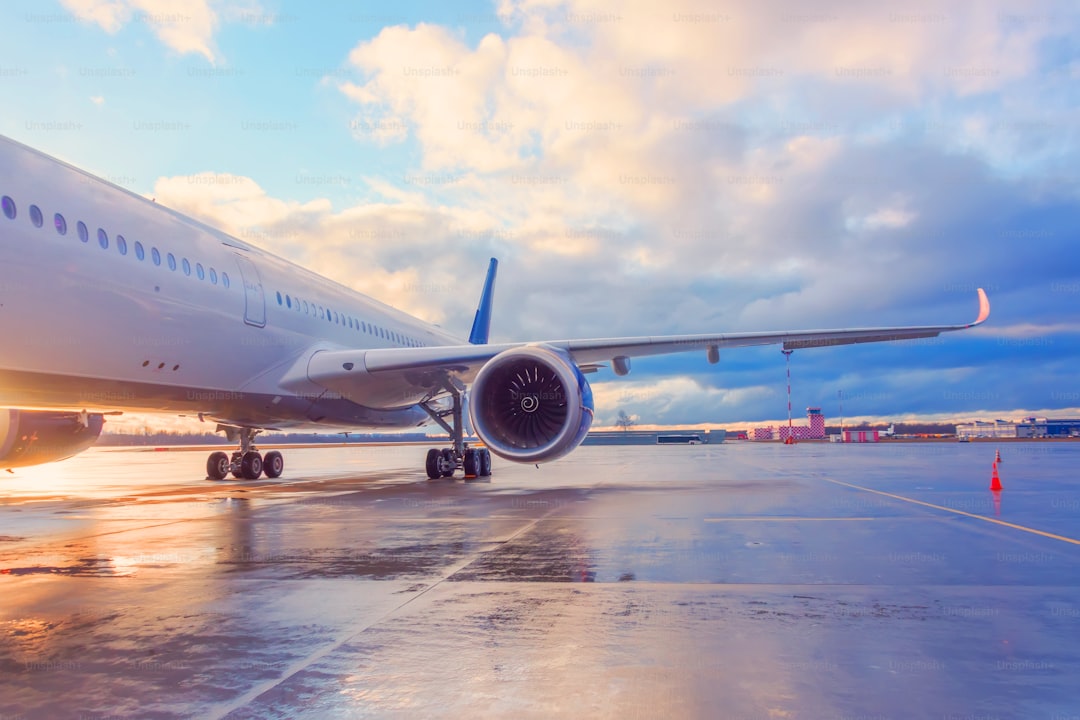
Rising Fuel Costs and the Impact on Airfare Prices
Look, I know how frustrating it is to pull up a flight search and see prices that feel a lot higher than what you paid just a year ago. It’s not just in your head; the aviation industry is currently dealing with a massive $100 billion jump in annual fuel costs that’s fundamentally shifting how airlines operate. We’re seeing US carriers shell out a staggering $6.5 billion in a single month just to keep planes in the air, and that kind of overhead doesn’t just disappear. Instead, it gets baked into the base fares you see at checkout. Honestly, it’s a tough spot for everyone because as those costs climb, some of us are getting priced out of travel entirely.
The volatility is largely tied to disruptions in the Middle East, which have kept fuel supply chains on edge and prices swinging wildly. It’s a direct cause-and-effect relationship that the industry hasn’t been able to shake, even with more efficient fleets. Because of this, major airlines are getting much more conservative with their schedules. You might have noticed your favorite regional route has vanished or been cut temporarily; that’s a direct result of airlines trying to protect their margins by focusing only on high-yield, high-traffic paths. It’s a classic move to preserve efficiency when the cost of operation spikes this hard, but it leaves the rest of us with fewer options and higher bills.
When you look at the big picture, the International Air Transport Association is sounding the alarm that we’re looking at a serious shift in the industry's growth path. Airline profits are expected to be halved this year, and that’s a signal that the status quo is changing. We’re moving into a time where capacity planning is going to stay tight and unpredictable as carriers struggle to hedge against energy prices that refuse to settle. I think the takeaway here is that if you're planning a trip, you need to be prepared for this new reality of higher costs and less flexibility. It’s a messy time for travel, but being aware of why these prices are jumping helps make sense of the noise you're seeing on booking sites.
Understanding New Airline Regulations Regarding Flight Cancellations
We've all been there—staring at a departure board as flight after flight flips to canceled, wondering if our hard-earned cash is about to vanish into a pile of useless travel vouchers. It’s honestly exhausting, but there is actually some long-overdue relief on the horizon thanks to a major shift in federal oversight. New mandates have finally closed those frustrating loopholes where airlines could hold your money hostage as non-expiring credit, requiring them to issue automatic cash refunds for significant delays. Think of it this way: a delay is now officially defined as three hours for domestic flights or six hours for international ones, and once that threshold is crossed, the ball is in the airline’s court to pay up.
The real win here is that these rules finally force airlines to take ownership of controllable issues like crew shortages or technical failures. In the past, carriers often hid behind vague policies, but now they can’t use these operational meltdowns to dodge their compensation duties. If they can’t get you to your destination within a reasonable window, they’re now legally obligated to offer rebooking on partner carriers, which is a massive upgrade from the old way of just prioritizing their own limited fleet. And if you’re stuck waiting, you shouldn’t have to hunt down a gate agent for a meal voucher or hotel—the law now requires these to be provided proactively for delays exceeding four hours.
Perhaps most importantly, this isn't just about cash; it's about transparency and protecting the value you’ve already spent. Airlines are now barred from forcing vouchers on you if you’d prefer a refund, and they have to reinstate your hard-earned frequent flyer miles if they cancel your award ticket. They’re also required to publish monthly performance reports, so you can actually compare which airlines are reliable before you hit that buy button. It’s not a perfect system, and weather or air traffic control stops still fall outside these protections, but for the first time in a while, the power balance is finally starting to tip back toward those of us actually doing the traveling.
Why Travelers Are Pivoting Toward Domestic Staycations
If you’ve been feeling like booking a trip lately is more of a headache than a vacation, you aren’t alone. We’re watching a massive, structural shift in how people choose to spend their downtime, and honestly, the pivot toward domestic staycations is looking less like a temporary trend and more like a permanent survival strategy. With international travel feeling increasingly volatile—thanks to everything from shifting fuel prices to broader geopolitical instability—governments and hospitality groups are scrambling to keep tourism dollars circulating right at home. I’ve been tracking the numbers, and it’s pretty staggering; for instance, regions like Ras Al Khaimah have seen domestic visitor rates jump by 93 percent as they retool their entire hospitality game to serve locals instead of waiting for international arrivals.
Think about it this way: when major hubs like Dubai see occupancy rates dip toward 30 percent during periods of regional uncertainty, the only way to keep the lights on is to capture the local market. It’s a total reset of the travel map. We’re seeing a real-world ripple effect where secondary cities, which were almost invisible on the global tourism circuit, are now becoming the go-to spots for residents looking for a weekend escape without the airport stress. Even brands are getting creative to keep us engaged, with high-end labels experimenting with virtual five-star experiences just to stay relevant in our living rooms.
But the most interesting part? This isn’t just about marketing; it’s an economic hedge. Data is showing that markets leaning into this internal demand are recovering twice as fast as those still tethered to the unpredictability of international flight paths. It’s changing how cities think about infrastructure, too, with capital shifting away from long-haul capacity toward making domestic destinations actually accessible for the people living nearby. So, if you’re looking to plan your next break, maybe it’s time to stop checking the flight boards and start looking at what’s within driving distance—you might just find that the best trip of the year doesn't require a passport or a boarding pass at all.
The Rise of Alternative Transport: Is Rail Replacing Short-Haul Flights?
Let’s be honest, the days of reflexively booking a short-haul flight for a quick hop between European cities are numbered, and frankly, that’s a good thing. We’re watching a massive, structural shift across the continent where nations like France, Spain, Germany, and Austria are actively pulling the plug on domestic flight paths in favor of high-speed rail. It’s not just about the environment, though that’s clearly a huge driver; it’s about the raw economics of travel. When jet fuel prices stay as volatile as they’ve been, airlines struggle to keep those short routes profitable without hiking fares to uncomfortable levels, making the train look like a much more stable bet for your wallet.
Think about the sheer convenience of the new One Journey, One Ticket initiative the EU is pushing. For years, crossing borders by train felt like a logistical headache of disjointed bookings and missed connections, but that’s finally starting to smooth out. We’re seeing seamless, high-speed corridors connecting major hubs like Paris, Berlin, and Vienna, turning what used to be a stressful airport experience into a productive or even relaxing few hours on a train. Even the UK is starting to lean into this, recognizing that for regional travel, a train that drops you in the city center beats a flight that lands you an hour outside of town every single time.
I’m genuinely excited about the sleeper train renaissance we’re seeing, too, because it completely changes how you think about long-distance travel. Instead of burning a full day in security lines and boarding gates, you’re now waking up at your destination, which feels like a much smarter way to use your time. It’s clear that governments are betting big on this, shifting capital away from air capacity and toward fixed-track infrastructure that actually lasts. If you’re planning a trip through the Schengen Area, you’ll likely find that the rail network is no longer just a secondary option, but the primary way to move around. It’s a total reconfiguration of the travel map, and honestly, I think it’s making our trips a whole lot more human.
How Geopolitical Instability Is Contributing to Fuel Supply Chain Disruptions
When you look at why your flight prices seem to be on a permanent upward trajectory, it helps to realize that we’re dealing with a fundamental break in how fuel moves around the world. We’ve spent decades relying on a just-in-time delivery model that assumes global shipping lanes will always stay open and predictable, but that era is effectively over. Right now, the Strait of Hormuz—that massive, critical artery for the world’s daily petroleum—is acting as a major bottleneck that’s driving what analysts call a fossil premium. Because of ongoing tensions in that region, ships are being forced onto longer, more expensive routes, which immediately jacks up the price of the refined products airlines actually need to fly. It’s not just a temporary bump; it’s a structural mismatch between a fragile, globalized supply chain and a world that’s becoming increasingly defined by localized, persistent conflict.
Think about it this way: when international shipping hits a wall, the ripple effect doesn't just stop at the ports; it hits the tarmac. We’re seeing a significant drop in cargo activity at major hubs, which tells me the entire supply network is being squeezed to the point where there’s almost no surplus inventory left to buffer us against price shocks. Normally, airlines rely on these reserves to keep operations steady, but as inventories thin out, any minor hiccup in refining or transit hits your wallet almost instantly. On top of that, we’re seeing a shift where countries are prioritizing their own fuel security through new alliances, which might be good for national stability but often leaves the broader, globalized aviation market fighting for the scraps of what’s left in the tank. It’s a messy reality where the cost of insurance and the sheer logistical difficulty of avoiding high-risk zones gets baked right into the ticket price you pay at checkout.
Honestly, I think we’re watching a permanent pivot in how travel infrastructure is planned and funded. Many nations are now moving capital away from speculative, long-haul expansion and instead pouring it into fortifying localized supply pipelines, hoping to create buffer zones that can keep flights running even if primary maritime routes go dark. This move toward a just-in-case model of inventory management—where massive, strategic stockpiles are kept near aviation hubs—is going to keep base fuel costs higher than we’re used to, but it’s the only way to avoid the kind of total supply cutoffs that have started to ground flights in more vulnerable regions. It’s not exactly the news we want to hear when we're trying to book a summer getaway, but understanding that this volatility is being baked into the system helps explain why the old, cheap ways of doing business are fading into the rearview mirror.
Expert Tips for Protecting Your Summer Holiday Plans Amid Uncertainty
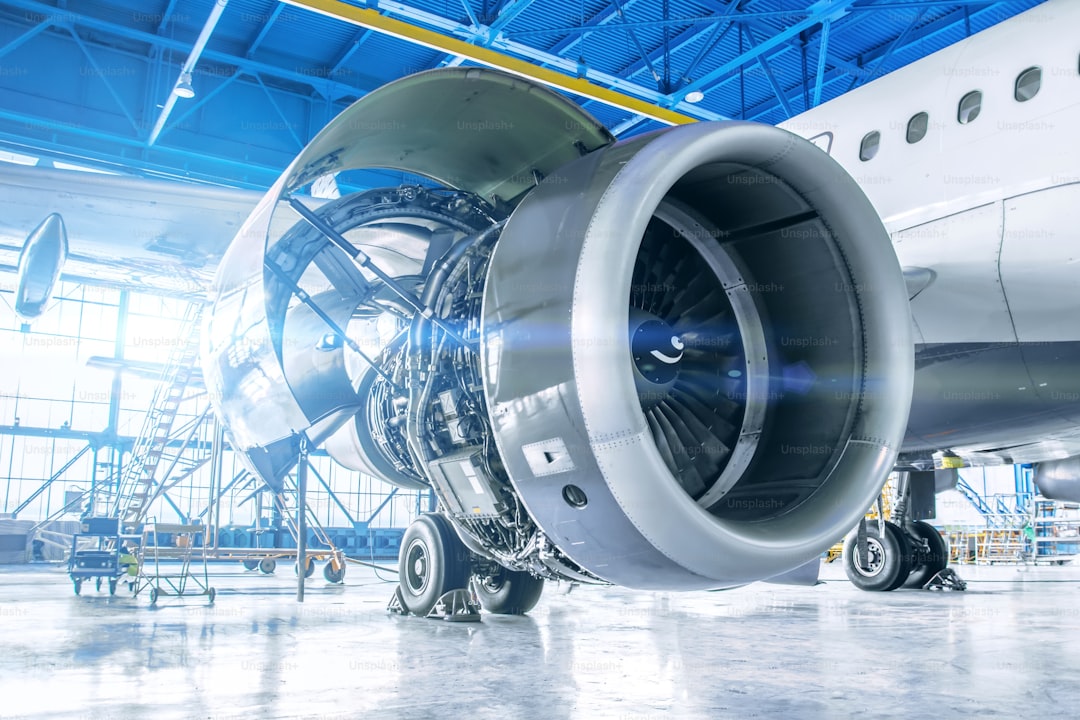
Planning a summer getaway this year feels a bit like navigating a minefield, doesn't it, and I really want to help you make sense of the noise before you commit any of your hard-earned money. Between the erratic swings in fuel markets and the way airlines are tightening their operational belts, the old playbook for booking travel simply doesn’t work anymore. I’ve been looking closely at the data, and the reality is that we’re seeing a massive, systemic shift where the cost of spontaneity is higher than it has ever been. It’s not just about finding a good deal; it’s about building an itinerary that can actually survive the inevitable bumps in the road.
Honestly, one of the smartest things you can do right now is move away from booking individual components and start looking at bundled travel packages, which often come with stronger insolvency protections than your standard standalone flight ticket. If you’re flying, keep an eye on the calendar—data suggests that aiming for that 54-day booking window is your best statistical shot at dodging the worst of the fuel-driven price spikes. And if you’re worried about local price swings at your destination, try to lock in hotel deposits in stable currencies to protect your budget from the inflation we're seeing in many tourist-heavy regions.
It’s also worth digging a little deeper into the specific airline you’re choosing, especially since carriers relying heavily on third-party maintenance contractors are seeing significantly more operational delays lately. If you have the option, prioritizing routes that offer high-speed rail as an alternative or backup can be a total game-changer, as those corridors are proving to be much more stable than isolated flight-only paths. Just be careful with those "flexible" ticket upgrades, as the fees have quietly ballooned to the point where a solid, third-party travel insurance policy is often the much cheaper way to get actual peace of mind. I know this sounds like a lot of extra homework, but taking these steps now is the only real way to make sure your summer plans don't end up being a major headache when you should be relaxing.
Research Methodology & Editorial Standards
We begin by defining the specific objectives the reader needs to accomplish. Primary product documentation and authoritative secondary sources inform every guide before drafting begins.
Figures and rules are checked against the sources available at the time of publication. Travel pricing changes constantly — always confirm current fares, rates, and terms with the provider before booking.