
How Europe’s Extreme Heat Wave Is Disrupting Summer Train Travel
If you've ever wondered why your train comes to a screeching halt the moment a heatwave hits, it really comes down to the physics of steel.

Why Extreme Heat Causes Rail Buckling and Infrastructure Failure
If you've ever wondered why your train comes to a screeching halt the moment a heatwave hits, it really comes down to the physics of steel. Think about it: when the mercury climbs, those long, continuous welded rails have nowhere to go. They want to expand, but because they’re locked in place, they build up massive internal pressure. Eventually, that stress becomes too much for the ballast—the gravel holding everything down—and the track just snaps sideways in what engineers call a sun kink. It is a violent, sudden shift that effectively turns a straight line into a dangerous curve, making it impossible for trains to pass safely.
Here is the kicker: those rails are actually much hotter than the air temperature you see on your weather app. Because steel is dark, it acts like a sponge for solar radiation, sometimes sitting twenty degrees Celsius hotter than the surrounding environment. And it is not just the tracks failing; those overhead wires that power the trains also expand and sag in the heat. When they dip too low, they can snag on the train’s equipment, leading to even more chaos and emergency shutdowns. It is a compounding nightmare where the infrastructure essentially fights itself under the relentless sun.
I’ve been looking into how operators are trying to manage this, and the solutions are a mix of high-tech and surprisingly simple fixes. We’re seeing more IoT sensors that track rail temperatures in real-time, helping teams predict exactly where a buckle might happen before it occurs. Some networks are even experimenting with painting rails white to reflect that heat, while maintenance crews work through the night to reset the stress levels in the steel. Still, when temperatures push past historical norms, these systems are pushed to their absolute limits. It is a tough reality, but understanding these mechanics makes those frustrating delays feel a little less like random bad luck and more like a massive engineering challenge we are still learning how to solve.
Current Status: Which European Rail Networks Are Most Impacted
If you’re planning a trip across Europe this summer, you’ve probably noticed that the days of seamless, clockwork rail travel are facing a serious reality check. It’s not just an occasional delay anymore; we’re seeing a continent-wide scramble as heatwaves force operators to rethink how their networks handle extreme temperatures. Southern Europe is feeling the brunt of this, with Spain frequently opting for preemptive, system-wide closures on its high-speed lines. These aren't just minor inconveniences; they’re calculated decisions made because the tight mechanical tolerances required for high-velocity travel simply don't allow for even minor thermal expansion. It’s a bit of a domino effect, where a localized heat spike in one region forces a total rethink of the day’s transit schedule.
But it isn't just the tracks themselves that are struggling; the entire ecosystem of rail infrastructure is under pressure. Think about the UK, where older segments were built with lower thermal stress tolerances, forcing officials to trigger speed restrictions at temperatures that wouldn't even cause a flicker in, say, Germany or France. Then you’ve got the Swiss network, which faces a bizarre, localized problem: their alpine tunnels can trap heat like an oven, preventing the tracks from cooling down overnight and leading to a buildup of stress that lasts for days. It’s frustrating, honestly, to think that even the most modern, well-maintained tunnels can become heat traps that keep the entire system in a state of suspended animation.
We’re also seeing a huge divide between inland and coastal routes, largely because coastal areas get that life-saving maritime breeze that inland tracks just don’t get. Even when the steel stays stable, other parts of the system are failing; German operators have found that bridge expansion joints can swell, creating dangerous "steps" in the track that force immediate, mandatory slowdowns. And because so much of Europe’s rail backbone still relies on older signaling technology, even a perfectly straight, cool track can become useless if the sensitive electronics in the boxes nearby fry in the heat. It’s a messy, complex reality, and as engineers race to install fiber-optic sensors and test new heat-absorbent ballast materials, travelers are the ones left checking the boards and wondering if their train will actually leave the station.
Understanding Speed Restrictions and Service Cancellations
When you find yourself staring at a departures board that’s suddenly glowing with red text, it’s easy to feel like the entire system has just given up. But let’s pause for a moment and look at why those cancellations and speed restrictions aren't just random annoyances—they're actually the result of some pretty tight engineering math hitting a wall. Steel rails carry residual stress from the day they were laid, and once ambient heat crosses a specific threshold, that internal pressure has to go somewhere. Engineers keep a close watch on rail core temperatures, not just the air temp you see on your phone, because the metal acts like a giant radiator that can stay dangerously hot long after the sun goes down.
Think about it this way: when tracks heat up, the gravel ballast beneath them loses its grip, and the steel loses its structural composure. If trains keep hitting their normal high speeds, the lateral force could literally shove the track out of alignment. To stop that, operators force trains to crawl, which keeps the mechanical energy low enough to prevent a catastrophic buckle. It’s not just the tracks, either; the overhead wires that power these trains expand and sag in the heat. If they dip too low, the connection to the train’s pantograph becomes erratic, leading to arcing or even emergency braking systems kicking in because the train can't draw power safely.
We also have to consider the electronics that keep the whole network humming. Those sensitive signaling boxes lining the tracks are basically giant computers sitting in the sun, and they’re prone to thermal shutdowns if things get too intense. Even if the track itself is physically fine, a fried relay room can effectively turn a perfect line into a dead zone. It’s a messy reality where modern, high-velocity travel is constantly being held hostage by the physics of expansion. I know it’s frustrating when you’re stuck on a platform in Paris or London, but seeing the logic behind these slowdowns makes it a bit clearer why the system chooses to play it safe rather than risking a total infrastructure failure.
How High Temperatures Strain Energy Grids and Train Operations
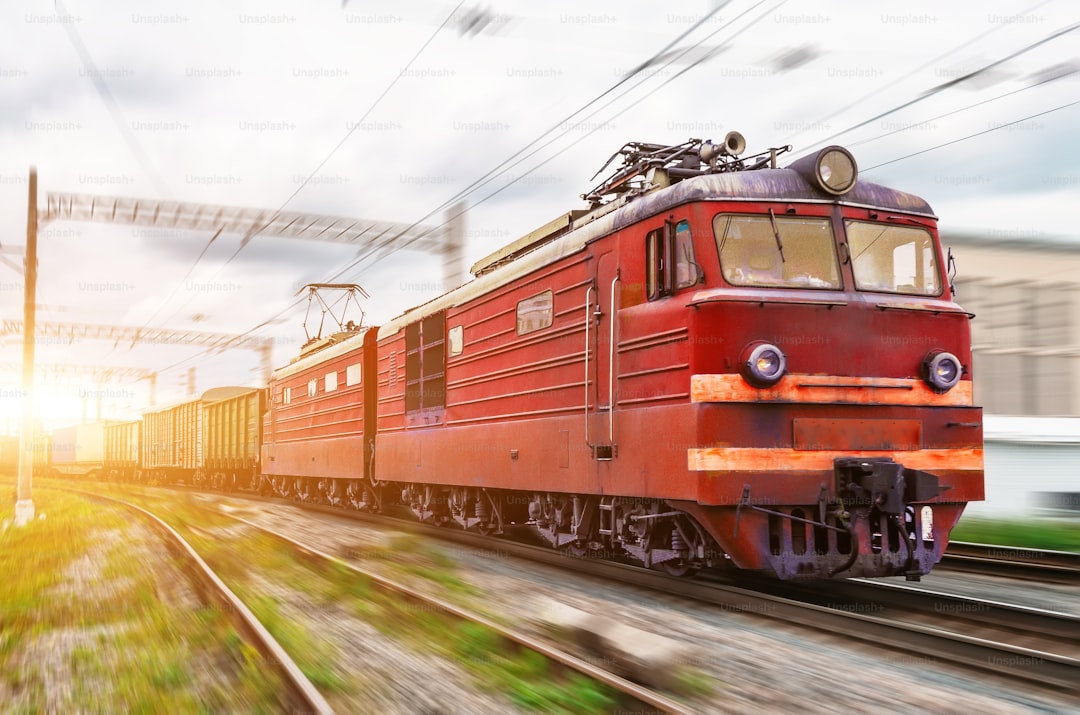
When we talk about heatwaves, we usually focus on the discomfort of a sweltering platform, but the reality for infrastructure is a much more technical battle against physics. Let’s pause for a moment and look at the energy side of things, because it’s honestly a massive bottleneck. Power plants, especially nuclear and thermal stations, often have to dial back their output when river water becomes too warm to effectively cool their systems. At the same time, transmission lines struggle to move electricity efficiently because high ambient temperatures increase electrical resistance, causing significant line losses right when we need that power the most. It’s a vicious cycle where the grid is forced to do more with less capacity.
Think about how this ripples out into the rail network, which is increasingly thirsty for that same power. As trains demand more energy for air conditioning, they create a massive surge load on traction power supplies, which are already pushing against the thermal limits of their own transformers. Plus, the rail industry is leaning into battery storage to stabilize these grids, but even those high-tech lithium-ion systems hit a wall when temperatures climb past forty degrees Celsius, often triggering safety shutdowns. It’s not just the big systems failing either; even the small, vital components like copper-based signaling relays inside sun-baked cabinets can hit a point of failure, leading to erratic signals that force trains to stop entirely.
The mechanical side of the train itself is under just as much pressure as the infrastructure it runs on. During a heatwave, brake discs struggle to dissipate friction-generated heat, which leads to thermal fatigue and potentially dangerous overheating in axle boxes as lubricants thin out. We also have to consider the non-linear way overhead wires sag; they don't just dip a little more as it gets hotter, the rate of that sag actually increases exponentially, creating a real risk of snagging. Even the green energy shift faces a hurdle here, as solar farms powering these lines often see their photovoltaic cells lose efficiency as they get hotter. It’s a complex, interconnected puzzle, and seeing how every part of the system struggles under the same thermal load makes it easier to understand why the only safe move for operators is to slow everything down.
Essential Tips for Passengers Navigating Summer Travel Delays
If you’re planning a trip across Europe this summer, you’ve likely realized that navigating the rails during a heatwave is less about following a schedule and more about managing an evolving series of obstacles. Let’s be honest, standing on a sweltering platform while the departure board turns red is a miserable experience, but having a concrete game plan can change how you handle the chaos. My best advice is to prioritize morning or late-evening departures, as these slots significantly boost your odds of finishing a journey before the peak thermal stress hits the tracks and overhead wires. You should also consider keeping a physical, paper-based backup of your tickets; mobile apps can get glitchy when local data networks become overloaded by thousands of frustrated travelers looking for answers at once. And don't just rely on the screens in the station—I’ve found that checking the operator’s social media channels often gives you a much faster, more granular update on what’s actually happening down the line.
When you're stuck on a train that’s crawling or standing still, remember that the internal cabin temperature can quickly climb higher than what you’re feeling outside, especially if the HVAC system is struggling to keep up. It sounds simple, but packing a compact, handheld electric fan and a high-capacity power bank is a total lifesaver when you need to keep your phone charged for real-time alerts while dealing with your own thermal regulation. If the situation really goes south, don't forget that you are often legally entitled to water and basic refreshments during long delays, even if the rail company classifies the heat as an extraordinary circumstance. It’s also smart to keep a few bookmarks for local intercity bus connections on your phone, as these can be your only way out when the rail network essentially grinds to a halt due to the heat.
If you really want to get ahead of the curve, try using decentralized, peer-to-peer transit monitoring apps that track train telemetry in real-time, as they often flag potential issues long before the official announcements hit the terminal boards. I’ve also found that monitoring the official EU rail traffic management dashboards provides a much better view of cross-border speed restrictions that you might otherwise miss. Just keep in mind that on many international high-speed lines, operators prioritize rebooking long-distance passengers first, which unfortunately means regional commuters often face the longest waits. It’s a messy, often unpredictable reality of modern travel, but by shifting your mindset from expecting a perfect ride to preparing for these logistical hurdles, you’ll stay much cooler—both literally and figuratively—when the system inevitably hits its limits.
Staying Safe: Managing Health Risks During Transit in Extreme Heat
Human bodies exhibit a significantly reduced capacity for thermoregulation in stagnant train cabins because humidity levels often rise rapidly as ventilation systems struggle to cycle air against high external pressure. You should be aware that the wet-bulb globe temperature inside a stationary carriage can quickly reach dangerous levels, even if the air conditioning appears to be functioning, simply because there is no convective cooling to pull the heat away from your skin. Prolonged exposure to extreme heat during transit causes peripheral vasodilation, which may lead to sudden drops in blood pressure and an increased risk of syncope, especially if you’re stuck standing in a crowded aisle for an hour. Dehydration in transit is also accelerated by the dry, recycled air common in modern high-speed trains, which can deceptively mask how much fluid you’re actually losing until you start feeling those first, scary signs of physiological distress.
Elderly travelers and those with cardiovascular conditions are at a unique risk during these delays because the combined stress of potential heat-induced system failure and the anxiety of being stuck elevates heart rates well beyond baseline norms. It is a little-known fact that electrolyte balance, not just water intake, is your primary defense against heat exhaustion during travel, as standard water consumption can actually dilute blood sodium levels if you aren't also replacing those essential minerals. Your clothing choices also matter more than you might think; synthetic fabrics often trap moisture against the skin and prevent your body's natural evaporative cooling process, whereas natural, loose-fitting fibers allow for the airflow you actually need. Many passengers underestimate the risk of heat soak, where the train's metal chassis acts like a giant thermal battery that continues to radiate heat into the cabin long after the sun goes down and the outside air begins to feel better.
When a train loses power during a heatwave, the interior temperature can climb by nearly a full degree Celsius every few minutes, turning a standard carriage into a hazardous micro-environment before you even realize what's happening. If you find yourself in that position, medical experts suggest that applying cool water to your pulse points—like your wrists and neck—is one of the most effective ways to lower your core body temperature when the air circulation has completely failed. In extreme heat, your body’s natural thirst mechanism often fails to trigger until you are already two percent dehydrated, so it is vital to drink on a set schedule rather than waiting until you feel parched. Finally, because heat waves frequently cause localized spikes in ozone levels near busy transit corridors, if you have any respiratory issues, try to limit your time on open-air platforms where the combination of stagnant heat and poor air quality can make it genuinely difficult to breathe.
Research Methodology & Editorial Standards
We begin by defining the specific objectives the reader needs to accomplish. Primary product documentation and authoritative secondary sources inform every guide before drafting begins.
Figures and rules are checked against the sources available at the time of publication. Travel pricing changes constantly — always confirm current fares, rates, and terms with the provider before booking.