
Escape the Summer Crowds at These Hidden European Gems
If you’ve been feeling like every European summer has turned into a giant game of musical chairs where everyone ends up fighting for the same patch of sand in Santorini or the Amalfi Coast, I’m right there with you.
Beyond the Tourist Trail: Discovering Europe’s Best-Kept Secrets for 2026
If you’ve been feeling like every European summer has turned into a giant game of musical chairs where everyone ends up fighting for the same patch of sand in Santorini or the Amalfi Coast, I’m right there with you. It’s honestly exhausting to plan a getaway only to spend it dodging selfie sticks in a place that feels more like a theme park than a living, breathing culture. But here’s the thing: 2026 is shaping up to be the year we actually reclaim the spirit of discovery by looking at spots that haven't been filtered to death on social media yet. Think of this as your shift away from the Instagram-crowded hotspots toward places where the rhythm of life is still dictated by tradition rather than tourism metrics. Whether it’s the quiet, wind-protected vineyards of Pico in the Azores or the dark, pristine skies of central Finland where you can actually see the stars without the hum of light pollution, there’s a whole different side of the continent waiting for us.
Let’s talk about why these places matter beyond just being empty alternatives. When you visit a place like El Hierro in the Canary Islands, you’re not just hitting a remote beach; you’re engaging with one of the most ecologically impressive systems in the world, where wind and water handle almost all the power needs. It changes how you experience a destination when you realize the locals have been protecting their ecosystem with such precision—like the salt-panning techniques in Piran that have barely evolved since the 13th century. Or consider the sheer weight of history in places like Malta, where you can walk through structures that make Stonehenge look like a recent project. These aren’t just "hidden gems" in a marketing sense; they represent a different way of existing in a landscape, often shielded by geography or unique governance like the demilitarized status of Åland.
Honestly, the real value here is the friction-free way you can actually connect with a place when it isn't optimized for mass throughput. When you step into a region like the Romanian Apuseni Mountains, where transhumance is still a way of life, you’re witnessing a human story that hasn't been smoothed over by the travel industry’s need for convenience. It’s about opting for the 16-million-year-old rock formations of Iceland’s Westfjords over the crowded Golden Circle. It’s about respecting the strict conservation zones in Germany’s Saxon Switzerland, where the peregrine falcons still get the final say on where you can climb. I really believe that if we approach these spots with a bit of humility and curiosity, we’ll find that the best travel isn't about checking a box, but about finding those rare pockets where the world still feels remarkably, beautifully untouched. Let’s look at how to get you there.
Coastal Tranquility: Sun-Soaked Beach Destinations Without the Summer Throngs
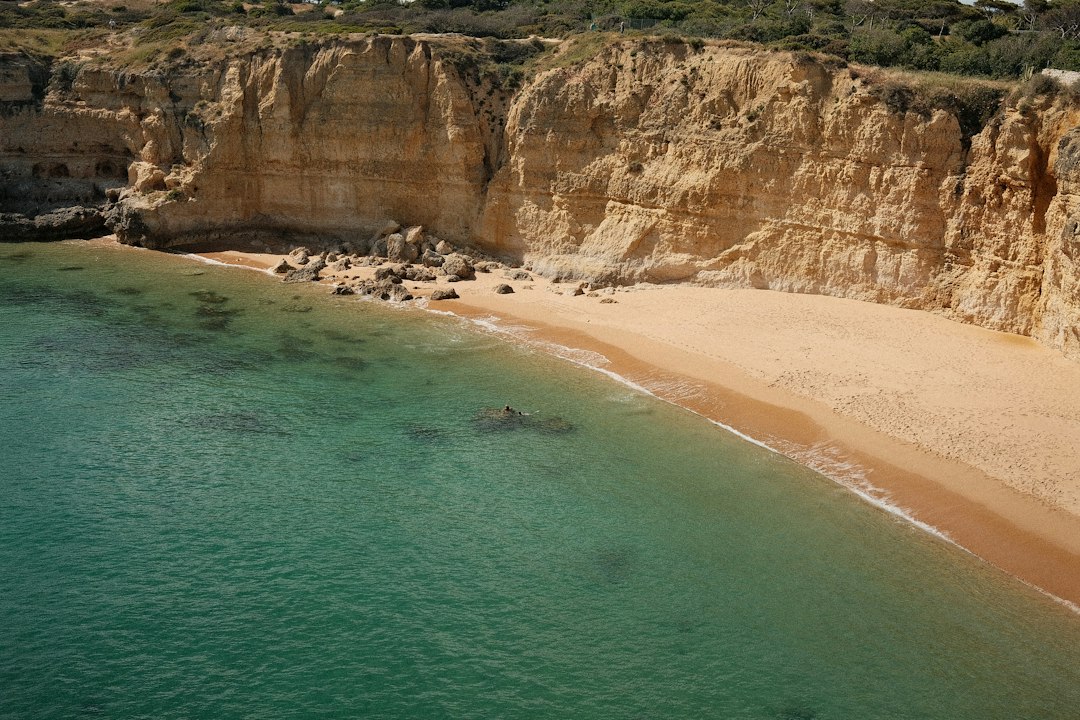
If you’re tired of the frantic scramble for a square inch of sand, I hear you, but the good news is that geography itself often acts as a bouncer for the best spots. Take the northern Aegean islands, where deep-sea currents keep waters refreshingly cool even in the heat of July, effectively cooling your swim and deterring the massive resort developments that thrive on warmer, shallow bays. Over in the Adriatic, the Vis archipelago’s unique bathymetry doesn't just limit infrastructure; it protects dense seagrass meadows that sequester carbon at ten times the rate of a tropical rainforest. It’s wild to think that by simply choosing these less-trafficked edges, you’re often stepping into ecosystems that are actively cleaning themselves, like the Albanian Riviera where Posidonia seagrass acts as a natural bio-filter to keep water visibility beyond 30 meters.
Then you have the sheer physics of these places keeping the crowds at bay. Along the Atlantic side of Portugal’s Alentejo region, northwesterly winds trigger a natural upwelling of cold, nutrient-rich water that keeps coastal air significantly cooler than the sweltering inland plains, a trade-off most mainstream vacationers aren't willing to make. I find it fascinating that the limestone cliffs of southern Sardinia act as actual acoustic buffers, keeping ambient noise levels about 20 decibels lower than your typical commercial beach strip. Even the French Basque coast benefits from ancient tide-management systems that naturally scour the shoreline, keeping the sand cleaner and freer of the microplastics that tend to accumulate in high-traffic tourist zones.
Honestly, the lack of human footprint in these pockets has measurable, almost tangible benefits for the environment that you can witness firsthand. In the outer Dalmatian islands, the dark, unpolluted night skies aren't just for stargazing; they’re the reason loggerhead sea turtles have returned to nest there, a sight you’ll never get on a light-polluted mainland beach. In the northern Ionian Sea, the absence of heavy maritime traffic has allowed dolphin populations to recover to the point where they forage right near the shore, turning a quiet morning swim into a rare wildlife encounter. Even the salinity levels in the secluded Ebro Delta lagoons serve a purpose, naturally keeping away the jellyfish swarms that ruin so many peak-summer trips elsewhere. It really makes you realize that when a place isn't optimized for mass tourism, it’s not just emptier; it’s healthier, quieter, and fundamentally more vibrant.
Island Escapes: Why Astypalaia and Porto Santo Should Be on Your Radar
If you’re looking for a getaway that breaks the cycle of predictable, crowded resorts, we really need to talk about Astypalaia and Porto Santo. These islands aren't just pretty faces; they’re fascinating experiments in geology and sustainability that offer a totally different pace of life. Astypalaia, for instance, is currently acting as a high-tech laboratory for the European Union, aiming to shift its entire transit grid to electric power and renewables by the end of the decade. Its unique butterfly shape, linked by an isthmus barely 100 meters wide, creates a natural geography that feels worlds away from the mainland. While you're there, you can explore the Querini Castle, where the locals once cleverly integrated their own homes into the fortress walls to survive pirate raids. It’s the kind of gritty, authentic history that puts a standard museum tour to shame.
Then there’s the sheer biological wonder of Porto Santo, which is essentially the elder statesman of the Madeira archipelago at 14 million years old. Unlike its mountainous neighbor, Porto Santo lacks those high peaks that trap clouds, meaning it stays consistently warmer and drier throughout the year. You’ll notice the landscape feels almost desert-like, with undulating dunes formed by eons of erosion, but the real star is the sand. It’s composed almost entirely of biogenic carbonate from crushed sea shells and calcified algae, a rare chemical makeup that’s actually recognized for its therapeutic, anti-inflammatory properties. Because the island lacks the heavy rainfall and runoff of nearby regions, the water clarity is staggering, supporting reef-building coral species that you almost never see this far north in the Atlantic.
The way these islands have adapted to their environments is honestly impressive when you look at how they sustain themselves. On Astypalaia, you’ll see ancient dry-stone terracing systems still in use to catch every drop of moisture, ensuring crops can survive the brutal summer heat. It’s also a vital refuge for the Audouin’s gull, one of the rarest birds on the planet, which thrives precisely because the coastal cliffs haven't been paved over for high-density hotels. Meanwhile, Porto Santo uses the thermal inertia of its volcanic rock to gently warm the soil, giving its local grapes a distinct sweetness you just don't get on the cooler, wetter neighboring islands. If you’re tired of travel that feels like a factory line, choosing either of these spots means trading the generic tourist experience for a front-row seat to a much more intentional, and frankly, more resilient, way of living.
Cultural and Gastronomic Havens: Exploring Underrated Gems in Slovenia and Albania
If you’re ready to look past the usual suspects, Slovenia and Albania offer a level of cultural and culinary depth that feels almost like discovering a forgotten map of Europe. Think about the Vipava Valley in Slovenia, where the fierce bora wind acts as a natural pest deterrent, allowing growers to produce stunning wines with barely any chemical intervention. It’s one of those rare spots where the environment actually does the heavy lifting for the farmer. And if you’re into food that tells a story, the subterranean caves of the Karst region act as natural, year-round refrigerators for aging prosciutto and cheese, keeping everything at a constant 12 degrees Celsius without a single watt of electricity. It’s wild to see how these ancient, low-tech methods still outperform modern industrial cooling in terms of sheer quality.
Then you head over to the Idrija region, where the history of mercury mining has left behind a culinary legacy that’s surprisingly refined, like the protected Idrija žlikrofi dumplings that you really can’t find done properly anywhere else. Meanwhile, down in the Albanian village of Dhërmi, the local olive oil culture is on another level; they rely on the Kalinjot olive, which is genetically distinct and packs a much higher polyphenol count than the standard stuff you get at the grocery store. It’s that kind of hyper-local detail that makes a meal feel like a genuine connection to the land. You’ll find the same spirit in Gjirokastër, where the qifqi—a specific rice ball recipe from the Ottoman era—remains a strictly regional secret that hasn’t been watered down by mass tourism. It’s these quirks of geography and tradition that keep these places feeling like distinct, living entities rather than just tourist destinations.
When you start digging into the biology of these regions, it gets even more fascinating. Take the Vjosa River in Albania, which stands as Europe’s last truly wild river; its 270-kilometer stretch is completely free of dams, creating a biological sanctuary that supports over 1,100 species. It’s the kind of pristine, untouched ecosystem that’s becoming nearly impossible to find. Up in the Accursed Mountains, you’ll see the traditional transhumance system still in play, where hardy breeds like Busha cattle graze on terrain that would be impossible for modern livestock to manage. And back in Slovenia, the sheer density of beekeepers—the highest per capita in the world—means the local flora is being pollinated by the gentle Carniolan honey bee, which is a protected subspecies. It’s these small, quiet details—the quality of the water filtered through limestone in the Karst or the salt-harvesting methods in Sečovlje that date back to the 14th century—that show you what life looks like when it’s still operating on its own terms.
Wild and Untouched: Nature-Focused Getaways in Scandinavia and Beyond
If you’re craving a trip that feels less like a vacation and more like a return to the raw, unscripted earth, we need to talk about the high-latitude wilds of Scandinavia. Honestly, there’s something grounding about stepping into the Swedish Laponian area, which remains the largest untouched wilderness in Europe, still managed today by the indigenous Sámi people who have navigated these lands for centuries. When you look at the landscape here, you’re not just seeing trees and rock; you’re witnessing a natural order that’s been allowed to breathe without being paved over. The permafrost layers beneath the tundra act as massive carbon sinks, holding onto organic matter that’s been tucked away for thousands of years, a silent reminder of how much history is literally frozen under your feet. It’s a completely different kind of silence than what you find in a city, and it’s one that I think we’re all secretly starving for.
Think about the physics of these places for a second, because the environment here is doing work most of us don't even realize. Take the Scandinavian fjords, where deep, U-shaped valleys carved by glaciers reach so far down that the oxygen-depleted bottom waters act as a natural, perfect preservative for historic shipwrecks. Or consider the Lofoten archipelago, where the Gulf Stream creates a strange, beautiful microclimate that keeps the winters surprisingly mild, allowing rare arctic orchids to thrive where they really shouldn't exist. It’s the same story with the midnight sun; it triggers such a violent, beautiful burst of photosynthesis that arctic plants finish their entire life cycle in just a few weeks of constant light. These aren't just scenic backdrops; they’re high-functioning, resilient ecosystems that operate on a schedule entirely independent of our own.
If you really want to see how these environments sustain themselves, look at the peatlands, which actually sequester more carbon per square meter than even the thickest tropical rainforests. It’s wild to realize that the mountain lakes you might canoe across are oligotrophic, meaning they have such low nutrient levels that you can see through twenty meters of water, totally free from the murky algal blooms that ruin swimming spots further south. Even the bedrock you’re walking on is ancient, with parts of the Fennoscandian Shield dating back three billion years, offering a sense of perspective that’s hard to find anywhere else. Whether it’s the Saimaa ringed seal evolving in the isolated Finnish forests or the global seed vault in Svalbard using the permafrost as a natural failsafe for our planet’s future, these are the places where the world still feels remarkably, beautifully in charge. It’s an invitation to just show up, keep your footprint light, and watch how nature handles things when nobody’s around to mess with the settings.
Expert Tips for Navigating Europe’s Lesser-Known Landscapes Sustainably
Navigating Europe’s quieter pockets requires a fundamental shift in how we view our role as visitors, moving from passive sightseers to active participants in the preservation of these delicate systems. When you find yourself in places like the Austrian Tyrol, notice those dry-stone walls; they aren't just decorative but are essential micro-habitats for endangered reptiles, and simply walking on marked paths prevents the accidental destruction of these tiny, critical ecosystems. I always remind myself that in high-altitude meadows like those in the Pyrenees, the grass isn't just scenic; that short, stable turf maintained by seasonal grazing is actually a natural defense against avalanches, bonding with winter snowpack far better than the tall, unmanaged grasses you’d find in abandoned fields. It’s wild how much our presence impacts the biology of these regions, and choosing to support local producers who utilize traditional methods—like the water mills in the Romanian Carpathians that run entirely on kinetic energy—means you’re effectively voting for a low-impact future with your travel budget.
Think about the invisible work these landscapes do to keep themselves healthy, which we can help protect just by being mindful of where we tread. In Italy’s Tremiti Islands, those vast seagrass meadows are powerhouses for oxygenation, with a single hectare producing as much as fifteen hectares of tropical rainforest, so avoiding boat anchoring in these zones is honestly one of the most effective ways to keep the local water crystal clear. Similarly, if you’re exploring the Mani Peninsula in Greece, try to appreciate the ancient terraced olive groves; they aren't just beautiful, they’re a millennium-old engineering solution for hillside erosion that is still vastly superior to the modern chemical stabilizers we rely on elsewhere. Even in the Baltic wetlands of Estonia, the simple act of visiting during periods that respect local hay-making cycles supports the survival of the rare aquatic warbler, as these traditional methods are the only thing keeping invasive shrubs from choking out their habitat.
There’s a real, measurable value in seeking out regions that have managed to hold onto their ancestral environmental wisdom, as these spots often provide a blueprint for a more resilient way of living. I’m always struck by the cork oak forests of Portugal’s Alentejo region, which act as massive carbon sinks for over two centuries while simultaneously retaining soil water to hold back desertification; staying in locally-owned guesthouses within these areas directly helps fund their long-term maintenance. When you’re in places like La Palma, notice the amber-colored lighting in the dark-sky preserves, which is specifically designed to protect the circadian rhythms of nocturnal pollinators—a small detail that ensures the local flora can actually reproduce. It’s these subtle, high-signal aspects of a region that define the difference between a trip that consumes a place and one that helps it endure. If we approach these hidden landscapes with the same respect we’d show a fragile historical monument, we don't just protect them; we learn a more intentional way of moving through the world.
Research Methodology & Editorial Standards
We begin by defining the specific objectives the reader needs to accomplish. Primary product documentation and authoritative secondary sources inform every guide before drafting begins.
Figures and rules are checked against the sources available at the time of publication. Travel pricing changes constantly — always confirm current fares, rates, and terms with the provider before booking.