
easyJet Switzerland to Upgrade Fleet with New A321neo Aircraft in Late 2026
If you've been following the shifts in aviation lately, you've probably noticed that the A321neo isn't just another plane; it’s quietly becoming the backbone of modern airline fleets globally.
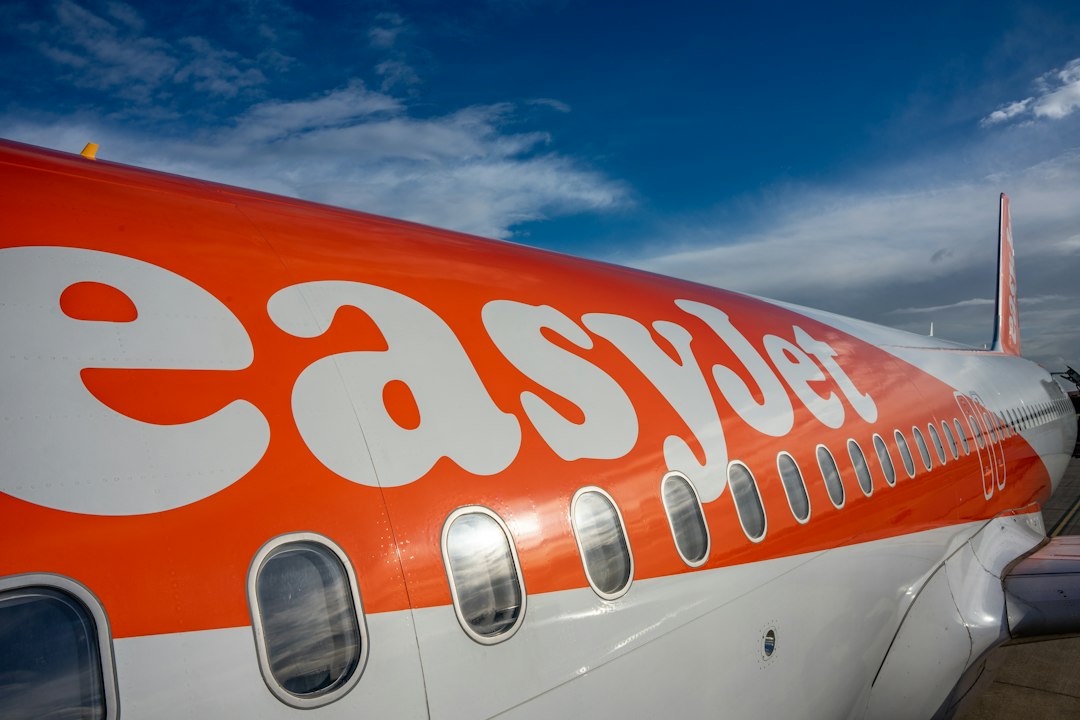
Fleet Modernization: The Strategic Shift to the A321neo
If you've been following the shifts in aviation lately, you've probably noticed that the A321neo isn't just another plane; it’s quietly becoming the backbone of modern airline fleets globally. When I look at how carriers like KLM, Thai Airways, and major US players are pivoting, it’s clear they aren’t just swapping old metal for new—they’re fundamentally changing their operational math. We’re talking about a move that bridges the awkward gap between narrowbody agility and widebody range, which, honestly, changes everything for how a route is planned. It’s not just about fuel savings, though that 20 percent reduction per seat is a massive win for the bottom line. It’s really about how these airlines are using the Cabin Flex configuration to squeeze more capacity into the same slot footprint, essentially doing more with less space at crowded airports.
Think about it this way: when an airline like Thai Airways or United commits to this, they’re choosing a platform that lets them squeeze 244 passengers into a high-density layout while keeping maintenance costs down. The shift to carbon-fiber stabilizers and those massive 2.4-meter sharklets isn't just engineering fluff; it’s about making the airframe lighter and significantly more aerodynamic. And let’s be real, the noise reduction—a 50 percent drop compared to older models—is a huge deal for maintaining relationships with the airports that surround our cities. I’ve seen some debates about whether these narrowbodies can truly replace widebodies, but with a 4,000-nautical-mile range, the data suggests that for many medium-to-long-haul routes, the answer is a resounding yes.
But what really gets me is the predictive maintenance side of this. We’re moving away from the old-school "wait until it breaks" mentality to a system where the flight deck feeds real-time diagnostics back to the hangar. This means fewer of those frustrating, last-minute cancellations that ruin your trip because a part failed unexpectedly. When you pair that with an extended C-check interval, you’re looking at an aircraft that spends way more time in the air earning revenue and way less time sitting in a hangar getting torn apart. It’s a cleaner, smarter way to run an airline, and frankly, it’s the only way they can stay competitive in such a tight market. If you’re wondering why your flight experience feels a bit more efficient lately, this transition is almost certainly why.
Timeline and Rollout: What to Expect in Late 2026
When we look at the logistics behind rolling out a fleet upgrade of this magnitude, it’s easy to get lost in the marketing fluff, but the reality on the ground is far more interesting. If you’re wondering why we’re pinning our expectations to late 2026, it’s because the transition is tied to a rigid, multi-stage certification process for the engine variants that are specifically tuned for these regional flight profiles. Pilots are already deep into simulator training, specifically focusing on how the longer fuselage behaves during those tricky crosswind landings at high-altitude airports. Meanwhile, ground crews are overhauling the support infrastructure, which is a massive task given that they have to prep for much faster turnarounds once these A321neos enter the rotation.
It’s not just about the planes themselves; it’s about the massive supply chain alignment happening behind the scenes. Logistics teams have mapped this rollout to perfectly coincide with the European travel market’s peak cycles, because you don’t want a multi-million dollar asset sitting idle when demand is screaming for capacity. You’ve also got the avionics teams working double-time to ensure the new software suites play nice with existing air traffic management systems across the continent. Plus, there’s a quiet but significant push to stock regional hubs with carbon-fiber composite spares, which is a smart play to keep maintenance lead times short and predictable.
Honestly, the most impressive part is how they’re squeezing out efficiency through small design choices. They’ve opted for custom-optimized sharklets that are specifically engineered to cut drag on the shorter, frequent-stop routes that define this network. Pair that with new modular overhead bins that are designed to actually speed up the boarding process, and you start to see how the math behind the operation changes. We’re going to see a series of performance validation flights as we get closer to the deadline to confirm those fuel burn and noise targets. It’s a tight schedule, but watching how they juggle these moving parts is a masterclass in modern fleet management.
Operational Advantages of the Airbus A321neo
When we look at the operational advantages of the Airbus A321neo, it is easy to get caught up in the passenger-facing perks, but the real magic happens under the hood where engineers have essentially rewritten the rulebook for narrowbody performance. Think about it this way: the aircraft utilizes a highly sophisticated fly-by-wire system that provides continuous flight envelope protection, keeping the plane within safe structural limits no matter the maneuver. I have always been impressed by how the wing design uses a specific twist distribution to optimize lift-to-drag ratios during climb, which is a massive help when taking off from high-altitude airports where every bit of performance counts. Plus, by bumping the hydraulic system to 5,000 psi, they have managed to shrink the size of the actuators, cutting weight without losing any of that necessary responsiveness at the controls.
It is also worth noting how the integration of the FADEC system—essentially the engine's brain—dynamically adjusts thrust during taxiing to save fuel and reduce brake wear before you even hit the runway. I really appreciate the attention to the structural health of the plane, specifically the load alleviation function that automatically deflects ailerons during gusts to spread aerodynamic stress across the wing. This isn't just a technical detail; it actively extends the fatigue life of the airframe, which keeps these planes in the sky longer. And for those of us who travel often, the move to higher cabin pressurization, made possible by those advanced composite materials, really does make a difference in how you feel after a long flight.
Finally, we have to talk about the reliability factors that keep these aircraft moving through the schedule with fewer headaches. The navigation suite includes a dual-redundant multi-mode receiver that really shines in low-visibility conditions, allowing for precise landings where older fleets might just circle or divert. Pair that with a faster APU startup sequence that lets the plane become energy-independent the moment it hits the gate, and you can see why turnaround times are so much tighter. It is a smarter, more resilient piece of machinery that simply handles the rigors of modern route networks better than anything that came before it. Honestly, it is that focus on the boring, behind-the-scenes efficiency that makes the A321neo such a powerhouse for airlines trying to stay on time.
Enhancing Sustainability and Reducing Carbon Footprint
When we talk about shifting to a more sustainable model, it’s easy to get lost in high-level promises that don’t actually change what happens on the tarmac. But if you look at how we’re actually cutting carbon today, the shift is really about moving from broad goals to precision engineering. For instance, we’re now seeing machine learning models pull in massive amounts of weather and flight data to tweak paths in real-time, which is a massive upgrade over the old way of flying, where we’d just burn extra fuel at suboptimal altitudes. It’s not just about the planes in the sky, either. We’re also using digital trade analytics to consolidate logistics, which means fewer trucks clogging up airport access roads to deliver the same amount of supplies.
Think about the sheer amount of energy it takes just to keep an airport running, from the power grids that charge ground equipment to the heating and cooling of massive terminals. By using AI to sync that energy use with actual flight schedules, we’re essentially cutting out the waste of cooling empty buildings, which is honestly a smarter way to handle overhead than just trying to buy our way out of the problem with carbon offsets. And then there is the supply chain side, where we’re seeing companies move toward Carbon Action labeling to track the lifecycle impact of everything from cabin materials to catering supplies. It’s about being transparent enough to see exactly where the waste is, so we can finally start trimming it down.
When you look at the bigger picture, this is really a push toward a circular economy where we’re moving away from constant reliance on virgin materials. We’re finally seeing advanced recycling techniques for those high-tech composite parts that keep our modern aircraft light and efficient, which prevents the carbon-heavy process of producing new materials from scratch. It’s also interesting to see how local microgrids near European hubs are starting to provide cleaner power for terminal operations and ground vehicles. It’s not a single silver bullet, but rather a collection of these quiet, behind-the-scenes adjustments that make the entire operation leaner, cleaner, and ultimately more resilient for the long haul.
Improved Passenger Experience and Cabin Capacity
When we look at the transition to these newer aircraft, the shift in passenger comfort is honestly much more than just a marketing talking point. Let's dive into it, because the way these cabins are engineered now actually changes the physical reality of your seat space. By utilizing the Airspace cabin design, these planes carve out an extra inch of width in the same narrowbody footprint, which might sound small until you’re sitting there for three or four hours and realize your shoulders aren't pressed against your neighbor. Plus, by moving to thinner, high-strength backrests, they’ve managed to reclaim actual knee room without needing to mess with the seat pitch. It’s a clever use of material science that finally makes a narrowbody flight feel less like a cramped commute and more like a proper travel experience.
And you know that moment when you’re circling the gate, praying for overhead space so you don’t have to gate-check your bag? These new bins are a total game-changer, designed to hold up to 60 percent more luggage simply by letting you stow bags vertically on their side. When you combine that with the upgraded LED mood lighting, which shifts color temperatures to help your body clock adjust to different time zones, the whole atmosphere feels way more intentional. They’ve also quietly cranked up the air filtration systems, which now cycle the entire cabin volume every few minutes and pull out nearly all airborne particles. It’s the kind of behind-the-scenes upgrade that you don't notice until you step off the plane and realize you don’t feel nearly as drained as you usually do.
But the real test is the noise level, which is honestly the biggest culprit for long-haul fatigue. By focusing on advanced acoustic dampening and smarter galley layouts that stop vibration from traveling, they’ve managed to keep the cabin volume below 75 decibels. It’s significantly quieter than what we’ve been flying on for the last decade, and it makes a world of difference if you’re trying to actually get some sleep or catch up on work. Throw in reliable, gate-to-gate high-speed Wi-Fi that lets you sync your phone directly to the entertainment screen, and you start to see why this isn't just a basic upgrade. It’s a complete rethink of how we handle medium-haul travel, and if you’re a frequent flyer, you’re definitely going to feel the difference once these start hitting the rotation.
Impact on easyJet Switzerland’s Network and Efficiency
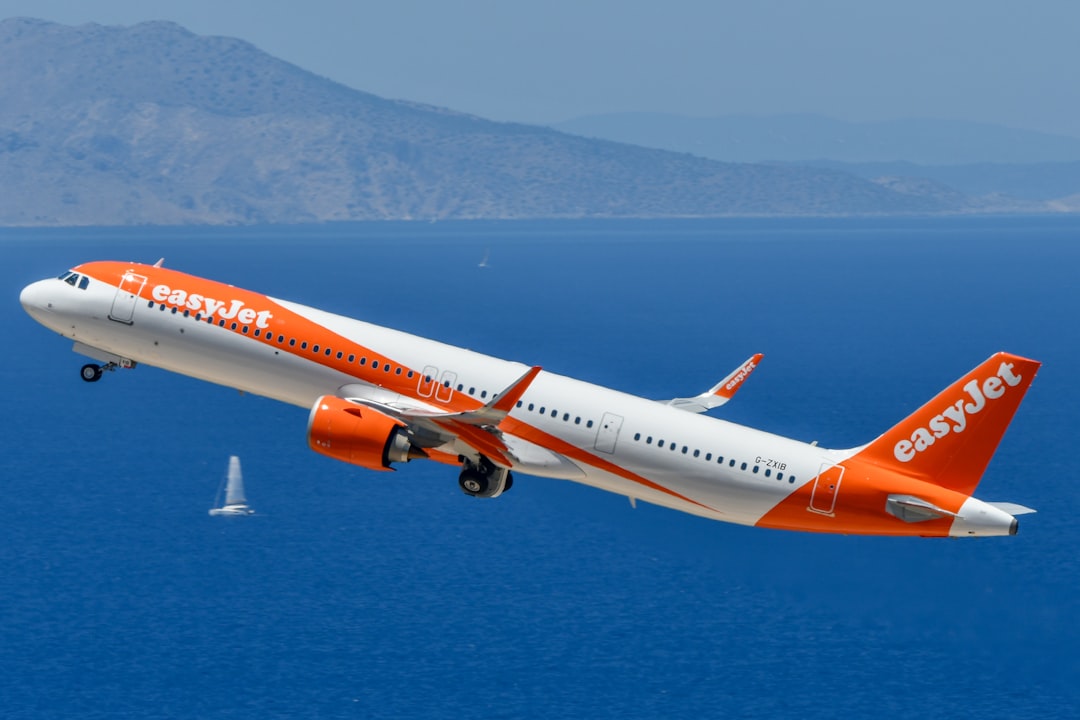
When we look at the integration of the A321neo into the easyJet Switzerland network, it’s clear that we’re moving beyond simple fleet renewal and into a fundamental shift in how the airline manages its Swiss hubs. By aligning seat capacity more precisely with the fluctuating demand patterns we’ve seen across the 2026 travel season, the carrier is finally finding a way to balance revenue with the reality of airport slot constraints. The advanced noise-reduction tech isn't just a brochure highlight; it’s a pragmatic tool that allows the airline to maintain flight schedules during restrictive nighttime windows at noise-sensitive airports like Geneva. Plus, the extended range opens up niche, longer-haul routes that were previously out of reach for the older, more limited narrowbody fleet. It’s a smart move that essentially gives them a widebody capability on a narrowbody cost structure.
From an efficiency standpoint, the math is compelling because the improved fuel burn per seat provides a necessary buffer against the rising costs of sustainable aviation fuels currently sweeping across Europe. We’re also seeing ground operations at hubs like Geneva get a serious upgrade, with new digital scheduling tools designed to handle the slightly higher turnaround complexity of a larger cabin. If you look at the data from earlier this year, it’s evident that this deployment is a direct response to the systemic delays that have historically plagued Zurich and Geneva during peak travel periods. By incorporating carbon-fiber stabilizers and custom sharklets, the airline is specifically targeting the drag reduction needed for the constant short-hop cycles that define the Swiss network.
Perhaps the most human element of this shift is the focus on reliability and passenger comfort. We’ve all dealt with those frustrating, last-minute groundings that ripple through a schedule, so the move to predictive maintenance—which catches engine anomalies before they become major issues—is a huge win for keeping travelers moving. Furthermore, the enhanced cabin pressurization and refined acoustic dampening actually change how you feel after a flight, which matters more than airlines usually admit. The new avionics suites, specifically calibrated for the tricky, mountainous approaches we see in Switzerland, add a layer of operational safety that’s hard to overstate. It’s clear that by focusing on these quiet, behind-the-scenes adjustments, easyJet is building a more resilient network that can actually handle the pressure of modern travel.
Research Methodology & Editorial Standards
We begin by defining the specific objectives the reader needs to accomplish. Primary product documentation and authoritative secondary sources inform every guide before drafting begins.
Figures and rules are checked against the sources available at the time of publication. Travel pricing changes constantly — always confirm current fares, rates, and terms with the provider before booking.