
Discover the secret Italian village where residents live to be over one hundred
But Campodimele is different, and after looking at the actual data, I think we need to pay attention to how this village functions.
Campodimele: Unveiling the Village of Longevity
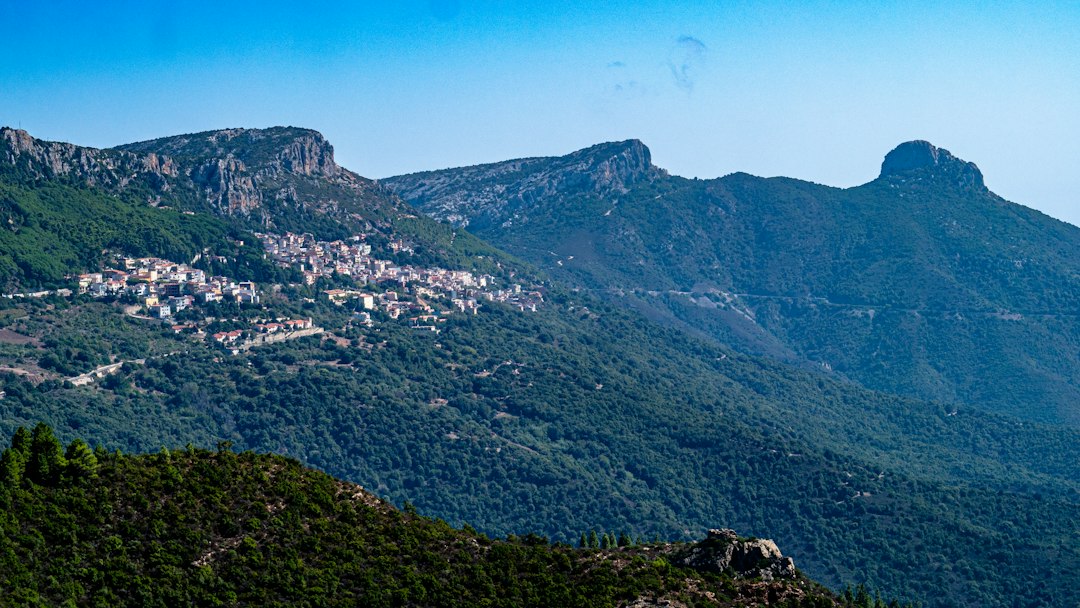
Let’s be honest, whenever we hear about a place where people live to be over one hundred, we usually roll our eyes and assume it’s just clever marketing. But Campodimele is different, and after looking at the actual data, I think we need to pay attention to how this village functions. At 647 meters above sea level, the village enjoys a microclimate that seems to do wonders for cardiovascular health, which is a massive outlier compared to typical urban settings. When you look at the genetic makeup here, there’s a clear founder effect that seems to have scrubbed out many common hereditary diseases we see elsewhere. It’s not just luck; it’s a biological edge that’s been refined over generations.
Then you have the diet, which is honestly fascinating if you’re a nerd about nutrition like I am. They rely on Cicerchia, a grass pea that’s packed with fiber and protein, and they’ve completely cut out processed sugars in favor of local honey and seasonal fruit. The soil itself is loaded with volcanic minerals, so the greens they pull from the ground are nutritionally dense in a way that store-bought produce just isn’t. Plus, they eat wild mountain chicory, which contains antioxidant levels that make the stuff you buy at the supermarket look pathetic. It’s a closed-loop food system that really puts our modern, globalized diet to shame.
But it’s not just about what they eat; it’s about how they move and live their daily lives. The village is built on such steep, terraced topography that you’re essentially getting a workout every time you walk to the store, which explains why hypertension is practically non-existent there. Their circadian rhythms are perfectly locked into solar cycles, and they take the afternoon rest period—the Riposo—incredibly seriously, which we know is massive for cellular repair. You’ll also notice that social isolation just isn't a thing here; when you live within five minutes of your entire extended family, your cortisol levels naturally drop, and your mental health stays sharper for longer.
When you weigh the clean air, the lack of industrial pollutants, and that consistent, low-stress social environment, you start to see why the medical records from the local health district show cholesterol levels in eighty-year-olds that would make a forty-year-old jealous. It’s a rare combination of environmental, genetic, and behavioral factors that we just don't see in modern cities. I’m not saying we can all move to a mountain village in Italy, but looking at these variables, you realize how much of our health is dictated by the systems we choose to build around ourselves. It’s worth digging into, if only to rethink our own daily habits.
The Genetic and Environmental Factors Behind Exceptional Aging
When we look at the reality of how people reach extreme old age, it’s tempting to search for a single magic bullet, but the truth is a lot more nuanced. I think it helps to start by viewing longevity not as a static state, but as a dynamic interaction between your unique genetic architecture and the environment you inhabit. We’re seeing more evidence that extreme longevity is often tied to a lower mutational load in specific genes governing DNA repair, which essentially allows cells to maintain their integrity even after more than a century of replication. Think of it like a high-end engine that simply accumulates less wear and tear over time. Recent work on centenarian stem cells even suggests these individuals possess a superior capacity for cellular rejuvenation, which effectively brakes the accumulation of damage that we usually associate with getting older.
But here is where the "nature versus nurture" debate gets really interesting. While environmental factors are undeniably vital, data shows that siblings of centenarians are far more likely to hit those triple-digit milestones than the rest of the population, which confirms a high heritability component that we just can't ignore. It’s not just about the presence of longevity-promoting alleles; it’s often about the absence of common disease-predisposing variants that derail the process for everyone else. We’re also learning that the epigenetic clock—that biological measure of how fast you’re aging versus your actual age—often runs much slower in these individuals thanks to specific patterns of DNA methylation. It’s almost like their internal systems are running on a different, more efficient schedule.
And we shouldn't overlook the role of the body’s internal signaling pathways, either. Some folks who reach extreme old age have genetic variations in their insulin-signaling processes that mimic the metabolic benefits of long-term caloric restriction, which is pretty wild when you think about it. Beyond that, their ability to maintain homeostasis under physiological stress is often remarkably robust, allowing them to dodge the chronic low-grade inflammation we call inflammaging. I’m not saying your genes are your destiny—because we know the microbiome and the gut-brain axis play a massive part in how those genes actually express themselves over time—but it’s clear that the protective effects of these traits often only become statistically visible after you pass the age of eighty-five. It leaves me wondering how many of us are carrying these potential advantages without realizing that our daily habits are the real key to unlocking or suppressing them.
Decoding the Mediterranean Diet: Nutrition Secrets of Centenarians
When we talk about the Mediterranean diet, most people just picture a salad with a splash of oil, but if you look at the actual biochemistry, it’s closer to a finely tuned engine than a simple meal plan. I’ve spent a lot of time digging into why these centenarians stay so resilient, and the secret really boils down to how their specific food choices trigger actual genetic responses. For instance, the heavy use of extra virgin olive oil isn't just about healthy fats; it’s about activating genes that fight off oxidative stress. Research is pretty clear that those monounsaturated fats help stabilize telomere length, which is basically the clock on how well your cells replicate over time.
It’s also fascinating to see how they pair things up to hack their own metabolism. Think about the local tradition of dipping fermented sourdough into olive oil—that combination actually lowers the glycemic index of the bread, which stops those nasty insulin spikes that usually accelerate how fast we age. And don't get me started on the bitter greens like dandelion or arugula they eat by the bucketload. Those plants contain compounds that force your liver to work more efficiently, essentially acting like a natural detox filter. Plus, when you look at the nuts, especially walnuts, the alpha-linolenic acid they provide offers a level of neuroprotection that you just don't get from processed snacks.
But here’s the part that really shifts my perspective: it’s not just about what is on the plate, but when and how it hits the system. These centenarians tend to front-load their protein during daylight hours, which honestly makes sense when you consider how our bodies handle nutrient absorption at different metabolic peaks. They also lean on goat and sheep dairy instead of cow milk, which seems to keep inflammatory markers significantly lower. And when you add in the social aspect of eating slowly with others, you’re hitting those satiety hormones in a way that naturally prevents overeating without the need for strict calorie counting. It makes you realize that their longevity isn't some accident, but a result of a system built on ancient, proven habits that keep their bodies running clean.
Slow Living and Community: The Role of Social Connection in Vitality
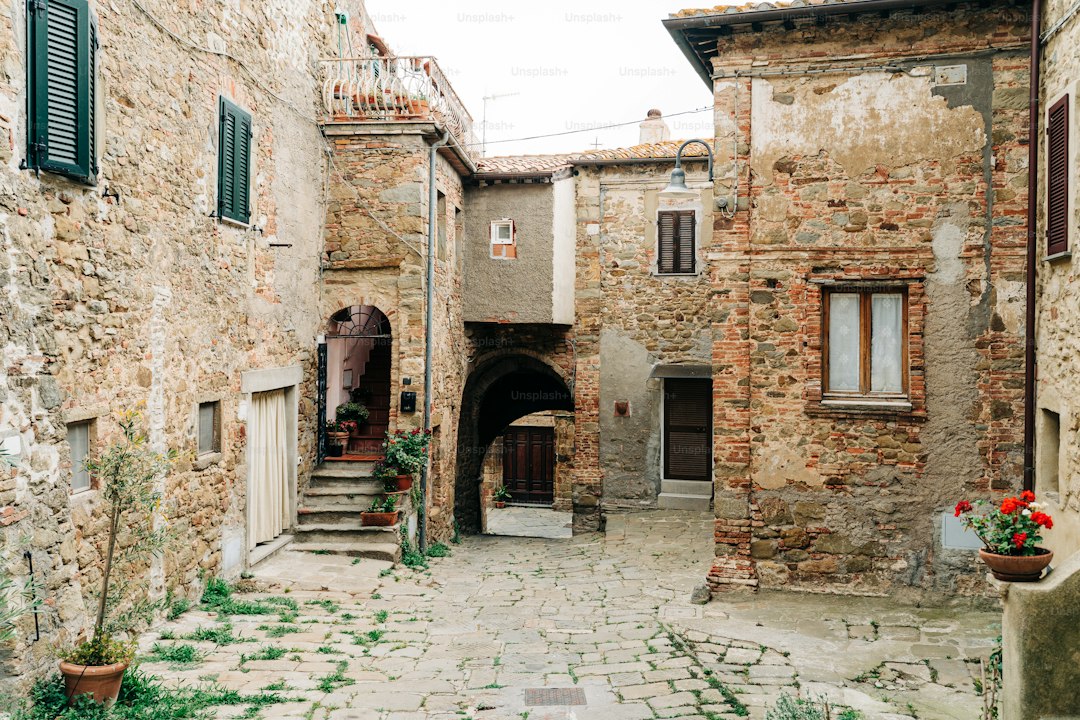
When you look past the clinical metrics of diet and genetics, there’s a quiet, powerful force keeping people in these longevity clusters vibrant well into their second century: the actual, physical weight of their social ties. I honestly think we underestimate how much our biology responds to just being around other people. It’s not just a nice-to-have feeling; it’s a physiological necessity. When you’re integrated into a community where you’re constantly interacting face-to-face, your body starts producing more oxytocin, which acts as a real-world buffer against the kind of systemic inflammation that usually wrecks our health as we age. It’s wild to think about, but longitudinal data shows that having a strong social network can cut your mortality risk by nearly fifty percent, putting it right up there with the benefits of quitting smoking.
Think about the "social contagion" effect we see in these villages, where healthy habits like taking a walk or eating slowly aren’t just individual choices—they’re just what everyone does. When you’re surrounded by peers who value that rhythm, you adopt those behaviors almost subconsciously, which does wonders for your autonomic nervous system. That daily, casual conversation is essentially a form of social grooming, keeping your cardiovascular stress markers low while you aren't even thinking about it. And let’s be real, the communal aspect of sharing meals is massive. Eating with others triggers the parasympathetic nervous system, which actually helps your body absorb nutrients better than if you were just rushing through a meal alone at your desk.
It’s also about the sense of utility; these elders aren't sidelined. They’re active participants in their community’s decision-making, and that purpose is a direct signal to your body that keeps your mind sharp and your internal systems ticking along. We’re finding evidence that high levels of social cohesion might even protect the structural integrity of your DNA, acting almost like an epigenetic switch that keeps those longevity-associated genes firing exactly when they need to. It’s a complete shift from the individualistic, productivity-obsessed lives most of us lead. When you prioritize collective time over a frantic schedule, you’re not just saving your sanity—you’re actively changing how your body ages. Maybe it’s time we stop viewing connection as a luxury and start treating it as the foundational health pillar it actually is.
Daily Habits and Physical Activity: The Rhythm of Life in the Valley
When we talk about fitness, we’re usually conditioned to think about hitting the gym for an hour of high-intensity training, but the reality for these villagers is totally different. They don’t worry about structured workouts because their entire day is built around what researchers call incidental physical activity. Think about it: just three minutes of movement during a daily chore can actually be enough to meaningfully lower your cardiovascular risk. It’s not about pushing your heart rate to the limit; it’s about keeping those metabolic pathways humming throughout your entire sixteen-hour waking cycle.
The village topography is a huge part of this, as the steep, unpaved terrain forces you to engage your core and stabilizer muscles with every single step. Unlike walking on a treadmill or a flat sidewalk, these irregular paths improve your proprioception and balance, which honestly does more to prevent future injuries than any machine-assisted strength training ever could. They aren't just moving to burn calories; they're moving to navigate their social world, which keeps their brains focused on connection rather than the stress of a workout. It’s a cumulative strategy that preserves hip mobility and bone density without ever requiring that "grind" we’ve been sold by modern fitness culture.
And then there is the timing of it all, which is honestly where the magic happens for their long-term health. By syncing their morning movement with the rising sun, they’re naturally regulating their hormones, while that strictly observed afternoon rest period gives their vascular system a chance to reset and drop systemic blood pressure. Because they aren't spending hours in sedentary screen time, their non-exercise activity thermogenesis stays elevated, keeping their metabolism running clean all day long. Even their evening rituals—often just slow-paced communal walking—help with post-prandial glucose clearance, effectively stopping those nocturnal insulin spikes that plague so many of us. It’s a rhythm of life that completely bypasses the muscle atrophy and venous stasis we see in modern urban environments, proving that health is often just the side effect of how you choose to structure your day.
Visiting the Miracle Village: What Travelers Can Learn from the Locals
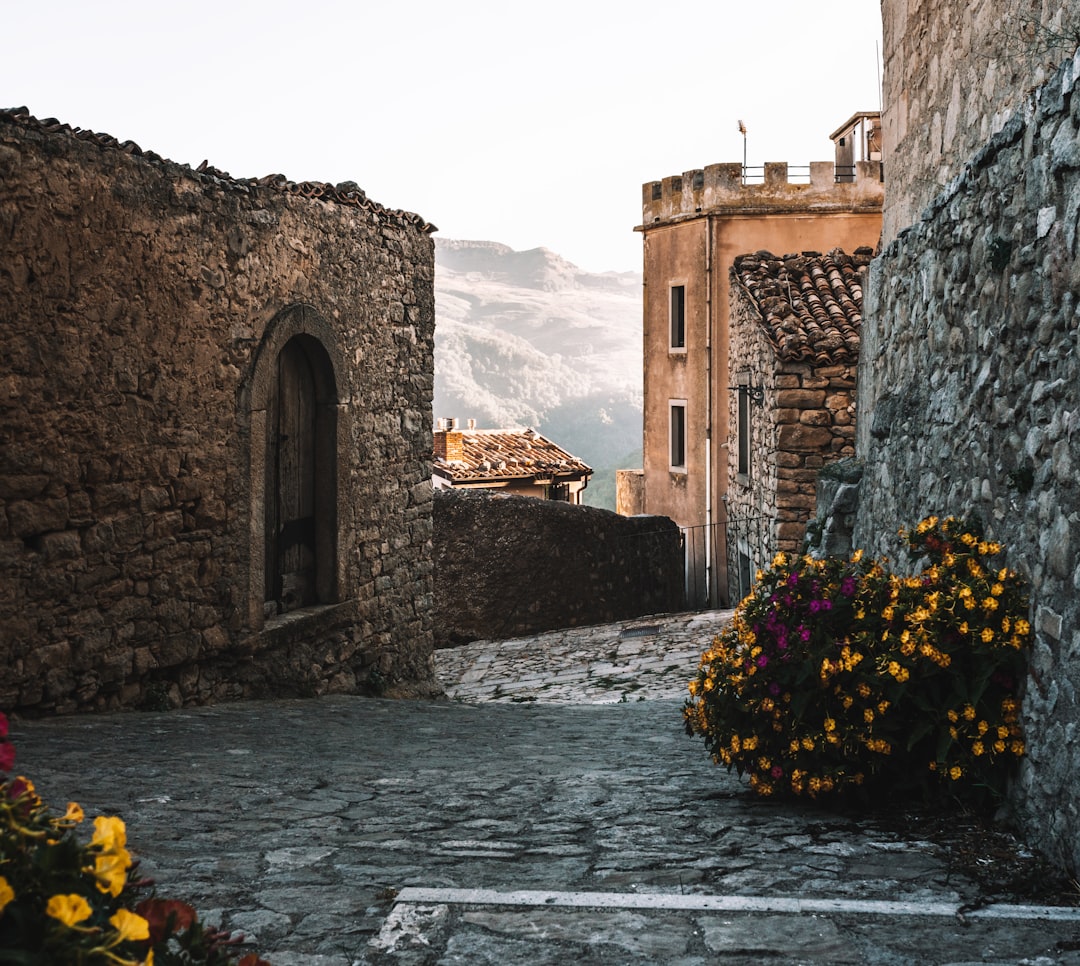
When you step into a place like this, it’s easy to get distracted by the romantic views, but I think the real value lies in observing how the locals have engineered their environment to literally hack their own biology. If you pay close attention, you’ll notice the quiet isn’t just peaceful; it’s a form of low-frequency living that suppresses chronic cortisol production in a way that our noisy, hyper-connected cities just can't match. They also treat their daily intake with a level of intentionality that feels almost foreign to us, relying on mineral-rich mountain spring water and specific herb infusions that act as natural metabolic buffers after every meal. It makes you realize that their longevity isn't just a genetic lottery win, but a calculated result of avoiding the chemical and digital stressors we’ve come to accept as normal.
Think about the architecture for a second, because those thick, lime-based stone walls are doing a lot more than just looking rustic. They provide a steady thermal regulation that removes the biological tax of extreme weather, keeping the body in a state of consistent homeostasis that is much harder to maintain in modern, climate-controlled apartments. Then there is the way they communicate; the slower, deliberate pace of the local dialect actually seems to influence the heart rate variability of everyone around them, creating a social feedback loop of calm. And you’ll see this same efficiency in how they eat, using traditional earthenware instead of modern, synthetic cookware to avoid the microplastics and chemical leaching that we don't even think twice about in our own kitchens.
Perhaps the most striking lesson for any traveler is seeing how the village layout itself mandates physical health. You’re forced to navigate vertical terrain just to get through your day, keeping your activity levels high without the need for a gym or a structured fitness plan. This environment also prioritizes natural light, with strategic placement and southern-facing architecture that protects their sleep cycles from the blue-light pollution that ruins our melatonin production. Honestly, watching how the elders remain integrated into local governance is the biggest takeaway for me, as it proves that having a defined, meaningful role in your community is a biological necessity for avoiding the cognitive decline we see back home. It’s a masterclass in how to build a life that supports your health, rather than fighting against it every single day.
Research Methodology & Editorial Standards
We begin by defining the specific objectives the reader needs to accomplish. Primary product documentation and authoritative secondary sources inform every guide before drafting begins.
Figures and rules are checked against the sources available at the time of publication. Travel pricing changes constantly — always confirm current fares, rates, and terms with the provider before booking.