
Discover the Most Stunning Natural Hot Springs Across the United States
Think about the sulfur content you find in many of these geothermal springs; it’s not just for the distinct smell, it acts as a natural keratolytic that helps your skin shed dead cells and stay soft.
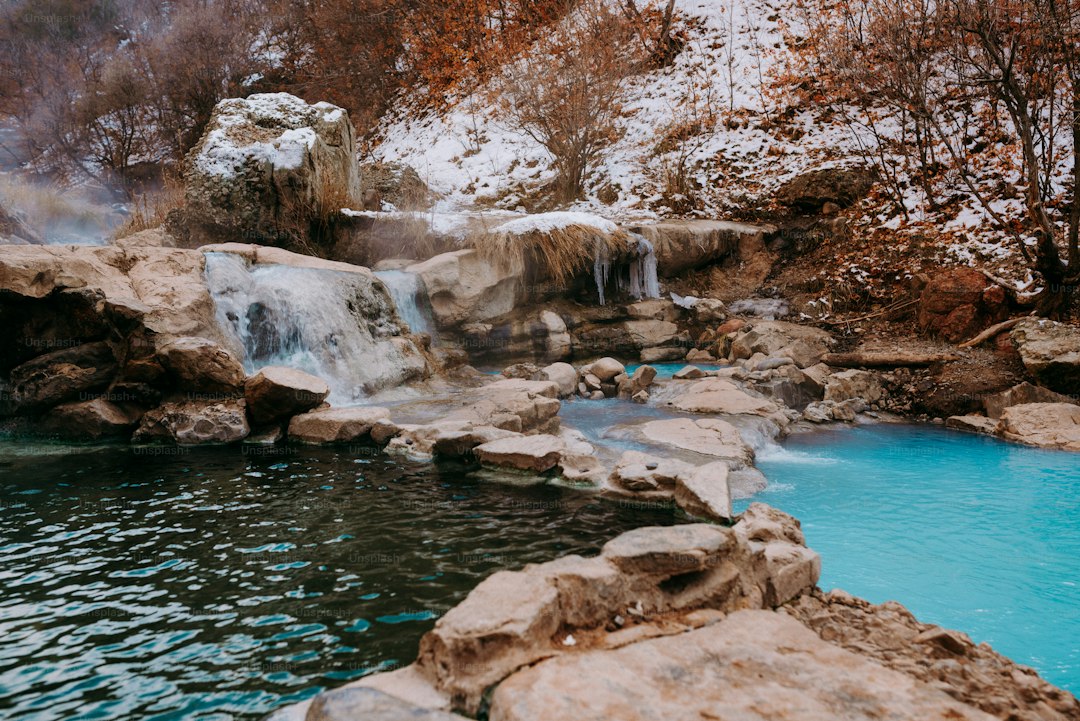
The Healing Waters: Understanding the Mineral Benefits of Natural Soaking
When you’re standing at the edge of a steaming pool, it’s easy to get caught up in the scenery, but there is some real, heavy-hitting science happening beneath the surface. I’ve spent time looking into how balneotherapy—basically, the fancy term for soaking in mineral-rich water—actually works on a biological level, and it’s more than just a placebo effect. When you submerge yourself, you’re essentially soaking in a complex chemical bath where minerals like magnesium, potassium, and silica interact directly with your skin. I think it’s fascinating how the hydrostatic pressure of the water helps your body move fluid around, which is a big reason why those stiff, achy joints often feel so much lighter after just twenty minutes of soaking.
Think about the sulfur content you find in many of these geothermal springs; it’s not just for the distinct smell, it acts as a natural keratolytic that helps your skin shed dead cells and stay soft. Then you have the thermal effect, which triggers vasodilation—essentially widening your blood vessels—to push blood more efficiently to tired muscles. It’s a pretty effective way to manage chronic soreness without reaching for a pill. I’ve also noticed that the mineral density adds a layer of buoyancy that takes the literal weight off your joints, giving you a range of motion that’s often impossible on dry land. It’s almost like giving your skeletal system a much-needed break from the constant pull of gravity.
And if you’re looking for a mental reset, the trace amounts of lithium found in some of these natural springs have been linked to mood stabilization for generations. Beyond that, the steam itself isn't just aesthetic; inhaling those mineralized vapors can actually help hydrate your mucosal membranes and clear out your respiratory passages. Even the bicarbonate levels in the water can help buffer your skin's pH, which is a massive win if you deal with sensitivity or dermatitis. It’s not magic, it’s just chemistry working in tandem with the physical relief of heat and weightlessness. Next time you dip in, try to focus on that sense of relief—you’re literally letting your body absorb a cocktail of elements that it might be craving.
Mountain Escapes: Iconic Hot Springs in the American Rockies
When I look at the American Rockies, I’m not just seeing jagged peaks; I’m seeing a massive, natural heat exchanger that’s been running for millennia. The geothermal activity here is tied to deep tectonic shifts, where meteoric water plunges miles into the earth's crust, heating up against the gradient before surging back to the surface along complex fault lines. It’s pretty wild to think that when you’re dipping into a pool in Colorado or Idaho, the water you’re soaking in might have fallen as rain thousands of years ago. These aren't your typical volcanic springs heated by nearby magma, but rather a perfect display of the earth’s internal temperature working through deep basement rock.
Because these springs are often tucked away in alpine environments, the experience changes depending on when you go. In the spring, snowmelt can dilute the mineral concentration, whereas late summer turns the water into a much more potent, mineral-dense soak. You’ll often notice a distinct "softness" to the water here compared to the high-salinity pools you’d find in the desert, largely because of the unique geochemical path the water takes through ancient granite and limestone. Over centuries, this process leaves behind beautiful sinter terraces, which are just hard, siliceous deposits built up around the vents. It’s a slow-motion architectural project driven entirely by geology.
The real kicker for me is the thermodynamic contrast you get at high altitudes. When the ambient air temperature drops at night, that steam rising off the water feels even more intense, creating a sensory shift that’s hard to replicate anywhere else. You might even catch minor emissions of helium or radon trapped in the crust, which only escape as the water makes its final ascent. It’s a high-purity, low-contaminant environment that feels worlds away from the surface-level pools found in lower elevations. Honestly, once you understand the physics behind how these springs are sequestered and heated, it makes the act of just sitting there and breathing it all in feel like a much deeper connection to the mountain itself.
Desert Oases: Finding Relaxation in the Southwest’s Geothermal Pools
When you head into the Southwest, the experience of soaking shifts from the crisp, alpine clarity of the mountains to something much more ancient and sediment-rich. The geology here is defined by basin and range extension, where the earth's crust stretches and thins, letting mantle heat migrate much closer to the surface than you’d find almost anywhere else. It’s wild to think that much of this water is technically connate—trapped in deep sedimentary rock for millions of years—before tectonic pressure finally pushes it up through strike-slip fault zones. Because the water moves through these thick desert floor layers, it picks up high concentrations of arsenic and boron that you just don't see in mountain springs. You’re essentially sitting in a chemical time capsule that has been marinating in the dark since the late Pleistocene.
I really notice the difference in the physical sensation of the water the moment I step in. These desert springs have a much higher electrical conductivity because of the massive amount of dissolved solids they’ve leached from the basin, which gives the water a distinct, silky texture on your skin. Unlike the mountain pools that might dilute with spring snowmelt, these desert oases are remarkably stable, maintaining a consistent chemical profile year-round because their deep reservoirs are so well-protected. You’ll also see vibrant bands of orange and purple ringing the edges of the pools, which are actually microbial mats—extremophiles that thrive in water pushing 150 degrees. It’s a vivid, biological map of the pool’s temperature gradient that serves as a reminder of how much life can handle when it has the right heat source.
And if you look closely at the edges, you’ll see the travertine deposits growing at a rate of several millimeters a year, essentially reshaping the pool’s architecture while you sit there. The evaporation rates in the desert are so high that you get these unique crusts of gypsum and halite forming around the vents, which gives the landscape a completely different aesthetic than the granite terraces up north. I’ve found that the trade-off for this mineral density is that you have to be a bit more mindful of how long you soak compared to a freshwater spring. But there’s something genuinely grounding about knowing that the liquid touching your skin has spent tens of thousands of years moving through the deep crust just to reach this spot. If you’re planning a trip, look for those fault-line pools where the geology is most active, as they offer the most consistent thermal experience even when the desert air starts to cool down at night.
Coastal Gems: Where Pacific Northwest Wilderness Meets Warm Springs
When we look at the Pacific Northwest, most people think of endless rain and rugged hiking, but there is a hidden geological story written right along the coastline. I’ve spent time analyzing the Cascadia Subduction Zone, where the Juan de Fuca Plate slides beneath the North American Plate, and it’s effectively a massive heat engine that pushes thermal energy to the surface through unique volcanic pathways. Unlike the stagnant pools you might find in a desert basin, these coastal springs are constantly being shaped by the ocean itself. You’ll notice that tidal loading often causes subtle, rhythmic shifts in temperature and salinity, as the sheer weight of the Pacific tide pushes against the local hydrostatic balance. It’s this constant push-and-pull that makes these spots feel so much more alive than their inland counterparts.
Here is what I find most fascinating about the chemistry here: because the groundwater circulates through deep-seated basaltic rock, the water is naturally rich in magnesium, but it’s tempered by the massive amount of rainfall this region receives. You get a lower total dissolved solids profile compared to the mineral-heavy desert springs, but you gain something else entirely through the exposure to the sea. Since many of these vents emerge directly from cliffs, the water is constantly interacting with salt spray and marine aerosols, which injects a unique trace of iodine and bromine into the geothermal mix. You can actually see the biological impact of this in the splash zones, where the specific acidity supports vibrant, calciphile mosses that cling to the dark volcanic rock in a way that just doesn't happen anywhere else.
If you’re planning to visit, keep an eye out for the reddish-black stains on the nearby driftwood; that’s iron and manganese being leached from the rock and deposited by the water as it hits the surface. There is even a specialized micro-climate at play, as the dense temperate rainforest canopy acts like a lid, creating a humidity dome that slows down the heat loss and keeps the water warmer for longer than you’d expect. I’ve even seen bioluminescent algae using that steady thermal output to thrive in runoff channels that would otherwise be far too cold for them. These springs aren't just places to sit and relax; they are critical thermal refugia for local amphibians that need that consistent, non-freezing water to make it through our harsh, wet winters. It’s a delicate, high-tension system where the heat of the earth meets the cold power of the ocean, and honestly, standing there in the middle of it all feels like a front-row seat to the planet’s natural machinery.
Seasonal Soaking: Why Winter is the Prime Time to Visit U.S. Hot Springs
If you’ve ever found yourself shivering in a parking lot, only to step into a steaming pool and feel your entire nervous system downshift, you know exactly why winter is the undisputed prime time for soaking. Let’s be honest, the contrast between freezing air and mineral-rich geothermal water isn't just a sensory luxury; it’s a biological trigger that forces your body into a state of immediate, restorative calm. From a purely analytical standpoint, winter visits are actually the smartest way to experience these sites because the lower ambient temperatures help maintain a more favorable oxygen saturation level throughout the water column, preventing the kind of stagnant heat buildup you often see in summer. Plus, you aren't dealing with the heavy chemical load of sunscreen and lotions that inevitably spike when crowds arrive, meaning the water chemistry stays much closer to its pristine, natural state.
Think about it this way: when the air is dense and cold, the steam plumes rising off the surface act like a visual map of the pool’s thermodynamic activity, signaling where the heat is most potent. You’re also dodging the intense UV radiation that can inadvertently break down trace minerals or trigger unwanted chemical reactions in the water during summer, essentially ensuring that the soak you’re getting is as pure as the geology allows. And because winter snowpack is the primary driver for recharging these deep-earth reservoirs, you’re often bathing in water that has completed a full, consistent annual cycle of mineral sequestration. It’s a much cleaner, more stable experience that feels less like a public amenity and more like a private interaction with the earth’s internal plumbing.
There’s also the practical side of the landscape that we often overlook when the trails are lush and overgrown. In the dead of winter, the thinning vegetation pulls back, finally letting you see the fault lines and sinter terraces that actually dictate the temperature and flow of the springs you’re sitting in. It’s a bit like getting a backstage pass to the planet’s machinery. And for the wildlife enthusiasts, the silence of the colder months turns these remote spots into prime viewing areas for elk and deer that move down from the high country, offering a sense of connection you simply won't find in the peak human traffic of July or August. If you’re willing to brave the walk, you’re rewarded with a sensory reset that’s objectively more effective and chemically sound than anything you’ll find during the warmer, busier seasons.
Essential Etiquette and Safety Tips for Visiting Natural Hot Springs
When we talk about natural hot springs, it is easy to get caught up in the romance of a secluded soak, but I have learned the hard way that you really need to treat these environments with a high level of technical respect. First, you have to keep your head above the surface at all times because rare, lethal amoebas like Naegleria fowleri thrive in stagnant, warm water and can enter through your nasal cavity. I always recommend wearing high-quality, non-slip water shoes since the sinter and travertine edges surrounding these pools are often razor-sharp or coated in slippery bacterial mats that can lead to nasty falls. You also need to stay ahead of hydration, as you’ll lose fluids much faster in the heat than you expect; aim for at least 16 ounces of water per hour of soaking to compensate for what you’re sweating out.
If you are heading into the backcountry, never soak alone because the intense physical relaxation induced by the water can cause vasodilation-related lightheadedness that might leave you unable to safely hike back to your vehicle. It is also worth noting that geothermal systems can shift rapidly due to seismic activity or changing groundwater flow, so do not assume a pool is safe just because it looked fine on a map; check the water temperature with a thermometer before you submerge. Since water conducts heat much more efficiently than air, you can hit a dangerous core body temperature spike in as little as twenty minutes if the spring exceeds 104 degrees Fahrenheit. If you ever feel dizzy, nauseous, or develop a sudden headache, get out immediately, as you might be breathing in invisible pockets of carbon dioxide or hydrogen sulfide trapped near the vents.
Finally, we have to talk about protecting these fragile ecosystems so they stay pristine for the next person. Please avoid using soaps, shampoos, or even sunscreens when you are near the water, as these synthetic chemicals can permanently disrupt the delicate mineral composition and microbial balance of the pool. Always pack out every bit of your trash, and if you have any open wounds or skin abrasions, it is best to skip the soak entirely to prevent the risk of bacterial transmission. Remember that these springs are often vital thermal refugia for local wildlife, so keep your presence quiet and respectful to avoid disturbing the animals that rely on these spots to survive the winter. It’s about balancing your own need for a reset with the reality of an environment that isn't just a tub, but a living, high-tension geological system.
Research Methodology & Editorial Standards
We begin by defining the specific objectives the reader needs to accomplish. Primary product documentation and authoritative secondary sources inform every guide before drafting begins.
Figures and rules are checked against the sources available at the time of publication. Travel pricing changes constantly — always confirm current fares, rates, and terms with the provider before booking.