
Cycling the End of the World A Guide to the Ultimate Patagonia Bike Adventure
Mapping a 1,400km trajectory from Northern Patagonia toward the end of the world is less about checking off waypoints and more about engaging with a landscape that is currently in a state of rapid flux.
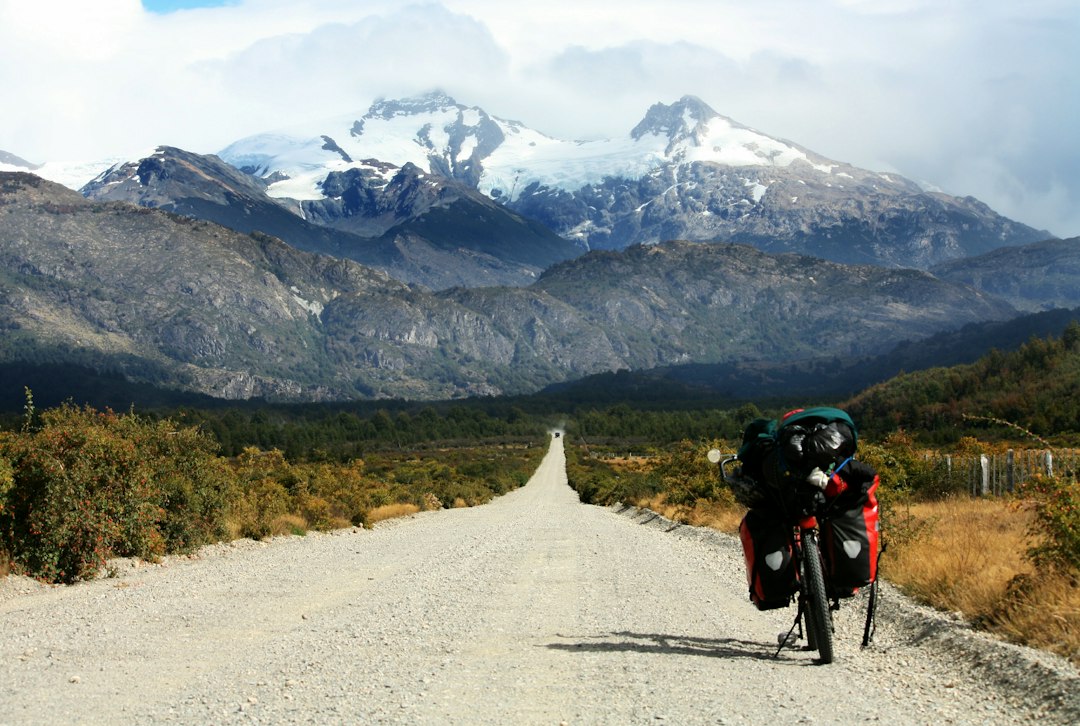
Mapping the Route: From Northern Patagonia to the End of the World
Mapping a 1,400km trajectory from Northern Patagonia toward the end of the world is less about checking off waypoints and more about engaging with a landscape that is currently in a state of rapid flux. If you're planning this ride for 2026, you need to understand that the atmospheric transition from La Niña to a Super El Niño has fundamentally changed what we expect from the weather here. We saw the fifth-warmest January on record globally, and that heat is manifesting as intense volatility across these mountain passes. You can't just rely on historical averages anymore; the extreme precipitation gradients are shifting, and what used to be a predictable window for mountain access is now prone to sudden, disruptive spikes in temperature and localized flash flooding.
Beyond the climate data, you have to stay sharp regarding the physical reality of the trail. Navigation isn't just about following a GPS track anymore, especially with the accelerated drift of the magnetic north pole forcing us to recalibrate our standard compass declination settings for this year. I'd strongly suggest you keep a close watch on regional health advisories too, as authorities are still being incredibly diligent about monitoring hantavirus vectors in these remote corridors. It’s easy to get caught up in the romance of the geography, but the practical side of this trip demands a level of vigilance that separates a successful expedition from a miserable slog through washed-out trails or unexpected health risks.
Honestly, the most rewarding part of this route for me is how it forces you to acknowledge the layers of history hidden in the silence of the region. You’ll pedal past everything from the unique cultural markers like the historic Jewish cemetery in Chimpay to rivers where non-native salmonids have completely rewritten the local ecology over the last hundred years. It is a strange, beautiful mix of deep history and volatile science. Just remember that the Andean glaciers you're riding beneath are some of the most precise data points we have for global temperature shifts; as you move through these valleys, you’re essentially traveling through a living climate study. Take your time, stay flexible with your schedule, and treat the environment with the respect that such a complex, changing landscape requires.
Choosing Your Iron Horse: Essential Gear for Remote Bikepacking
When you’re planning a ride across Patagonia, the bike you choose isn't just a vehicle, it’s your primary safety system. I’ve found that titanium frames are the gold standard here, not just for the weight, but because the fatigue limit of grade 9 titanium handles the constant, rattling micro-vibrations of washboard gravel way better than carbon or aluminum ever could. You’ll want to pair that with a T47 threaded bottom bracket, which avoids the premature bearing failure and annoying creaks common with press-fit systems when they get hit by fine, abrasive glacial silt. For the wheels, don't get distracted by the fancy straight-pull systems you see on race bikes. A classic 32-spoke, three-cross lacing pattern is still the empirical winner for the lateral stiffness you’ll need when wrestling a loaded bike through unstable, high-torque gravel.
The drivetrain setup is where the math really hits the road. To handle those 15 percent grades on the Carretera Austral while hauling a 20-kilogram expedition load, you absolutely need a sub-20 gear-inch low gear. And because the air is so thin and dry in the Andes, your brakes are going to work harder than you expect on long descents. I strongly recommend swapping standard 160mm rotors for 200mm ones, which gives you about 30 percent more surface area to dissipate heat and keeps your fluid from boiling. You’ll also want to run tires in the 2.2 to 2.4-inch range, as that width provides just enough of a contact patch to float over loose scree without forcing you to run pressures so low that you’re constantly risking rim strikes.
As for the finishing touches, let's talk about the gear that actually keeps you moving. Using a dynamo hub is basically a no-brainer by now, especially since modern tech has dropped the electromagnetic drag to under 0.5 watts—it’s the most reliable way to keep your GPS powered in the middle of nowhere. I’d also skip aluminum racks entirely; the vibration-induced work hardening will almost certainly lead to metal fatigue and failure within your first 1,000 kilometers, so stick to titanium racks if you want to avoid a mid-trip disaster. When you’re picking out bags, look for that 800-denier recycled ballistic nylon because it hits the sweet spot between keeping your gear dry and resisting the shredding force of those nasty, thorny scrub plants. Finally, if you’re trying to pack light, new synthetic insulation means you can now grab a 400-gram sleeping bag that’s comfortable down to negative 5 Celsius, saving you significant weight compared to what was possible just a few years ago.
Navigating the Elements: Weather Patterns and Why Your Rain Gear Matters
When you’re out on the road in Patagonia, the weather isn't just a background detail; it’s a physical force that decides whether you make your next camp or end up stranded. The katabatic winds, those sudden Williwaws, can slam down from the ice fields at over 150 kilometers per hour, creating pressure that literally forces water through standard fabrics. I’ve learned the hard way that a jacket with a low hydrostatic head rating is basically a sieve in these conditions, so you really need to look for a rating of at least 20,000 millimeters to stand a chance. It’s also not enough to just keep the rain out because if your gear doesn't breathe, you’ll end up soaked in your own sweat from a tough climb. I always check for a moisture vapor transmission rate of at least 20,000 grams to ensure that vapor can actually escape before it turns into internal condensation.
The environment here is just brutal on materials, too. That fine glacial silt acts like a grinding paste on zippers, which is why I never touch anything without YKK AquaGuard closures. And don't get me started on the volcanic ash; it leaves an oily residue that can clog up membranes, so sticking to high-end ePTFE shells is usually the only way to keep your gear functional for the long haul. Plus, with the atmospheric humidity constantly hovering near 90 percent, traditional hydrophobic coatings just get overwhelmed and stop working, leaving you with a heavy, saturated shell. You’ve got to think about the sun, too, as the UV radiation at these latitudes is intense enough to break down the chemistry of lightweight nylon way faster than you’d expect back home.
Honestly, the most frustrating part is how the temperature swings can mess with your kit. You’ll be sweating on a steep climb in the sun, only to get hit by a freezing wall of air that turns rain into graupel, a granular ice that finds its way into every little gap. I’ve seen seam-sealed tape peel away entirely because the constant expansion and contraction from those temperature shifts is just too much for standard adhesives. That’s why I swear by jackets with pit zips that extend deep into the torso—you need that massive, manual airflow to dump heat instantly when you’re pushing hard. If you don't have that, you’ll be stripping layers and putting them back on every twenty minutes, which is a recipe for getting chilled to the bone.
Finally, keep an eye on the durability of your fabric. You’re going to be brushing against sharp, thorny calafate bushes, and in those high-wind environments, even a tiny pinhole tear will turn into a massive rip before you can even pull out your repair tape. That’s why I always recommend a higher-denier face fabric; it’s a bit heavier in your pack, but it’s the only way to ensure your gear doesn't just disintegrate when things get rough. It’s a lot to consider, but having the right shell means the difference between genuinely enjoying the raw, wild beauty of these valleys and just counting the miles until you can get back to a heater. Trust me, spending a little more time researching your layering system now will save you from a miserable, shivering reality check later.
Logistics and Permits: Navigating Border Crossings Between Chile and Argentina
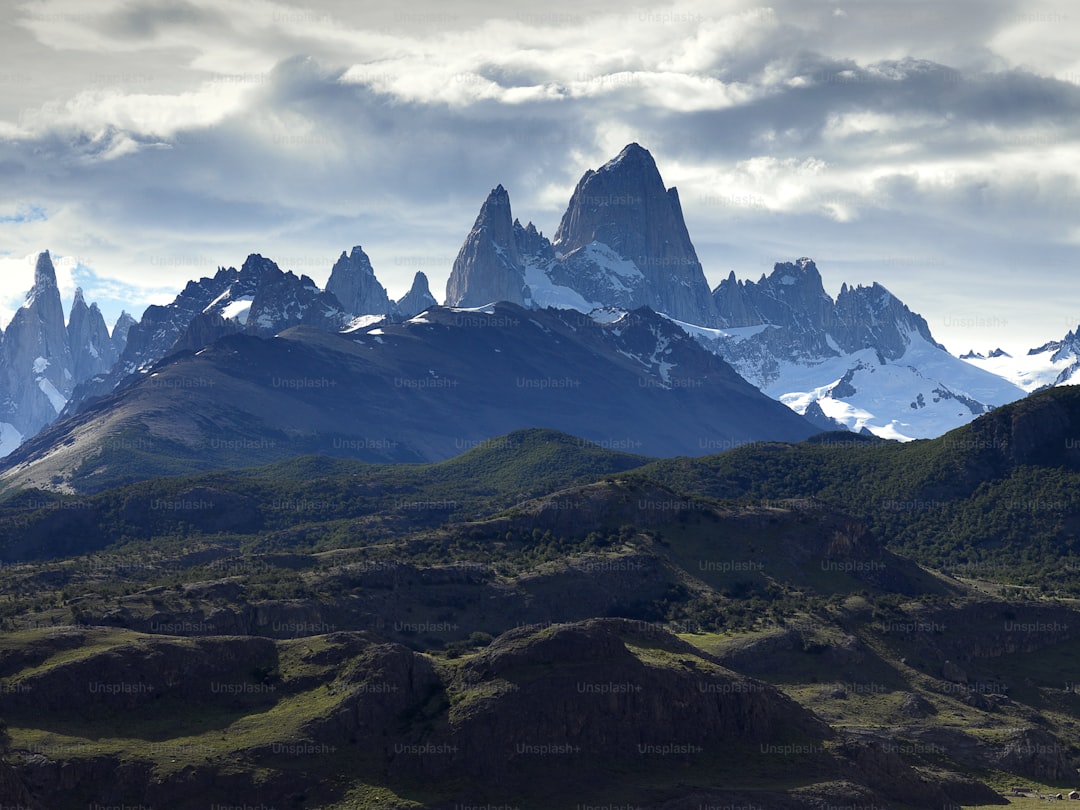
If you've ever stood at a desolate mountain pass between Chile and Argentina, you know that the actual ride is only half the battle; the real test often happens in the sterile, high-stakes environment of a border crossing. Let’s be honest, the logistics here are far more rigid than the open road, and if you aren't prepared, you’re going to find yourself stuck in a bureaucratic loop that can ruin your entire schedule. For starters, Chile’s SAG regulations are notoriously strict, meaning if you’ve got even a speck of dirt or a single dried fruit snack in your panniers, you’re looking at a potential decontamination process or a hefty fine. I’ve learned the hard way that you need to scrub your tires until they look brand new and declare every single piece of organic matter before you even step up to the desk, or you’ll risk having your gear confiscated on the spot.
And it’s not just about what you’re carrying; it’s about how you’re registered in their systems. We’re seeing more reliance on the Formulario Único de Salida y Admisión Temporal, which you really need to secure online beforehand because manual processing at the border is basically being phased out. Another thing to watch out for is that the X-ray scanners at major crossings like Paso Agua Negra sometimes flag high-density materials like your titanium bike frame or internal dynamo wiring as suspicious, so be prepared to calmly explain your build to an officer who’s likely already tired of the day's traffic. It’s also vital that you keep your PDI arrival card and that digital QR code ready to scan, as the transition to these paperless systems has been a bit rocky, and I’ve seen fellow travelers get hung up for hours just because their digital confirmation didn’t sync up right away.
Beyond the tech, keep a close eye on the Gendarmería Nacional Argentina bulletins, especially since those isolated border posts love to shift their operating hours based on local seismic reports or sudden rockfall risks. You’ll also want to make sure your passport stamps are crystal clear, because I’ve heard of enough instances where inconsistent database syncing made it look like someone overstayed their visa, which is an absolute nightmare to resolve when you’re standing in the middle of nowhere. Don't forget that Argentina’s biometric facial recognition can be pretty touchy if your face is wind-burned or if you’re still wearing your helmet and buff, so just take the gear off and give the machine a clean shot. I know it sounds like a lot of hoops to jump through, but once you have your travel insurance paperwork—specifically the stuff that covers emergency medical evacuation—and your documents in order, you’ll find that the friction actually drops off significantly, leaving you free to focus on the next climb.
Sustenance and Shelter: Mastering Wild Camping and Refueling in the Wilderness
When you’re out there, the boundary between a transformative adventure and a dangerous situation often comes down to how you manage your immediate survival needs. Honestly, the first thing I think about is hydration; even if that glacial stream looks crystal clear, you absolutely must use a 0.1-micron hollow fiber filter to screen out Giardia and Cryptosporidium shed by local guanacos. Don’t trust the visuals when it comes to your gut health. And while we’re talking about supplies, keep your food in bear-resistant canisters or hoisted at least four meters high. You might not expect it, but those chimango caracaras are incredibly smart and will tear through your nylon bags to steal your high-energy snacks in seconds.
For your daily caloric intake, you’ll want to shift your strategy toward lipids like powdered coconut oil or ghee. They pack nine calories per gram, which is a massive upgrade over the four calories in standard carbohydrates, and that density is a lifesaver when you're grinding through high-exertion days. When you’re setting up for the night, please avoid dry riverbeds at all costs. I know they look like flat, inviting spots, but the orographic lifting in these mountains can trigger flash floods from storms miles away that arrive with almost zero warning. It’s not worth the risk. Instead, look for a spot that lets you orient your tent fly with the narrowest profile facing the prevailing westerlies to prevent those constant gusts from snapping your tent poles over time.
To really nail your sleeping setup, don't rely solely on an inflatable mattress. You need to decouple your body from the freezing ground with a closed-cell foam pad boasting an R-value of at least 3.0, otherwise, the earth will suck the warmth right out of you before morning. As for cooking, I’ve found that liquid fuel stoves are far more reliable than canister systems when the mercury drops, as they don't suffer the same performance-killing pressure dips in the cold. Just make sure you’ve got some wax-impregnated cotton balls in your kit for fire starting, because the humidity in those temperate rainforest sections makes finding dry kindling a total nightmare.
Finally, keep a bit of high-viscosity food-grade lubricant handy for your zippers. The fine, abrasive dust of the steppe is notorious for seizing up hardware, and having a gear bag you can’t open is a headache you really don't need in the backcountry. Also, please carry a satellite messenger with two-way capabilities. The steep topography of the fjords creates massive cellular dead zones, and if something goes sideways, you’ll want a reliable way to signal for help. Always pack out your waste—even the toilet paper—since the cold here slows down decomposition to a crawl. It’s all about maintaining that balance between staying fueled and leaving the place exactly as you found it.
Preparing for the Challenge: Physical Training and Mental Resilience for Long-Distance Cycling
Getting yourself ready for a multi-week trek through Patagonia isn't just about logging miles; it's about building a physiological and mental architecture that won't crumble when you're three days deep into a headwind. I’ve found that long-distance performance hinges on maximizing your mitochondrial density, which is best done by sticking to Zone 2 base training to trigger actual mitochondrial biogenesis. It’s boring, I know, but it’s the only way to delay muscle fatigue when the road starts to bite. I’d also stop obsessing over your resting heart rate and start tracking heart rate variability; it’s a much more accurate window into how your autonomic nervous system is actually handling the strain. If you really want to protect your body, add eccentric strength training for your quads and calves to your weekly routine. It sounds like extra work, but those loading patterns are exactly what your connective tissues need to handle the high-torque, steep climbs you’re going to face in the Andes.
But honestly, the mental game is where most of us get tripped up. When the weather turns and you’re soaked, I lean into a technique called cognitive reframing, where you consciously label that burning pain as a neutral biological signal rather than an emotional threat. It sounds like a head game, but it stops your brain from spiraling when the going gets tough. You also need to watch your focus like a hawk, because losing just two percent of your body mass to dehydration can tank your cognitive reaction times during technical gravel descents. I make sure my water is always electrolyte-balanced to stay sharp, and I never skip my daily mobility work for my hip flexors and thoracic spine. Being hunched over bars for ten hours a day will lock up your joints if you don't actively fight those static, hunched postures.
Finally, think about the small, daily irritants that eventually become trip-ending disasters. Preventing nerve compression in your hands is a non-negotiable; I always use gloves with high-density vibration-dampening gel inserts to stop that chronic, numbing nerve pressure. And please, treat your chamois hygiene like a surgical procedure, using barrier creams with high dimethicone content to keep the friction from turning into something that makes riding impossible. If you aren't eating a 1:4 protein-to-carbohydrate ratio while you're moving, you're just not replacing your glycogen fast enough to keep your brain firing correctly. It’s a lot to manage, but if you set up these habits before you even touch the bike, the actual riding starts to feel like the reward rather than the struggle.
Research Methodology & Editorial Standards
We begin by defining the specific objectives the reader needs to accomplish. Primary product documentation and authoritative secondary sources inform every guide before drafting begins.
Figures and rules are checked against the sources available at the time of publication. Travel pricing changes constantly — always confirm current fares, rates, and terms with the provider before booking.