
Coastal Hotels Where You Can Master the Art of Oyster Shucking This Summer
That’s exactly what’s happening with the surge in oyster workshops this summer.
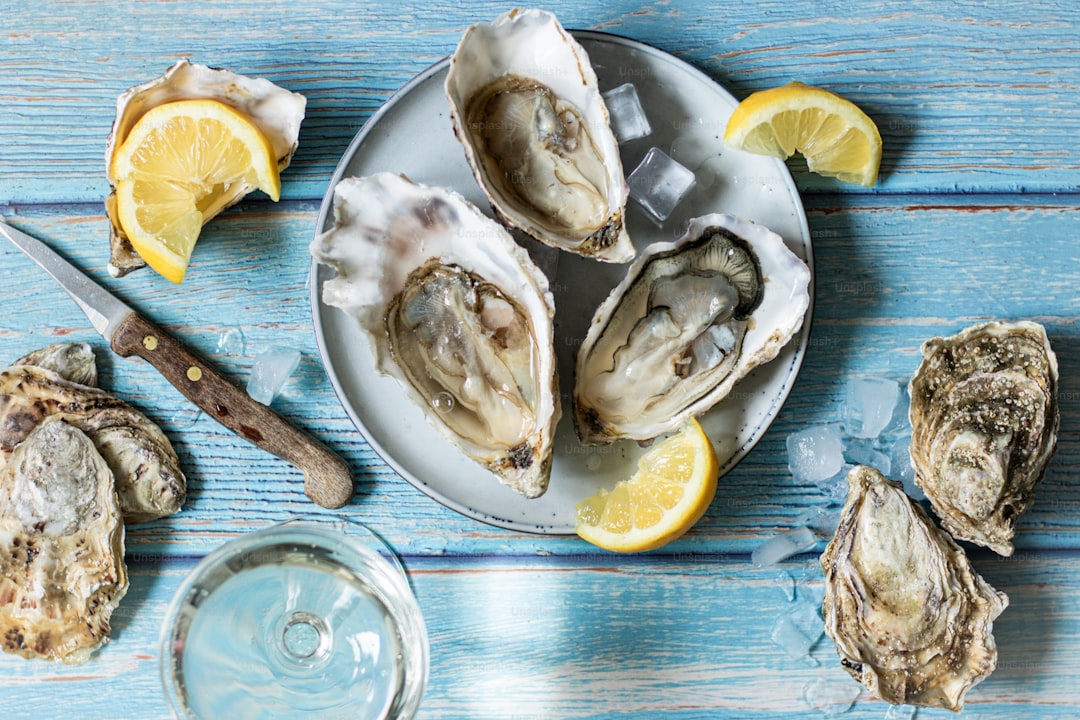
From Slurp to Shuck: Why Hands-On Oyster Workshops Are Summer’s Hottest Travel Trend
You know that feeling when you finally stop just consuming a travel experience and actually get your hands dirty? That’s exactly what’s happening with the surge in oyster workshops this summer. It’s not just about the briny hit of a fresh mollusk anymore; people want to understand the mechanical reality of what they’re eating. When you’re staring down a shell, you’re dealing with the adductor muscle, which holds those valves shut with several pounds of pressure. It’s a bit of a workout, and honestly, you quickly learn that a good shucking knife is a lever, not a blade. You’re prying, not slicing, and getting that 45-degree angle right at the hinge is the difference between a pristine, succulent oyster and one full of jagged shell fragments.
There’s a deeper, more analytical side to this trend that goes beyond just looking cool on Instagram. When you attend these workshops, you’re essentially getting a masterclass in merroir, that specific regional flavor profile dictated by the mineral content of the estuary. It’s like wine terroir, but in the water. We’re seeing more hotels embrace this by using off-bottom cage farming, which keeps the oysters suspended away from the muddy bottom to prevent grit and ensure a cleaner finish. Plus, there’s a genuine focus on wellness here, as these shellfish are absolute powerhouses of zinc and vitamin B12. It makes sense why travelers wanting to optimize their diet are seeking these out as a core part of their getaway.
But the most compelling part of this shift is the environmental connection. I’ve noticed that the best workshops don’t just show you how to shuck; they explain how a single oyster filters up to 50 gallons of seawater a day to clean up the coast. You’re learning about carbon sequestration and how these reefs combat ocean acidification, which makes the act of eating feel like a contribution to the ecosystem rather than just a indulgence. Many of these coastal properties are even letting guests help with actual reef restoration projects right after the class. It’s a smart, hands-on way to engage with the environment, and it definitely beats just lounging by the pool. If you’re heading to the coast this summer, I’d highly recommend booking one of these sessions to see if you can handle the blade yourself.
Atlantic Coast Havens: Mastering the Shellfish Craft in New England’s Premier Resorts
I’ve been digging into the mechanics of why New England’s coastal resorts are suddenly doubling down on these shellfish programs, and it really comes down to the science of the harvest. If you head up to the northern reaches of Maine, you’ll find that the frigid water creates a much longer growth cycle, resulting in meat that is noticeably denser and sweeter than what you’d find further south. It’s a fascinating contrast when you compare this to the Long Island Sound, where the warmer water temperature accelerates the process but produces a different flavor profile. The Damariscotta River is the real outlier here, though, thanks to a specific salinity that packs the shellfish with a higher mineral concentration than just about anywhere else on the coast. Honestly, once you start tasting the difference, it’s hard to go back to generic oysters.
The technology behind these farms is getting pretty high-tech, too. A lot of the top-tier resorts are now working with hatcheries that use vertical-flip farming, a method that periodically exposes the oysters to air to thicken their shells and beef up that adductor muscle. They’re also leaning heavily into triploid oysters, which are sterile, so they don’t waste any energy on reproduction and stay perfectly meaty even when the water hits those summer spawning temperatures. If you’re at a workshop, you’ll likely see pros using a curved-tip knife to avoid puncturing the mantle; it’s a small detail, but it’s the only way to keep all that precious liquor inside the shell where it belongs. Just remember, once you’re done and heading back to your room, always store your extras cup-side down so you don’t lose those juices before dinner.
There’s also a real commitment to circular economics at these properties that I find genuinely refreshing. Instead of tossing the shells, these resorts are running massive recycling programs to turn that calcium carbonate back into reef structures along the Atlantic shoreline. It’s a smart way to handle waste, and it’s actually helping to restore the local habitat. It’s also worth noting that if you notice a green or golden tint to the gills during your tasting, that’s just the result of specific micro-algae present in the estuary, not something to worry about. It’s these little, tangible connections to the water—from the hinge’s structural weak point to the way these creatures react to light—that make the experience feel so much more grounded than your average resort activity.
Pacific Shoreline Secrets: Where to Pair Sunset Views with Expert Shucking Lessons
If you’ve spent any time on the West Coast, you know the Pacific shoreline offers a completely different energy than the Atlantic side, and that extends right down to the oysters themselves. When you’re standing on the beach watching the sun dip below the horizon, you’re looking at a high-energy environment defined by dramatic tidal swings that force these mollusks to adapt in fascinating ways. Because of those powerful currents, Pacific oysters develop incredibly dense adductor muscles to keep their shells clamped tight against the surf, which makes them a real challenge to crack open. I think that’s exactly why the shucking workshops out here feel so satisfying; you’re not just learning a recipe, you’re working with a creature that has been trained by the ocean to be incredibly resilient.
It’s worth noting that Pacific oysters, or Crassostrea gigas, are actually a non-native species brought over from Japan, and they grow at an astonishing rate compared to their Eastern cousins. You can often see them hit market size in just 12 to 18 months, largely thanks to the nutrient-rich upwelling currents that feed them constantly. When you’re in a workshop, notice how the shells are more elongated and fluted; experts will tell you to swap your knife for a shorter, wider blade to navigate those jagged, deep hinges effectively. That specific tool choice makes a world of difference when you’re trying to keep all that precious liquor inside the shell rather than losing it to the counter.
What really blows my mind is how the environment shapes the taste, too. Those Pacific bays often sit at a salinity level around 25 to 30 parts per thousand, creating a crisp finish that hits the palate differently than the heavy salt of the Atlantic. You might even catch notes of cucumber or melon depending on the specific phytoplankton in the current, which is honestly one of the coolest things to look for when you're doing a tasting. If you’re planning a trip, keep an eye on how these farms use rack systems to harden the shells under the intense sun, a process that results in a cleaner, more durable product. It’s a pretty technical process, but seeing it firsthand while the sky turns orange over the water makes the whole experience feel like you’re finally part of the coast rather than just a visitor.
Beyond the Raw Bar: Connecting with Local Oystermen and Sustainable Seafood Practices
When you move past the initial thrill of the shucking blade, you start to see that the real story here is about the incredible engineering happening beneath the surface. It’s wild to think that every single oyster you’re enjoying is acting as a massive biological nitrogen sink, pulling agricultural runoff right out of the water to build its own shell and tissue. I’ve been looking into how some of the more forward-thinking farms are using solar-powered tumblers to mimic wave action, which creates that perfect, deep-cupped shape we all look for without needing to constantly handle the stock by hand. It’s these kinds of technical innovations that really bridge the gap between just eating a meal and understanding the mechanics of a thriving coastal ecosystem. Plus, seeing how these reefs can actually absorb up to ninety percent of wave energy is a total game-changer for how we should view coastal protection.
But honestly, the science gets even cooler when you look at how these farms function like living laboratories. Many resorts are now partnering with universities to use their oyster cages as protected havens for endangered species, which turns your weekend getaway into a genuine contribution to local biodiversity. And if you’re curious about the history of the water you’re swimming in, it turns out those shells are basically time capsules; they record their life story in daily micro-layers, kind of like tree rings, giving us a perfect snapshot of the estuary’s environmental history over time. I also love that farms are shifting away from plastic mesh toward biodegradable hemp spat collectors, which is a massive win for keeping microplastics out of our food chain. It’s these small, intentional shifts in how we interact with the water that really make the whole experience feel meaningful.
There’s also a fascinating, almost futuristic side to how we treat these shells once the meal is over. Instead of letting them hit a landfill, many of these resorts are leaning into circular economics by recycling the calcium carbonate back into the ocean to provide a substrate for new larvae to settle on. It’s essentially a closed-loop system that keeps the reefs growing and the coastline resilient. I’ve even read that researchers are studying the specific crystalline structure of these shells to see if they could eventually be used as carbon-neutral construction materials for our own buildings. It’s a lot to take in, but when you’re standing on the dock with a local oysterman, knowing that your dinner is part of such a complex, regenerative cycle changes your perspective entirely. Next time you’re planning a trip, look for properties that prioritize these fallowing periods—where they let the seabed rest—because that’s where you’ll find the most honest, sustainable, and frankly, the best-tasting results.
Essential Gear and Technique: What You’ll Learn During Your Coastal Hotel Residency
When you step into one of these residencies, you'll quickly realize that shucking is less about raw power and more about understanding the mechanical architecture of the oyster. We’ll start with the gear, specifically why your knife choice matters; you’re looking for a blade with a bent tip designed to navigate that irregular internal hinge geometry without shredding the delicate meat inside. It’s fascinating to see how the resistance you feel is actually the oyster’s adductor muscle holding its shell shut with up to ten pounds of pressure per square inch. You’ll learn to stop treating the knife like a blade and start using it as a lever, finding the fulcrum of the hinge to pop it open with a controlled wrist twist rather than brute force.
Once you’ve mastered the initial pop, the focus shifts to anatomy and preserving the quality of your catch. You’ll be taught to carefully detach the mantle, that thin layer of tissue, from the upper valve to ensure a clean presentation for your plate. There is a real science to keeping that nutrient-dense liquor inside the concave cup of the shell, which means keeping it level throughout the entire process is non-negotiable. I’ve seen plenty of beginners lose all that flavor in a second by tilting the shell too early, so you’ll spend a lot of time practicing that steady hand grip. We’ll also cover why your choice of blade must adapt to shell density, as those slower-growing, harder varieties require a much more rigid tool than the thinner, rapidly farmed ones you might encounter elsewhere.
Safety is obviously a huge part of the conversation, but not in a boring, corporate way; it’s about using high-performance fibers like Kevlar in your cut-resistant gloves to keep your hands protected while maintaining the tactile feedback you need. You’ll also get into the weeds of how an oyster’s biological response to light and temperature impacts how it reacts to the blade, which honestly makes you appreciate the animal’s biology on a totally new level. By the time you reach the final cleanup stage—where you learn to gently scrape away any grit or shell fragments from the liquor—you’ll feel a massive difference in your confidence. It’s not just a skill you walk away with; it’s a deeper, more tactile connection to the entire ecosystem you’re standing in, and I think that’s what makes these sessions so rewarding.
The Ultimate Oyster Itinerary: Planning Your Culinary-Focused Summer Getaway
If you're anything like me, you probably think the best travel memories aren't the ones you just look at, but the ones you can actually taste and touch. Planning a culinary-focused getaway isn't just about finding the best raw bar in town, it's about mapping out an itinerary that connects you directly to the source of your dinner. We're looking at a summer where you can move beyond the tourist trap and actually grasp the biology of the bivalves you're eating. It’s wild to consider that every oyster you shuck is a biological record of the estuary's history, with shell layers acting much like tree rings that hold data on water chemistry and temperature. When you start tracking these spots, you’re basically building a roadmap of high-salinity hot zones and nutrient-rich currents that define what lands on your plate.
Let's pause for a moment and reflect on why this matters: you’re not just eating, you’re engaging with an ecosystem engineer. Whether you’re heading to the rugged Maine coast or catching the high-energy tidal zones of the Pacific, the gear and the technique you'll need change based on how those oysters had to grow to survive. You’ll find that a shorter, wider blade is a total necessity when you’re facing the fluted, hardened shells of the West Coast, which have to be tough to withstand those powerful, oxygen-rich upwelling currents. Contrast that with the calmer, mineral-dense estuaries of the East, and you’ll realize that your shucking strategy needs to be as adaptable as the mollusks themselves. It’s a bit of a technical dance, but once you master that wrist twist to pop the hinge without losing the precious liquor, the whole experience feels infinitely more earned.
Honestly, the real value in an itinerary like this comes from the environmental context you pick up along the way. I find it fascinating that the best resorts are now acting as living labs, using vertical-flip farming or biodegradable spat collectors that keep microplastics out of the food chain. You're getting an inside look at how these farms actually improve water quality by acting as nitrogen sinks, which puts every slurp into a much larger, more sustainable perspective. If you look for destinations that participate in shell recycling programs, you’re essentially helping to build the next generation of reefs while you vacation. It’s a smart, hands-on way to travel that turns a simple meal into a contribution to coastal resilience, and honestly, it’s the only way I want to spend my summer weekends now.
Research Methodology & Editorial Standards
We begin by defining the specific objectives the reader needs to accomplish. Primary product documentation and authoritative secondary sources inform every guide before drafting begins.
Figures and rules are checked against the sources available at the time of publication. Travel pricing changes constantly — always confirm current fares, rates, and terms with the provider before booking.