
Best Los Angeles Historic Sites To Capture For Your Photography Portfolio
It’s that kind of intentionality—like the atmospheric ceilings with tiny lights mapped to mimic a night sky—that makes these places a goldmine for any photographer looking to capture the real soul of Hollywood.
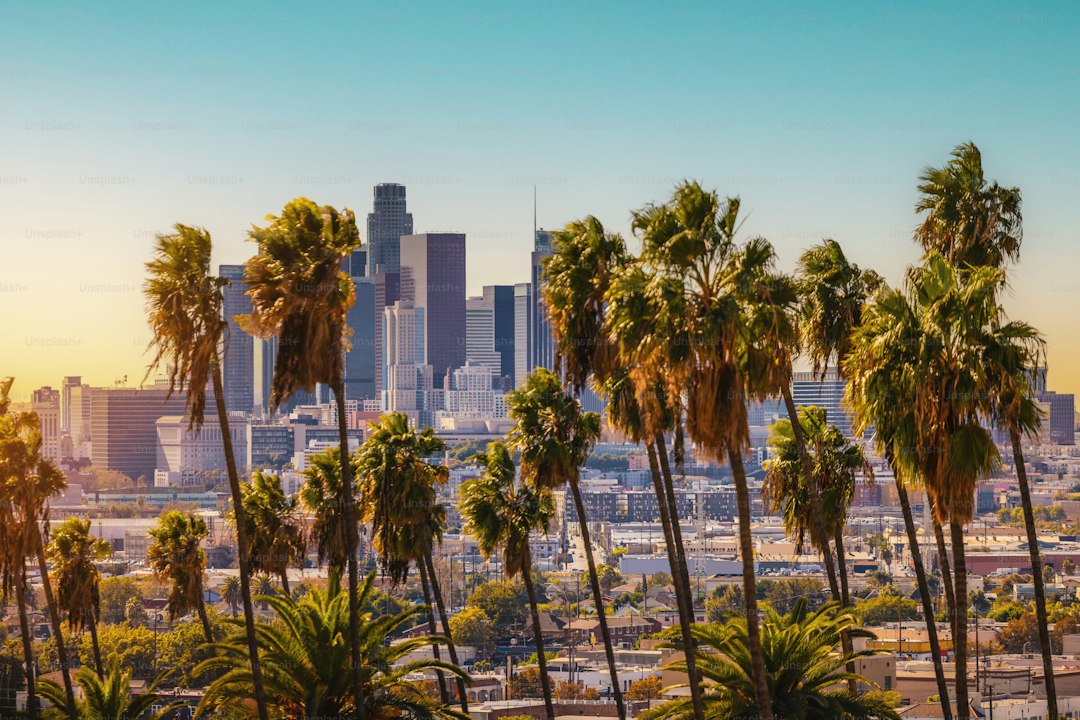
The Cinematic Charm of Old Hollywood: Capturing Historic Movie Palaces
If you've ever stepped into an aging movie palace in Los Angeles, you know that feeling of being transported to a time when cinema was less about streaming and more about pure spectacle. These buildings aren't just shells; they’re engineering marvels built during an era where the architecture was designed to be as immersive as the films themselves. Take the Vista Theatre, for instance, which opened back in 1923 with rows spaced unusually wide just to let the Egyptian-themed decor breathe. It’s that kind of intentionality—like the atmospheric ceilings with tiny lights mapped to mimic a night sky—that makes these places a goldmine for any photographer looking to capture the real soul of Hollywood.
But honestly, the technical history tucked inside these walls is what really gets me. Think about the Los Angeles Theatre, where they once had a fountain in the lobby flowing with scented water, or the Orpheum, which still houses a functioning Wurlitzer organ meant for live silent film accompaniment. You’ll see design choices like sharp 15-degree floor slopes to keep sightlines clear of columns and walls built with specific acoustic plaster long before digital audio ever existed. These weren't just functional spaces; they were grand, cross-cultural experiments blending Spanish Baroque and French Rococo to sell a sense of escapism that we just don't see in the multiplexes of today.
When you're out there with your camera, keep an eye out for those hidden details that tell the story of how these places actually functioned. Look for the early neon on the Highland Park theater’s marquee or the original carbon arc lamp housings in the projection booths that required real, hands-on skill to keep the light steady. Some of these spots even have old subterranean chambers once used for storing ice blocks for cooling, an early precursor to our modern, climate-controlled world. It’s easy to get caught up in the polished look of a finished photo, but I really think the magic comes from documenting these specific, mechanical relics that prove just how hard people worked to keep the dream of the movies alive.
Architectural Landmarks: Photographing the Art Deco and Mid-Century Modern Skyline
When you start framing the Los Angeles skyline, you quickly realize it’s a tale of two distinct design languages fighting for your attention. I’ve spent countless hours trying to balance the rigid, ornate geometry of the Art Deco era against the airy, transparent philosophy of Mid-Century Modernism. Take the Eastern Columbia Building for example; that vibrant turquoise terra-cotta is a nightmare to shoot if you don’t have a polarizer to cut the glare, but once you nail the exposure, the neon clock tower provides a high-contrast dream for your night portfolio. It’s funny how those old setback ordinances from the 1920s, which were just meant to keep sunlight on the streets, ended up creating these incredible, stepped-back silhouettes that give our city its character.
But then you pivot to the mid-century side, and the challenge shifts entirely from managing surface reflection to capturing light and space. You look at something like the Stahl House, where those cantilevered steel beams make the living room feel like it’s floating right over the city lights, and you realize you aren’t just photographing a house—you’re documenting a defiance of gravity. Those post-and-beam structures were a total game changer because they stripped away the load-bearing walls, giving us that floor-to-ceiling glass that blurs the line between inside and out. If you’re shooting these, try focusing on the brise-soleil sun-shading devices, because the way they cast repetitive, shifting shadows is honestly the best way to add real depth to a black-and-white series.
There’s also something to be said for the sheer craftsmanship hidden in plain sight. I always tell people to look closer at the bas-reliefs on those older Art Deco facades; since the molds were often destroyed right after the pour, you’re looking at a singular, sculptural print that doesn't exist anywhere else. Even the interiors, like the Lalique glass panels in the Oviatt Building, offer a technical puzzle because they refract light in ways that can absolutely overwhelm modern sensors if you aren't careful with your long exposures. Don’t ignore the smaller details like the verdigris patina on old copper penthouses or the mottled texture of the concrete at City Hall, because that’s where the history actually lives. It’s easy to get lost in the wide-angle shots of the Griffith Observatory, but I think the real value in your work will come from how you bridge the gap between these heavy, ornate monuments and the light, modular innovation that followed them.
Echoes of the Past: Exploring the Visual Narrative of El Pueblo de Los Angeles
When you walk through El Pueblo de Los Angeles, you’re not just seeing old buildings, you’re looking at a physical timeline of how this city actually grew from the ground up. Take the Avila Adobe, for example, which is still standing after more than two centuries because it was built with sun-dried mud bricks reinforced with cattle hair to add real tensile strength. It’s pretty wild to realize that the original floors were just compacted earth before they started layering in bitumen from the nearby La Brea Tar Pits. If you’re scouting for shots, don't just look at the walls, look at how that mix of materials creates a texture you won't find anywhere else in the modern city.
The whole area is organized around the Laws of the Indies, which basically forced Spanish colonial towns to anchor everything to a central plaza. While Olvera Street feels like a curated marketplace, the surrounding structures tell a much more technical story about resourcefulness. Look at the Sepulveda House and you’ll see this strange but cool hybrid of Victorian high-pitched roofs sitting right on top of traditional adobe walls. It’s a perfect example of how different design languages got forced together out of necessity. Even the street-level ironwork has a secret life, as many of those pieces were actually salvaged from old Southern Pacific Railroad scrap, showing just how much they valued adaptive reuse back in the day.
I think the best way to frame these sites is to hunt for the remnants of the city’s early infrastructure, like the traces of the Zanja Madre canal system that once brought water from the river. Even the firehouse is worth a closer look, especially if you’re interested in chemistry, since it was essentially a lab for testing lime-wash pigments that could handle the high-alkaline content of the local soil. Then you have the Pico House, which was a total game changer in 1870 for being the first spot in town with actual indoor plumbing and gas lights. It’s easy to focus on the touristy side of things, but capturing those specific, functional relics—like the pressed-metal facade on the Italian Hall or the mass-produced cast iron on the 1889 kiosk—is what will give your portfolio real weight.
Coastal Heritage: Historic Piers and Lighthouses for Your Landscape Portfolio
When you’re shifting your focus from the urban grit of the city to the coast, you’ll find that our historic piers and lighthouses offer a completely different kind of mechanical beauty. It’s not just about the sunset backdrop; it’s about understanding the engineering that keeps these relics standing against the relentless Pacific. Take the Santa Monica Pier, for example, where the 1922 Looff Hippodrome houses a pneumatic band organ—a fascinating, complex system that I think is way more interesting than the rides themselves. If you look closely at the pier’s foundation, you’ll spot those creosote-treated timber pilings, specifically chosen back in the day to fight off shipworms. It’s these hidden, functional details that give your landscape shots a narrative weight that a simple wide-angle view just can’t replicate.
When you head toward the Point Vicente Lighthouse, pay attention to the 1926 Fresnel lens assembly, which honestly blows my mind because it sits in a mercury float bath to eliminate friction as it spins. You’ll find that many of these coastal structures use specialized concrete mixes, formulated to survive constant salt-spray corrosion, or even unique hexagonal cast-iron designs like the Port of Los Angeles breakwater light, which was engineered purely to stay stable against gale-force winds. I always tell people to keep an eye out for the old fog signal buildings, too; they once relied on massive compressed air whistles stored in underground tanks to cut through the marine layer. It’s that kind of industrial history that makes these spots so much more than just pretty landmarks.
And don't overlook the smaller, technical quirks that tell the story of a site’s evolution. You’ll see sacrificial anodes—those little metallic plates—bolted to steel pilings to stop galvanic oxidation, which is basically a low-tech way to prevent the whole structure from rusting away. If you find yourself at Point Fermin, notice the rare wood-frame Victorian architecture, which is a total outlier compared to the stone towers you see elsewhere and reflects some really clever fire-resistant cladding from the 1870s. Most of these piers are also built with specific cross-bracing patterns designed to dissipate the energy of incoming swells rather than just fighting them head-on. Even the transition from old kerosene lamps to electric bulbs left behind thermal venting systems that you can still see if you look at the lantern rooms, proving that every square inch of these places was built with a specific, hard-nosed purpose.
Time-Capsule Settings: Unique Mid-Century Diners and Neon-Lit Classics
When you turn your lens toward Los Angeles’ mid-century diners, you’re really capturing the physical manifestation of the space-age obsession that defined the 1950s. These spots often feature Googie architecture, where designers used cantilevered structures and parabolic roofs to grab the attention of drivers whizzing by at high speeds. It’s fascinating how those boomerang-shaped steel elements were engineered specifically to create a sense of forward motion, mirroring an era that was entirely focused on the future. I always suggest looking for the Vitrolite facade—that pigmented structural glass is so non-porous that its colors look just as saturated today as they did seventy years ago. When you’re framing these, keep an eye on how the chrome trim reflects that neon glow; it’s a tricky surface for modern sensors, but nailing the exposure on that metal really locks in the period-accurate look.
The lighting itself is a technical puzzle that goes way beyond just snapping a picture of a sign. Those neon tubes are filled with argon or neon gas, but the colors actually come from specialized fluorescent coatings inside the glass, and they sit on high-voltage circuits that are incredibly sensitive to atmospheric conditions. Some of the best shots I’ve seen make use of the halo-lit signs, which were originally designed to punch through the thick coastal marine layer by reflecting light off the stucco walls. If you’re lucky enough to find a spot with a manual flasher unit, you’re capturing a rare mechanical relic—those rotating switches are the ancestors of the programmable LED controllers we use now. Honestly, try setting up a long exposure to capture that rhythmic pulse; it’s the best way to show the transition between old-school electrical engineering and modern technology.
Don't just stick to the wide shots, though, because the interior details tell a much deeper story about how these spaces were lived in. The vinyl composition floor tiles were revolutionary for their time, specifically chosen for their ability to hide scuff marks in high-traffic kitchens, and their geometric patterns create a great lead-in for your composition. Even the counter stools are worth a close look; they’re bolted into the foundation with recessed steel anchors that provide a rhythmic, minimalist repetition that really draws the eye into the frame. I’ve found that the perforated cellulose ceiling tiles are an unsung hero for photographers, too, because they age into a warm patina that naturally diffuses ambient light. It’s these small, functional choices—from the atomic-era starburst clocks to the analog jukebox wiring—that prove these diners were built as total environments, not just places to grab a burger.
Curated Textures: Finding Inspiration in the Decorative Details of LA’s Historic Estates
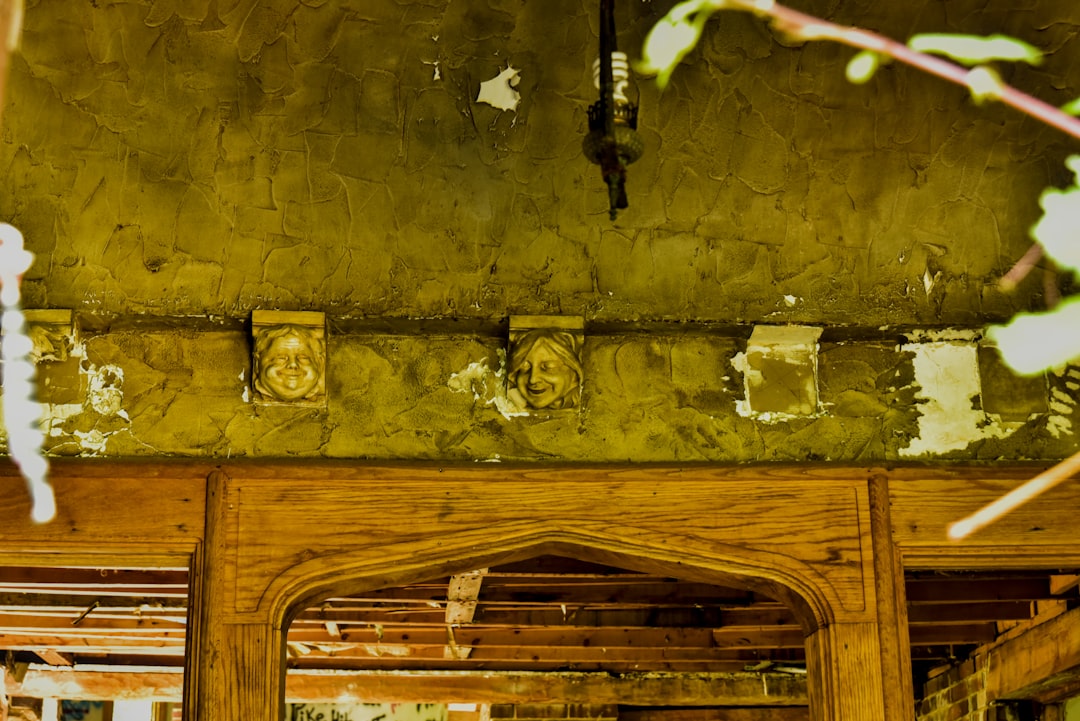
When you finally step inside some of these historic LA estates, it is easy to get distracted by the sheer scale of the rooms, but the real story is written in the textures hidden in plain sight. I always tell people to look past the velvet and gold, because the walls themselves are essentially functioning machines. Take the plasterwork, for example; beneath those elaborate designs, you will often find hidden metal armatures that were specifically engineered to allow the structure to flex during seismic shifts without cracking the decorative surface. It is a brilliant bit of structural foresight that keeps the aesthetic perfectly preserved while handling the realities of California geology.
I really love how these homes used materials as a primitive form of high-tech climate control. You might notice the hardwood parquetry laid in very specific geometric patterns, which, believe it or not, were designed to map out the flow of prevailing cooling breezes through the house. It is like they turned the floor into a passive ventilation guide long before we had modern HVAC systems. Even the leaded glass windows were cast with a deliberate, subtle unevenness to refract the harsh sunlight, keeping the interiors from turning into ovens. When you are scouting for shots, look for those floor-to-ceiling iron ventilation grilles; they were calculated to create a chimney effect, pulling air through the building without needing a single watt of electricity.
There is something deeply satisfying about finding the mechanical relics that these architects tucked away behind the luxury. You can still spot original pneumatic tube systems for internal communication, or hidden dumbwaiter shafts lined with rare, moisture-resistant cork that still deadens sound today. Even the exterior terra-cotta tiles were treated with a specialized mineral glaze, formulated to be self-cleaning under our intense local UV light. I personally find the brass window latches fascinating; they were custom-cast with internal tension springs to lock out coastal smog and dust, showing an obsession with airtight seals that you just don't see anymore. Every time I touch one of those hearths and see the maker marks stamped into the refractory bricks, I’m reminded that these estates weren't just built to look good, they were built with a level of industrial rigor that turned every decorative detail into a functional marvel.
Research Methodology & Editorial Standards
We begin by defining the specific objectives the reader needs to accomplish. Primary product documentation and authoritative secondary sources inform every guide before drafting begins.
Figures and rules are checked against the sources available at the time of publication. Travel pricing changes constantly — always confirm current fares, rates, and terms with the provider before booking.