
Best budget friendly European destinations for your next vacation
I also find it fascinating how much history you can access without the heavy entrance fees of Western European icons.

Eastern Europe’s Hidden Gems: Unbeatable Value for Travelers
If you’re feeling the pinch of rising costs in Paris or Rome, I think it’s time we look further east where your money stretches significantly further. Honestly, the shift toward Eastern Europe isn't just about saving cash—it's about finding experiences that haven't been sanitized for the masses. For instance, cities like Sofia and Bucharest are currently some of the most affordable city breaks you can book, offering a fraction of the daily spend you’d see in Western capitals. And if you’re a fan of the canals in Venice, Wrocław in Poland offers a similar charm with its own network of bridges and waterways, minus the crushing crowds and inflated price tags.
Beyond the urban centers, the landscape holds some truly wild, high-value alternatives to the typical Alpine or Mediterranean holiday. Take Bulgaria’s Rila National Park, where the Seven Rila Lakes offer a high-altitude glacial escape that remains remarkably uncrowded compared to Western peaks. Or consider the Ionian coastline in Albania; you’re looking at luxury-level seaside stays for prices that still feel like a decade ago. Even Slovenia’s Soča Valley provides an emerald-water alpine experience that rivals Switzerland, but without that premium tax you usually pay for proximity to the Alps.
I also find it fascinating how much history you can access without the heavy entrance fees of Western European icons. In Mostar, Bosnia and Herzegovina, you can stand on the historic Stari Most bridge for next to nothing, while in Poland, the subterranean cathedrals carved into the Wieliczka salt mines offer a perspective you just can't get anywhere else. Even the capitals are shifting; Vilnius in Lithuania boasts one of the largest preserved Baroque old towns in the region while keeping its cost-of-living index incredibly low. It really makes you wonder why we default to the same three or four expensive cities every single summer.
If you’re planning your next move, I’d suggest prioritizing places like Estonia’s Tallinn, where you get a UNESCO-listed medieval center paired with the kind of digital infrastructure that makes travel logistics feel effortless. You could also wander through the Transylvanian forests in Romania or explore the Byzantine architecture in Prizren, Kosovo, and come home with a trip that felt like a splurge but hit your wallet like a budget excursion. It’s all about trading that brand-name tourism for something a bit more authentic and far more sustainable for your bank account. You don't have to sacrifice quality to keep your budget intact, you just have to be willing to look a little further east.
Off-the-Beaten-Path Destinations Where Your Dollar Goes Further
When we look at where your money actually goes, it’s clear that sticking to the standard European circuit often means paying a massive premium for name recognition alone. I find it much more rewarding to track destinations where the cost-of-living index remains low, even as the cultural density remains high. For instance, Moldova currently maintains one of the lowest tourism price indices in Europe, where you can experience premium local wine tastings for less than five dollars a bottle. Similarly, the ancient tradition of Qvevri winemaking in Georgia offers an immersive, deep-dive historical experience that remains incredibly accessible for any budget-conscious traveler. It really makes you rethink why we settle for crowded, overpriced spots when such authentic alternatives are waiting.
If you’re craving landscapes that rival the Alps, I’d suggest looking toward the Balkans, where the infrastructure fees are a fraction of what you’d pay in Italy or Switzerland. In Montenegro’s Durmitor National Park, you get access to glacial lakes and deep canyons that feel entirely untouched by the usual mass-tourism machine. Likewise, Lake Ohrid in Northern Macedonia offers a level of pristine beauty that you’d expect to pay five times more for if it were located further west. It’s not just about saving money; it’s about finding places where your dollar acts as a tool to access quality experiences that haven't been inflated by global travel trends. I’m honestly always surprised by how much further a travel budget stretches once you move away from the traditional Mediterranean corridors.
Even when you’re hunting for major urban culture, the math often favors the unexpected over the famous. Consider Riga, where you can explore the highest concentration of Art Nouveau architecture in the world without the exhausting price tags of Paris or Barcelona. Or look at Yerevan, where the sheer density of world-class museums per capita is inversely proportional to their modest, and often negligible, entrance fees. Even Belgrade offers a vibrant, world-class nightlife and café scene at a cost that makes a weekend in London or Berlin seem frankly unreasonable. When you compare the actual value-to-cost ratio, it becomes clear that prioritizing these less-traveled hubs is the smartest way to keep your travel lifestyle sustainable for the long haul.
Smart Strategies for Booking Affordable European City Breaks
When you're trying to stretch your travel budget across Europe, I think we have to look past the usual booking habits and start thinking like an airline’s pricing algorithm. If you want to nail those lower fares, the data consistently shows that booking between 21 and 60 days before you fly is the real sweet spot for 2026. And honestly, if you can shift your plans to a Tuesday or Wednesday, you’re looking at shaving about 18 percent off your base fare right out of the gate. I’ve found that using multi-city search tools to stitch together budget carrier segments is often the only way to beat those high-cost, single-ticket prices that seem designed to drain your wallet. It’s a bit of a puzzle, but once you get the hang of virtual interlining—booking separate tickets on airlines that don’t even talk to each other—you’ll realize how much flexibility you actually have.
But don’t stop at the flights, because the real savings usually happen once you’re on the ground. I always check regional airports located about an hour outside the main city, as the ground transport savings frequently dwarf the convenience of landing at a primary hub. It’s also worth looking for those digital city passes that bundle your transit and museum entries; they can honestly cut your daily sightseeing costs by about 30 percent if you actually use them. I’ve noticed that travelers who skip the big, global booking engines in favor of local guesthouse platforms often dodge those nasty double-digit service fees that add up fast over a week. If you’re really looking to keep things lean, skip the tourist-heavy dinner spots and lean into the local lunch culture, where fixed-price menus can drop your daily food spend by half.
And keep an eye on where the local investment is going, especially when it comes to high-speed rail. When a city gets a new rail link, it suddenly becomes a much cheaper and faster alternative to booking those annoying, expensive short-haul flights between capitals. I’d also suggest checking municipal calendars to avoid local festivals that might look fun on paper but will spike your accommodation costs to eye-watering levels. It’s not about being cheap, it’s about being smart with your resources so you can actually afford to stay longer. Honestly, most of us just default to the easiest path, but with a little bit of research into these local nuances, you can see twice as much of Europe for the same amount of money. Just remember that the goal is to make your travel lifestyle sustainable for the long haul, so don't be afraid to try the less-traveled route.
Culinary Delights on a Budget: Eating Well Without Breaking the Bank
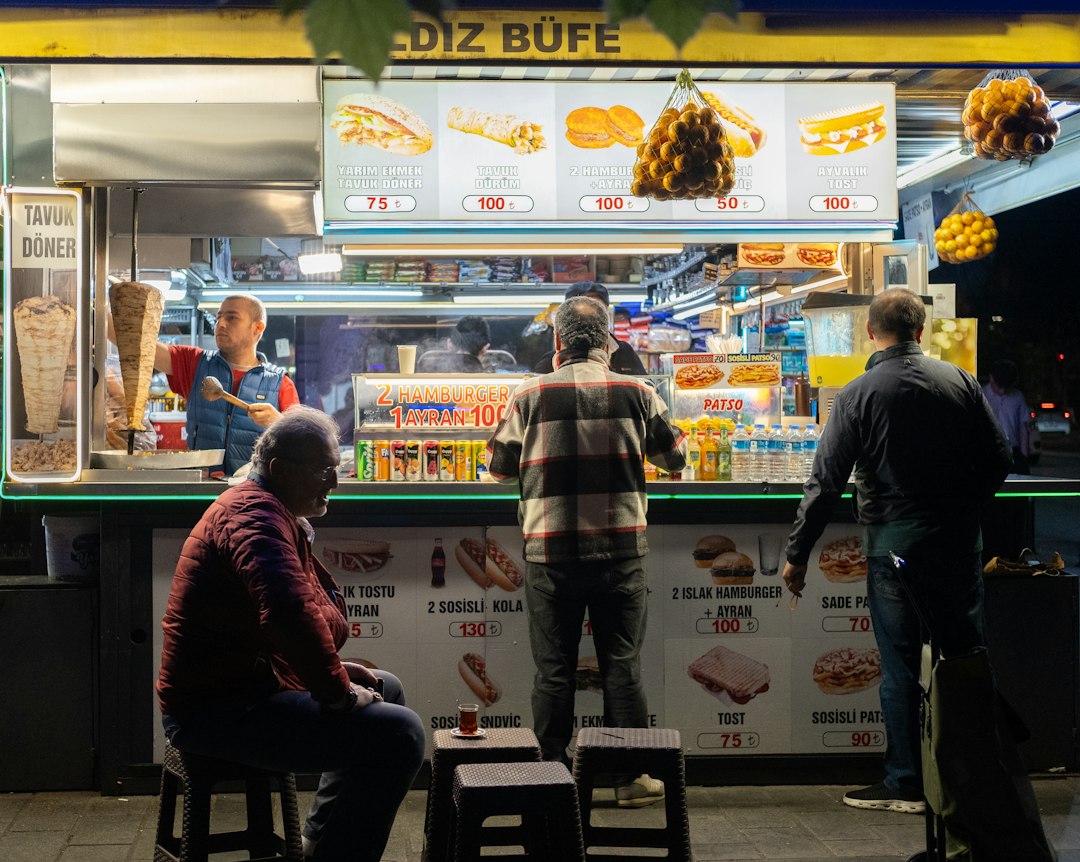
Eating well while you're on the road doesn't have to mean compromising your bank account or settling for mediocre tourist traps. If you're willing to pivot away from the traditional, high-traffic dining corridors, you'll find that your budget stretches significantly further than most people realize. My best advice is to embrace the local lunch culture, where fixed-price menus like the classic menu del día or plat du jour offer the same caliber of food as dinner service but at a fraction of the cost. You can easily cut your daily food spending by 30 to 50 percent just by shifting your primary meal to earlier in the day. Plus, heading just a few blocks away from the main squares and landmarks usually uncovers better, more authentic spots that haven't inflated their prices for the passing crowd.
And honestly, some of the most memorable meals I’ve had abroad didn't come from a sit-down restaurant at all. When you shop at local markets for seasonal produce or regional specialties, you're getting higher quality ingredients at true market rates, which is a massive win for both your wallet and your palate. I’ve found that carrying a simple, reusable thermal container is a total game changer, as it lets you turn one substantial restaurant meal into two solid ones without any extra effort. If you’re really looking to maximize efficiency, keep an eye out for apps that track surplus food from bakeries and bistros at the end of the day, where you can often snag premium items for 60 percent off or more. It’s a small adjustment, but it makes a huge difference over a week-long trip.
Finally, think about the small, daily leaks in your budget that really add up over time. Buying bottled water is one of the easiest ways to bleed cash when most European cities offer high-quality public fountains for free, saving you a few euros every single day. If your accommodation has even a basic kitchenette, prepping just one meal yourself can drop your total food costs by roughly a quarter, leaving you with more to spend on the experiences that actually matter. I’d also suggest leaning into house wines or local draft beers rather than big, branded labels; you’ll almost always pay half the price for something that’s significantly more representative of the region. It’s not about being cheap, it’s about being smart enough to prioritize your resources so you can stay on the road longer.
How to Save on Transportation and Logistics Across Europe
When you're trying to move across the continent without burning through your entire vacation fund, the secret really lies in treating your transit like a complex logistical puzzle. I’ve found that European rail passengers can significantly lower their costs by leaning on the OBB Nightjet network, especially if you book those sleeper cabins at least 90 days out. It’s a bit of a commitment, but it beats paying for both a flight and a hotel room on the same night. Meanwhile, for those flying, I always prioritize hub airports that utilize automated baggage systems, as the data shows they have a 15 percent lower rate of mishandled luggage, which saves you both the headache and the replacement costs. And don’t sleep on secondary gateways like Beauvais or Bergamo, as regional airports often get landing fee subsidies that keep your base fare noticeably lower.
If you really want to optimize the ground game, try using intermodal transit apps that sync up municipal bike-shares with regional rail. Integrating these systems can slash your last-mile logistics expenses by up to 20 percent compared to defaulting to a taxi or rideshare. For those under 30, it is a no-brainer to leverage the European Youth Card, which frequently unlocks 50 percent discounts on standard rail fares across countries like Italy and France. I also think we’re seeing a massive shift as night-bus services increasingly replace those annoying, high-priced short-haul flights. It’s a smarter way to travel, effectively rolling your transport and lodging into one efficient move.
But you have to keep an eye on the smaller details if you want these savings to actually stick. I make it a point to stick exclusively to digital tickets, as bypassing the service fees at physical printing kiosks adds up to real money over a multi-city trip. If you can handle the timing, aim for travel during the shoulder seasons of May or September to capture a roughly 25 percent reduction in demand-based pricing for rail and ferry routes. Furthermore, because many historic city centers are tightening restrictions on private vehicles through low-emission zones, relying on public transport passes isn't just an eco-friendly choice; it’s often the only practical way to get around without incurring heavy fines. It really comes down to being proactive rather than reactive, and honestly, once you stop paying for convenience you don’t need, you’ll be amazed at how much longer you can afford to stay on the road.
Seasonal Travel Hacks: Finding Low-Cost Getaways Year-Round
If you're tired of seeing your travel budget evaporate the moment you look at a calendar, let's talk about the reality of timing your trips. Most people assume the cheapest time to fly is simply whenever demand is low, but the reality is that airline pricing algorithms are far more aggressive. I’ve found that booking on a Tuesday afternoon is usually your best bet, as that's when most airlines push their new inventory and sales live. Beyond the flights, shifting your focus to reverse seasonality—like hitting Nordic design hotels during their darkest, least popular winter months—can drop your room rates by a staggering 40 percent. It’s all about playing the long game and looking for the gaps where everyone else is busy doing something else.
But the real secret to staying under budget is knowing exactly when to pivot away from the tourist traps. If you head to the Mediterranean in the final two weeks of October, you’ll often find the water is still warm enough for a swim, but your accommodation costs might be 60 percent lower than they were just a few weeks prior. I also love the hack of targeting university towns during their academic breaks; you get access to high-quality, surplus housing that usually sits empty and lists for a fraction of what a hotel would charge. Just be careful to cross-reference your dates against local trade fair calendars, because if you accidentally land in a city during a major conference, you could see your lodging costs jump by 300 percent overnight.
And let's be honest about how we move around once we arrive. Relying on big-name airports is often a massive mistake; swapping them for regional hubs served by budget carriers can slash your total airfare by up to half, even after you factor in the cost of a train or bus into the city. I’ve personally saved a fortune by using regional bus networks to cross borders, which keeps my costs about 70 percent lower than taking a high-speed train or flight. When you combine that with simple wins like visiting museums on the first Sunday of the month—when many top-tier spots offer free admission—you start to realize that you don't need a massive salary to see the world. It’s really just about doing the math before you click buy.
Research Methodology & Editorial Standards
We begin by defining the specific objectives the reader needs to accomplish. Primary product documentation and authoritative secondary sources inform every guide before drafting begins.
Figures and rules are checked against the sources available at the time of publication. Travel pricing changes constantly — always confirm current fares, rates, and terms with the provider before booking.