
Air India flight cancellations show how regional instability impacts your travel plans
When regional conflicts flare up, the world’s airspace doesn't just stay open; it essentially shrinks, forcing airlines to abandon their most efficient paths.
How Geopolitical Tensions Disrupt Global Flight Routes
Let's talk about why your flight might be getting canceled or delayed lately, because it honestly goes way beyond just bad weather or a mechanical hiccup. When regional conflicts flare up, the world’s airspace doesn't just stay open; it essentially shrinks, forcing airlines to abandon their most efficient paths. Think about it this way: when a major corridor closes for safety, everyone gets funneled into the same narrow, remaining safe zones. That creates a massive bottleneck that ripples through air traffic control systems globally. It’s not just about flying a longer distance, either; it’s about burning significantly more fuel to stay in the air, which hits an airline’s bottom line and complicates their carbon goals in one fell swoop.
And here is the part that rarely makes the headlines but really matters for your schedule: the ripple effect on crew. When a flight path is suddenly extended by several hours to avoid a conflict zone, pilots and cabin crew hit their strict legal duty-hour limits much faster. Airlines then have to scramble to re-roster entire crews, which often leads to a shortage of available staff for other routes, causing delays that cascade through the whole network. Plus, those extended hours in the air aren't what these planes were originally built for, leading to faster mechanical wear on fleets that were optimized for different, shorter durations. It’s a bit of a nightmare for scheduling departments, and you’re the one feeling that frustration at the gate.
Then there is the sheer cost of it all, which is a massive factor driving these changes. Airlines have to pay for higher insurance premiums when they skirt near volatile regions, and they are forced to carry more contingency fuel just in case they need to divert, which makes the plane heavier and burns even more fuel. Sometimes they even have to navigate the headaches of securing new overflight permits from secondary nations, which adds another layer of diplomatic complexity and extra fees. Honestly, when you look at how cargo rates are surging alongside these operational costs, it’s easy to see why ticket prices aren't coming down anytime soon. It’s a messy, expensive, and incredibly complex puzzle that airlines are trying to solve every single day just to get you from point A to point B.
Understanding the Ripple Effect of Airspace Closures on Long-Haul Travel
When we talk about airspace closures, it’s easy to think about the frustration of a delayed flight, but the reality is a massive, complex puzzle that engineers and pilots are solving in real-time. When corridors are restricted, airlines don’t just pick a new path; they rely on sophisticated software to crunch numbers on the earth’s curvature, often forcing planes onto non-intuitive routes that look bizarre on a flat map. These adjustments aren't just about distance, though. They push aircraft into unfamiliar meteorological zones where clear-air turbulence can become a much bigger headache than it would have been on a standard flight path. And because they’re dodging restricted areas, planes are often stuck flying at non-optimal altitudes, which kills engine efficiency and prevents the aircraft from performing that smooth, gradual climb that usually saves so much fuel.
Then there’s the weight penalty, which is something most travelers never consider. To stay safe, airlines have to load extra contingency fuel, but that fuel adds significant weight, which then requires even more fuel just to carry that extra mass. It’s a compounding cycle that can force a plane so close to its maximum takeoff weight that airlines have to start offloading cargo just to keep the flight viable. When you add in the fact that these diverted planes are often funneled into narrow, shared corridors, you end up with massive congestion at transition points. Pilots are constantly switching frequencies and dealing with different radar standards, all while trying to navigate through spaces that simply weren't built for that volume of traffic.
To make matters worse, these reroutes often mean missing out on the helpful push of a jet stream, leaving the plane to battle much stronger headwinds than expected. It’s not just the engines working harder; it’s the entire operational structure of the airline being strained, as secondary nations sometimes hike overflight fees to handle the sudden surge in traffic. Even the insurance side of things gets messy, as underwriters might bump up premiums for an entire fleet based on these regional risks. Honestly, when you look at how these tiny, technical shifts ripple out, it’s a wonder these flights get off the ground at all. It’s a constant, high-stakes balancing act between safety, fuel physics, and the cold, hard reality of scheduling.
Why Regional Conflict Triggers Sudden Flight Cancellations
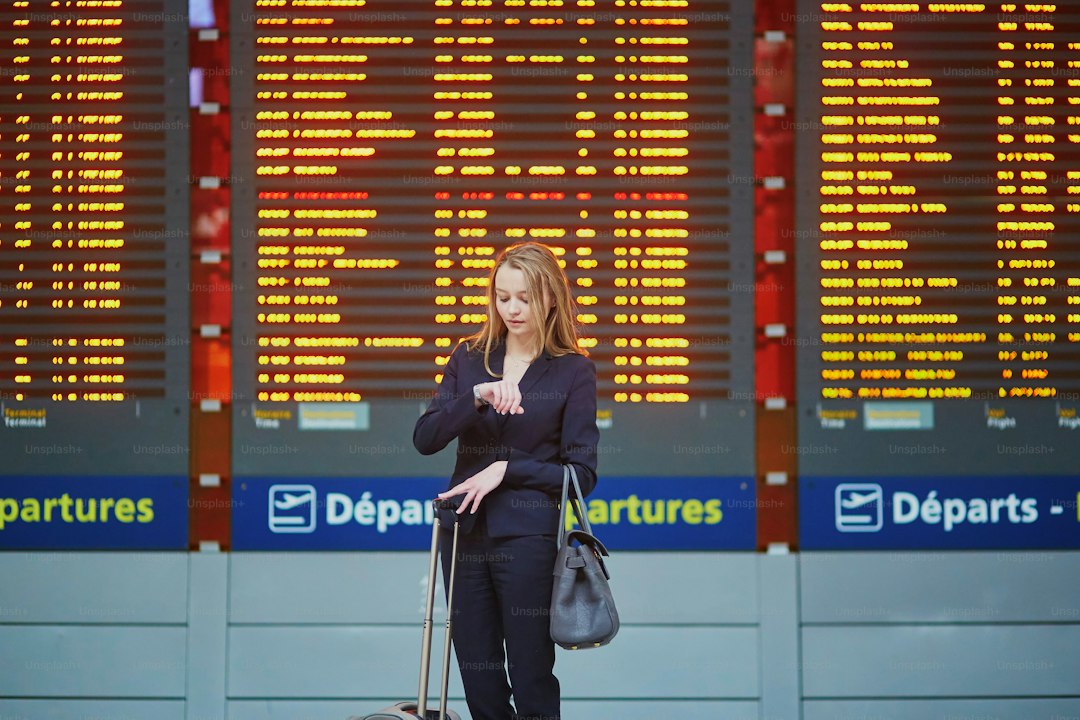
When you're staring at a departure board that’s suddenly glowing red with cancellations, it’s easy to feel like the system is just failing, but there’s a massive, hidden architecture struggling to keep up behind the scenes. When geopolitical tensions force sudden airspace closures, air traffic control centers hit a digital saturation point where current tracking systems simply can’t process the lightning-fast re-routing of hundreds of aircraft all at once. This creates a chaotic bottleneck that forces pilots onto non-standard, emergency paths that weren't designed for the volume of traffic we’re seeing today. Because these routes are often longer and less efficient, specific wide-body aircraft—which lack the massive fuel reserves needed for these detours—are effectively sidelined, leading to the grounded flights you see on the screen.
It gets even more complicated when these redirected planes are forced to land at secondary airports that aren't actually built for them. These hubs often lack the automated ground-handling gear for large jets, causing delays that ripple out until the airport is essentially paralyzed by a lack of available gates. This is where we see that frustrating phenomenon of slot-squatting, where diverted planes occupy the few remaining spaces, preventing scheduled flights from landing and triggering a secondary wave of cancellations far away from the actual conflict zone. You might even notice your airline shifting you onto a partner carrier automatically, thanks to new AI-driven insurance shields that move faster than any human agent could, but even that can't fix the underlying physics of the gridlock.
To make matters worse, the massive increase in flight time can actually degrade satellite communication links, leaving crews with spotty connectivity just when they need to be perfectly in sync with regional controllers. These pilots are juggling an incredible amount of stress, switching between frequencies in rapid succession while navigating through emergency transit corridors over regions like Africa that were never meant for this level of traffic. It’s honestly a high-stakes, real-time balancing act where airlines are calculating dynamic fuel and insurance costs against the risk of getting stuck in diplomatic deadlocks. So, when you see those cancellations, know that it’s not just a localized issue; it’s the result of a global aviation system being pushed to its absolute breaking point as it tries to rewrite the map on the fly.
Protecting Your Itinerary: How to Navigate Airline Disruption Policies

When you find yourself staring at a departure board that’s suddenly glowing red with cancellations, it’s easy to feel like the system is just failing, but there’s a massive, hidden architecture struggling to keep up behind the scenes. We need to talk about how you can actually protect your plans, because the reality is that airline policies are shifting almost as fast as the geopolitical situation on the ground. Most travelers don't realize that when you book a codeshare, you’re often stuck in a gray area where the operating carrier’s rules override the ones from the airline that actually sold you the ticket. It’s a messy, frustrating reality, but understanding these policy nuances is your best line of defense when things go sideways.
Here’s the thing I’ve learned from watching these disruptions closely: you absolutely cannot rely on airline apps to solve everything for you. While many carriers now use automated rebooking tools, these algorithms almost always prioritize their high-tier frequent flyers, often leaving everyone else to fend for themselves in a digital queue that feels like a dead end. And look, if your flight gets diverted to a secondary airport, don't assume the airline is going to roll out the red carpet with hotel vouchers or food; if they classify the event as a security matter, they’re often legally off the hook for providing that kind of care. It’s a tough pill to swallow, but you have to stay proactive and be ready to advocate for yourself at the service desk.
The biggest mistake I see folks make is jumping the gun and changing their own tickets before a flight is officially scrubbed. If you manually rebook through a portal before an airline declares a formal delay or cancellation, you might accidentally void the coverage on your travel insurance policy, which is usually your strongest safety net. I always suggest keeping a close eye on your original flight’s status and checking the fine print on those "flexible fare" waivers, which are often tied specifically to the airspace affected rather than your entire journey. It’s definitely a high-stakes game of patience, but waiting for that official cancellation notice is often the difference between getting a full refund or being stuck with a bunch of non-refundable credits.
Finally, think about your itinerary as a series of individual links rather than one solid chain. Because automated systems often struggle to handle complex multi-city bookings, a single delay on your first leg can trigger a domino effect that wipes out the rest of your trip if you aren't careful. If you’re traveling through a region where overflight permits can be yanked on an hour’s notice, consider booking your legs separately or giving yourself massive buffers between connections. It might cost a bit more in time or ticket price upfront, but it buys you the flexibility to pivot when the gridlock hits. Trust me, in this current environment, having a bit of extra breathing room is the only way to actually enjoy the journey without feeling like you're constantly bracing for a crash.
The Hidden Impact of Airspace Restrictions on Fuel Costs and Ticket Prices
When you’re looking at why your ticket price is climbing, it’s easy to blame the airline for trying to pad their margins, but there’s actually a much more expensive game of physics playing out at thirty thousand feet. When conflict forces pilots to skirt restricted zones, they aren't just flying further; they’re often forced to fly at non-optimal altitudes where the air density is all wrong, causing fuel consumption to spike by double-digit percentages. It’s a bit like driving your car in a low gear on the highway—you're burning through gas way faster than you should. Plus, those extra miles mean the plane is heavier than intended because it’s carrying massive amounts of contingency fuel, which creates a compounding weight penalty that sometimes forces airlines to leave paying passengers or cargo behind just to stay within safe takeoff limits.
And honestly, the situation gets even messier once you factor in the ripple effects on maintenance and operations. Because these planes are being pushed onto non-standard routes, they’re hitting their maintenance intervals faster than expected, leading to accelerated wear on engines and components that were never designed for these specific, high-stress flight cycles. Then you have the secondary, hidden costs: airports are increasingly jacking up overflight fees in real-time to manage the sudden surge in traffic through their corridors, and insurers are using AI to hike premiums on a flight-by-flight basis depending on the current risk of the path. It’s an expensive, dynamic, and frankly unsustainable cycle that is hitting the airline’s bottom line hard, and unfortunately, you’re the one picking up the tab at the checkout screen.
Think about it this way: your ticket price is essentially a snapshot of how much it costs to navigate a global gridlock that keeps changing by the hour. When you’re stuck in a narrow, shared corridor with a dozen other planes, pilots can’t just cruise at their most efficient speed; they’re constantly forced to adjust to traffic, missing out on the fuel-saving, steady-state thrust that keeps long-haul travel affordable. If the satellites start struggling in those emergency zones, the flight computers lose their ability to optimize the route in real-time, meaning the plane is flying "blind" in terms of efficiency. It’s a complex, high-stakes balancing act where every single decision—from how much fuel to carry to which corridor to take—is being recalculated against rising costs that have essentially become a permanent tax on your travel plans.
Essential Strategies for Travelers Facing Sudden Changes in International Schedules
When you're staring at a departure board glowing red with cancellations, it’s easy to feel like the system is just failing, but there’s a massive, hidden architecture struggling to keep up behind the scenes. We need to talk about how you can actually protect your plans, because the reality is that airline policies are shifting almost as fast as the geopolitical situation on the ground. Most travelers don't realize that when you book a codeshare, you’re often stuck in a gray area where the operating carrier’s rules override the ones from the airline that actually sold you the ticket. It’s a messy, frustrating reality, but understanding these policy nuances is your best line of defense when things go sideways.
Here’s the thing I’ve learned from watching these disruptions closely: you absolutely cannot rely on airline apps to solve everything for you. While many carriers now use automated rebooking tools, these algorithms almost always prioritize high-tier frequent flyers, often leaving everyone else to fend for themselves in a digital queue that feels like a dead end. And look, if your flight gets diverted to a secondary airport, don't assume the airline is going to roll out the red carpet with hotel vouchers or food; if they classify the event as a security matter, they’re often legally off the hook for providing that kind of care. It’s a tough pill to swallow, but you have to stay proactive and be ready to advocate for yourself at the service desk.
The biggest mistake I see folks make is jumping the gun and changing their own tickets before a flight is officially scrubbed. If you manually rebook through a portal before an airline declares a formal delay or cancellation, you might accidentally void the coverage on your travel insurance policy, which is usually your strongest safety net. I always suggest keeping a close eye on your original flight’s status and checking the fine print on those flexible fare waivers, which are often tied specifically to the airspace affected rather than your entire journey. It’s definitely a high-stakes game of patience, but waiting for that official cancellation notice is often the difference between getting a full refund or being stuck with a bunch of non-refundable credits.
Finally, think about your itinerary as a series of individual links rather than one solid chain. Because automated systems often struggle to handle complex multi-city bookings, a single delay on your first leg can trigger a domino effect that wipes out the rest of your trip if you aren't careful. If you’re traveling through a region where overflight permits can be yanked on an hour’s notice, consider booking your legs separately or giving yourself massive buffers between connections. It might cost a bit more in time or ticket price upfront, but it buys you the flexibility to pivot when the gridlock hits. Trust me, in this current environment, having a bit of extra breathing room is the only way to actually enjoy the journey without feeling like you're constantly bracing for a crash.
Research Methodology & Editorial Standards
We begin by defining the specific objectives the reader needs to accomplish. Primary product documentation and authoritative secondary sources inform every guide before drafting begins.
Figures and rules are checked against the sources available at the time of publication. Travel pricing changes constantly — always confirm current fares, rates, and terms with the provider before booking.