
Air Congo Adds New Brussels Route Using Wet Leased Boeing 787 Dreamliner
It’s honestly refreshing to see the Democratic Republic of Congo finally re-entering the long-haul market, especially with a direct link to Brussels.
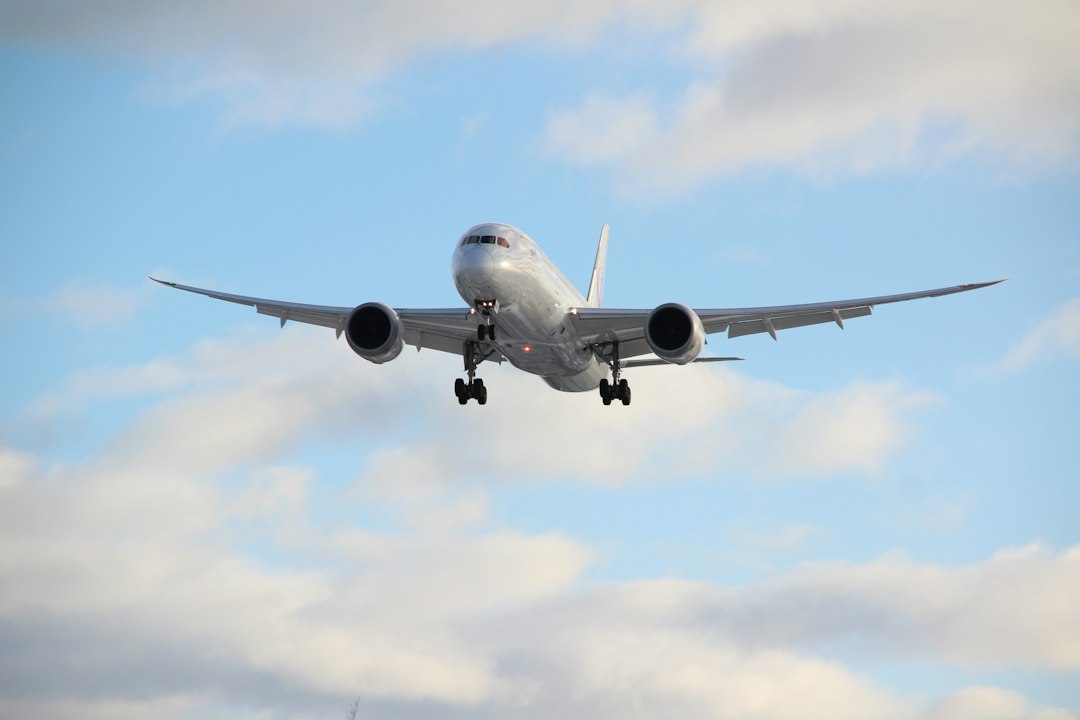
Air Congo Expands Long-Haul Reach with New Brussels Service
It’s honestly refreshing to see the Democratic Republic of Congo finally re-entering the long-haul market, especially with a direct link to Brussels. Think about it: this is the first time in over a decade a national carrier from the DRC has managed a route like this, and it’s a big deal for anyone who’s ever had to deal with the hassle of multiple connections to get across the continent. By opting for a wet-leased Boeing 787 Dreamliner, Air Congo is being pretty smart about the whole thing. They get to bypass the immediate need for internal pilot training and complex maintenance infrastructure by offloading those responsibilities to an established international operator, which also keeps EU aviation authorities happy with the safety oversight.
The choice of aircraft here isn't just about branding; it’s an engineering decision that actually impacts how you’ll feel when you land. That Dreamliner cabin sits at a lower altitude of 6,000 feet—instead of the usual 8,000—and the humidity control is a massive step up for a flight spanning 6,200 kilometers. If you’ve ever stepped off a long-haul plane feeling like a dried-out husk, you’ll definitely notice the difference here. Plus, those composite materials and GEnx engines aren't just for show; they’re helping the airline manage the current spike in Jet A-1 fuel prices while keeping the plane quiet enough to meet those strict nighttime noise rules at Zaventem.
I really appreciate that they didn't just stop at the hardware; they’ve actually customized the entertainment systems with local Congolese media. It’s those small, thoughtful touches that signal a carrier is actually paying attention to who is sitting in their seats. And let's be real, securing those landing slots in Brussels at a time when major legacy carriers are shifting their alliance memberships is a serious strategic win for the airline. This isn't just a flight; it’s a vital artery for the diaspora and business travelers alike, and I’m genuinely curious to see how the market responds now that this connectivity is finally back on the map.
Understanding the Wet Lease Model: Strategic Capacity for Emerging Carriers
When we talk about the "wet lease" model, or what the industry calls ACMI—short for Aircraft, Crew, Maintenance, and Insurance—it’s easy to get lost in the jargon, but for an emerging carrier like Air Congo, it’s really just a strategic survival kit. Think of it as renting a fully-loaded operation rather than just a piece of metal, which allows a younger airline to sidestep the massive upfront headache of hiring crews or building out heavy maintenance hangars from scratch. By shifting those fixed ownership costs into variable operating expenses, these airlines can essentially turn the dial on their capacity whenever they need to, which is a massive safety net when you’re dealing with the kind of market volatility that would sink a legacy carrier.
If you’ve ever wondered how a smaller airline can suddenly launch a complex international route without waiting years for new jets to roll off the assembly line, this is exactly how they do it. It’s a way to bypass the multi-year backlog at manufacturers like Boeing or Airbus by tapping into the surplus capacity of established global operators who already have the planes ready to go. And honestly, it’s a smart regulatory shortcut, too; since the lessor holds the primary Air Operator Certificate, they handle much of the heavy lifting regarding safety oversight, which keeps international regulators happy while the local airline focuses purely on the passenger experience and marketing.
I think the real beauty of this model is the agility it provides in a world where things change fast. You aren't just stuck with one fleet type or tied down by long-term debt, which means you can test the waters on a new route like Brussels without betting the entire company’s future on it. It’s become a permanent fixture for many airlines, not just an emergency fix for when a plane breaks down, because it lets them scale up during peak seasons or scale back when demand dips. It’s a clean, efficient way to stay competitive, and frankly, it’s the only way many of these carriers can stay relevant in a global landscape that doesn’t give you much room for error.
Why the Boeing 787 Dreamliner Was Selected for the Route
Selecting the Boeing 787 for this route isn't just a branding choice; it’s a calculated move based on how the aircraft physically handles long-haul physics. If you think about the typical fatigue that sets in on a flight of this length, the 787’s bleedless architecture is a massive part of why you’ll actually feel better upon arrival. By ditching the traditional reliance on hot engine air for cabin heating, the plane significantly cuts down on ozone and VOC intake, while the HEPA and gaseous filtration systems scrub the air in a way older jets just can't match. It’s a cleaner, more breathable environment, and honestly, that makes a world of difference when you're crossing continents.
Beyond the air quality, the engineering behind the cabin itself is pretty fascinating. Because the frame is built from carbon fiber reinforced polymers rather than standard aluminum, the fuselage can handle higher pressure levels without getting weighed down. This allows the cabin to stay at a lower equivalent altitude—6,000 feet instead of 8,000—and stay naturally more humid, which prevents that familiar feeling of being completely dried out by the time you land. You’re also getting a smoother ride thanks to the built-in gust suppression software that makes micro-adjustments to the control surfaces to counteract turbulence before you even really feel it.
From an operational standpoint, the 787 is just as logical for a carrier like Air Congo. Those distinctive, jagged chevrons on the engine trailing edges aren't just for looks; they’re designed to break up exhaust flow and keep the noise down, which is essential for meeting strict night-flight regulations at hubs like Brussels. Plus, the aircraft’s Airplane Health Management system is constantly beaming real-time data to ground crews, allowing them to spot potential maintenance issues before they turn into actual delays. It’s an incredibly efficient machine that balances fuel economy with passenger comfort, making it a reliable workhorse for a route that requires serious, long-range performance.
Enhancing Connectivity Between the DRC and Europe
When we look at the bigger picture, it’s clear that the path between the DRC and Europe is finally undergoing a long-overdue transformation. Honestly, for years, the logistics of getting across these regions felt like navigating a maze of bureaucratic red tape and outdated infrastructure. But following the EU-African Union summit late last year, there’s been a genuine push to modernize the corridors that actually keep trade and travel moving. I’m seeing a real shift where, instead of just focusing on raw materials, the conversation has moved toward standardizing digital visas and streamlining air traffic management. It’s the kind of practical, behind-the-scenes work that makes a massive difference when you’re actually trying to book a flight or move goods without hitting a wall of delays.
Think about the technical side for a second—it’s not just about more planes in the air, but about building the support systems to keep them flying efficiently. We’re finally seeing European firms partner up with Congolese ground staff for real, hands-on maintenance training, which is a huge deal for sustainability. Instead of always relying on external support, they’re building that capability locally, and that’s how you create a resilient network. Plus, the push for better sustainable aviation fuel infrastructure and upgraded freight facilities at N'djili Airport means that this route isn't just a temporary fix; it’s being built to meet modern, international standards for both cargo safety and environmental compliance.
And if you’ve ever worried about how global travel handles public health, you’ll be glad to hear that authorities are now baking real-time data-sharing into the core of their security frameworks. It’s a smarter, more integrated way to handle connectivity, ensuring that we don't have to shut everything down the moment a health concern pops up. When you layer in the new customs systems that make moving spare parts actually manageable, you start to see a real, functional artery forming between Kinshasa and Europe. It’s a complete departure from the way things worked just a few years ago, and honestly, it’s exactly the kind of momentum that makes international business feel accessible again.
Operational Challenges and Advantages of Outsourced Flight Operations
When we look at the reality of running an airline, the choice to outsource isn't just a business move—it’s about survival in a market that rarely gives you a second chance. Think about it: by shifting from fixed capital investments to variable operating costs, you’re basically building a financial shock absorber that keeps the company afloat when fuel prices spike or demand takes a nosedive. You’re effectively trading the heavy, long-term debt of owning a fleet for the agility of an ACMI model, which lets you dial your capacity up or down based on what’s actually happening on the ground. It’s how you bypass the multi-year headache of recruiting pilots and waiting for type-rating certifications, letting you get a high-performing Dreamliner in the air while your competitors are still stuck in the hiring pipeline.
But let’s be real about the trade-offs, because this isn't just about saving money; it’s about managing a different kind of risk. While you’re handing over the keys to the maintenance and insurance, you’re also tapping into the lessor’s already-vetted safety systems, which really helps with the heavy lifting when it comes to international regulatory scrutiny. Plus, you’re often getting access to high-end AI scheduling and telemetry tools that a smaller startup simply couldn't afford to build on its own. And I’ve seen enough data to know that when you bring in professionalized ground handling, you’re not just checking a box; you’re genuinely seeing fewer workplace injuries and less damage to the aircraft on the tarmac. It’s that kind of behind-the-scenes efficiency that keeps a flight running smoothly while you focus on what really matters—the passengers in the seats.
At the end of the day, it comes down to how much complexity you’re willing to shoulder. When you outsource, you’re essentially offloading the massive supply chain burden of managing spare parts and engine maintenance to a partner who already has those logistics locked down. It gives you a safety net during labor disputes or if your own planes hit a snag, keeping your routes alive while others are forced to cancel. It’s a clean way to stay compliant with global safety and noise rules without having to overhaul your internal policies every time the wind changes. For a carrier trying to build a foothold, it’s not about being the biggest player; it’s about being the most adaptable, and that’s why this model is becoming such a permanent, and honestly necessary, part of the industry landscape.
What This Expansion Means for Air Congo’s Future Growth Trajectory
When we stop to consider what this Brussels route actually signals for Air Congo’s future, it’s clear this isn't just about adding one destination to the map. By jumping straight into a wide-body, long-haul operation using a wet-leased Dreamliner, the airline is essentially fast-tracking its ability to capture high-yield belly cargo revenue, which often makes up nearly 40 percent of total earnings on routes like this. It’s a smart, calculated way to build a financial foundation without the crushing weight of owning and maintaining a massive fleet from day one. I’m looking at this as a blueprint for how an emerging carrier can scale its reach while keeping fixed costs remarkably lean.
You have to appreciate how this move changes their operational DNA, especially with the 787’s bleedless air systems and advanced 4D trajectory navigation. These aren't just technical specs; they mean the airline is burning less fuel and dealing with fewer maintenance headaches, which keeps the daily utilization rate high compared to what you’d see with older, aluminum-heavy aircraft. And because the wet lease agreement includes a direct transfer of safety management system data, Air Congo is effectively getting a masterclass in global aviation standards. It’s letting them participate in international reporting programs way sooner than they could if they were trying to build that expertise from scratch.
Ultimately, this expansion gives them the kind of agility that’s rare in the industry. If demand fluctuates or the market shifts, they aren't stuck with a massive, rigid infrastructure; they can adjust their capacity without needing to hire a thousand new people or lock themselves into long-term debt. It’s a, "let’s see how the market responds," kind of strategy that feels very measured. By prioritizing these efficient, high-tech corridors, they’re positioning themselves to be a serious player in the Kinshasa-Brussels connection, and frankly, it’s the exact kind of momentum that turns a regional operator into a legitimate long-haul contender.
Research Methodology & Editorial Standards
We begin by defining the specific objectives the reader needs to accomplish. Primary product documentation and authoritative secondary sources inform every guide before drafting begins.
Figures and rules are checked against the sources available at the time of publication. Travel pricing changes constantly — always confirm current fares, rates, and terms with the provider before booking.