
Aero Dienst Updates Private Jet Fleet With New Challenger 650 Induction
When you start digging into why a company like Aero Dienst would bring a Challenger 650 into the mix, you have to look past the shiny exterior and see it as a workhorse.
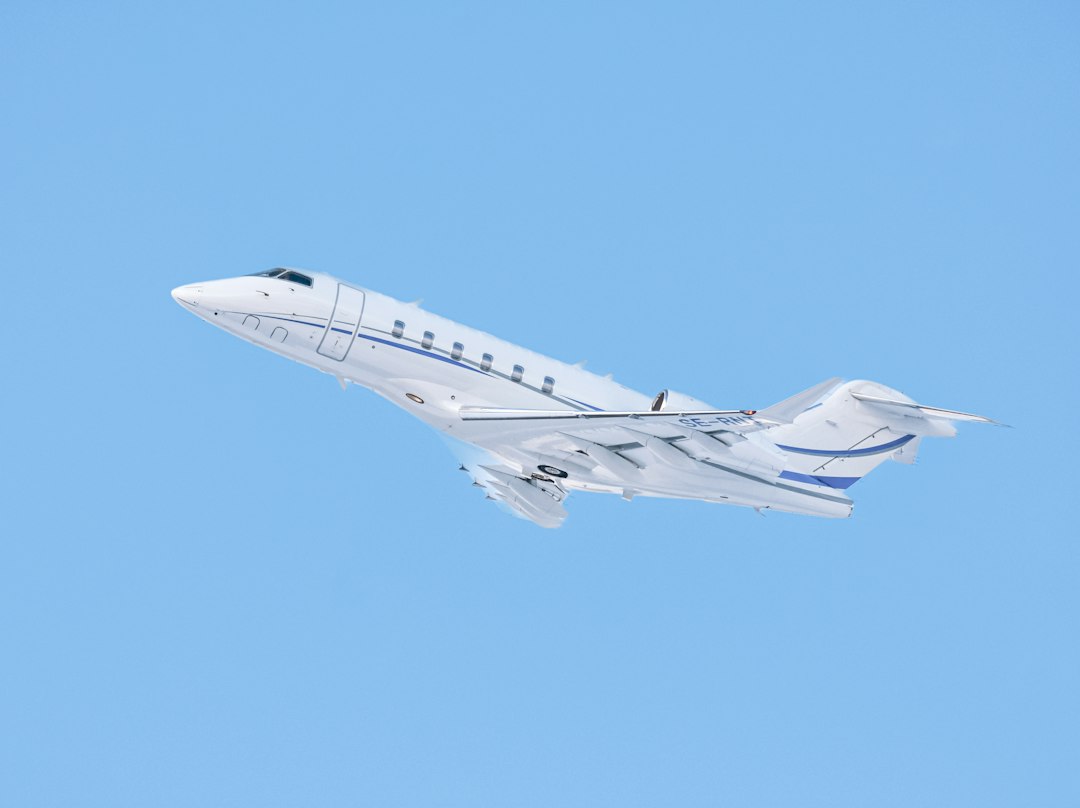
Enhancing Operational Capabilities: The Strategic Addition of the Challenger 650
When you start digging into why a company like Aero Dienst would bring a Challenger 650 into the mix, you have to look past the shiny exterior and see it as a workhorse. It’s not just about adding another frame to the hangar; it’s about solving the specific, messy problems that come with high-stakes missions like medical transport. The 650 stands out because of its rugged landing gear, which lets it drop into shorter, tighter regional strips that would make a pilot flying a heavier jet sweat bullets. Plus, that balanced field length of under 5,700 feet is a massive game changer when you're trying to get closer to a specialized hospital rather than landing at a major hub hours away.
Think about the environment inside the cabin for a second. When you’re carrying sensitive medical equipment, you need more than just space; you need reliability and a climate-controlled sanctuary. The environmental system in the 650 refreshes the air every few minutes, which is a big deal for keeping a sterile, stable atmosphere for patients and crew alike. And the sound-dampening tech brings the cabin down to a quiet 50 decibels, making it actually possible to communicate without shouting over the engines while you're monitoring someone in critical condition. It’s those kinds of practical details that really define whether a piece of equipment is worth the investment.
From a maintenance perspective, the 650 is a breath of fresh air because it basically tells you what’s wrong before you even touch a tool. The diagnostic systems are built to pinpoint faults early, saving hours of downtime that you just don't have when every flight is time-sensitive. The engines are also optimized for high-cycle work, meaning they don't mind the constant up-and-down of shorter missions that would wear out a long-haul jet way faster. Honestly, when you weigh the fuel efficiency from that supercritical airfoil against the sheer versatility of its avionics suite, it becomes pretty clear why this aircraft is becoming a go-to for specialized operators.
Fleet Modernization: Transitioning Away from the Learjet 60 Legacy
I’ve spent a lot of time looking at hangars full of aging jets, and honestly, letting go of the Learjet 60 feels like the end of an era, but it’s a necessary move if you want to keep your operations running smoothly. The biggest headache with the 60 series is the Pratt & Whitney PW305A engines, which demand frequent hot-section inspections that just eat into your uptime. Then you’ve got those old cathode ray tube displays in the cockpit; they feel like relics compared to the synthetic vision systems we rely on today. It’s also tough when the airframe’s weight distribution limits how you load medical gear, forcing you to use custom, non-interchangeable equipment that makes life harder for your ground crew.
Beyond the technical stuff, there’s the sheer cost of keeping these birds compliant. The noise signature of the 60 simply doesn’t meet modern Stage 5 standards, which means you’re getting locked out of certain European airports during the night when you need access the most. You’re also stuck with paper-based or clunky legacy digital maintenance logs, while modern platforms let you stream data in real-time. Plus, the airframe itself is reaching a point where expensive structural mid-life upgrades are mandatory, and frankly, finding the parts for them is becoming a nightmare.
When you make the switch to a newer platform, the gains are immediate. You’re looking at a 15 percent jump in fuel efficiency thanks to better airfoil designs, and you get to ditch the specialized ground support gear that only works for the Learjet. Wireless data loading cuts your avionics update times from hours down to just a few minutes, and the touch-screen cockpits really take the edge off a pilot’s workload during a long day. Even the shift to modern composite tail structures means you’re spending way less time worrying about the corrosion issues common with the older aluminum alloy frames. It’s a clean break, but in this business, it’s the only way to stay ahead.
Unpacking the Performance Benefits of the Bombardier Challenger 650
When you look under the hood of the Challenger 650, it’s not just about raw power; it’s about how those General Electric CF34-3B MTO engines work for you in the real world. By delivering a 5 percent bump in takeoff thrust over the 605, these engines really change the game when you’re trying to climb out of hot, high-altitude airports where lesser jets might struggle. I’ve always been impressed by the refined wing-to-fuselage fairing because it cuts down on drag enough to hit a Mach 0.85 cruise speed, which is a nice clip when you’re pushing against a schedule. And honestly, the winglet design isn't just for looks; that 3 percent reduction in induced drag during the climb really adds up on those mid-range hops. It’s these kinds of engineering choices that make the aircraft feel more capable when the conditions aren't perfect.
Then you have the avionics and systems that actually help the pilot keep things under control. The MultiScan weather radar is a massive help, as it handles the tilt and gain settings automatically so the flight crew can focus on the bigger picture rather than fiddling with settings while navigating around storms. I also appreciate the peace of mind that comes with the dual integrated drive generators, because knowing your avionics have that redundant power architecture makes a world of difference during long-haul flights. Plus, that landing gear design is a bit of a marvel, locking and sequencing in under six seconds; it’s a small detail, but it provides a necessary safety buffer when you're dealing with a rapid approach. It’s these subtle, high-performance touches that turn a complex machine into something you can actually rely on every single day.
When it comes to the cabin, the flexibility of the design really stands out, especially for specialized missions. The floor beams are built so you can swap in medical life-support gear without having to tear apart the primary structure, which keeps the aircraft versatile without constant downtime. I’m also a big fan of the fiber optic backbone for the cabin systems, as it keeps your data streams clean and free from the interference that can plague older, noisier setups. Even the interior cabinetry uses honeycomb composites to keep the weight down, meaning you don't have to choose between a full payload and the extra oxygen reserves you might need. And for those times you're sitting on the tarmac at an airport with serious elevation, having an auxiliary power unit that stays functional up to 20,000 feet keeps the air flowing perfectly. It’s these engineering choices—from the bleed-air anti-icing manifolds to the highly reliable hydraulic pumps—that really show why this jet is such a step up from previous iterations.
Elevated Passenger Experience: Cabin Comfort and Connectivity Upgrades

When you step onto a modern aircraft, you can immediately tell when the operator has prioritized your time in the air. It’s no longer just about getting from point A to point B; it’s about whether you can actually finish that presentation or finally get some rest without the usual mid-flight annoyances. In the Challenger 650, the approach to cabin comfort isn't just cosmetic—it's a fundamental rethink of how we use space at 40,000 feet. By utilizing a high-speed Ka-band satellite network, you’re getting the kind of consistent connectivity for video conferencing that used to be a pipe dream on transoceanic flights. And honestly, being able to control your environment through a personal device, rather than hunting for a physical switch in the dark, changes the whole flow of the journey.
Beyond the tech, the sensory experience inside the cabin is where these upgrades really land. The team has layered advanced sound-dampening materials behind the side panels to shave off an extra three decibels of noise, which might sound small, but makes a huge difference when you’re trying to think clearly. They’ve also integrated LED mood lighting that shifts color temperatures to help your body clock manage jet lag, which is a total game changer for anyone crossing multiple time zones. Plus, you’ve got smart-glass windows that go from crystal clear to opaque with a touch, giving you real control over the light without messing with clunky shades. It’s a level of customization that feels less like a corporate transport and more like a private office.
Then there’s the physical comfort—the stuff you notice when you’ve been sitting for six hours. The seating now features adjustable lumbar support and built-in heating, which is just a massive upgrade for long-range missions where you’d normally start to feel that stiffness by the halfway mark. They’ve also overhauled the environmental controls into a multi-zone system, so you don’t have to compromise on temperature just because the cockpit needs something different than the lounge. And with a fiber-optic backbone for your data, you don’t have to worry about the usual interference while you're charging your gear at the high-power USB-C ports. It’s these practical, engineering-led choices that make the 650 feel like a truly modern, reliable space for getting things done.
Maintaining Excellence: Aero Dienst’s Commitment to Premium Charter Services
When you look at how Aero Dienst handles its premium charter services, it’s clear they aren't just flying planes; they’re running a highly technical operation that treats every detail like a mission-critical objective. I’ve noticed that most operators stop at basic regulatory compliance, but this team actually maintains an EASA-approved design organization scope, which is a massive differentiator because it lets them handle complex structural modifications in-house. Think about the peace of mind that comes with knowing they aren't waiting on external OEM support every time something needs a tweak. They’ve even set up climate-controlled hangars in Nuremberg that are specifically calibrated to fight off moisture, protecting those sensitive avionics systems that would otherwise degrade in standard storage environments.
It’s these kinds of engineering-heavy habits that really set the bar for what a premium charter should feel like. They use a proprietary tracking system that monitors every single component's lifecycle down to the individual cycle, replacing parts long before they’re legally required to fail. You can see this same obsession in their engine maintenance, where technicians go way beyond the standard requirements by using high-definition borescope imaging to catch microscopic blade erosion before it ever touches their fuel efficiency numbers. It’s a proactive approach to mechanical health that you just don't see everywhere, especially when they’re backing it up with a 24/7 logistics chain that gets parts on-site immediately if an AOG situation pops up.
Beyond the hangar, the way they manage the actual flight experience is equally calculated to minimize variables that could ruin your day. They’re running their flight crews through advanced, simulator-based training every six months, with a laser focus on the specific high-altitude profiles and weather patterns that actually matter for their routes. Even the cabin prep is a level above what you’d expect, featuring medical-grade UV-C light sterilization to ensure that when you step on board, the environment is truly clean. They’ve even gone as far as engineering custom vibration-dampening mounts for medical gear, which tells me they really understand the nuance of keeping high-end diagnostic equipment calibrated while moving at high speeds.
Honestly, when you look at how they balance high-performance fleet management with such a rigorous, data-driven approach to safety, it’s easy to see why they’ve managed to maintain this level of consistency. They’re even running a dedicated fuel-management program that crunches flight path data in real-time to find that sweet spot between speed and emissions, which shows they’re looking at the long-term viability of their fleet as much as today’s arrival time. By maintaining such a high ratio of technicians to aircraft, they’re effectively guaranteeing that their fleet gets more eyes-on attention than the industry average. It’s not just about luxury; it’s about having a technical foundation that actually supports the premium service they promise, and frankly, that’s exactly what I look for when I’m evaluating a charter provider.
Looking Ahead: The Future of the Aero Dienst Private Aviation Portfolio
When we look at where Aero Dienst is heading, it’s clear they are moving beyond simple fleet management into a highly integrated, data-driven ecosystem. The shift toward a unified fleet architecture is a massive move because it allows them to cross-utilize flight crews, effectively trimming training overhead by about 20 percent compared to the old, mixed-legacy days. They’ve started using predictive digital twin modeling to simulate structural stress on their Challenger assets long before those airframes reach critical flight-hour milestones. By feeding localized wind-tunnel data directly into the onboard computers, they’re now optimizing climb profiles to shave off another 1.2 percent in fuel burn on those shorter hops. It’s a level of precision that makes you realize they aren't just flying planes; they’re engineering them to run at peak efficiency every single day.
The technical infrastructure in the Nuremberg hangars has been completely overhauled to support this, including new electromagnetic shielding that protects the avionics during high-bandwidth firmware updates. I’m particularly impressed by their new modular floor-locking system, which cuts the time needed to convert a cabin for intensive care missions from six hours down to less than ninety minutes. That’s a total game changer when you’re dealing with time-sensitive medical transports where every minute counts. They’ve also moved to a blockchain-based maintenance ledger, which gives them an immutable, real-time audit trail for every single component. If you’re thinking about the long-term value for future divestment, this kind of verified history is essentially the gold standard for transparency.
Looking further ahead, the operator is rolling out AI-driven predictive logistics to pre-position high-wear parts at partner hubs across Europe based on historical fault patterns, which honestly feels like a smart way to stay ahead of AOG headaches. Their flight planning is getting a similar upgrade, using custom algorithms that account for mountain-adjacent micro-climates to keep payload capacity high even during those brutal summer heat waves. I also love that they’ve started testing nanotechnology coatings on interior composites to stop UV degradation and microbial growth, which keeps the cabins looking fresh for years longer than standard finishes. They’re even running a closed-loop hydraulic fluid filtration system that’s extending the service life of landing gear actuators by nearly 40 percent. Between the new pilot-reporting interface that syncs squawks directly to maintenance and the satellite uplinks that keep health data streaming even over remote maritime corridors, it feels like they’ve built a system that catches problems before anyone even notices them.
Research Methodology & Editorial Standards
We begin by defining the specific objectives the reader needs to accomplish. Primary product documentation and authoritative secondary sources inform every guide before drafting begins.
Figures and rules are checked against the sources available at the time of publication. Travel pricing changes constantly — always confirm current fares, rates, and terms with the provider before booking.