
A mindful guide to visiting Maui in 2026
When you step off the plane in Maui, it’s easy to see the island as a playground, but the locals view it through a different lens called ʻāina.
Honoring the ʻĀina: Understanding Cultural Etiquette and Respect
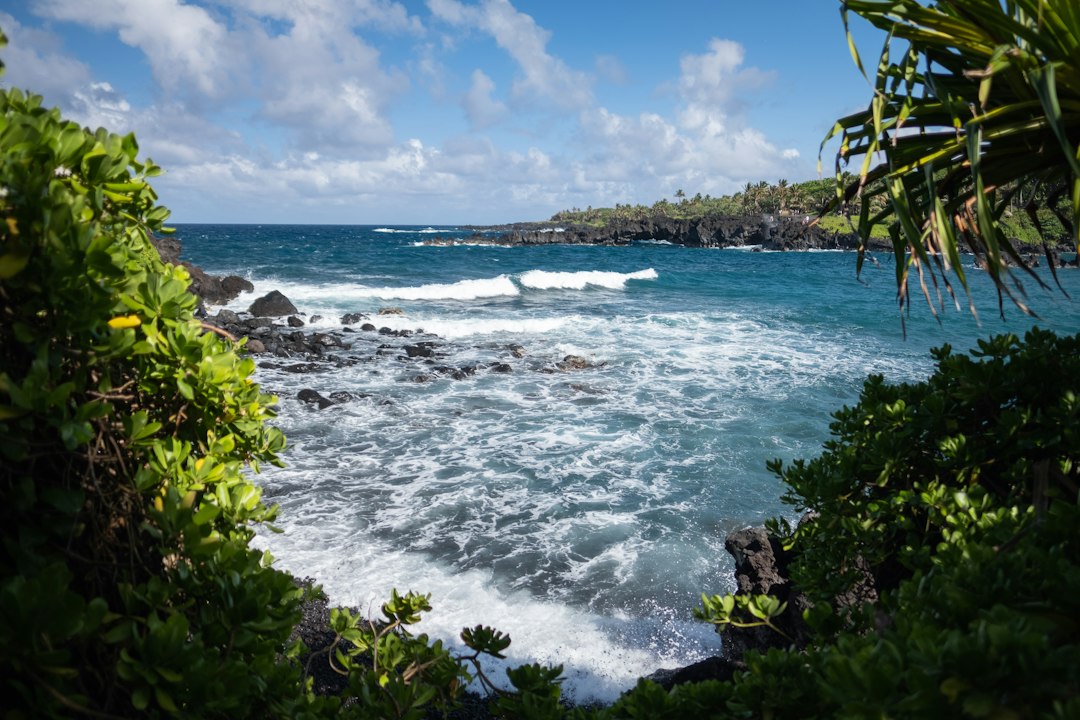
When you step off the plane in Maui, it’s easy to see the island as a playground, but the locals view it through a different lens called ʻāina. Think of it not just as dirt and scenery, but as a living relative that feeds us, where we’re essentially the younger siblings to the taro plant. This isn’t some abstract idea; it’s a living relationship based on kuleana, a sense of duty that asks you to leave every beach or trail better than you found it. If you’re hiking in Haleakalā, please stay on the marked paths because those tiny crusts of lichen and cyanobacteria take decades to grow back. Stepping on them is like breaking a piece of history that won't reset for a lifetime.
I’ve learned that the small, unspoken things actually matter the most when you’re moving through these spaces. For instance, don't point at sacred heiau with a single finger, as that’s seen as aggressive; just use your whole hand to gesture. And if you’re heading into the ocean, skip the chemical sunscreen. Science shows that mineral-based, non-nano zinc oxide is the only way to keep oxybenzone and octinoxate from wrecking coral reproduction cycles. It’s also vital to leave the volcanic rocks and sand exactly where they are. Locals see those as the physical body of the deity Pele, and taking them isn't just a tacky souvenir move—it's viewed as creating a deep spiritual imbalance.
Then there’s the noise and the way we interact with the land’s boundaries. Respecting a kapu sign isn't a suggestion; it’s a legal boundary protecting nesting grounds for the nēnē goose, which is still incredibly sensitive to us wandering too close. In sacred valleys, try to keep your voice low, as shouting can disturb the mana, or spiritual energy, that lives in the quiet. I always try to buy my snacks and meals at local farmers' markets rather than big-box stores. It’s a simple shift that helps the ahupuaʻa, or traditional land divisions, keep their economic independence. It turns out, how you spend your money and how you move your feet are the two most powerful ways to actually respect the island.
Supporting Local Recovery: How Your Presence Impacts Maui’s Economy
When we talk about visiting Maui today, I think it’s important to move past the surface-level idea of being a guest and really look at the mechanics of how our spending habits influence the island’s post-fire stabilization. You might be surprised to learn that where you swipe your card has a massive, measurable impact on the local community, especially when you prioritize locally owned businesses over national chains. The math is stark: for every dollar spent at a local shop, about sixty-eight cents stays in the island’s economy, while that number drops below twenty cents at big-box retailers. By choosing to stay in boutique, locally managed rentals rather than massive resorts, you’re essentially funneling up to forty percent more income directly into the pockets of families who handle property management and maintenance.
It’s not just about accommodation, though; it’s about how we choose to eat and explore. Think about the restaurants you pick—independently owned spots that source at least seventy percent of their ingredients from Maui farms actually contribute twice as much to the regional tax base as those relying on mainland supply chains. And when you book an excursion, hiring a local guide ensures the revenue stays right here, rather than vanishing into the pockets of global booking conglomerates. Even your choice of activities matters; visiting community-supported farms now directly subsidizes the irrigation costs for traditional taro patches, which is a pretty powerful way to see your vacation dollars working in real-time.
Honestly, the shift we’re seeing in 2026 is all about moving away from high-volume, rapid-fire tourism toward something more intentional. When you opt for longer, repeat stays, you’re actually reducing the resource strain on the island while providing the kind of consistent income that helps small business owners breathe a little easier. We’re even seeing independent tour operators collecting voluntary sustainability fees that go toward decentralized energy systems, lowering utility costs for residents who need it most. It feels good to know that by being mindful of these small, logical choices, we’re not just passing through—we’re actively helping to fund the infrastructure and jobs that keep the community resilient.
Sustainable Stays: Choosing Eco-Conscious Accommodations for 2026
By 2026, the hospitality industry has shifted toward modular, landscape-integrated architecture that utilizes elevated steel skeletons to minimize soil compaction and protect native root systems. Advanced greywater filtration systems in modern eco-stays now utilize bio-remediation through native wetland plants, allowing properties to recycle up to ninety percent of their water for onsite irrigation. Smart energy management systems have become standard, employing AI-driven predictive climate control that reduces guest room energy consumption by an average of thirty-five percent based on occupancy patterns. Many forward-thinking accommodations are now implementing circular food waste programs where organic scraps are processed through vermiculture or anaerobic digesters to generate nutrient-rich compost for local agricultural partners. It’s a massive step forward from where we were just a few years ago.
The rise of verified sustainability certifications now requires transparency in supply chain carbon mapping, meaning hotels must account for the logistical footprint of every imported item. Some innovative lodges have transitioned to entirely paperless operations, utilizing decentralized blockchain ledgers to track and verify their carbon offsets in real time for guests. We are seeing a trend where hospitality developers are retrofitting older structures with vacuum-insulated panels that significantly improve thermal efficiency without increasing the building's physical footprint. Acoustic insulation in these new designs often utilizes repurposed natural fibers like hemp or coconut coir, which have a lower embodied energy compared to traditional synthetic materials. It really makes you wonder why this wasn't the industry standard a decade ago.
Many eco-conscious stays have eliminated single-use plastics by installing sophisticated UV-light water purification systems that provide guests with high-quality, mineral-rich drinking water on tap. Property managers are increasingly adopting solar-thermal arrays that provide hot water without the need for electric heating elements, drastically lowering the facility's peak energy demand. Landscaping at these properties is strictly curated to include only indigenous plant species, which creates essential micro-corridors for local pollinators and improves regional biodiversity. Finally, some properties have begun installing decentralized energy grids that allow them to sell excess renewable power back to the local utility, effectively serving as small-scale community batteries during peak demand hours. When you're choosing where to stay, look for these markers—they’re the real indicators of a business that’s actually invested in the future rather than just checking a marketing box.
Navigating Maui Mindfully: Prioritizing Community-Led Tourism
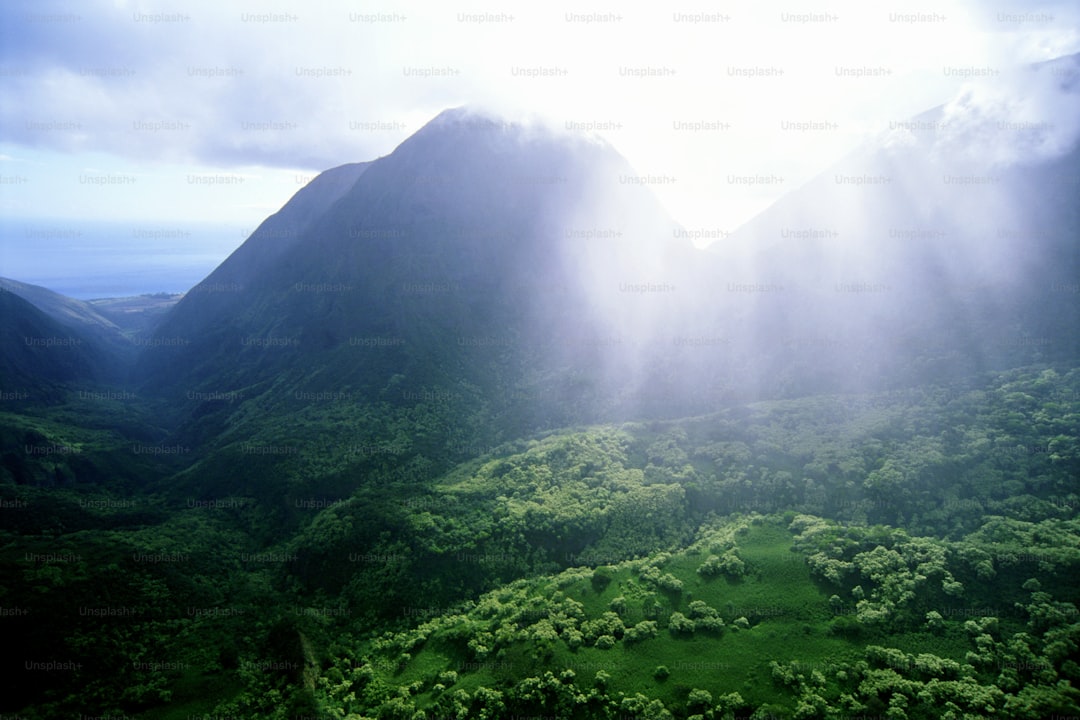
When you’re planning your trip, it’s easy to focus solely on the logistics, but I really want to talk about how we can shift our perspective to support the people who actually call this place home. Moving away from a traditional tourist mindset means recognizing that your daily movements—from where you park to how you learn about the land—directly influence Maui’s long-term health. Think about it this way: the Maui County Council has started using real-time sensors at high-traffic trails to cap hikers at five hundred a day, which is a massive, science-backed move to stop soil erosion before it happens. It’s not just about keeping paths open; it’s about acknowledging that the land has a physical limit, and by respecting those caps, you’re helping preserve the ecosystem for those who will come after you.
This transition toward community-led tourism is actually showing some pretty incredible data-driven results that go beyond just feeling good about your vacation. For instance, those mandatory farm-to-table supply chains for tour operators have helped reduce the island’s reliance on imported food by fifteen percent in just two years. It’s also fascinating to see how your presence can help restore traditional practices, like the twelve hundred acres of land that have been converted back to native polyculture systems managed by local practitioners. When you choose to book with operators who are trained by the Maui Historical Society, you aren't just getting a tour; you’re ensuring that the stories you hear are accurate and that your money is supporting cultural preservation rather than commercial exploitation.
Honestly, the most practical part of this shift is seeing how tourism revenue is finally being hard-wired into the island’s essential infrastructure. We’re seeing tourism-funded shuttles that locals now use for their daily commutes, which has cut peak-hour traffic by ten percent, and organic waste from visitors is even being converted into biogas to power stoves for hundreds of families. Even simple, seemingly small changes like new zoning laws for light-colored, permeable pavement are helping keep surface temperatures down, which makes the island more resilient to the heat island effect. It’s a complete departure from the old model of just taking from a destination, and when you look at how these systems are finally prioritizing indigenous irrigation rights and protecting burial sites with fifty-meter buffer zones, you realize that being a mindful guest is the most effective way to ensure Maui remains a thriving community rather than just a resort hub.
Beyond the Beach: Engaging in Regenerative Travel Experiences
When you’re planning your trip, it’s easy to get stuck in the cycle of just booking a resort and calling it a vacation, but I’ve been looking at how we can actually change that dynamic. Honestly, the shift toward regenerative travel isn't just a marketing buzzword; it’s a measurable, hands-on way to make sure the places we love stay healthy. Think about it this way: you can spend your morning helping marine biologists outplant heat-resilient coral fragments instead of just snorkeling over a dying reef. It’s a completely different level of engagement that lets you see your own impact in real time. We’re even seeing cool tech like drone-based mapping that lets you track the actual native saplings you’ve helped plant, so you can watch your contribution grow long after you’ve flown home.
And it goes way deeper than just planting things. I’ve been reading about how visitors are now helping with community-led seed banking to save rare indigenous plant genotypes that are specifically adapted to Maui’s shifting weather. It’s wild how these small, intentional acts actually support larger engineering wins, like the new smart-gate irrigation systems that use soil moisture sensors to stop the runoff that used to smother our reefs. Or consider the closed-loop food systems where hotel waste is turned into protein for local fish farms—it’s a simple, logical shift that keeps resources on the island. When you choose to participate in these programs, you’re helping fund the infrastructure that protects the land, rather than just using it up.
Maybe it’s just me, but there’s something deeply satisfying about knowing your presence is actually helping the ecosystem thrive. For example, the restoration of coastal wetlands, supported by visitor-led land management, has directly caused a population rebound for the Hawaiian stilt in those areas. Even the tech we’re using, like mycelium-based filtration at trailheads, is doing heavy lifting to stop invasive fungi from killing our native forests. It’s clear that we’re moving past the era of passive tourism where we just show up and take. If you’re heading out there, look for these kinds of deeper, restorative experiences—because honestly, they’re the only way we’ll keep these spots special for the long haul.
Maximizing Your Impact: Ethical Travel Planning with Points and Miles
When we talk about visiting Maui, it’s easy to get caught up in the thrill of hunting for that next big redemption, but I want us to think about how our points and miles can actually be a force for good. Honestly, most of us focus on the lowest mileage cost, but I’ve started using AI-driven search tools to filter my award flights by aircraft fuel efficiency, which is a total game-changer for reducing your personal carbon footprint. It’s pretty wild that by simply choosing a flight on a modern, fuel-sipping plane or opting for non-stop travel, you’re cutting down on the high-emission takeoff and landing cycles that really hit the environment hard. I’ve also found that transferring points to boutique, eco-certified hotel chains is a much smarter play than defaulting to massive resorts, as these smaller properties often have lower embodied energy profiles and prioritize local resources over global inventory.
But let’s get into the specifics of how you’re spending on the ground, because that’s where the real shift happens. I’ve been leaning into credit cards that give me extra rewards for hitting up local merchants, which lets me earn points while making sure my capital stays within the island’s circular economy rather than leaking out to big-box retailers. If you have those leftover, orphaned points sitting in an account about to expire, check if your loyalty program allows you to donate them to local Maui land trusts; it turns a stagnant digital asset into actual funding for habitat restoration. I’ve even started applying my welcome bonuses toward inter-island ferry or train travel when possible, which is a massive win for lowering the total carbon load of my vacation compared to stacking up a bunch of short-haul flights.
It really comes down to being intentional with the math. When you use your points to book longer, sustained trips instead of squeezing in multiple short-haul segments throughout the year, you’re naturally lowering your overall travel footprint while giving the island’s infrastructure a bit of a breather. Some of the newer travel portals even show real-time carbon tracking, so you can pick partners that have the lowest verified scope three emissions. It’s a bit of extra homework, sure, but I think it’s worth it to know that the way I’m traveling is actually supporting the people who call this place home. Think of it as using your loyalty status to vote with your wallet, ensuring that every mile you earn helps build a more resilient future for Maui rather than just burning through resources.
Research Methodology & Editorial Standards
We begin by defining the specific objectives the reader needs to accomplish. Primary product documentation and authoritative secondary sources inform every guide before drafting begins.
Figures and rules are checked against the sources available at the time of publication. Travel pricing changes constantly — always confirm current fares, rates, and terms with the provider before booking.