
Why Khiva is the must visit Silk Road destination for 2026
I think it’s easy to overlook just how rare it is to find a place that feels physically frozen in time, but Khiva is doing exactly that in 2026.
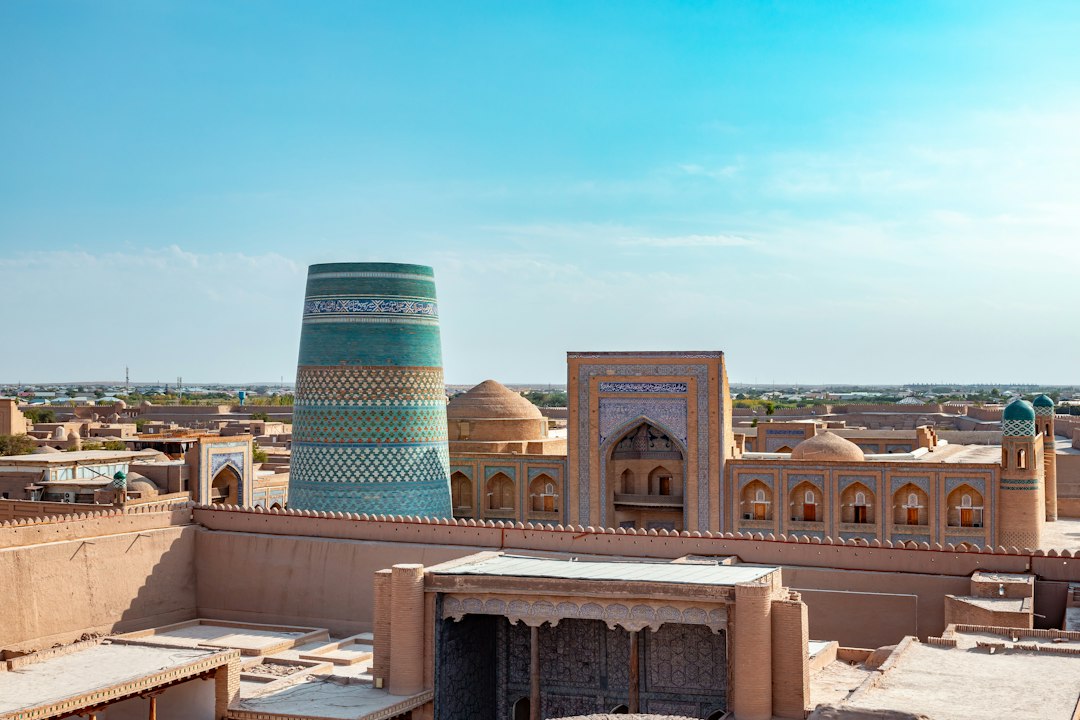
Stepping Out of the Shadows: Why 2026 is Khiva’s Moment
I think it’s easy to overlook just how rare it is to find a place that feels physically frozen in time, but Khiva is doing exactly that in 2026. The Ichan Kala, which is the city’s inner walled core, stands out as a genuine architectural anomaly because it was built almost entirely from sun-dried mud bricks. You have to consider that these materials require constant, labor-intensive maintenance to survive the harsh desert climate, yet the city has managed to endure. Recent restoration projects finished early this year have used traditional techniques to stabilize these earthen structures against the seismic activity that frequently hits this part of the world. It’s honestly fascinating to look at satellite imagery and see that the urban footprint has barely shifted since the late 18th century, giving us a rare, unfiltered look at how pre-industrial cities were actually mapped out.
Beyond the aesthetics, Khiva acts like a living laboratory for historical hydrology because researchers are still uncovering the complex underground canal systems that powered its oasis economy. If you look closely at the turquoise tilework on the minarets, you’ll find it’s not just decorative; the mineral composition actually comes from specific, localized deposits in the Kyzylkum Desert. The dry, arid air surrounding the city acts as a natural preservative, keeping organic artifacts in much better shape than you’d see at more humid Silk Road locations. I’m also impressed by how the heritage authorities manage the population density within the Ichan Kala; they’ve strictly limited heavy infrastructure to ensure those 17th-century foundations don’t crumble under the weight of modern tourism.
What’s really cool is how the 2026 cultural initiatives have started using passive cooling in new visitor centers, cleverly mimicking the ancient wind-catching towers known as badgirs. It shows a real commitment to respecting the local environment while hosting travelers. Archaeologists have even found evidence that the city’s success was driven by a specific intersection of caravan routes that made the trek across the Karakum Desert much more efficient for merchants. Plus, those oasis gardens you walk through aren't just for show; botanical surveys from this spring show they still house drought-resistant plant species cultivated by the same families for generations. It’s rare to see a site where the modern management—like their closed-loop water system designed to stop soil erosion around the Kalta Minor minaret—works so well in tandem with keeping the history intact.
A Living Museum: Exploring Central Asia’s Best-Preserved Medieval Settlement
When you walk through the gates of Khiva, you’re not just seeing old buildings; you’re looking at a masterclass in survival engineering that honestly puts modern construction to shame. The city’s two-kilometer-long fortification walls are a perfect example, built from a clever blend of mud, sand, and straw that they reinforce with camel hair for extra strength. It’s wild to think that this simple, organic mixture creates such a durable shell. Even the foundation of the Ichan Kala is strategic, sitting on a subterranean clay layer that acts like a natural shock absorber whenever the earth shifts. You can see how they really thought through the physics of the environment to keep the city standing for centuries.
If you look closely at the Juma Mosque, you’ll notice the wooden pillars aren't just decorative; they’re carved from elm, a specific timber chosen because it refuses to warp when the temperature swings wildly from day to night. I find the acoustic design of the Kunya Ark just as impressive, where they shaped the courtyard to carry a speaker’s voice to the far corners without needing any extra structural help. They even used a mix of fermented goat milk in the mortar between the bricks, which actually helps the walls repel water during those rare, sudden desert storms. It’s these kinds of hidden, practical solutions that make you realize how much trial and error went into making this place work.
Then there’s the cooling—long before air conditioning, they were using physics to keep things comfortable. The city gates are positioned in precise astronomical alignment to catch the wind and funnel it through the streets, acting like a natural air conditioning system that drops the temperature significantly during the summer heat. They also built underground ice houses called sardobas, using depth and reflection to keep food frozen even while the sun was baking everything outside. It’s fascinating how they managed their resources too, like the way they designed their irrigation channels with a tiny, sub-one-degree gradient to stop water from stagnating. When you see the Kalta Minor minaret, which was supposed to be the tallest in Central Asia, you’re really seeing a monument to an era where architects were constantly pushing the limits of what was possible in the middle of a desert.
Beyond the Walls: The Architectural Marvels of the Itchan Kala
When you step through the gates of the Itchan Kala, you aren't just looking at history; you're witnessing a masterclass in desert survival. I find it fascinating how the city walls incorporate a sophisticated drainage system using ceramic pipes to prevent groundwater from destabilizing the base during seasonal shifts. It’s that kind of practical engineering that kept these structures standing for centuries. You’ll also notice that the mortar used in larger masonry often contains crushed shells, which is a brilliant way to increase resistance to the pervasive desert salt erosion. It’s these hidden, durable solutions that really make you appreciate the foresight of the original builders.
If you look at the interior courtyards, you'll see floors laid with fired brick patterns designed to capture and radiate thermal energy, keeping things comfortable through the cool desert nights. The city’s planners were just as smart with the streets, orienting the main thoroughfares to minimize the impact of dust-laden winds from the steppes. Honestly, the defensive strategy is just as impressive; the walls are thicker on the western side to withstand the highest velocity winds. Even the residential sectors have small ceiling apertures that act as natural exhaust vents, pulling hot air out to keep the living quarters cool. It’s a level of climate control that makes modern HVAC feel almost redundant.
I think the most telling details are the ones that reflect the culture of the people who lived here. You’ll see intricate wood carvings on the doors featuring pomegranate motifs, which were historically meant to symbolize fertility and prosperity for the families inside. Some thresholds are also set intentionally low, forcing you to bow slightly as you enter significant chambers, which is such a subtle but effective way to command deference. Even the minarets show this deep technical knowledge, with foundations reaching over five meters deep and using layers of compressed reeds to stay flexible during seismic tremors. It’s clear that everything here, from the non-linear streets designed to trap invaders in bottlenecks to the mathematically sequenced tile patterns that trick the eye into seeing greater height, was built with a specific, calculated purpose.
Navigating the Controversy: Balancing Historical Preservation and Modern Tourism
Navigating the friction between welcoming curious travelers and protecting a site as fragile as Khiva’s Ichan Kala is a massive, ongoing balancing act. It isn’t just about putting up ropes or limiting crowds; it’s about acknowledging that every footstep carries a physical weight that threatens the city's ancient, earthen foundations. You see, recent geo-radar work has revealed that modern pathways often sit directly above unexcavated 10th-century artisan quarters, meaning we have to be incredibly surgical about where we let people walk to avoid compressing what’s still buried underneath. Authorities have even installed seismic sensors to trigger real-time alerts if group sizes hit a threshold that could vibrate those delicate mud-brick walls into distress. It’s a sobering reminder that our desire to witness history can, if we aren't careful, become the very thing that erodes it.
To tackle this, the city has adopted some surprisingly high-tech, low-impact solutions that I find honestly refreshing. They’ve mandated that all new boutique hotels inside the core use self-contained, subterranean sewage systems to stop greywater from seeping into the foundations, a common issue that previously plagued many historic sites. They’ve also learned that the city’s walls are protected by a natural bio-film of desert bacteria, so they’ve banned harsh chemical cleaners in favor of gentle, dry-brushing techniques to keep that living shield intact. Even our movement is being guided by data; real-time heat-mapping now directs visitors toward secondary corridors to avoid overloading the microclimates of the main monuments. It's a fascinating shift from "keep out" to "here is how we keep this alive for the next hundred years."
But the most effective change might be the simple, logistical ones that feel like a return to form. By banning heavy delivery vehicles and requiring supplies to be moved via traditional carts, they’ve managed to eliminate the low-frequency vibrations that were actually destabilizing the ancient underground canal arches. They are also using predictive modeling for digital ticketing to keep visitor density stable, which is a lifesaver for keeping the humidity inside the mausoleums from swinging wildly. I love that they’ve even started using biodegradable geogrid mesh during the low season to reinforce the soil against seasonal expansion, essentially giving the city a structural suit of armor. It really proves that modern tourism doesn't have to be a wrecking ball if you’re willing to let science and tradition work together.
The Silk Road Reborn: Cultural Traditions and Local Life in the Desert
When you look past the impressive architecture, the real heartbeat of Khiva is found in how people have actually mastered living in such a punishing desert environment. I’ve been digging into the local traditions, and it’s honestly wild how much of their daily life is essentially high-level survival science disguised as culture. Take the blue-glazed tiles on the minarets, for example; chemists found that the specific cobalt and copper mix is unique to the local geological strata, meaning the city’s color palette is literally drawn from the surrounding desert. You’ll also notice traditional weavers using pomegranate skin as a natural mordant for their silk, which is a brilliant, low-tech way to stabilize those vibrant colors against harsh ultraviolet rays. It’s a perfect example of how the people here have spent centuries learning to use their own landscape as a toolkit rather than fighting against it.
Think about the music here for a second, because it’s not just for entertainment. The rhythmic structures of traditional Khorazmian performances actually mirror the cadence of camel caravans crossing the Karakum, something modern acoustic analysis has finally confirmed. It’s as if the desert’s physical reality—the pace of a walk or the rhythm of travel—got baked into the local soul. Even their diet tells a story of adaptation, with forensic anthropologists noting that local populations thrived on desert-grown melons, which provided essential hydration that was the difference between surviving and failing during the peak heat. And if you pay attention to the wooden doors, those carvings aren't just pretty patterns; they’re a complex, coded language signaling a household’s lineage and professional guild, effectively turning every home into a visual identity card for the community.
The ingenuity doesn’t stop at the surface, either, because these people were effectively managing a sustainable oasis long before we had a name for it. Those ancient garden layouts actually follow a fractal pattern that mathematical models show boosted the cooling effect of water evaporation by over twenty percent. It’s a massive efficiency gain that kept the city livable without relying on external resources. You’ll even find ancient, deciphered scripts on the monuments that weren't just religious text but functional lunar calendars for managing crop cycles. It’s this deep integration—from the way they used ash-based soil enrichment to keep the ground fertile to the way their very clothing uses specific weave densities to create a personal micro-climate—that really makes Khiva a masterclass in human resilience.
Essential Logistics: How to Plan Your 2026 Journey to Khiva
Getting to Khiva in 2026 is a lot more streamlined than it used to be, but it still requires a bit of tactical planning to avoid the usual snags. The most efficient way to arrive is flying into Urgench International Airport, which sits about 35 kilometers from the city gates and is now well-serviced by daily flights from Tashkent. If you’re like me and prefer the scenic route, the recently upgraded railway from Bukhara is a game-changer; these trains use Russian-gauge tracks that slice through the desert in about six or seven hours, skipping the old, frustrating delays caused by sand shifting onto the lines.
Once you’re in town, don’t expect to just wander aimlessly without a bit of digital prep, as local authorities have rolled out a mandatory visitor pass system for 2026. This links your entry to specific time slots, which honestly makes sense because it keeps those narrow alleys from becoming a total bottleneck during the midday heat. You’ll definitely want to pack breathable linen and high-SPF gear, too, because the desert sun reflecting off the Kyzylkum sands creates a serious UV amplification effect that hits harder than you’d expect. And here’s a tip for navigating the maze-like streets: rely on the local city-wide mesh network for your GPS, because the thick mud-brick walls are notorious for killing standard mobile data signals.
When you’re moving around the core, keep in mind that private cars aren’t allowed inside the gates to protect the ancient foundations from vibration. You’ll have to use government-licensed taxis that drop you at the West Gate and leave the rest to foot traffic, which really helps preserve the atmosphere anyway. While you’ll see QR-based payment kiosks popping up at the big monuments to make things easier, I’d still keep a decent amount of cash on hand for the smaller artisan stalls that aren't quite as tech-forward yet. If you’re traveling in a group of ten or more, remember that the regional board now needs 48 hours’ notice so they can adjust the micro-climate controls in the mausoleums to manage the extra body heat.
It’s worth noting that while hotel water is usually handled through reverse osmosis, the historic plumbing in the older sections of the city can be a bit hit-or-miss with the mineral-heavy groundwater, so sticking to bottled water is just the safer play. You should also watch the clock in the late afternoon; the city’s orientation means the sun drops behind the western walls incredibly fast, causing the temperature to plummet by nearly 15 degrees Celsius in just an hour. Honestly, if you can, stay inside the Ichan Kala itself to catch those quiet, early morning hours before the day-trippers arrive. It gives you a chance to see the crews doing the delicate, dry-brushing maintenance on the walls while the air is still cool. Just make sure to register your itinerary at the visitor center when you land, as that hooks you into the city’s live logistics tracking, which helps you dodge the heaviest crowds and actually enjoy the place the way it was meant to be seen.
Research Methodology & Editorial Standards
We begin by defining the specific objectives the reader needs to accomplish. Primary product documentation and authoritative secondary sources inform every guide before drafting begins.
Figures and rules are checked against the sources available at the time of publication. Travel pricing changes constantly — always confirm current fares, rates, and terms with the provider before booking.