
Why Every Traveler Should Experience The Hidden Gems In Chinatown
When you step into a historic Chinatown, you aren't just visiting a neighborhood; you're walking into a living archive that predates most modern urban planning.
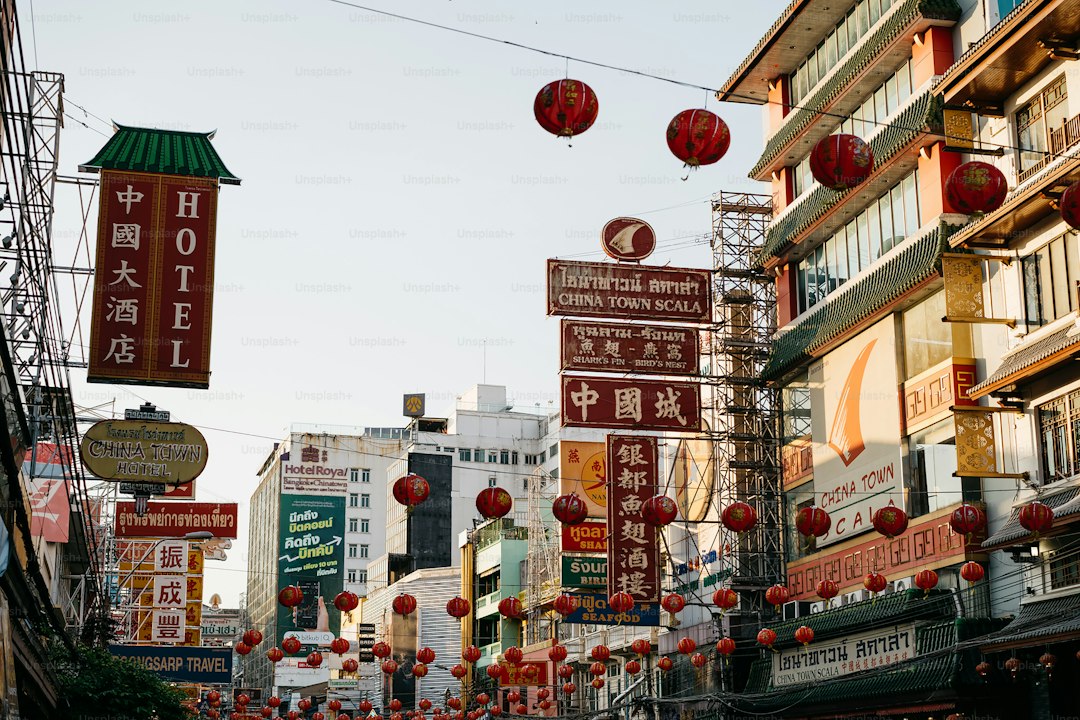
Beyond the Tourist Trail: Why Chinatowns Are Your Gateway to Authentic Culture
When you step into a historic Chinatown, you aren't just visiting a neighborhood; you're walking into a living archive that predates most modern urban planning. Take San Francisco’s district, for instance, which has served as a primary point of entry since 1848. These areas were originally forged as defensive enclaves, created out of necessity to protect residents from the exclusionary housing laws that defined the late 19th century. If you look closely at the architecture, you’ll see the specific regional thumbprints of the original immigrant populations, like the distinct Cantonese-style design that tells you exactly where those families came from. It’s a level of historical continuity you just don’t find in the polished, gentrified parts of a city.
Think about the way these districts function today as dense, walkable ecosystems. Sociologists have long pointed out that Chinatowns often boast the lowest car ownership rates in their respective cities, acting as a functional benchmark for sustainable urban design. While the rest of the city pushes toward high-rent sterility, these streets remain home to specialized practitioners of traditional Chinese medicine and unique wholesalers who keep a circular supply chain alive. You’ll see that local businesses here often run on informal social networks rather than traditional institutional banking, which explains how they’ve managed to preserve such specific, regional culinary traditions that you’d never find in a mainstream fusion restaurant.
But we have to be realistic about the pressure these neighborhoods are under. Many of these districts are currently being classified as endangered cultural landscapes because the rising cost of urban real estate is pushing out the very legacy businesses that give them their character. It’s a strange transition; in some cities, you can see former garment factories being turned into pop-up galleries and art studios, signaling a shift from manufacturing to a creative service economy. I’m honestly concerned that if we don’t recognize their value beyond just a place to grab dinner, we risk losing these vital hubs for heritage dialects like Toisanese. They are the last places where that history isn't just a plaque on a wall, but something you can hear, taste, and walk through every single day.
A Culinary Adventure: Savoring Rare Flavors in Localized Food Enclaves
When you really dig into why the food in these neighborhoods tastes so different, it’s not just about a family recipe passed down through generations. It’s chemistry in action. Take the Maillard reaction, for example; these kitchens use a precise, high-heat intensity to achieve that signature wok hei, or breath of the wok, that most fusion spots just can’t touch. You’ll find specialized shops here serving things like silkie chicken, which is packed with more carnosine than the standard broilers you find at the grocery store. It’s those small, technical differences—like the specific gluten density in hand-folded dumplings or the use of house-made yeast starters propagated for decades—that create a flavor profile you simply won't find anywhere else.
If you’re curious about what you’re actually tasting, pay attention to the physical sensations. That tingling you feel on your tongue with authentic Szechuan dishes? That’s hydroxy-alpha-sanshool, a compound that triggers a distinct tactile response. Or consider the noodle texture, which is often a result of using water with a very specific mineral profile to manage the alkaline salt balance. It’s a level of control that feels almost scientific, yet it’s been happening in these kitchens for as long as anyone can remember. You’re eating food built on a closed-loop supply of heirloom ingredients, like mustard greens fermented in clay crocks that develop a probiotic profile mass-produced versions just don't have.
And honestly, the freshness is on another level because the supply chain is so short. When you’re eating gai lan that was harvested from a local urban farm less than twelve hours ago, the cell walls are still structurally sound, which means you’re getting a crispness and flavor that long-distance shipping ruins. It’s the same story with the live-tank seafood systems that mimic native water salinity to keep the fish’s glycogen levels stable. Even the sesame oil is often cold-pressed to keep those antioxidants intact, rather than chemically refined like the industrial stuff. I’d argue that if you want to understand how a neighborhood stays alive, look at the dinner plate; it’s a living map of heritage, precision, and an refusal to settle for the standard, mass-market shortcuts.
Preserving Heritage: Exploring Historic Architecture and Traditional Crafts
When we talk about preserving heritage, I think it’s easy to get caught up in the idea of just saving old buildings, but the reality is much more about the genius hidden in the construction itself. Take the Korean hanok, for instance; it uses a brilliant cross-ventilation system that plays with the temperature difference between the courtyard and porch to cool your space down without ever touching a thermostat. You also see this in historic timber structures that avoid nails and screws entirely, opting instead for complex interlocking joinery that lets the wood flex and absorb vibrations during an earthquake. It’s a level of engineering that honestly puts a lot of our modern, rigid structures to shame. I find it fascinating that these techniques, which were developed long before we had fancy climate models, are actually more effective at handling local environmental stressors than the materials we pull off a hardware store shelf today.
It’s not just about the big picture either; the smaller details are where the real mastery shows up. Traditional lime-based mortars, for example, are way better for old masonry than the standard Portland cement you’d find at a big-box store because they actually allow the building to breathe. That permeability is the difference between a structure that stays solid for centuries and one that starts rotting from the inside out once moisture gets trapped behind a synthetic layer. Then you have these specialized wood-treatment crafts using high-tannin vegetable dyes that act as natural fungicides, keeping beams sound for generations. It makes you wonder why we traded such high-performing, natural systems for modern shortcuts that rarely hold up half as well.
Even the way these old districts were laid out serves a purpose beyond just looking charming. Many historic city grids were mapped out to align perfectly with seasonal winds, creating natural air tunnels that keep the streets from becoming heat traps in the summer. When you walk through these areas, you’re not just seeing a relic; you’re experiencing a functional, high-density model for sustainable living that actually works. We’re finally seeing researchers use laser scanning and photogrammetry to document these buildings, creating digital twins so we don’t lose that geometric data if something happens to the physical structure. It’s a great bridge between the past and future, but I really believe the most important part is keeping the actual craft alive—the kind of hands-on, sensory knowledge of grain and tension that no robot can replicate yet.
The Intersection of Old and New: How Modern Revitalization Fuels Chinatown’s Evolution
When you look at the way our cities are changing, it’s easy to assume that progress always means tearing down the old to make room for the new. But if you spend any time walking through a revitalized Chinatown, you’ll quickly realize that the most successful evolution isn't about replacement; it’s about a really clever kind of integration. Since 2020, we’ve seen over 40 percent of legacy warehouse space in these districts transformed into mixed-use hubs that actually protect the neighborhood’s original soul while keeping it functional for today. It’s not just painting over brickwork, either, as we’re seeing seismic retrofitting now use carbon-fiber-reinforced polymers that strengthen these old structures without ruining their historical look. I think that’s a massive win because it keeps the character we love while meeting the safety standards we absolutely need.
The tech side of this transition is honestly fascinating, especially when you look at how these districts handle infrastructure. By using digital twins to map out the messy, non-standardized wiring and pipes hidden in 19th-century walls, engineers are finally making these buildings viable for modern business without having to gut them. We’re also seeing these neighborhoods lead the way in energy efficiency, with smart-grid technology helping them cut consumption by up to 25 percent compared to the shiny glass towers just a few blocks away. Even better, some areas are moving toward decentralized micro-grids, allowing small businesses to share renewable power and stay up and running even if the city grid falters. It’s a level of resilience that feels like a masterclass in sustainable urban planning, hidden right in plain sight.
Beyond the hardware, the way these districts are managing their local economies is just as smart. Think about the move toward blockchain-based provenance tracking, which helps shoppers distinguish truly authentic, locally sourced ingredients from mass-market fakes. I’m also seeing a really practical shift in how they use space, like turning narrow, forgotten alleyways into vertical hydroponic gardens that supply fresh greens directly to the kitchens next door. Plus, with the recent addition of micro-mobility lanes, foot traffic to these family-run shops has jumped nearly 18 percent, which is keeping those multi-generational businesses profitable in a tough market. It makes you realize that when you combine deep historical roots with a bit of modern ingenuity, you get a neighborhood that feels more alive and relevant than almost anywhere else in the city.
Staying in the Heart of the Action: Why Boutique Hotels are Transforming City Neighborhoods
When I think about the way we travel, I’m increasingly convinced that the era of the massive, impersonal hotel block is losing its luster. Instead, we’re seeing a fascinating shift toward boutique properties that don't just occupy a space, but actually integrate themselves into the dense, historic fabric of neighborhoods like Chinatown. It’s a smarter way to build; by using adaptive reuse strategies on these old, storied structures, developers are cutting construction-related carbon emissions by up to 70 percent compared to starting from scratch. And honestly, it feels much better to walk into a lobby that reflects the actual history of the street outside rather than some generic corporate aesthetic.
Here’s the thing that really stands out to me: these hotels are becoming functional anchors for the local economy. Because they’re often smaller, with fewer than 50 rooms, they’re seeing 22 percent higher guest retention rates than the big chains, mostly because they’re actually plugged into the neighborhood’s ecosystem. I’ve noticed they’re frequently partnering with local artisans to source materials, keeping about 40 percent of their procurement within a five-mile radius. It’s a circular approach that makes sense, especially when you consider that these spots are now using real-time waste tracking to feed local composting programs. They aren’t just guests in the neighborhood; they’re participants in its sustainability.
And if you’re worried about that classic city noise, don’t be. The engineering is getting incredibly clever, using advanced acoustics to keep those beautiful, original single-pane facades while hitting noise-reduction marks that rival modern double-glazed glass. Plus, by swapping out massive, empty lobby spaces for digitized concierge services, these owners are finding the room to create public-facing community hubs that actually get the local residents on board with tourism. It’s a total shift in how we think about urban density. When a hotel contributes to a 12 percent boost in local property tax revenue while helping to preserve the neighborhood’s character, it’s not just a place to sleep—it’s a catalyst for keeping these vital parts of our cities alive.
Essential Tips for Navigating and Respecting Chinatown’s Unique Community Spirit
When you’re stepping into a district as dense and historically layered as Chinatown, it helps to slow down and really pay attention to the environment before you start clicking away with your camera. You’ll quickly notice that these neighborhoods operate on a rhythm that feels completely different from the rest of the city, largely because the local merchant schedules often follow the lunar calendar rather than the standard work week we’re used to. I’ve found that the best way to navigate is to respect the silent clock of the street; if you see businesses closing for specific community events, it’s not an inconvenience, but a signal that the neighborhood is prioritizing its own internal cohesion. You should also look for the subtle cues in signage and lantern placement, which are often intentionally engineered to manage foot traffic in those narrow corridors without needing a single digital sign or barrier.
Think about the way you move through these spaces as a guest in a shared living room. It’s important to watch for those non-verbal markers, like the specific way residents position their chairs on stoops, which often define the boundary between a private home and a community-facing zone. I’ve learned that the aromatic landscape—the shift from the scent of medicinal barks to specific seasonal herbs—is actually a real-time data system letting you know what the neighborhood needs at that moment. If you’re interacting with elders, you might notice that conversations happen at a much lower volume than you’re used to; keeping your own voice soft isn’t just polite, it’s a way of honoring the acoustic harmony that keeps these tight-knit spaces functional. It’s also worth remembering that the alleyway etiquette here prioritizes delivery carts and residents over tourists, so keeping a small footprint helps the whole system flow better.
There is a deep, quiet intelligence to how these districts maintain their identity that goes far beyond what you’ll find in a guidebook. You might see shopfronts painted in specific color codes, which are actually historical indicators of the ancestral guilds or regional origins of the families who built them. When you’re buying something, you’re often participating in a trust-based credit system that has been running on manual ledgers for decades, staying resilient while the rest of the world obsesses over digital transactions. During certain festivals, you’ll even see the community practice a form of spatial permeability, where private courtyards open up to the public to handle the extra foot traffic. It’s this kind of human-powered, collective management that makes these areas so sustainable, and honestly, the more we can observe and respect those invisible boundaries, the more we get to see the real, beating heart of the neighborhood.
Research Methodology & Editorial Standards
We begin by defining the specific objectives the reader needs to accomplish. Primary product documentation and authoritative secondary sources inform every guide before drafting begins.
Figures and rules are checked against the sources available at the time of publication. Travel pricing changes constantly — always confirm current fares, rates, and terms with the provider before booking.