
Why easyJet is retiring its A319 fleet early and what it means for your travel experience
You know, watching the airline industry shift gears is always a bit of a rollercoaster, but easyJet’s decision to dump its A319 fleet early feels like a move born out of sheer necessity rather than just standard fleet renewal.
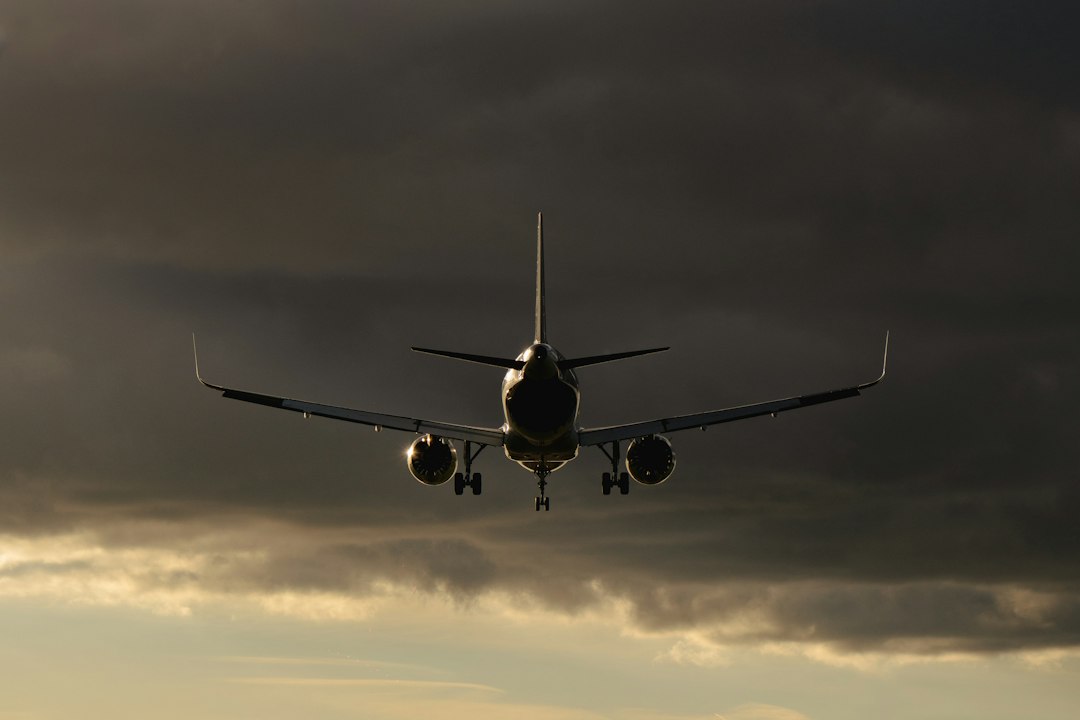
The Strategic Shift: Why easyJet is Accelerating the A319 Retirement
You know, watching the airline industry shift gears is always a bit of a rollercoaster, but easyJet’s decision to dump its A319 fleet early feels like a move born out of sheer necessity rather than just standard fleet renewal. If you think about it, the A319 was the backbone of that 2000s-era quick-turnaround model, but it’s just not cutting it in today’s environment where every single slot at a major European hub is worth its weight in gold. By swapping those 156-seat frames for the 235-seat A321neo, the airline is essentially pulling off a magic trick where they pack more people into the same flight path. It’s an aggressive play for efficiency that honestly makes a lot of sense when you look at the math behind it.
The real kicker here is the fuel burn; we’re talking about a 20 percent reduction per seat, which is huge when you’re trying to keep ticket prices somewhat grounded despite rising costs. Beyond the fuel savings, the maintenance side of things has become a total headache because those legacy engine parts aren't being mass-produced anymore. Plus, there’s the tech side—the A319’s older avionics just can’t keep up with modern Air Traffic Management systems like SESAR anymore. It’s a bit like trying to run the latest software on a computer from fifteen years ago, and eventually, the engineering team just has to say it’s time to move on to something that actually complies with current regulations.
And let’s be real, the environmental pressure is only getting stronger, so cutting the noise footprint by half with the new neos is a pretty smart way to dodge those annoying, strict nighttime curfews at busy airports. They’re even using short-term wet-leases to bridge the gap while they wait for deliveries, which shows just how much they want to get away from these older jets as fast as humanly possible. I’ve been looking at their financial projections, and this transition is basically their main way to offset the bite taken by those ever-increasing European landing fees. It’s a massive logistical pivot, but if you’re a traveler, it’s mostly just a sign that the airline is trading in those aging, cramped experiences for more modern, efficient machines.
Economic Efficiency: How Newer Aircraft Reduce Operating Costs
When we talk about the bottom line in aviation, it really comes down to the physics of moving metal through the air. You’ve probably noticed that newer planes look a bit sleeker, and that’s not just for aesthetics; engineers are using carbon-fiber composites and lightweight alloys to slash airframe weight, which means the engines don't have to work nearly as hard to get us off the ground. It’s all about high-bypass turbofan engines now, which process air in a way that’s way more thermally efficient than the old-school setups. When you combine that with aerodynamic tweaks like those upturned sharklets on the wingtips, you’re looking at a serious reduction in drag that saves a significant amount of fuel during every single cruise phase.
But the efficiency isn't just about the hardware you see from your window seat. It’s also happening in the flight deck, where modern flight management systems pull in real-time weather data to find the absolute best paths, making sure the plane isn't burning extra fuel just because it’s stuck in a suboptimal altitude. We’re also seeing fly-by-wire tech that makes tiny, precise adjustments to the flight surfaces—way more accurately than a human could—which cuts down on drag from constant manual corrections. Plus, there’s a whole layer of digital sensors monitoring engine health to catch performance gaps before they become real problems, which is a massive upgrade over the old way of just waiting for something to break.
Even the way these planes handle the ground game is changing to save cash. Many new models have smarter air management systems that don't sap as much power, and they’re designed to rely less on fuel-hungry auxiliary power units while sitting at the gate. Think about the arrival, too; with cloud-based navigation, pilots can perform continuous descent approaches instead of the old, fuel-wasting "stepped" arrivals we used to see constantly. It’s a bit of a quiet revolution, but when you look at how these tiny, smart engineering choices stack up, it’s easy to see why airlines are so desperate to retire the older, heavier stuff. Honestly, the math on operating these newer machines is just too compelling for any airline to ignore if they want to stay competitive.
Sustainability Goals: The Environmental Impact of a Modernized Fleet
When we talk about sustainability in aviation, it is easy to get lost in the marketing fluff, but the actual mechanics of a modernized fleet tell a much more grounded story. I have been looking at how carriers are shifting their capital toward these newer frames, and honestly, the shift is less about optics and more about pure physics. When you look at the industry transition, you see that airlines are finally moving away from legacy airframes that simply cannot keep pace with modern Air Traffic Management systems like SESAR. These older systems were never built for the high-density traffic flow we see today, meaning newer planes are basically a requirement just to stay compliant with current environmental regulations. It is not just about flying; it is about the entire operational footprint, including how these planes sit at the gate and manage their own internal power without leaning on fuel-heavy auxiliary units.
The technical leap here is honestly fascinating when you get into the weeds of how these machines actually save fuel. By integrating lightweight composites and advanced alloys, manufacturers have managed to shed significant weight, which means engines do not have to work nearly as hard to get us off the ground. Then, you have those upturned wingtip sharklets and high-bypass turbofan engines, which work together to minimize drag and improve thermal efficiency in ways that older designs just physically cannot replicate. It is the difference between a car that is constantly fighting the wind and one that is designed to slice right through it. Plus, we are seeing fly-by-wire technology take over for manual inputs, making flight control adjustments so precise that they shave off even more drag that a human pilot would never even notice.
But the real game changer for your travel experience is the way these planes handle the arrival phase. We are seeing a move toward continuous descent patterns, which replaces those clunky, fuel-wasting stepped approaches that used to be the industry standard. When you combine that with flight management systems that pull real-time weather data to optimize altitude, you start to see why airlines are so aggressive about these multi-billion dollar orders. It is a massive logistical pivot, but it is also the only way to meet those strict nighttime noise curfews that are popping up at major hubs. While it is just one part of the bigger sustainability puzzle, it is clear that moving to a state-of-the-art fleet is the primary vehicle for any airline looking to stay competitive in a world that is finally holding them to a higher standard of efficiency.
What to Expect: Changes to Cabin Comfort and Onboard Amenities
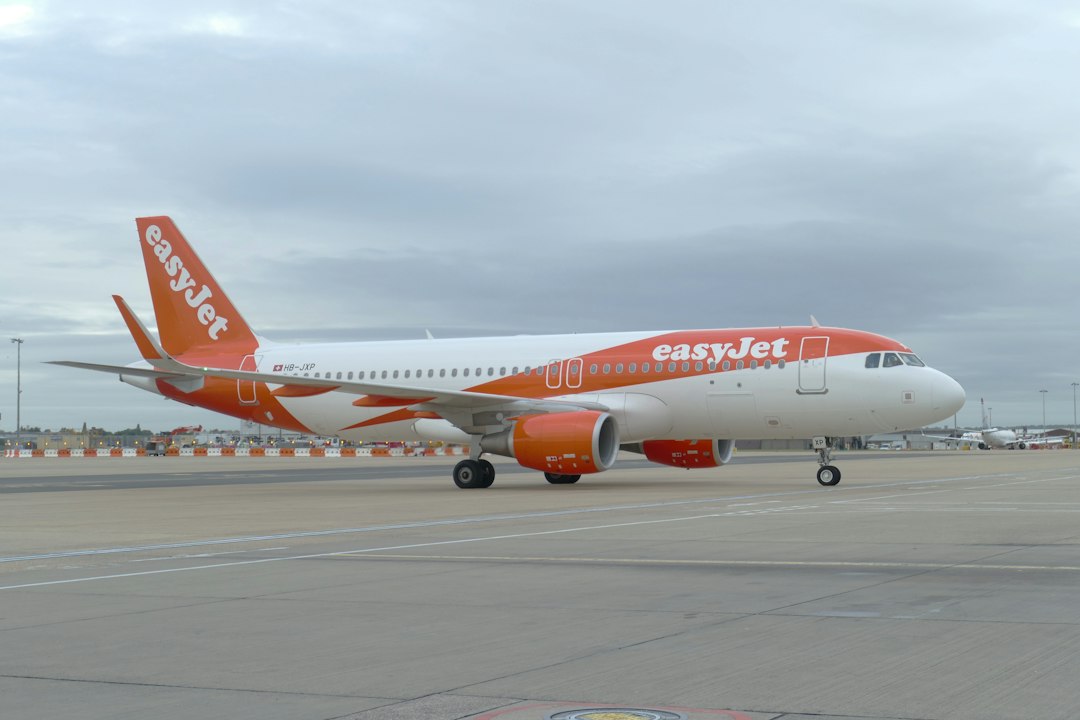
When you’re stepping onto a newer aircraft like the A321neo, you’ll notice the shift in cabin comfort immediately, even if you can’t quite put your finger on why. It’s not just the fresh aesthetic; it’s the engineering under the hood that changes how you feel after landing. Those older, cramped A319s often left us feeling drained, but the new interiors rely on ergonomic seat designs using carbon-reinforced polymers. These thinner frames actually reclaim about two inches of knee room, which is a massive win when you’re dealing with tighter pitch measurements. Plus, the cabin floor has been leveled out, finally removing those annoying humps near the wing boxes that always seemed to trip people up during boarding.
And let’s talk about the sensory experience, because it really does make a difference. The A321neo features advanced LED mood lighting designed to sync with your internal clock, helping to nudge away that post-flight jet lag. You’ll also notice the atmosphere feels significantly quieter, as new acoustic insulation and better engine design drop ambient noise levels by four or five decibels. It’s that constant, low-frequency drone that really wears you down over a few hours, so cutting that out makes a noticeable dent in passenger fatigue. Even the air you’re breathing feels different; medical-grade HEPA filters now cycle the entire cabin volume every three minutes, capturing nearly all airborne particulates.
But for me, the real game-changers are the practical, daily upgrades we’ve been begging for. We’re finally seeing high-output USB-C ports at every single seat, pushing 60 watts so you can actually charge a laptop without carrying a brick in your bag. The overhead bins are a huge upgrade too, offering about 40 percent more space, which helps solve that frantic hunt for room during boarding. Even the lavatories have been overhauled with touchless hardware, which—honestly—is the kind of hygiene upgrade that should have been standard years ago. It’s a cleaner, quieter, and more thoughtful environment that makes those short-haul flights feel like a lot less of a chore.
Operational Reliability: Improving Performance Through Fleet Standardization
When we talk about shifting to a standardized fleet, it’s easy to focus on the flashy hardware, but the real magic happens in the hangar and the flight deck. Think about the sheer mental load on a maintenance crew that has to juggle three or four different engine architectures; it’s a recipe for delays and mistakes. By moving to a single-type fleet, technicians can master one set of systems, which means they’re not just faster at their jobs—they’re significantly more precise. It’s exactly why you see major players in rail and maritime transport pushing for similar long-term lifecycle agreements, as the ability to benchmark performance against a single, uniform baseline makes it infinitely easier to spot an anomaly before it turns into a canceled flight.
And here’s the part that really changes the day-to-day for us as passengers: the reliability of the supply chain. When every aircraft in the fleet shares identical parts, you don't have to wait for a niche component to be shipped halfway across the world just because you’re at a smaller, remote station. You’ve got interchangeable rotable parts ready to go, and that keeps the plane moving instead of sitting idle on the tarmac. Plus, when software updates or new air traffic management protocols come down the pipe, they can be pushed to the entire fleet simultaneously rather than in a staggered, messy rollout. It’s a level of operational synchronization that just isn't possible when you're dealing with a fragmented, legacy setup.
Think about the way ground crews handle a quick turn at a gate, too. When every plane has the exact same cabin configuration and loading schematic, those crews can work almost on autopilot, shaving precious minutes off the turnaround time that otherwise add up to massive delays by the end of the day. It even makes life easier for the flight crews, as they can rotate between aircraft without needing constant, expensive recurrent training for different cockpit layouts. By streamlining these processes, airlines are basically doubling their efficiency in the hangar, and for you, that translates to a much higher chance of actually taking off on time. It’s a quiet, behind-the-scenes evolution, but it’s the most effective way for an airline to maintain performance when the pressure to stay on schedule is higher than ever.
Looking Ahead: What the Transition Means for Future easyJet Passengers
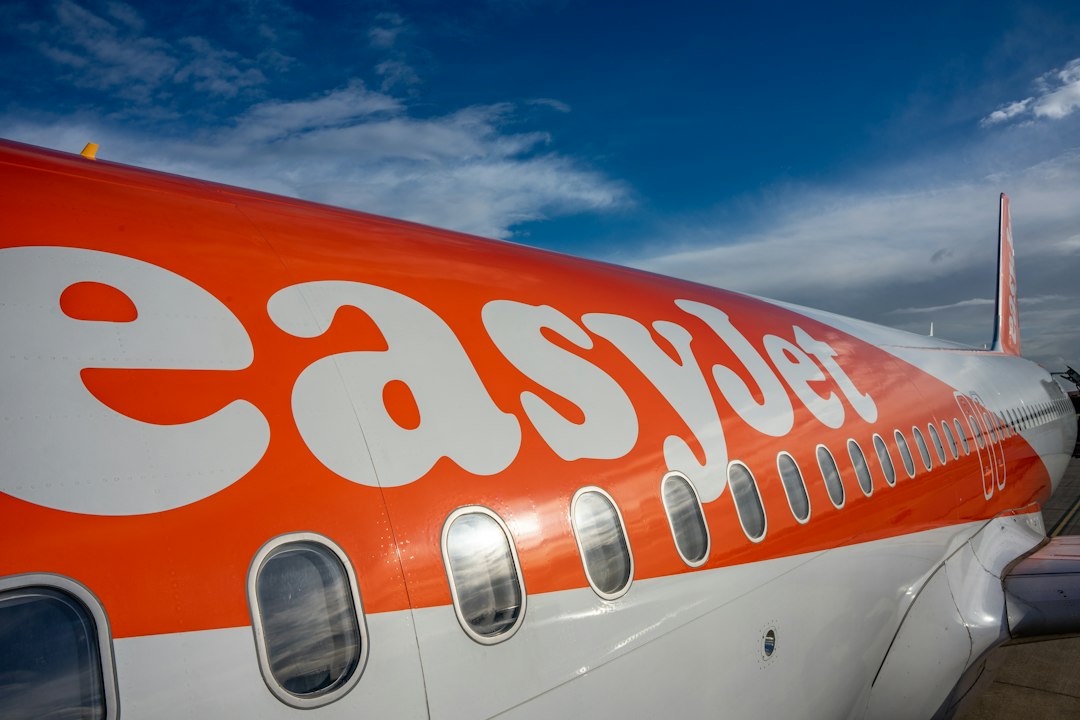
As we look toward the future of flying with easyJet, it’s clear this transition is about much more than just swapping out old metal for new. You’re going to notice the difference the moment you reach the gate, as these larger A321neo aircraft require automated boarding bridges rather than those old-school stairs we’ve all climbed a thousand times. It’s a bit of a shift, but it really highlights how the airline is moving toward a more modern, streamlined flow that should ultimately make your boarding experience feel less like a frantic scramble. And honestly, for those of us who have spent years feeling drained after a flight, the interior upgrades are the real win. The new cabins feature air management systems that maintain lower pressure, which is backed by data showing it significantly cuts down on that post-flight fatigue and dehydration we’ve all grumbled about.
Beyond just how you feel in your seat, the tech under the hood is finally catching up to what we expect in 2026. The move to these newer frames means the airline can finally roll out high-bandwidth, satellite-based connectivity that the old A319s simply couldn’t handle. You’ll also find that the cabin environment is noticeably quieter, thanks to new sound-dampening floor panels that pull double duty by using recycled materials to soak up those low-frequency vibrations. It makes for a much smoother, less taxing ride, especially when you’re trying to catch a quick nap on a two-hour hop. Plus, the flight crews are now working with a standardized digital suite that allows for better data exchange, meaning fewer hiccups and more precision in how the flight is managed from takeoff to landing.
Think about it this way: by standardizing the fleet, the airline is also clearing out the logistical clutter that usually leads to those annoying, mysterious delays. With these newer, larger jets, ground crews don't have to juggle as many specialized parts or unique gate requirements, which reduces ramp congestion and makes the whole ground-handling process feel tighter and more reliable. Even the way they handle seat configurations is changing; they’re using modular partitions now that can be swapped in hours, giving them the flexibility to adjust capacity based on what’s actually happening that season. It’s a massive, behind-the-scenes pivot, but for you, it translates to a more consistent, tech-forward, and frankly more comfortable way to travel across Europe. It’s a welcome evolution, and if you’re a frequent flyer, you’re definitely going to feel the difference on your next trip.
Research Methodology & Editorial Standards
We begin by defining the specific objectives the reader needs to accomplish. Primary product documentation and authoritative secondary sources inform every guide before drafting begins.
Figures and rules are checked against the sources available at the time of publication. Travel pricing changes constantly — always confirm current fares, rates, and terms with the provider before booking.