
Why cruise lines are now charging guests for taking buffet food to their cabins
It’s honestly a bit jarring when you just want to grab a quick snack for your cabin, but suddenly, there’s a firm policy against taking food out.
Understanding the New Policy: Why Cruise Lines Are Restricting Buffet Food Removal
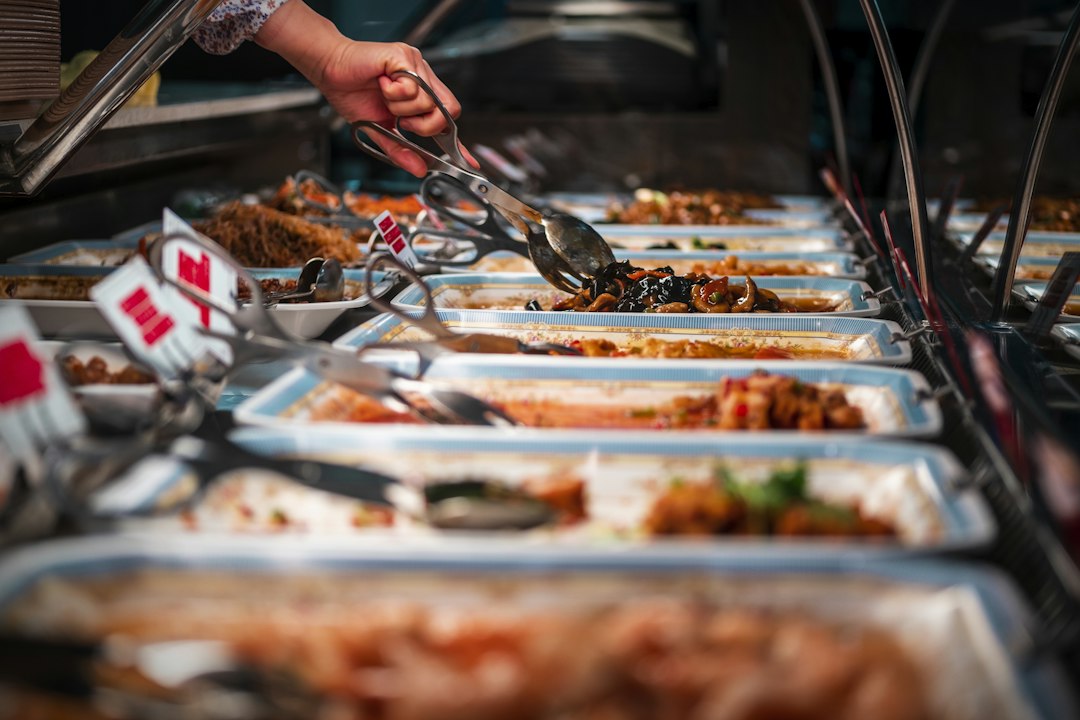
If you’ve spent any time on a cruise ship lately, you’ve probably noticed the atmosphere in the buffet area feels a bit more guarded than it used to. It’s honestly a bit jarring when you just want to grab a quick snack for your cabin, but suddenly, there’s a firm policy against taking food out. Let’s dive into why this is happening, because it goes way beyond just being a buzzkill for travelers. The reality is that cruise lines are operating under some pretty strict Public Health Service mandates, which essentially treat buffet food like a ticking clock once it leaves the kitchen’s temperature-controlled environment.
Think about it this way: the moment that plate of food hits the "danger zone" between 40°F and 140°F, bacteria can start doubling every 20 minutes. If you’re walking that food to your cabin, it’s spending way too much time in that risky window where pathogens like Salmonella or Listeria love to grow. It’s not just about the food safety of that one plate, though. When people bring leftovers into their rooms, those cabin trash cans become a magnet for pests like cockroaches and fruit flies, which are an absolute nightmare to manage in the sealed, climate-controlled ecosystem of a ship. It’s a logistical headache that the cruise lines are clearly trying to avoid by forcing everyone to eat in designated areas where hygiene can be professionally monitored.
Beyond the health concerns, there’s a massive push for efficiency that we really need to look at. Cruise ships are basically floating cities, and they use high-tech inventory tracking to keep an eye on everything from fresh produce to prepared meals to curb the massive amount of waste that happens on board. When food leaves the buffet, it messes up their data, making it nearly impossible to hit those sustainability targets that are becoming industry standards. By keeping the food in one spot, the crew can actually calculate nutritional demand and keep a handle on the roughly 30 percent of food that usually ends up in the trash. It’s not just about control; it’s about aligning with environmental regulations and cutting down on the energy-heavy waste processing that happens deep in the ship’s guts.
Honestly, while a 60 euro fine for hoarding buffet food might feel like a heavy-handed way to handle things, you have to realize it’s a direct response to those behavioral patterns that force ships to over-prepare meals in the first place. That over-preparation leads to an incredible amount of energy being wasted in cold storage and intensive waste treatment later on. So, while it’s tempting to want to bring a plate back to the balcony to relax, these rules are really there to stop the cycle of excess that’s been plaguing the industry for years. It’s a shift in how we travel, but for the sake of both the ship’s health and our own, it’s probably a change we’re going to see more of, not less.
The Economics of Waste: How Food Management Impacts Cruise Operations
When you start looking at the sheer volume of logistics behind every meal served on a cruise, you realize why the industry is getting so aggressive about waste management. It isn't just about the food sitting on your plate; it’s about a massive, high-stakes game of data optimization happening behind the scenes. Advanced inventory systems now use predictive modeling to forecast consumption patterns with nearly 95 percent accuracy, pulling from historical passenger demographics to decide exactly how much to stock. By narrowing this gap between kitchen prep and actual demand, lines are cutting pre-consumer waste by double-digit margins before a single guest even walks into the buffet. It’s a total shift toward a circular economy model where every scrap is treated as a line item that needs to be accounted for.
Think about the physical reality of a ship for a second, where space is the ultimate premium. Every pound of food brought on board that eventually becomes trash has to be processed through industrial-grade pulpers or dehydrators, which consume energy and require precious storage space. By implementing real-time weight tracking for every bit of waste headed to the incinerator, managers can pivot their kitchen production volumes for the very next day. This level of granularity allows ships to move away from the "all-you-can-eat" mindset that defined cruising for decades and toward a model that aligns with international maritime law. Staying compliant isn't just a legal hurdle; it’s a necessary evolution to handle the environmental footprint of these massive, floating cities.
But honestly, the most interesting change is how they're using behavioral design to nudge our own habits. You've probably noticed those smaller plates at the buffet, which are a calculated psychological choice to curb plate waste by preventing that "eyes bigger than your stomach" effect. And when you look at the move toward digital ordering platforms in dining rooms, the data shows guests actually reduce over-ordering by about 20 percent compared to the buffet environment. It’s a tightrope walk between keeping guests happy and hitting those UN-backed sustainability targets. At the end of the day, these policies exist because the old, wasteful ways of operating are simply too expensive—both for the planet and for the bottom line of the cruise lines themselves.
Passenger Backlash: Navigating the Controversy of Surprise Cabin Charges
It’s frustrating when you see a surprise charge on your final bill, especially when you feel like you’re just grabbing a quick bite to eat in your cabin. But when we look at the reality behind these fees, there’s a lot more going on than just a company trying to squeeze extra cash out of your vacation. Modern ships are actually using sophisticated tech like thermal imaging sensors and RFID-tagged plates to monitor what’s leaving the buffet area, which feeds directly into automated billing systems. Think about it: once those plates are flagged, you’re often seeing the charge hit your folio within minutes, creating a fast feedback loop meant to curb the behavior immediately. From an operational standpoint, this isn't just about control; it’s a direct reaction to the rising costs of international insurance premiums that now explicitly cover foodborne illness claims tied to improper storage.
We really have to look at the messier, physical side of things, too. When food ends up in staterooms, the humidity and heat released by cooling plates can actually trigger false fire alarms, which is a massive headache for both the crew and every guest on that deck. Plus, the housekeeping team is dealing with a 40 percent drop in carpet cleaning requests since these policies tightened, simply because synthetic cruise carpets act like sponges for food proteins and oils. It’s also about the ship's internal ecosystem; those advanced air filtration systems can now detect the specific odors of decaying food, sending alerts to staff so they can manage the risk of pests before it becomes a ship-wide issue. If you’ve ever wondered why you're being dinged with a specific fee, it's often covering the intensive labor required for these late-night sanitation patrols and the specialized chemical treatments that are suddenly mandatory.
Then there’s the legal and environmental side that most of us don't even think about until we're reading the fine print. Cruise lines are currently under pressure to comply with strict maritime waste regulations, and when guests mix food with regular trash, it makes the whole disposal process significantly more expensive. Behavioral economists point out that we often treat the buffet as a sunk cost, feeling a sense of entitlement to take food away, but the cruise lines are now legally defining the buffet as a controlled environment to protect themselves during disputes. Even though it feels like a sting, the industry is essentially trying to force a shift away from the 15 percent of waste generated by hoarding. It’s a major pivot in how we interact with these floating cities, and honestly, it’s probably going to become the standard way of doing business on the water for a long time to come.
Health and Safety Regulations: The Rationale Behind Buffet Hygiene Protocols
You know that moment when you’re standing at a cruise buffet, just trying to grab a quick plate to enjoy on your balcony, and suddenly you’re hit with a firm policy that stops you in your tracks? It’s easy to feel like it’s just about control, but if you look at the science, these rules are actually rooted in some pretty serious public health standards. Think about it: once food leaves the kitchen’s monitored zone, it loses its safe harbor status, and that’s a major liability for the ship. The FDA Food Code is essentially the blueprint here, and it makes it clear that time and temperature are everything when you're talking about stopping pathogens like Norovirus or Staphylococcal food poisoning.
The reality is that buffets are high-risk zones because of how easily germs move around in shared spaces. When food sits out, those sneeze guards can only do so much to block respiratory droplets, and surfaces like serving spoons often test positive for all sorts of bacteria, even if they look clean. Once you take that food out of the controlled buffet area, you’re often walking it through a cooling phase that creates a perfect incubation window for things like Bacillus cereus—a bacterium that produces heat-stable toxins that even a quick reheat won't kill. It’s not just about the food itself; it’s about preventing that cross-contamination from moving into your cabin, where those lingering proteins and oils can actually trigger odor-sensing tech or cause issues with the ship's filtration systems.
Look, I know it sounds a bit intense, but the industry is really just trying to stay ahead of the curve by using tools like UVC lighting and even germ-zapping robots to keep these spaces sterile. They’ve moved way past just wiping down counters; they’re dealing with biofilm buildup and microscopic threats that you just can't see. By keeping food in the dining hall, the crew can maintain the integrity of the thermal environment, which honestly protects every single person on board from a potential outbreak. It’s a shift in how we travel, for sure, but when you consider the massive scale of these floating cities, it’s a necessary trade-off to keep everyone healthy while we’re out at sea.
What You Need to Know: Navigating Potential Fines and Strict Buffet Rules
If you’ve ever felt that slight sting of a surprise charge on your cruise folio, you’re not alone, but it’s helpful to understand that these fees are rarely arbitrary. Cruise lines have moved toward using RFID-tagged plates and even facial recognition cameras at buffet exits to track movement, linking any policy violations directly to your cabin account in near real-time. Think of it as a high-tech perimeter; once you step over that threshold with a plate, the system doesn’t just see a snack, it sees a liability. Honestly, it’s a bit jarring to realize that digital notifications might pop up on your cabin TV the moment you’re flagged, but this is the reality of modern ship operations where insurance premiums are now directly tied to strict food containment.
We really need to look at why they’re being so aggressive, and it honestly comes down to a shift in how ships handle the physical environment of your room. You might not think much about it, but those synthetic carpets in your cabin are designed for high-traffic durability, which unfortunately makes them magnets for lipid-based food residues that are a nightmare to sanitize compared to the hard surfaces in the dining hall. Plus, when you bring food into a room, the cooling process often creates moisture condensation that can actually trigger sensitive smoke and humidity detectors, leading to false fire alarms for the whole deck. It’s a logistical headache that forces the cruise lines to spend heavily on specialized cleaning and pest management, costs they’re now passing back to the source of the waste.
Ultimately, these rules are a calculated response to the way pathogens behave in transit. When you pull food from a temperature-controlled buffet, it enters that notorious danger zone between 40°F and 140°F, where bacteria can double every 18 minutes. By keeping dining in centralized, monitored areas, the crew can rely on industrial-scale steam sanitization rather than labor-intensive spot-cleaning in individual rooms, which is far more efficient for everyone. I know it feels like a bit of a killjoy when you just want to relax on your balcony, but the industry is clearly prioritizing systemic health and waste reduction over individual convenience. It’s a major pivot in how we cruise, so it’s worth being aware of these sensors next time you’re tempted to head back to your cabin with an extra plate.
Alternatives for In-Room Dining: How to Enjoy Meals Without Incurring Fees
When you're trying to figure out how to enjoy a quiet meal in your cabin without accidentally triggering a fee, it helps to realize there are smarter ways to handle your hunger than raiding the buffet. I’ve found that the best approach is often to lean into the ship’s own logistical systems, like using their mobile apps to schedule room service during off-peak hours when the kitchen can actually accommodate you properly. It’s honestly a much smoother experience to have a professional team deliver a meal under controlled conditions than to worry about whether your plate is being tracked by a sensor as you head toward your stateroom. If you’re really looking for flexibility, consider choosing a room closer to the main dining halls, which cuts down your transit time significantly and keeps your food well outside of that risky temperature danger zone.
But let's be honest, sometimes you just want a snack on your own schedule without feeling like you're under surveillance. Many savvy travelers are now packing shelf-stable, pre-portioned items from home that don't need a fridge, which totally bypasses the whole hygiene debate altogether. If you have specific dietary needs, don't hesitate to reach out to guest services; they can often set up a personalized meal plan delivered directly to your door, which keeps everything compliant with maritime safety standards. It’s also worth checking out the ship's specialty cafes, as they often have grab-and-go options specifically packaged for transport that aren't subject to the same strict buffet exit policies.
And if you’re looking for a bit more of an experience, look into ship-sponsored culinary workshops or private demonstrations where you can enjoy high-quality food in a designated, safe environment. Participating in loyalty programs is another great move, as it often grants you access to exclusive lounges that serve smaller, high-quality bites in a controlled setting where turnover is monitored by staff, not machines. You might even find that simply requesting a frequent, smaller dining schedule through the cruise line's existing flow keeps you satisfied enough that you won't feel the need to hoard food in the first place. It’s all about shifting your strategy from trying to beat the system to working within the options the ship already provides for your comfort.
Research Methodology & Editorial Standards
We begin by defining the specific objectives the reader needs to accomplish. Primary product documentation and authoritative secondary sources inform every guide before drafting begins.
Figures and rules are checked against the sources available at the time of publication. Travel pricing changes constantly — always confirm current fares, rates, and terms with the provider before booking.