
The Ultimate West Coast Bucket List for Your Next Road Trip
If you’re planning a trip, you have to appreciate the climatic extremes that make this region so unpredictable and rewarding.
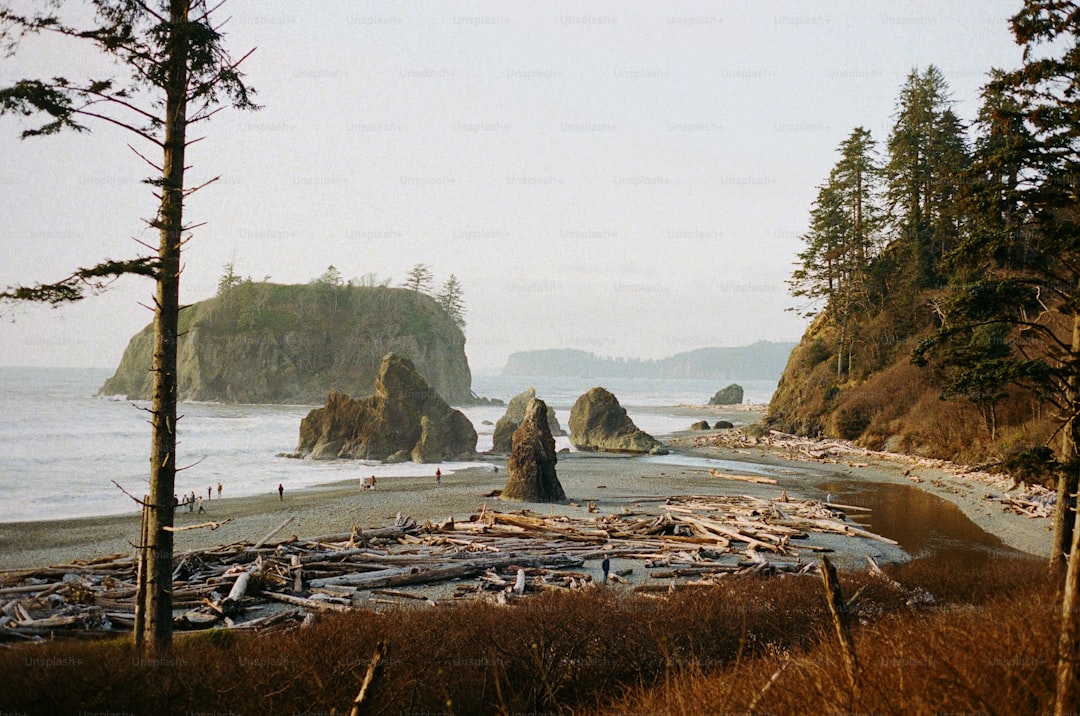
Exploring the Rugged Beauty of British Columbia and the Pacific Northwest
When you start driving north from the Pacific Northwest into British Columbia, you can really feel the shift in the air; it gets heavier, wilder, and somehow more ancient. I’ve spent a lot of time looking at the maps and the data behind these landscapes, and it’s honestly easy to see why this corridor draws so many of us in. You’re looking at a stretch of planet that balances the immense, violent history of the Cascadia Subduction Zone with the quiet, persistent life of the Great Bear Rainforest. It’s not just about the scenery, though that’s obviously a huge part of the draw. It’s about the sheer scale of the geology here, from the massive lava flows of the Columbia River Basalt Group to the fjord systems carved two thousand feet deep by retreating ice sheets.
If you’re planning a trip, you have to appreciate the climatic extremes that make this region so unpredictable and rewarding. Think about the Hoh Rainforest in Washington, which pulls in 140 inches of rain every year, sitting only a few hours away from the bizarre, arid rain shadows like Sequim. You’re essentially driving through different geological epochs; one minute you’re standing in the shadow of 380-foot coastal redwoods, and the next you’re looking at fossil beds in the Burgess Shale that predate almost everything else we know about life on Earth. It’s wild to think that while you’re out there hiking, you’re often crossing paths with rare ecosystems like those of the Kermode bear or the distinct populations of Bigg’s killer whales.
Honestly, the best way to approach this is to stop trying to see it all at once. The market for travel here is shifting toward these slower, more intentional routes where you can actually sit with the environment rather than just checking off landmarks. Whether you’re stopping in a quiet coastal town or checking out the seasonal shifts in the mountains, you’ll find that the region is less of a tourist destination and more of a living, breathing laboratory. I’d suggest picking one micro-region—maybe the inlets near the Coast Mountains—and really letting yourself get a sense of how the land is still physically moving and changing. It’s not always comfortable, and the weather is definitely going to test your gear, but that’s exactly why it feels so authentic compared to the typical resort vacation.
Iconic Coastal Drives: From Highway 1 to the Pacific Coast Highway
When we talk about the ultimate road trip, most of us immediately picture the Pacific Coast Highway, and frankly, I think that reputation is entirely earned. But what I find fascinating as someone who looks at the data is just how precarious this entire route actually is. You see, that stretch of Highway 1 through Big Sur isn’t just a scenic drive; it’s a constant battle between human engineering and the Santa Lucia Range, a mountain chain that rises over 5,000 feet in just three miles. The geology here is notoriously unstable because the Franciscan Assemblage—the very bedrock of this coast—is essentially a shattered puzzle of seafloor rocks that lose all structural integrity the moment they get soaked by winter rains. That’s why we’ve seen those years-long closures that have left so many travelers frustrated, though the recent full reopening in 2026 feels like a genuine win for anyone who loves the open road.
I’ve been digging into the logistics of these repairs, and it’s pretty wild how much tech goes into keeping this road clinging to the cliffs. During the latest restoration, engineers were using ground-penetrating radar to reinforce the pavement without accidentally destroying the sensitive underground water pathways that keep the whole ecosystem alive. It makes you realize that every mile you drive is really a balancing act between our desire to travel and the reality of a coastline that’s retreating by inches every year due to aggressive wave energy and tectonic pressure. When you’re cruising along, you’re essentially tracing the edge of a massive, living laboratory where the California Current keeps everything cool and foggy, which, by the way, is exactly why those rare Monterey cypress groves manage to survive in their narrow, coastal pockets.
And really, that’s the magic of it—the drive is so much more than just a commute between towns. If you time your trip right, you’re tracking alongside the northern migration of California gray whales, and it’s honestly surreal to look down from the cliffs and see them moving north just a few hundred yards off the shore. You’ve also got the elephant seal rookery near Piedras Blancas, which is a massive success story since the population was nearly wiped out a century ago. When I think about the iconic Bixby Creek Bridge, rising 260 feet above the canyon, I don't just see a landmark; I see a 1932 engineering marvel that somehow still fits perfectly into that rugged, vertical landscape. If you’re planning to go, don’t just rush through it; try to find those quiet spots where the maritime chaparral meets the ocean, because that’s where you’ll actually feel the scale of what we’re dealing with here.
California’s Must-Visit Destinations: Redwoods, Wine Country, and Beyond
When we start looking at the sheer variety of California’s terrain, it’s honestly easy to get overwhelmed by the options, but there’s a real logic to how these landscapes hang together. Think about the way the coastal redwoods function as a massive fog-harvesting machine; those trees are actually pulling up to 40 percent of their water directly from the marine layer, which is a wild adaptation when you consider they’re essentially keeping the entire forest alive during those parched summer months. Beyond just the scenery, these groves act as arguably the most efficient carbon sinks on the planet, sequestering more carbon per acre than almost any other terrestrial ecosystem we’ve got. It’s fascinating to walk through them knowing that a complex, invisible network of mycorrhizal fungi is running beneath your feet, allowing the trees to trade nutrients and signal danger in a way that keeps the whole colony standing. And if you’re looking at the broader scale, the new Great Redwood Trail project is turning 320 miles of old, abandoned rail lines into a path that’ll one day stretch all the way from the Bay Area up to Humboldt Bay, giving us a way to see this ecosystem without tearing it apart.
But then you pivot just a bit inland toward the wine country, and the shift in both the geology and the air is just as extreme. You’ve got places like the Petaluma Gap where the wind tunnels and those wild, 40-degree temperature swings between day and night aren’t just weather—they’re the exact reason those high-end Pinot Noirs have such a sharp, preserved acidity. It’s all about the interplay between the Pacific’s natural air conditioning and the volcanic soils from the Pliocene epoch that give the Napa Valley its specific, mineral-heavy flavor profiles. The Russian River adds another layer to this, acting as a thermal buffer that shields the vines from the worst of the heat during the day, which is why you’ll often find such a delicate balance in the fruit coming off these hills. Honestly, comparing the two, you see how much of our travel experience is dictated by these invisible, massive climate forces that we usually ignore when we're just checking into a hotel.
If you’re planning to hit both on one trip, my advice is to stop seeing them as separate checklists and start seeing them as two sides of the same coastal coin. You’ve got the marbled murrelet, a bird that’s so picky it’ll only nest in the mossy platforms of old-growth canopies 200 feet up, sharing the same general air as the grapes growing just a few valleys over. It’s pretty cool how those logging roads that used to choke salmon streams are finally being removed, effectively cleaning up the water and resetting the balance for the whole region. I’m not saying you have to be a geologist to enjoy a glass of wine or a hike through the ferns, but it definitely changes the mood when you realize the land beneath you is this living, breathing system that’s been shifting for millions of years. Just try to find those pockets where the climate feels most intense—whether that’s the deep shade of a fairy ring in the redwoods or the cool, foggy sunrise over a vineyard—because that’s where you really start to get a sense of why this place feels so different from anywhere else.
Hidden Gems and Secret Spots: Uncovering the West Coast’s Best-Kept Secrets
If you're anything like me, you’ve probably realized that the most memorable parts of a West Coast road trip aren't the ones you find on a postcard, but the ones you stumble upon when the GPS loses signal. There is a specific kind of thrill in trading the crowded overlooks for places like Fort Bragg’s Glass Beach, where decades of wave action have turned a former municipal dump into a shore of smooth, sea-polished jewels. It’s a strange, beautiful reminder of how nature can reclaim and refine even our most industrial mistakes. I find myself constantly drawn to these spots because they feel like secrets the land is finally ready to share, provided you're willing to put in the miles to find them.
If you really want to understand the geology of this coast, you have to look closer at places like the Marble Mountains Wilderness, where the complex karst topography hides over 1,500 sinkholes and alpine caves that most tourists drive right past. Or think about the Mojave’s Bristol Dry Lake, a site so perfectly flat from natural evaporation that it’s actually used to calibrate satellite altimeters. These locations aren't just scenic; they are functional, living laboratories that offer a much deeper look into how our planet actually works. I honestly think that once you start seeing the landscape as a series of these interconnected, hidden systems, you stop being a spectator and start becoming a student of the terrain.
It’s just as fascinating to see how life adapts in these isolated pockets, like the island fox of the Channel Islands, which is a textbook case of rapid dwarf evolution that occurred in isolation over thousands of years. You see the same resilience in the rare, endemic flora of the Klamath Mountains, where plants have adapted to thrive in toxic ultramafic soils that would kill most other life. And if you’re ever near the Lassen Peak area, don't skip the Bumpass Hell hydrothermal site; the sheer density of boiling mud pots and fumaroles there is a stark, visceral reminder of the volcanic energy still pushing up beneath the surface. It’s easy to get caught up in the big-name landmarks, but there’s something incredibly grounding about standing in a place where the environment has been forced to get creative just to survive.
Ultimately, my advice is to prioritize these quiet, high-density anomalies over the typical resort stops. Whether it’s watching the bioluminescent plankton glow in Tomales Bay on a moonless night or exploring the subterranean world of the lava tubes in the Lava Beds National Monument, these experiences shift your perspective on what "travel" really means. You’re not just moving through space; you’re witnessing the intersection of deep time, biological adaptation, and even a bit of buried human history, like those old film sets hiding under the massive dunes at Guadalupe-Nipomo. So, slow down, pack an extra layer for those unpredictable microclimates, and don't be afraid to take the turnoff that doesn't show up on the main route.
Adventure from Baja to the Border: A Cross-Border Road Trip Itinerary
Transitioning from the orderly highways of the U.S. into the Baja Peninsula is less of a border crossing and more of a shift into a different biological and geological reality. When you head south from San Ysidro, you’re moving from one of the busiest transit zones on the planet directly into a rugged, tectonic landscape that’s been peeling away from the Mexican mainland for over 12 million years. The road infrastructure here demands your full attention; those narrow, shoulderless stretches are a far cry from the PCH, and you’ll need to adjust for the constant presence of livestock and unlit transport trucks that own the rhythm of the Transpeninsular Highway. It’s an environment that forces you to recalibrate your pace, especially as you realize the coastal fog is the only thing keeping the unique succulent forests of El Rosario alive in this arid, wind-swept corridor.
Think about the sheer scale of what you’re driving through as you head toward the Vizcaíno Desert, which hides the world’s largest cactus forest filled with 60-foot cardón giants. The biological isolation here has created evolutionary outliers, like the unique pronghorn antelope subspecies that exist only in these central high desert plains, a far cry from the ecosystems you just left behind in California. If you’re into the deeper history, the Sierra de San Francisco holds murals from 7,500 years ago that are tucked away in remote mountain ranges, putting our modern road-trip ambitions into a pretty humbling perspective. It’s a place where the geography—from the 10,000-foot peaks of the Sierra de San Pedro Mártir down to the nutrient-rich, marine-heavy waters of the Gulf of California—is still actively shaping the life around it.
Honestly, the real value of this route is seeing how the Californian and Sonoran phytogeographic zones collide right in front of you, creating a rare botanical overlap you won't find anywhere else. While the California condors are busy reclaiming the high peaks of the San Pedro Mártir, the Pacific lagoons are acting as a critical nursery for gray whales that have traveled thousands of miles to be there. I’d suggest you treat this not as a race to a destination, but as a slow-burn study of a living laboratory where the tectonic rifting that created the Gulf is still the primary driver of the local climate and biodiversity. Just keep your eyes on the road, respect the gear-testing nature of the terrain, and be ready for the fact that the most interesting things in Baja aren't found at the big resorts, but out in the quiet, dusty stretches where the desert meets the sea.
Tips for the Perfect West Coast Journey: Logistics, Timing, and Local Insights
When you're mapping out a trek across this much geography, you really have to stop thinking like a tourist and start thinking like a logistics manager. The first thing I always tell people is to respect the marine layer; it’s not just a bit of morning mist, but a massive weather system that can drop visibility to near zero on the Pacific Coast Highway in an instant, even if it’s blazing hot just a few miles inland. If you're planning on hitting the redwoods, try to time your visit to account for the fact that these trees are essentially massive fog-harvesting machines, pulling 40 percent of their water from the air during the dry season, which makes the early morning hours the best time to see them in their element.
But here’s the reality of the road itself: much of the coast, especially through Big Sur, sits on the Franciscan Assemblage, a chaotic geological melange that’s basically a shattered puzzle of rock. Because this terrain lacks structural cohesion, it’s prone to saturation-induced landslides, so always check local transportation updates before you head out, as even a minor seasonal storm can trigger closures that last for months. If you’re pushing into the wine country, you’ll want to time your transit through the Petaluma Gap carefully; that wind tunnel effect creates a 40-degree temperature swing that is brutal on your car’s cooling system if you aren't prepared, but it’s the exact reason the local Pinot Noir is so distinct.
When it comes to local insights, don't just stick to the main highways, because you’re missing out on some of the most stable, unique environments on the planet. I’ve always found that stopping at places like Bristol Dry Lake in the Mojave offers a perspective you just can’t get elsewhere, especially when you realize that space agencies use that exact spot to calibrate satellite altimeters because it’s one of the flattest, most geologically settled places we’ve got. It’s also worth remembering that as you move south into the Baja Peninsula, you’re dealing with a landscape that’s physically peeling away from the mainland, so keep a close eye on your fuel and supplies as you cross into more remote, tectonically active corridors where the infrastructure is, let’s say, a bit more rugged than what you're used to back home. Honestly, if you build in a bit of buffer time for these unpredictable natural variables, you’ll find the entire journey feels much less like a race and much more like a genuine, deep-dive into how this wild, shifting corner of the world actually functions.
Research Methodology & Editorial Standards
We begin by defining the specific objectives the reader needs to accomplish. Primary product documentation and authoritative secondary sources inform every guide before drafting begins.
Figures and rules are checked against the sources available at the time of publication. Travel pricing changes constantly — always confirm current fares, rates, and terms with the provider before booking.