
The Real Reason Flight Attendants Require You To Open Window Shades During Takeoff and Landing
From what I’ve seen in recent research, even a minor boost in environmental clarity during those first few seconds of an incident can drastically cut down total evacuation time.
The Critical Role of Visibility in Emergency Evacuations
When we talk about the mechanics of an emergency evacuation, it’s easy to focus on the plan itself, but honestly, none of that matters if you can’t actually see where you’re going. Think about it this way: the moment visibility drops below five meters, human movement slows by nearly half because we naturally hesitate when we lose our bearings. I’ve seen data suggesting that in smoke-filled environments, traditional, static exit signs often become completely useless. It’s a sobering reality that when people can’t see, they tend to panic or, worse, blindly follow the crowd into a bottleneck, a behavior we often call the herding effect.
That’s why the shift toward smart, adaptive emergency lighting is such a big deal. Instead of relying on a static sign that might be obscured by smoke, modern systems now use sensor-driven intelligence to adjust light intensity in real time. I’m particularly interested in how these dynamic, moving light indicators actually guide people more effectively than traditional methods. When you’re in a high-density building, like a university dorm or a crowded transit hub, these systems can literally carve out a path, steering you away from hazards you might not even realize are there.
And we can’t overlook the physical markers, either, like high-contrast photoluminescent strips that stay visible even when the power grid fails completely. It sounds simple, but these high-visibility cues act as a reliable fallback when the tech gets complicated. From what I’ve seen in recent research, even a minor boost in environmental clarity during those first few seconds of an incident can drastically cut down total evacuation time. It’s really about giving your brain the visual data it needs to make logical decisions rather than falling into the traps of confusion and congestion.
Why Flight Attendants Need a Clear View of Outside Conditions
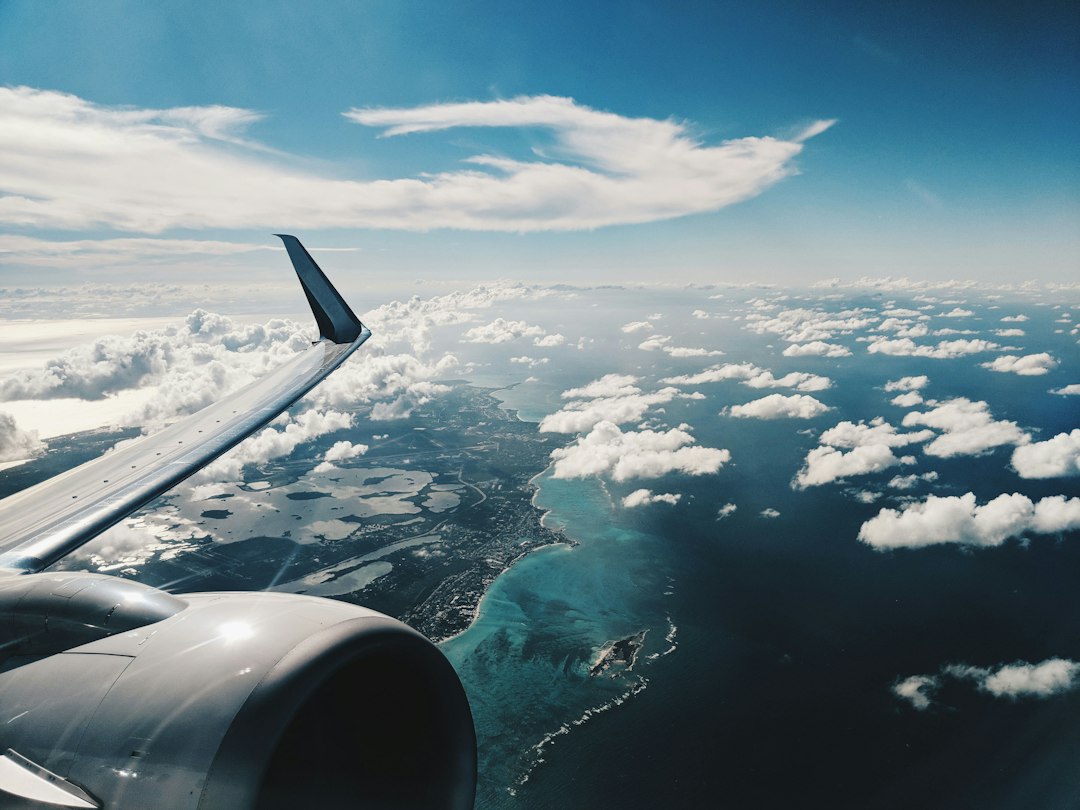
You know, we often think of those window shades as just a way to catch a better view of the clouds or to keep the sun out of our eyes while we catch a nap, but they actually serve a much more serious purpose for the people looking after our safety. When you’re sitting there, it’s easy to forget that flight attendants are constantly processing a massive amount of environmental data, and having a clear view of the outside is one of their most effective tools for monitoring the aircraft's health. Think about it this way: if an engine starts acting up, it’s often visible from the cabin long before the cockpit sensors even register an alert. By keeping those shades up, the crew can instantly spot fire or mechanical issues, giving them those few extra seconds that make all the difference in an emergency.
I’ve spent a lot of time digging into the operational side of aviation, and it’s fascinating how much reliance there is on simple, analog visual checks. Take those little black triangles you see on the cabin wall; they aren't just aesthetic, they’re specific markers that show the crew exactly where they need to stand to get the best vantage point of the wings and flaps. From these spots, they can quickly confirm if there’s structural damage, ice buildup, or even just a fluid leak that might have gone unnoticed by the instruments upfront. It’s a bit like a manual backup system, where human eyes verify what the tech might miss, ensuring that if something is wrong, they catch it before it turns into a real disaster.
But beyond just looking for mechanical trouble, there’s the whole issue of managing the flow of passengers during an evacuation. If the flight attendants need to deploy the slides, they have to be absolutely certain the area outside is safe, meaning they’re scanning for fire, debris, or even water hazards that would make one exit way more dangerous than another. They use that exterior view to decide which side is compromised so they can effectively redirect everyone toward the safer exits. Plus, there’s the practical benefit of light adjustment, as keeping the shades open helps our eyes acclimate to the ambient light outside, which is a massive help if we suddenly have to transition from the cabin to the tarmac in a hurry. It’s a simple, low-tech way to keep the cabin safe, and honestly, it’s probably one of the most underrated safety protocols we have.
How Open Shades Assist Rescue Crews During Ground Incidents
When you think about a ground incident, it’s easy to picture the chaos of the cabin, but we have to consider the perspective of the rescue crews trying to get inside. Those open shades act as massive, natural observation ports that allow responders to perform a rapid, life-saving triage from the exterior before they even touch a door. By looking through the windows, they can instantly identify the severity of a fire based on the smoke density or see if the cabin layout is blocked by debris. It’s essentially a way for them to map out the interior while they’re still on the tarmac, helping them decide which exit is actually safe to use.
This transparency also solves one of the biggest logistical headaches during an emergency: the transition between light and dark. You know that moment when you step from a bright day into a dark room and can’t see a thing? For rescue workers, that split-second of blindness is a massive liability, but having consistent ambient light pouring in from the windows helps keep their vision adjusted. It also lets them signal directly to passengers with high-intensity beams, which is a surprisingly effective way to calm a panicked crowd. If the power systems on the aircraft have failed, this natural light is often the only thing giving them a clear look at where people are located.
Ultimately, this is about shaving off precious seconds that can be the difference between a controlled exit and a total nightmare. When crews can see through the fuselage, they can verify if passengers are conscious or moving, which completely changes how they prioritize their rescue efforts. It effectively turns the entire side of the plane into a series of monitoring stations, allowing for a much better coordination between the teams outside and the crew inside. It’s a low-tech, passive safety measure, but when you look at the data on egress efficiency, it’s clear that keeping those windows clear is one of the smartest protocols we have.
The Rapid Assessment: Helping Cabin Crew Make Split-Second Decisions
You might think that making a high-stakes call in an emergency comes down to pure adrenaline, but it’s actually a fascinating exercise in biological and digital engineering. Researchers are now looking at how insect brains, specifically those of honeybees, manage high-speed navigation without wasting energy, and we're applying those same lessons to cabin safety. It turns out that peripheral motion detection is a massive advantage here, allowing flight attendants to spot hazards in their line of sight without having to consciously focus on every single detail. By training crews to use these natural neural shortcuts, we’re essentially helping them bypass the slower, analytical parts of the brain that tend to stall when things get chaotic.
We’re also seeing a massive shift toward using digital twin technology to bridge the gap between classroom theory and real-world panic. Airlines are building high-fidelity virtual reality environments where crews can run through evacuation scenarios until their responses move from being conscious choices to pure muscle memory. These simulations track eye-gaze patterns to ensure that staff are scanning the right high-risk areas instead of getting fixated on the wrong things, which is a classic trap during high-stress events. It’s pretty wild to think that by simply mapping these physical behaviors, we can shave off precious seconds that, in a real emergency, would be the difference between a safe exit and a total disaster.
When you really get down to it, this whole rapid assessment framework is about training the brain to ignore the noise and focus on what actually matters. Think of it like a pro athlete reading the field; they aren't looking at every single player, but rather using predictive modeling to see where the play is going before it even develops. We’re embedding that same logic into our flight crews, using fixed markers like those window triangles to ground them and help them synthesize external fire, smoke, and passenger flow almost instantly. It’s a shift from just reacting to a problem to proactively managing uncertainty, and honestly, knowing that there’s this much research going into these split-second decisions makes me feel a whole lot better about flying.
Why Natural Light is Essential During Cabin Power Failures
When we’re talking about cabin power failures, we often fixate on the gear, but I think we really need to look at how our own biology dictates our ability to survive. Honestly, the most reliable tool we have isn't a battery or a backup generator; it’s the natural light pouring in through those windows. When the lights go out, your eyes go through a messy transition called mesopic vision, where they struggle to switch from color-focused cones to light-sensitive rods. Without natural light to bridge that gap, you’re left in a sensory deficit that slows down your reaction time just when you need it most.
Think about it this way: your body is wired to respond to daylight by releasing cortisol, which actually sharpens your cognitive processing by about 15 percent in high-stress moments. If you’re trapped in a dark, enclosed cabin, your brain starts producing melatonin instead, which is basically the last thing you want when you need to be alert and moving. Natural light acts as a passive visual anchor, helping you map out where you are in the fuselage so you don't fall into the common trap of spatial disorientation. It keeps your depth perception intact, which is vital for spotting obstacles in the aisles that might be hidden in the harsh shadows of dim, flickering emergency lights.
And it’s not just about what you see; it’s about how your brain handles the chaos. Natural light provides a high color rendering index, meaning you can actually distinguish between red hazard warnings and safety gear—a detail that’s almost impossible under the monochromatic gloom of a failing electrical system. By keeping your pupils slightly constricted, that ambient daylight also prevents the blinding glare sensitivity that hits you the second you move from a dark cabin out onto the tarmac. It really is a low-tech, high-impact safety feature that helps keep your nervous system from spiraling into a full-blown panic response.
Understanding the Global Safety Protocols Set by Aviation Authorities
When you start looking at the sheer volume of data driving modern aviation, it’s honestly wild how much of it is built on a century of lessons learned the hard way. We’re moving past the era of just reacting to mid-air mechanical failures and into a space where predictive models actually catch risks before they ever manifest into an incident. It’s not just about the big stuff like engine maintenance; it’s about granular, real-world issues like the specific power limits on your lithium-ion battery packs to stop fires from starting in a pressurized cabin. From what I’ve gathered, authorities are working overtime to harmonize these rules across borders, so that whether you’re flying a legacy carrier or a low-cost startup, the protocols for emergency triage and passenger safety remain consistent.
Think about how these rules filter down to your own experience, like those new health screening guidelines or the way airlines are now using airport testbeds to vet next-generation propulsion tech. It’s all about maintaining that same high standard of safety as we shift to new, greener hardware. Researchers are even using virtual reality to train crews until their response to an emergency door operation is basically muscle memory, which is a massive leap from the old-school classroom training we used to rely on. By using high-fidelity data to simulate everything from turbulence-related injuries during meal service to how passengers move through a cabin in smoke, they’re effectively rewriting the book on what it means to be safe at 35,000 feet.
It’s really about cutting through the noise and reducing the cognitive load on both the crew and you, the passenger, during a crisis. We’re seeing standardized, automated cockpit alerts and even specific linguistic structures for emergency instructions, all designed to make sure that when things go sideways, the communication is clear and impossible to misinterpret. Honestly, knowing that there’s this level of biomechanical research and computational modeling behind every flight makes me feel a lot better about the industry’s trajectory. It’s a shift toward proactive, standardized safety that turns the entire cabin into a highly managed environment, ensuring that we aren't just crossing our fingers, but relying on a system that’s been stress-tested by the best data we have.
Research Methodology & Editorial Standards
We begin by defining the specific objectives the reader needs to accomplish. Primary product documentation and authoritative secondary sources inform every guide before drafting begins.
Figures and rules are checked against the sources available at the time of publication. Travel pricing changes constantly — always confirm current fares, rates, and terms with the provider before booking.