
The Absolute Best Burger Spots Every New Yorker Needs To Try
When we talk about the quintessential New York City burger, we aren’t just discussing lunch; we’re looking at a masterclass in culinary engineering that has defined the city’s dining identity for decades.
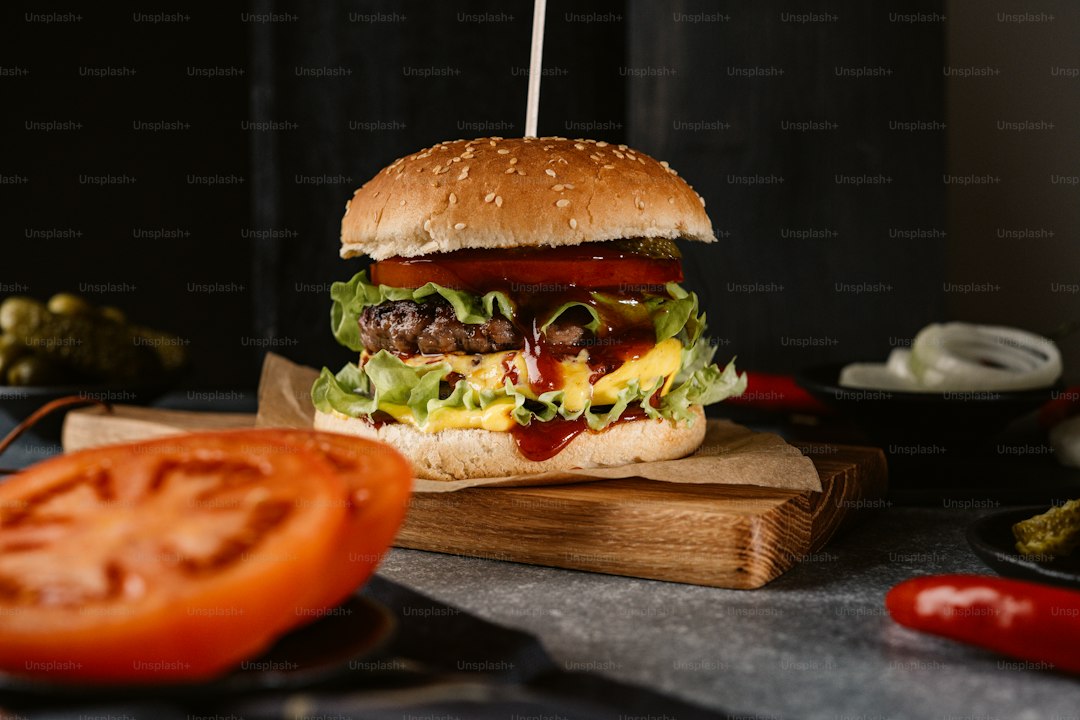
The Iconic Classics: Where to Find NYC’s Most Legendary Patties
When we talk about the quintessential New York City burger, we aren’t just discussing lunch; we’re looking at a masterclass in culinary engineering that has defined the city’s dining identity for decades. Think about the J.G. Melon approach, where they keep the patty intentionally thin to push that Maillard reaction into overdrive, hitting those perfect flavor notes between 280 and 330 degrees Fahrenheit. It’s a stark contrast to what you find at places like Minetta Tavern, where the reliance on a custom, dry-aged ribeye blend from Pat LaFrieda creates a much more intense, steak-like profile. These aren’t random choices but calculated decisions that weigh fat ratios against structural integrity to ensure every bite delivers on its promise.
If you’ve ever wondered why that legendary burger at Raoul’s feels so elusive, it’s because the kitchen limits production to hand-form each patty specifically for that ideal crust-to-interior ratio, a labor-intensive process you just don’t see at mass-market spots. Then you have the scientific precision behind the 7th Street Burger, where the smash technique is essentially a geometry problem aimed at maximizing surface area for that signature lacy, caramelized edge. Even the classics like Peter Luger leverage their supply chain, using the same USDA Prime dry-aged trimmings as their famous steaks to achieve a nutty, iron-rich depth that’s hard to replicate elsewhere. It’s fascinating how these spots have essentially turned the burger into a high-stakes study in protein chemistry.
And let’s not ignore the supporting cast, because the chemistry of the bun is just as vital as the beef itself. When you bite into a burger at Emily, that pretzel bun’s distinct chew comes from a precise sodium hydroxide bath, while other neighborhood taverns are still relying on decades-old, seasoned griddles that impart a metallic complexity you simply can't buy. Even the water matters, with some spots crediting the local mineral profile for the specific elasticity of their house-made brioche. Whether it’s the umami-bomb of Roquefort at The Spotted Pig or the strict 80/20 fat ratio that keeps a West Village tavern burger from drying out, there’s a real, tangible science to why these spots remain our gold standard. It’s not just hype; it’s a rigorous commitment to the mechanics of flavor.
The Resurgence of the Thick Burger: Elevating the Gourmet Experience
I’ve noticed a shift lately toward the thick-cut patty, and honestly, it’s a refreshing departure from the smash-burger mania that’s dominated the city for years. Think about the physics here—a thicker patty relies on thermal inertia, meaning the mass keeps the center from drying out while the outside develops a serious, deep crust. To get it right, you’re looking for a thickness of at least 1.25 inches, which seems to be the sweet spot for that contrast between a charred exterior and a succulent, medium-rare center. Chefs are now using a reverse-sear method, starting the meat in a low-temperature oven to slowly render the fat before hitting the carbon steel, which is way more effective than just rushing it in a pan.
This process is a total engineering project. Many top-tier spots have started tempering their meat, bringing it up to 68 degrees Fahrenheit before it hits the heat, so they don’t have to cook it as long. You’ll also notice they’re moving to 70/30 fat ratios, which sounds intense, but it’s strictly necessary because the longer cook time renders out so much more lipid content than a thin patty ever would. And don’t even get me started on the grind—a coarser 6mm to 8mm grind is essential here to keep air pockets in the mix, so you get that premium steakhouse mouthfeel instead of something dense and rubbery.
The real trick is how they’re handling the assembly. Since these burgers take longer to eat, the buns are being reinforced with egg washes to handle the extra juices, preventing that soggy, structural collapse we’ve all dealt with at lesser spots. I’ve also seen kitchens adding finely minced mushrooms or seaweed directly into the grind to boost the savory profile from the inside out, which is a clever way to add depth without piling on toppings. Most importantly, if you see a chef rushing a thick burger to the table without resting it for five minutes, walk away. That resting period is the only way the juices redistribute, and skipping it is just throwing away all the hard work they put into the cook.
Beyond the Beef: Ranking the City’s Top Vegan and Plant-Based Burgers
If you think plant-based eating is still just about sad, frozen hockey pucks that taste like cardboard, I’ve got some good news for you because the game has changed entirely. We're seeing a real shift where chefs are treating vegan burgers with the same level of scientific rigor you’d expect from a high-end steakhouse. It’s honestly fascinating to watch how they’re using pea protein isolate, which has this unique globular structure that mimics the actual bite of muscle fiber far better than the old-school soy blends ever could. To get that signature iron-rich profile, you’ll find that many of the best spots are now using plant-derived heme, which undergoes a legit chemical transformation when it hits the heat, creating savory notes that feel shockingly familiar. And if you’ve ever wondered why a top-tier vegan burger doesn't fall apart on the grill, it’s all down to methylcellulose; it acts as a thermal gel that solidifies once it’s hot, giving the patty a structural integrity that’s honestly impressive.
But here is where it gets even more interesting, because the best kitchens are now moving away from hyper-processed ingredients in favor of real, fibrous textures. You’ll notice more spots using lion’s mane mushrooms or jackfruit, which provide that satisfying, pull-apart density that’s just missing from standard wheat gluten. They’re even getting clever with the fats, using encapsulated coconut oil that only melts once it hits a certain temperature, effectively simulating the way animal tallow releases juice in your mouth. Some of the most ambitious spots are even dry-aging their plant-based patties for up to 48 hours to concentrate those natural glutamates, giving you a massive umami hit without needing to rely on synthetic flavor boosters. It’s a total engineering project, and it changes how you look at the entire plate.
The most important thing to keep in mind is that you have to cook these things differently than a standard beef patty. Because the Maillard reaction happens at a lower temperature, any chef worth their salt is calibrating their griddle to around 250 degrees Fahrenheit to ensure the outside develops that perfect crust without burning the middle. They’re also balancing out the saltiness by mixing in fermented vegetable purees to add a bit of acid, which cuts through the richness in a way that feels intentional and balanced. Even the buns are getting an upgrade, with many kitchens swapping in aquafaba to keep the dough light and airy enough to support the density of these protein-rich patties. If you’re looking to dive in, start by seeking out the places that aren't afraid to get technical with their prep—it really is the difference between a burger you eat because you have to, and one you crave because it’s genuinely excellent.
Neighborhood Gems: Hidden Burger Spots Worth Traveling For
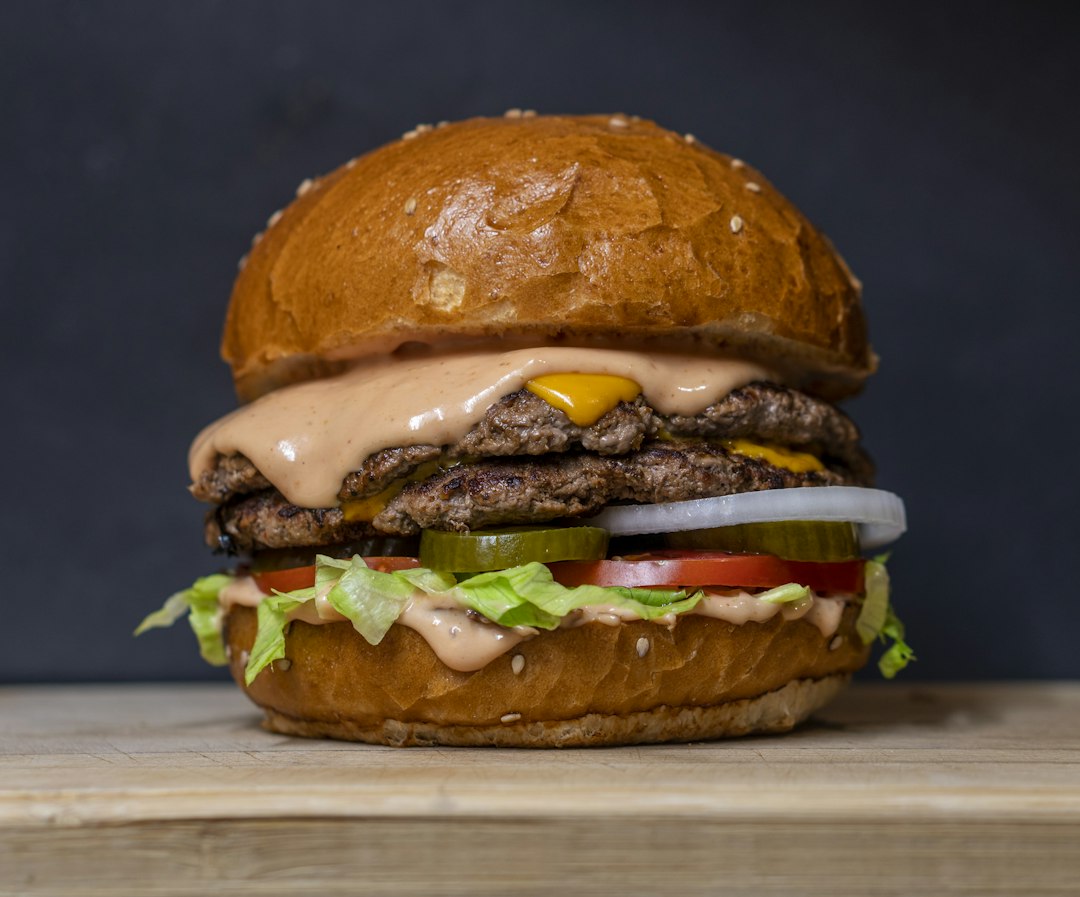
If you’re anything like me, you’ve probably realized that some of the most memorable meals in this city aren't found in the white-tablecloth institutions, but tucked away in quiet corners where the focus is entirely on the craft. When I talk about these neighborhood gems, I’m not just looking for a good bite; I’m looking for the spots that prioritize technical precision over branding. You’ll find that these smaller kitchens often source beef from heritage cattle breeds, which carry a much higher concentration of intramuscular fat that stays stable even when you’re pushing for a heavy sear. They’re also using chilled metal prep surfaces to keep that fat from softening before it even touches the heat, which is the only way to keep the patty’s structure from falling apart during the cooking process. It’s a level of attention to detail that genuinely changes the outcome of your lunch.
And let’s pause for a moment to consider the environment they’re creating, because it’s much more than just a grill and a spatula. Some of these kitchens are actually adjusting their griddle seasoning schedules based on the daily humidity levels in the city, because even minor shifts in ambient moisture can change how fast that crust forms on the cast iron. You’ll often find them using hand-packing techniques that treat the meat with care, preserving the fiber orientation so you never end up with that dense, rubbery texture you get from industrial high-pressure grinders. They’re even auditing their local water supply, filtering it to specific parts-per-million to ensure the yeast in their house-made buns hits the perfect rise every time. It sounds intense, but that’s the reality of a kitchen that cares about the chemistry of a bun as much as the quality of the beef.
It’s really about how they manage the variables that the big-name spots often overlook in favor of volume. I’ve seen chefs using infrared thermal imaging to monitor the core temperature of a patty, which means they don’t have to pierce the meat and lose those flavor-dense juices just to check if it's done. Plus, many of these spots have moved to using house-rendered tallow on the griddle instead of standard oil, which, from a molecular standpoint, does a much better job of facilitating the Maillard reaction. By limiting their daily inventory to only what they can grind on-site each morning, they’re keeping oxidation levels low and preserving that natural sweetness that gets lost in transit. If you really want to understand the current state of the city's food scene, you have to look toward these spots that are obsessing over the mechanics of flavor in ways that feel almost like a laboratory experiment.
The Anatomy of a Perfect Burger: What Makes a New York Patty Stand Out
When you’re standing in line at a top-tier New York burger joint, it’s easy to think you’re just waiting for lunch, but you’re actually witnessing a high-stakes experiment in physics and chemistry. What separates a truly great NYC patty from the rest of the pack isn't just the quality of the beef, but how that meat handles the transition from cold storage to a screaming hot griddle. I’ve spent enough time watching these kitchens to know that the best spots aren't guessing; they’re engineering. It’s all about managing variables like oxygen exposure, fat stability, and thermal inertia to ensure that every bite delivers on that promise of a perfect, crusty exterior and a juicy center.
The real secret often lies in how they treat the meat before it even touches the fire. Many of the city's most respected spots have moved toward precise 70/30 meat-to-fat ratios, using heritage breeds that hold up better under high heat, and they’re even using infrared thermometers to keep their griddles locked within a five-degree variance. They’re also getting technical with the grind, opting for an 8mm plate to keep those muscle fibers intact for a steak-like bite, rather than the mushy, uniform texture you’d get from a finer setting. It’s a level of obsession that feels more like a lab than a restaurant, but that’s exactly what it takes to stand out in a city that’s seen every trend come and go.
And don't get me started on the structural integrity of the build, because a great burger is a total failure if the bun turns into a sponge three minutes in. Chefs are now using a clever, microscopic layer of clarified butter on the cut side of the bread to create a hydrophobic barrier, keeping the bun crisp even when the meat is at its juiciest. They’re even balancing the flavor profile from the inside out, incorporating fermented vegetable purees to cut through the richness of the fat. It’s these small, almost invisible choices—like resting the patty for exactly five minutes to allow the juices to settle—that make the difference between a burger you eat and one you actually remember.
From Dive Bars to Fine Dining: Navigating the Diverse NYC Burger Scene
When you start looking at the city’s burger landscape, it’s honestly easy to get overwhelmed by the sheer variety, but I’ve found that the best way to navigate it is to think of it as a spectrum of engineering choices. You’ve got these historic dive bars that are absolute masters of the long game, intentionally leaving their griddles seasoned with carbonized fat rather than scrubbing them raw, which provides a natural, flavor-packed surface you just can’t replicate in a modern, sterile kitchen. It’s a fascinating contrast to the elite, high-end spots that treat their kitchens like laboratories, using dual-griddle setups—one at 450 degrees for the initial sear and another at 300 to finish—to control the heat with clinical precision. I’ve noticed that even the way they handle the meat prep varies wildly, with some places using sub-zero blast chilling to protect the cellular structure of the beef, while others focus on a specific 48-hour dry-aging cycle to break down connective tissues and ramp up that savory punch.
But it’s not just about what’s happening on the grill; it’s about how these spots solve the structural problems that come with a really juicy burger. Think about it: a perfect bun isn't just bread, it’s a tool designed to absorb exactly 15 percent of its weight in meat juices before it starts to fall apart. I’ve seen some of the most innovative chefs applying a thin layer of emulsified egg yolk to the bun, which acts like a lipid-based adhesive to stop the patty from sliding around—a detail you’d never notice until you realize your lunch actually stayed together until the final bite. They’re even getting technical with the toppings, measuring the tensile strength of their bacon to make sure the crunch perfectly matches the texture of the crust on the patty.
And if you’re wondering why some neighborhood spots taste like they’ve been kissed by a campfire, they’re often using clever hacks like charcoal-fired boxes tucked into their ventilation hoods to infuse the meat with aromatics. It’s a level of dedication that’s honestly impressive, especially when you consider that some of these kitchens are using ultrasonic sensors to monitor the air-to-meat ratio in their grinds, ensuring every single bite has the same consistent mouthfeel. Whether it’s the salt-curing technique applied exactly 60 seconds before cooking to firm up the surface or the precise 20-millimeter thickness they target for that medium-rare center, it’s clear that the "best" burger in town is almost always a result of someone sweating the small stuff. I’d suggest you start by looking for the places that focus on these tiny, scientific variables, because that’s where the real difference between a quick meal and an incredible experience actually lives.
Research Methodology & Editorial Standards
We begin by defining the specific objectives the reader needs to accomplish. Primary product documentation and authoritative secondary sources inform every guide before drafting begins.
Figures and rules are checked against the sources available at the time of publication. Travel pricing changes constantly — always confirm current fares, rates, and terms with the provider before booking.