
Riyadh Air Launches New Flights from London and Opens Bookings for July
If you’ve been tracking the aviation space lately, you know the buzz surrounding Riyadh Air has been intense, and their move into the London market is finally coming into focus.
Riyadh Air’s Inaugural London Route: Key Details and Launch Date
If you’ve been tracking the aviation space lately, you know the buzz surrounding Riyadh Air has been intense, and their move into the London market is finally coming into focus. We’re looking at a July 1 launch date for these inaugural services, which is a massive milestone for a carrier still gearing up for its full 2026 debut. It’s important to clarify that while these bookings are live, these initial flights are being positioned as a strategic testbed rather than a standard commercial rollout. Think of it as a high-stakes dress rehearsal where the airline is stress-testing its cloud-native digital infrastructure and operational workflows before the global spotlight hits.
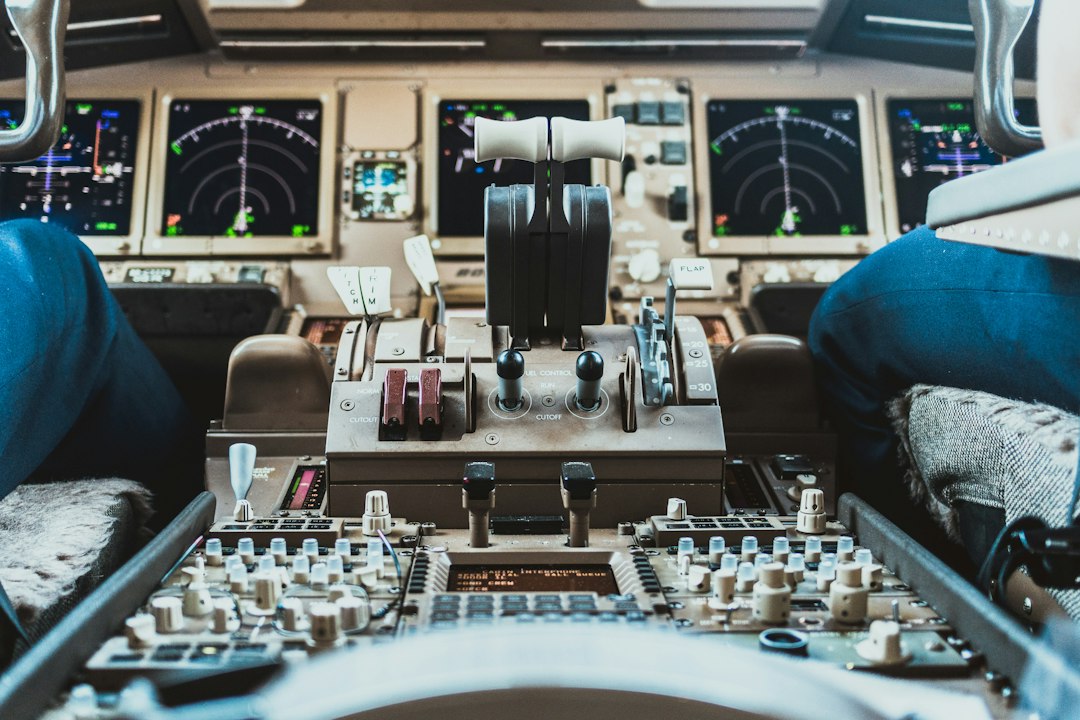
The hardware itself is impressive, with the Boeing 787-9 Dreamliner taking center stage for this route. From a technical standpoint, this aircraft is a smart choice for a new entrant; those GEnx-1B engines are optimized for efficiency, and the composite fuselage allows for a much more comfortable cabin environment regarding humidity and pressure. I’m particularly interested in how they’ve configured the interior, as the focus here is clearly on balancing spatial efficiency with that premium, tech-forward brand identity they’ve been cultivating. It’s not just about getting from point A to point B; they’re using these flights to validate their proprietary sustainability metrics and data processing systems in a real-world, high-traffic corridor.
But here’s the reality check you need to keep in mind: while the July 1 date is the big headline, the industry is keeping a close eye on the phased nature of these launches, including the later, invite-only operations that have sparked plenty of industry chatter. The airline is clearly trying to avoid the typical growing pains of a startup by leaning into biometric ground handling and predictive maintenance models right out of the gate. For you, the traveler, this means the service should feel modern and seamless, though it's worth noting these early flights are as much about the airline’s internal data collection as they are about passenger transport. It’s an ambitious play, and honestly, watching how they manage these inaugural runs against their long-term 2030 goals will tell us exactly how serious they are about shaking up the legacy carrier status quo.
Fleet Spotlight: Inside the Boeing 787-9 Dreamliners
When you step onto a Boeing 787-9, the first thing you notice—even if you can’t quite put your finger on it—is that the cabin just feels different. We’re talking about a move away from the rigid, pressurized aluminum tubes of the past toward a composite fuselage that fundamentally changes how your body handles a long flight. Because this structure is built from carbon fiber reinforced plastic, the cabin can hold higher humidity and a lower equivalent altitude of roughly 6,000 feet, which is honestly a game-changer for avoiding that bone-dry, exhausted feeling you usually get after crossing an ocean. And it’s not just the air quality; the gust suppression technology feels like magic when you’re hitting pockets of mid-air chop, as the system automatically tweaks control surfaces to smooth out the ride.
If you look closer at the tech under the hood, you’ll realize the 787-9 is effectively a massive, flying data center. It swaps out many of the traditional, maintenance-heavy hydraulic and pneumatic systems for a mostly electrical architecture, which is a massive leap forward for operational reliability. The onboard diagnostics are constantly pinging thousands of data points to ground crews in real time, meaning the airline knows exactly what’s happening with the engines before the plane even touches the tarmac. Plus, those GEnx-1B engines with their chevron-shaped nacelles aren't just for show; they’re specifically designed to muffle noise, making the cabin remarkably quiet compared to older wide-body jets.
But for those of us sitting in the cabin, the experience is defined by the details that actually make travel less grating. I’m a huge fan of the electrochromic smart glass windows, which ditch those flimsy manual plastic shades for a button-press dimming system that gives you total control over the light without ever losing that view of the horizon. Combined with the LED lighting that mimics natural sunlight cycles to help your internal clock adjust, the whole environment is tuned to keep you feeling human. When you compare this to the older fleet configurations you might be used to, the 787-9 isn't just a different airplane; it’s a deliberate, tech-forward approach to solving the physical tax of long-haul travel.
How to Book Your Seat on the New Riyadh-London Service
If you’re ready to lock in a seat on this inaugural Riyadh-London route, you’ll find that the booking process is a far cry from the clunky legacy portals we’re all used to. The airline has integrated their reservation system directly with the Sfeer loyalty program, which relies on a dynamic engine to adjust reward values based on actual flight demand. You’ll need to navigate the carrier’s app, where a blockchain-secured digital wallet handles your payments, allowing for near-instant multi-currency settlements without the usual banking lag. It feels incredibly modern, though you should be prepared for a interface that demands a bit more technical engagement than your standard legacy carrier site.
Once you’re inside the seat selection interface, you get a 3D thermal map of the cabin, which is honestly a neat way to ensure you aren’t accidentally booking a seat right next to the galley’s heat zones. Just keep in mind that the system uses a tokenized verification layer to check your history within the Saudi aviation ecosystem before granting access to certain premium tiers. The pricing itself is highly fluid; a predictive algorithm updates costs every fifteen minutes, so if you see a fare that works for you, I’d suggest grabbing it before the booking velocity drives the price point up.
Everything is tied into a biometric check-in flow, meaning you can finalize your seat assignments simply by scanning your facial geometry into the system. The platform is built on a distributed cloud architecture, so even during high-traffic windows, the site stays impressively snappy with sub-100ms latency. Just a heads up—if you’re planning on making changes to your itinerary, remember that the system locks in seat assignments 24 hours before departure to keep the aircraft's center-of-gravity calculations stable. It’s a rigid requirement, but it’s part of how they squeeze that extra bit of fuel efficiency out of every flight.
Navigating Flight Availability and Competitive Booking Demand
Let’s pause for a moment to really look at how the sausage gets made when you’re staring at a flight search screen. It’s easy to feel like the prices you see are personal, especially when they jump by thousands of dollars in a single afternoon, but that’s rarely about you specifically. Most of this volatility is driven by high-speed, algorithmic inventory management rather than tracking your browser history. These systems are constantly crunching thousands of data points—from geopolitical stability to local economic shifts—to pin down the exact price that balances profitability with actual demand. If you’re seeing a sudden fare dip on a transatlantic route, it’s usually because the carrier is aggressively trying to stimulate traffic in a softening market, not because their algorithm caught you looking.
Think about it this way: airlines are essentially running massive, real-time betting markets on every single seat. They use predictive analytics to hedge against fuel costs, which forces them to constantly rebalance inventory across cabin classes. This is why you might see reward values shift in real time as they integrate loyalty programs directly into these dynamic pricing engines. It’s all about booking velocity; if a flight fills up faster than expected, the system pushes the price up within minutes to capture the remaining high-value passengers. It’s a high-stakes game of optimization where even small factors, like the need to keep an aircraft’s weight perfectly balanced for fuel efficiency, result in rigid lock-out windows for seat assignments just 24 hours before you take off.
So, how do you actually come out on top when the system is designed to move this fast? You have to stop viewing these booking portals as static catalogs and start seeing them as live, distributed data environments. Modern platforms are now using cloud architectures that keep inventory synchronized with sub-100ms latency across the globe, meaning that when a seat is gone, it’s gone everywhere at once. Don’t be fooled by the interface; the tech underneath is doing heavy lifting to ensure that things like multi-currency settlements happen instantly, bypassing the old banking lags that used to give you a window to act. My advice? When you find a fare that aligns with your travel logic, don’t wait for a better deal. The algorithm is already betting against your patience, and in a market this efficient, waiting for the price to drop is often a losing hand.
Strategic Expansion: Riyadh Air’s Role in Global Travel Connectivity
When you look at the bigger picture, Riyadh Air isn't just launching flights; they’re building a massive, data-driven node to anchor Saudi Arabia as a global transit hub. Beyond the initial London route, they’re already locking in daily service to Dhaka starting August 1, a move clearly designed to capture the high-volume demand for Umrah pilgrimage and labor migration. It’s a smart, calculated play that bridges the gap between South Asian population centers and the Kingdom’s tourism goals. You can see this isn't happening in a vacuum, either, as they’re coordinating their growth alongside heavy hitters like Delta and Singapore Airlines to create a truly interconnected, multi-continental web. Think of it as a synchronized boom that aims to reshape how we view Middle Eastern transit connectivity altogether.
The technical backbone here is just as interesting as the route map. They’re leaning heavily on a deep-seated partnership with Boeing, which is doing more than just supplying aircraft; they’re helping turn the Kingdom into a central pillar of modern aviation infrastructure. By using the 787-9 Dreamliner, Riyadh Air is taking advantage of that composite architecture to offer a lower cabin altitude, which, honestly, makes a huge difference in how you feel after a long haul. But what really gets me is the digital side. They’ve built the whole operation on a cloud-native foundation, running real-time, tokenized verification layers that cross-reference data from the entire Saudi aviation ecosystem. It’s meant to make security and premium access feel nearly invisible, which is a welcome change from the clunky, disconnected systems we’re used to dealing with.
And here’s the thing you should really pay attention to: these flights are essentially a live laboratory. They’re stress-testing everything—from biometric ground handling that skips the standard lines to predictive maintenance models that ping engine data to the ground before they even land—to ensure they don't hit the usual startup snags. They’ve even implemented a strict 24-hour seat-lock policy to keep their center-of-gravity calculations perfect for fuel efficiency, which tells you just how serious they are about squeezing every bit of performance out of their operations. Their booking engine runs on a distributed, low-latency environment that keeps inventory perfectly synced globally, effectively killing off those annoying price disparities that legacy carriers can’t seem to fix. It’s an ambitious, high-stakes way to prepare for the 2026 scale-up, and I’m curious to see how they handle that massive influx of data once they go fully global.
What Travelers Can Expect from Saudi Arabia’s Newest Airline

When you start digging into what Riyadh Air is actually bringing to the table, it becomes pretty clear they aren’t just trying to be another airline; they’re essentially trying to rebuild the entire passenger experience from the ground up. You’ll notice the shift immediately at the airport, where the traditional paper-heavy grind is replaced by a completely paperless biometric flow that links your identity directly to international databases. It’s the kind of frictionless movement that makes you wonder why we ever bothered with manual document checks in the first place. But the real shift happens once you’re onboard, as the airline has integrated a proprietary weather system that constantly tweaks flight paths to tap into high-altitude wind currents, all aimed at cutting fuel consumption in ways that feel invisible to you but matter immensely for long-term sustainability.
Once you’re in your seat, the tech-heavy approach continues with a cabin environment that feels tuned to your physiology rather than just a schedule. They’ve rolled out a localized oxygen enrichment protocol for takeoff and landing, which is designed to take the edge off that familiar, heavy fatigue that usually hits after a rapid change in altitude. Plus, you won't have to deal with those jarring cabin announcements anymore, as every seat features haptic feedback sensors that give you silent, gentle alerts for boarding updates or status changes. It’s a quiet, refined way to stay informed without feeling like you’re being managed by the crew.
If you’re the type who likes to see the data, the airline has even put a real-time carbon offset dashboard directly into your seatback screen, giving you a look at the fuel efficiency of your specific flight segment. They’ve also moved away from traditional streaming lags by using a decentralized mesh network that pulls high-definition content from onboard edge servers, so your movie won’t stutter even at thirty thousand feet. Even the cabin lighting feels intentional, as it slowly shifts color temperatures to match the latitude of your destination, which is a surprisingly effective way to nudge your circadian rhythm before you land. It’s a bold, data-driven play that treats the flight as a holistic experience rather than just a transit move, and it’ll be fascinating to see if they can maintain this level of precision as they scale up to global operations.
Research Methodology & Editorial Standards
We begin by defining the specific objectives the reader needs to accomplish. Primary product documentation and authoritative secondary sources inform every guide before drafting begins.
Figures and rules are checked against the sources available at the time of publication. Travel pricing changes constantly — always confirm current fares, rates, and terms with the provider before booking.