
New Sun PhuQuoc Airways funding signals major expansion for Vietnam travel
And the operational side of this is where it gets really practical for us as travelers.

Capital Injection: Understanding the $505 Million Investment in Sun PhuQuoc Airways
Look, when you see a $505 million capital injection like the one Sun PhuQuoc Airways just pulled off, it’s not just a big number on a balance sheet—it’s a massive statement of intent. Most airlines in the region are currently white-knuckling it through a nasty liquidity crunch, but this move actually lets them bypass the usual headache of traditional bank loans. By relying on internal equity instead, they’ve managed to keep their debt-to-equity ratio way below that typical 2.4 average you see elsewhere. Honestly, that’s a smart defensive play against fuel price swings, and it’s why I’m keeping such a close eye on their long-term stability.
It’s pretty wild how this cash is being put to work, too. They’re jumping from six planes to twenty-two by 2027, and they aren’t just buying standard narrow-bodies; they’re hunting for wide-body jets to open up non-stop routes from Europe and North America. You know that moment when an airline suddenly stops feeling like a regional player and starts looking like a global one? This is that transition. Plus, they’re sinking a chunk of that money into a local sustainable aviation fuel facility, which is a massive bet on future-proofing their operations.
And the operational side of this is where it gets really practical for us as travelers. They’re rolling out biometric boarding to cut down those painful lines by about 40 percent, which is the kind of upgrade we actually notice on a Tuesday morning at the gate. They’re also building their own crew training academy, aiming to churn out 500 pros a year to make sure they don’t hit a wall while they’re scaling up. Maybe it’s just me, but this feels like a rare, calculated push that avoids the common trap of over-leveraging while still going after major market share in Southeast Asia.
Strengthening Connectivity: How New Funding Bridges Phu Quoc to Global Hubs
Let’s talk about how Phu Quoc is actually pulling off this shift from a sleepy getaway to a real global player. You might’ve noticed the headlines about the massive 129 billion dollar national infrastructure push, but the real story is how this funding directly ties the island into the new Long Thanh International Airport project. By creating these seamless transport corridors, the plan is clearly aimed at fixing the transit bottlenecks that usually make island-hopping a headache for international travelers. It’s not just about adding more flights; it’s about building a multi-modal system that eventually includes metro-rail connections to cut down that final-mile friction. Honestly, when you look at the preparations for APEC 2027, you can see the infrastructure is being precision-tuned to handle high-level global traffic rather than just seasonal tourists.
The launch of the Phu Quoc to Seoul route is the first concrete step in this strategy to siphon off the high-spending East Asian market directly to the island. They aren’t just hoping for more traffic; they’ve upgraded ground-handling facilities specifically to manage wide-body jets and the rapid turnarounds that come with them. This is a massive departure from the old model of funneling everyone through the congested Tan Son Nhat airport in Ho Chi Minh City. By acting as a decentralized hub, the island is effectively bypassing mainland gridlock, which is a clever way to keep the passenger experience from falling apart as volume spikes. You can really see the intent here: they’re creating a closed-loop ecosystem where your flight schedule syncs up perfectly with the local resort infrastructure.
If you’re wondering about the math behind this, the projections for the 2027 window are pretty aggressive, with models suggesting a 35 percent jump in international throughput. It’s a bold target, but they’re backing it up with automated, biometric customs clearance that mirrors the tech being installed at the departure gates to keep things moving. I’m genuinely curious to see how the local logistics hold up under that kind of pressure, but it’s clear they’re trying to force the pace of development. It’s one of the most calculated attempts I’ve seen in Southeast Asia to turn a remote destination into a primary point of entry. It feels less like a typical tourism expansion and more like a deliberate, top-down redesign of how people actually access the region.
Strategic Fleet Expansion: Increasing Capacity for Vietnam’s Growing Tourism Sector
When you look at the current state of Vietnam’s aviation sector, it’s clear that we’re watching a high-stakes balancing act between rapid growth and operational reality. The strategic deployment of Boeing 737-8 aircraft is acting as a primary catalyst for this shift, allowing carriers to scale flight frequencies across Southeast Asia while keeping a tight grip on fuel efficiency. It’s not just about adding more seats, though; we’re seeing a deliberate move toward leasing strategies that let airlines expand their capacity without the massive, immediate capital burn of direct ownership. I’ve noticed that this flexibility is crucial, as it lets these carriers pivot quickly between short-haul regional hops and the longer-range international routes that are clearly the next frontier for the region.
At the same time, the ground game is finally catching up to the air game. Major transit hubs are undergoing intense terminal overhauls specifically engineered to handle wide-body jets, creating a physical infrastructure that mirrors the high-throughput design of international gateways like Frankfurt or Dallas-Fort Worth. By leaning into a decentralized hub model, airlines are effectively trying to bypass the notorious gridlock at Tan Son Nhat, which is honestly a massive relief for anyone who’s spent too much time stuck on the tarmac there. They’re also pushing for automated ground handling tech to keep those turnaround windows under 45 minutes, which is exactly the kind of precision you need when you’re anticipating a 35 percent spike in international arrivals.
What really strikes me is how this expansion is being designed for a specific type of traveler, too. It isn’t just about raw volume; you can see the focus on cabin configurations that prioritize premium flexibility for the business crowd, all while building out the maintenance capacity to keep these fleets running without sending planes halfway across the globe for service. We’re even seeing the integration of smaller regional jets that act as a bridge, linking remote hotspots directly to international gateways to smooth out that final-mile transit. It’s a bold, top-down redesign of how people actually access the country, and if they can pull off this dual-load capacity—balancing the surge of high-spending visitors from East Asia with emerging demand from India—it’s going to fundamentally change the way we travel through Southeast Asia.
Enhancing the Passenger Experience: What Travelers Can Expect from the Upgrade

When we talk about the passenger experience shifting, it’s usually just marketing fluff, but the actual tech hitting these new Sun PhuQuoc Airways jets feels different. Think about the physical toll of a long-haul flight; the airline is calibrating cabin altitude to 5,500 feet, which is a massive drop from the usual 8,000-foot industry standard. If you’ve ever stepped off a plane feeling like you haven’t slept in days, that adjustment to cabin pressure and the use of circadian-syncing LED lighting are honestly designed to fix exactly that. Plus, they’re using acoustic mapping to shave 4 decibels off the background cabin noise, which makes a bigger difference in sleep quality than you’d expect until you’re actually trying to doze off.
But it’s not just about how you feel in the seat; it’s about the stuff that usually drives us crazy during transit. They’re bringing in 4K OLED displays across every single class, and while that sounds like just another screen upgrade, it’s a first for this region. And for those of us who have spent way too long staring at a baggage carousel, the new high-speed RFID tracking system is aimed at cutting reclaim wait times by about 15 minutes. It’s also interesting to see them focusing on the "silent service" aspect, using magnetic latches in the galley to kill that annoying mid-flight clatter, which really helps keep the cabin quiet when you’re trying to rest.
From a reliability standpoint, the back-end stuff actually matters to you, even if you never see it. They’ve installed an AI-driven predictive maintenance system that tracks thousands of engine parameters in real-time, aiming to cut technical delays by over 20 percent. Even the Wi-Fi is getting a major bump with a multi-beam satellite setup that promises a solid 30 Mbps, which is a huge deal if you’re trying to work or stream while crossing the ocean. I’m also pretty impressed by their new neuro-inclusive training for the crew, which acknowledges that travel can be overwhelming for people with sensory sensitivities. It feels like they’re trying to solve for the actual friction points we face, rather than just adding bells and whistles that don't really change the journey.
Economic Ripple Effects: The Impact on Phu Quoc’s Luxury Hospitality Market
When you look at the numbers behind Phu Quoc’s tourism right now, it’s honestly staggering to see a 57.7 percent jump in arrivals by May 2026. This isn't just a seasonal bump; it’s a fundamental shift in how the island’s luxury market is functioning. With major players like Marriott moving in to add ten new properties, the infrastructure is clearly racing to keep pace with an incredibly diverse influx of travelers from places like India, Russia, and South Korea. It feels like the island is finally decoupling itself from the mainland’s congestion, which is a massive win if you’ve ever sat through the notorious gridlock at Tan Son Nhat airport.
The way the island is pivoting to become a decentralized global hub is really what sets it apart, especially with Sun Group teaming up with Changi Airports International to modernize the gateway. They’re precision-tuning everything—from ground handling for wide-body jets to the seamless flow of passengers—to ensure the experience doesn't buckle under the weight of this growth. It’s creating a closed-loop ecosystem where your flight, your transfer, and your resort stay are starting to act as a single, coordinated machine. Honestly, it’s the kind of top-down planning that actually makes the "luxury" label feel earned rather than just a marketing buzzword.
What’s even more interesting is how this holds up against the broader regional instability we’re seeing. Even while other carriers are cutting domestic routes to deal with jet fuel volatility, Phu Quoc is being treated as a protected, high-yield priority. Sun PhuQuoc Airways is pushing a 93.5 percent on-time performance rate, which is a serious operational flex when you consider the current strain on the industry. It’s clear that the strategy here is to build a high-throughput, premium-focused economy that can survive the usual travel friction. If you’re planning a trip, you’re basically witnessing a destination that’s being engineered to move you from the tarmac to the beach with almost zero resistance.
Future Outlook: Positioning Vietnam as a Premier Regional Aviation Powerhouse
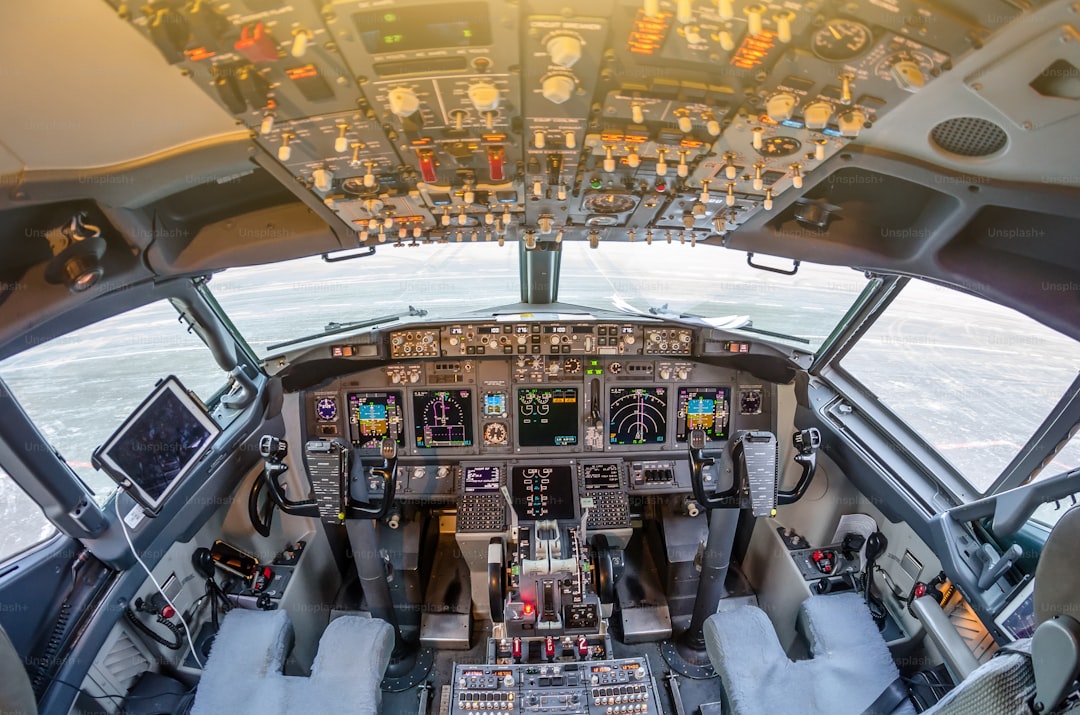
When you step back and look at the big picture, it’s clear that Vietnam is playing a much longer game than just adding a few new routes to the map. They’re currently integrating high-frequency, satellite-based navigation systems to handle a massive 35 percent jump in airspace density by late 2027. It’s a smart move, especially since they’re also converting secondary military airfields into dual-use regional airports to take the heat off their main hubs. Think of it like adding extra lanes to a highway during rush hour; it just makes the whole flow more efficient. And the engineering approach here is honestly refreshing, with modular terminal designs that can actually expand their check-in and security zones in real-time based on how many people are walking through the doors.
To really lock in this status as a regional powerhouse, the country is rolling out a national blockchain ledger for aircraft maintenance logs. It sounds like a tech-heavy detail, but it’s actually a brilliant way to ensure total transparency and speed up compliance for those complex international leasing agreements. They’re also standardizing synthetic aperture radar at major airports, which is a total game-changer for keeping planes landing on time when those messy tropical weather patterns roll in. Plus, by adopting a performance-based navigation framework, they’ve managed to shave about twelve minutes off average flight times for regional arrivals. It’s that kind of granular, behind-the-scenes optimization that keeps an entire national network from grinding to a halt when volume spikes.
If you’re wondering how they’ll keep costs down while scaling, they’re pushing for a specialized aviation trade zone status to make importing components for repairs much cheaper. On top of that, they’ve got a pilot program for autonomous ground service equipment in the works to automate baggage loading, and they’re even mandating solar-integrated roofing on all new hangars to cover nearly a third of their power needs. Honestly, the most ambitious part might be the nationwide digital ticketing backbone being prepped for the 2027 APEC summit, which aims to link every local carrier into one seamless interline system. When you combine this with new deep-water port infrastructure right next to aviation hubs, it feels like they aren't just building an airline—they’re redesigning the entire logistics chain for the region.
Research Methodology & Editorial Standards
We begin by defining the specific objectives the reader needs to accomplish. Primary product documentation and authoritative secondary sources inform every guide before drafting begins.
Figures and rules are checked against the sources available at the time of publication. Travel pricing changes constantly — always confirm current fares, rates, and terms with the provider before booking.