
Air New Zealand secures fresh funding to support future growth and fleet expansion
When we look at how an airline secures its future, it’s rarely just about the shiny new planes arriving on the tarmac; it’s really about the quiet, behind-the-scenes work of balancing the books.
Strengthening the Balance Sheet: The New $400 Million Revolving Facility
When we look at how an airline secures its future, it’s rarely just about the shiny new planes arriving on the tarmac; it’s really about the quiet, behind-the-scenes work of balancing the books. I’ve been digging into the details of this new $400 million revolving facility, and honestly, it’s a masterclass in modern capital management. Think of this not just as a loan, but as a strategic safety net that gives the airline the breathing room to scale without being shackled by rigid, old-school repayment plans. By opting for a revolving structure, they’re only paying interest on what they actually use, which is a massive win compared to locking in a massive term loan that might sit idle. It’s smart, it’s lean, and it shows they’re thinking about the next few years rather than just the next quarter.
What really caught my eye is how they’ve baked sustainability-linked targets directly into the borrowing costs. It’s a trend I’ve seen across other sectors, but seeing it here suggests they’re getting serious about carbon reduction while simultaneously keeping their bankers happy. It’s effectively a bet on their own efficiency. Plus, by having this $400 million cushion ready to go, they can smooth out those nasty spikes in jet fuel prices that usually keep airline executives up at night. It’s the kind of move that keeps their credit metrics looking healthy, even while they’re pouring money into high-ticket items like wide-body aircraft.
And let’s be real, if you’re trying to manage a global fleet in this economy, you need that kind of agility. Instead of issuing more stock and diluting existing shareholders, they’ve found a way to bridge the gap using a tool that flexes with their actual cash flow. They can draw down during those heavy investment phases and pay it off rapidly when the busy travel seasons roll around. It’s a classic strategy for insulating the business from the kind of macroeconomic turbulence that hits the aviation industry so hard. To me, this confirms they aren’t just trying to survive the next cycle; they’re actively positioning themselves to capitalize on it while keeping their balance sheet rock-solid through 2028.
Strategic Priorities: Fueling Fleet Modernization and Growth
When we talk about fleet modernization, it’s easy to get distracted by the shiny exterior of a new wide-body jet, but for an airline, this is really a high-stakes game of operational chess. I’ve been looking at how carriers are shifting their strategies, and the move toward next-generation airframes is as much about pure math as it is about environmental targets. By adopting newer models that utilize advanced aerodynamics and composite materials, airlines are effectively shaving off weight, which directly cuts fuel burn per seat. It’s a massive win when you consider that a simple transition to these newer platforms can drop carbon emissions by up to 20% compared to older, legacy hardware. Plus, there's the massive advantage of fleet commonality, which quietly trims down the headaches of pilot training and maintenance schedules behind the scenes.
But here is where the strategy gets really interesting, especially when you look at how the financing landscape is shifting. With the global aircraft leasing market climbing toward a $420 billion valuation, airlines have more ways than ever to maintain capital flexibility while they scale. It isn't just about buying planes anymore; it’s about using predictive maintenance data from these sensor-rich platforms to keep them in the air longer. We are seeing a real push toward integrating dual-fuel engine technology, which is expected to grow at a 10.53% clip through 2035, signaling that the industry is betting big on long-term efficiency. Honestly, the ability to layer these technological upgrades on top of existing supply chain networks is what separates the carriers that just survive from those that actually thrive.
Of course, we can't ignore the messy reality of the current supply chain, which is definitely putting the squeeze on delivery timelines from the big manufacturers. Airlines are being forced to recalibrate their deployment strategies, often having to hold onto older assets longer than they’d like while waiting for fresh capacity to arrive. It’s a delicate balancing act that requires integrating digital logistics to minimize ground-time and keep efficiency high even when the fleet isn't exactly what they planned for. Every move, from the type of engine they commit to, to the way they structure the ESG-linked financing, is a calculation against the volatility of the market. It’s a lot to manage, but for a carrier like Air New Zealand, getting this right is the only way to stay agile enough to capture shifting demand as global travel patterns change.
Navigating Post-Pandemic Aviation Recovery and Market Volatility
Let’s be honest, the aviation industry isn’t just flying planes anymore; it’s basically running a high-stakes, real-time data operation where one wrong calculation can sink your margins. When we look at the current market, it’s clear that the old playbook of fixed schedules and predictable demand has been tossed out the window, replaced by a constant, jittery dance with volatility. You’re seeing carriers move away from rigid, legacy models toward flexible, long-haul scheduling that treats routes like a liquid commodity, pivoting instantly based on fuel price spikes rather than just sticking to tradition.
But the real story is happening on the ground, where the logistical bottlenecks are forcing a total rethink of how we keep these fleets airworthy. I’ve noticed a massive push toward regionalizing maintenance operations, mostly because waiting on parts from halfway across the world is a luxury no one can afford right now. It’s why you’re seeing such a heavy reliance on sensor-rich, high-fidelity data to drive predictive maintenance; it’s not just tech-for-tech’s-sake, it’s a necessary hedge against the 7% jump in downtime caused by a persistent shortage of specialized avionics talent. By shifting to these high-utilization cycles, carriers are trying to squeeze every possible hour out of their wide-body assets, essentially trying to do more with less while the supply chain continues to throw curveballs.
And you can’t talk about stability without looking at how treasury departments are completely changing their approach to risk. It’s no longer enough to just keep a rainy-day fund; airlines are now embedding carbon-hedging instruments and multi-source procurement strategies directly into their core financial planning to insulate themselves from the chaos. Even with the 18% jump in sustainable aviation fuel usage, the price premiums are still a massive headache that requires a delicate balance between hitting green targets and keeping the quarterly balance sheet from bleeding out. It’s a tightrope walk, and frankly, the carriers that come out on top won't be the ones with the flashiest paint jobs, but the ones that have mastered the invisible, digital infrastructure required to navigate this level of uncertainty.
Investing in Sustainability: Greener Skies and Operational Efficiency

Let’s dive into how the industry is actually shifting toward greener skies, because it’s honestly about much more than just offset programs or PR. I’ve been looking at how platforms like SkyBreathe are changing the game; by using high-fidelity algorithms to optimize flight paths and descent profiles in real-time, pilots can cut fuel consumption by about five percent on a per-flight basis. It’s a perfect example of how digital fuel management takes a huge chunk out of a carbon footprint without needing a brand-new fleet to see immediate results. Think about it: instead of burning extra fuel in inefficient holding patterns, these systems use actual data to streamline the entire journey. It’s not just tech for the sake of it, but a practical way to manage the massive, messy reality of global airspace.
And look, the supply chain for sustainable aviation fuel is finally starting to look like a real market. Seeing the launch of dedicated production facilities in regions like Egypt tells me that we’re moving past the stage where this fuel is only available in a few major hubs. By diversifying where this fuel is made, the industry is trying to get ahead of the price volatility that usually makes these targets feel impossible to hit. It’s a smart move to regionalize these resources, especially when you consider that shipping parts and fuel halfway across the world just adds its own massive carbon tax to the whole operation. It’s that kind of granular, logistical thinking that actually moves the needle.
We’re also seeing a massive pivot in how maintenance is handled, which is another one of those quiet, high-impact changes. Predictive maintenance sensors are getting so good that they catch engine degradation long before it drags down fuel efficiency, letting mechanics fix issues before they balloon into major problems. By keeping these aircraft running at their peak, carriers are essentially extending the life of their current assets while keeping emissions as low as possible. When you layer that on top of the new trend of linking financial facilities to specific sustainability targets, it’s clear that accountability is finally being baked into the core of how airlines are funded. It’s a tough, complex transition, but seeing capital expenditure tied to measurable carbon reduction is the only way this becomes a standard way of doing business rather than just a nice-to-have goal.
Enhancing the Passenger Experience: Cabin Upgrades and Future Routing
When we talk about the passenger experience, it’s easy to focus solely on the flashier side of things, like lie-flat seats or fancy menus, but the real magic is happening in the engineering and data science behind the scenes. Honestly, I find it fascinating how much effort is going into small, almost invisible improvements, like using advanced acoustic dampening materials to shave 4 decibels off cabin noise, which makes a massive difference in how you feel after a 14-hour flight. We’re also seeing a serious push toward healthier cabins, with HEPA-grade filtration systems now standardizing to capture 99.97% of airborne particulates. It’s not just about comfort; it’s about arriving at your destination without that drained, exhausted feeling that used to be a staple of long-haul travel.
But here is where the strategy gets really interesting, especially when we look at how airlines are using data to change the way we actually move through the sky. They are using machine learning to analyze real-time atmospheric wind patterns, which can actually trim 15 minutes off a trans-Pacific crossing, and these systems are smart enough to account for dynamic thermal gradients to steer clear of turbulence before we even hit it. It’s basically a high-tech way of ensuring a smoother ride while saving fuel, which is a win for both the passenger and the airline’s bottom line. Plus, there is a cool shift toward circadian-synced lighting that adjusts color temperatures to combat jet lag, which I think is one of those small changes that actually makes a tangible impact on your first day abroad.
If you look at the hardware, it’s all about becoming more modular and connected without adding unnecessary weight. We’re seeing carbon-fiber seat architectures that save hundreds of pounds, which is a huge deal for efficiency, and new high-bandwidth hubs that let you sync your own devices to the plane’s network like you’re sitting in your home office. They’re even moving toward IoT-enabled predictive maintenance for cabin hardware, so if a seat or lavatory starts acting up, ground crews know exactly what needs fixing before the plane even lands. It feels like the industry is finally moving past the era of static, heavy, and often broken cabin tech, replacing it with a more responsive, personalized environment that feels designed for how we actually want to travel today.
Financial Outlook: What This Funding Means for Investors and Travelers
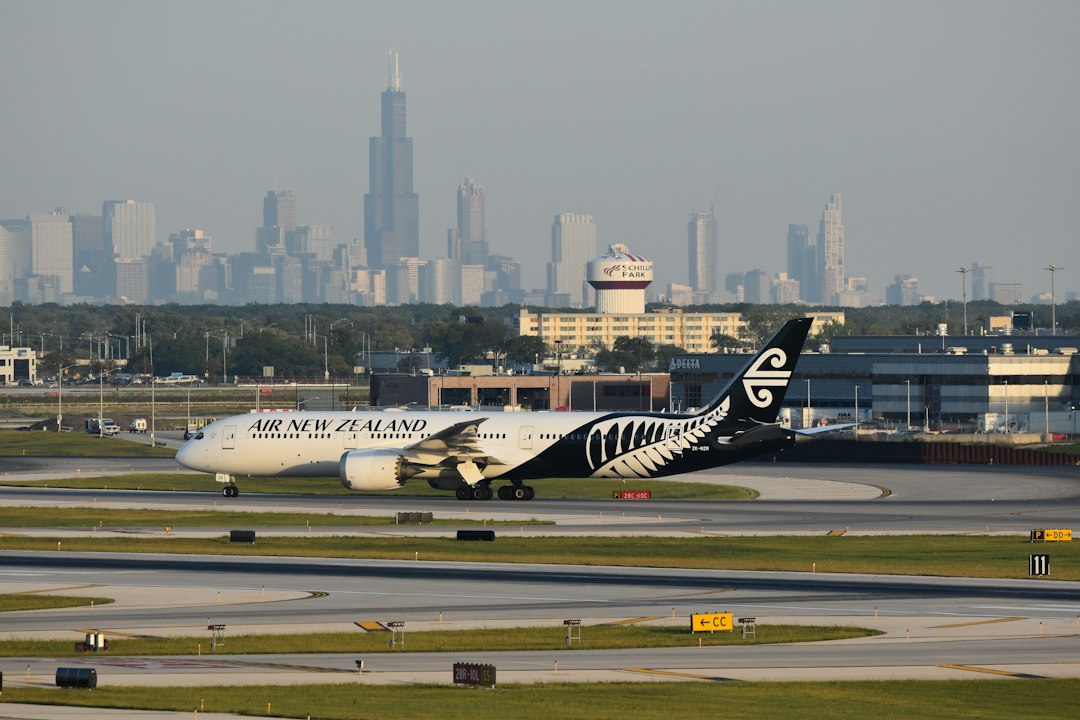
For investors watching Air New Zealand, this funding isn't just about padding the bank account; it’s a clear signal that the carrier is betting on a very specific kind of future. By securing this $400 million facility, they’re effectively insulating their bottom line against the kind of macroeconomic volatility that’s been spooking the markets lately, especially with the U.S. dollar’s current fluctuations and the broader pressure on travel tech valuations. Honestly, it’s refreshing to see a firm move away from the old-school, rigid debt models and instead pick a path that treats capital like a utility you only pay for when you’re actually using it. For you as a traveler, this matters because it means the airline is staying agile enough to keep its fleet modern without having to hike up fares to cover the cost of stagnant, idle assets.
Think about it this way: the global aircraft leasing market is sitting at a massive $420 billion valuation right now, and by tapping into flexible financing, Air New Zealand is essentially making sure they don’t get left behind in the race for next-gen, fuel-efficient airframes. They’re playing the long game here, banking on that 10.53% growth in dual-fuel engine tech to keep their operating costs from spiraling as fuel prices and environmental regulations continue to shift. It’s a smart, defensive play that protects their credit metrics, even when you consider the messy realities of supply chain bottlenecks and the ongoing global shortage of avionics talent that’s currently inflating maintenance downtime.
From where I’m sitting, this is exactly the kind of move that separates the airlines that are just getting by from those that are actually positioning themselves for the next decade of travel. Because they’ve tied these borrowing costs to tangible sustainability targets, they’re essentially forcing themselves to keep their operational efficiency sharp—which, let's be honest, is a win for everyone. You might not see the mechanics of this funding when you’re boarding your next flight, but you’ll definitely feel the difference in a more reliable, tech-forward, and efficient cabin experience. It’s a calculated, high-signal move that tells me they’re far more interested in long-term stability than just chasing short-term PR wins.
Research Methodology & Editorial Standards
We begin by defining the specific objectives the reader needs to accomplish. Primary product documentation and authoritative secondary sources inform every guide before drafting begins.
Figures and rules are checked against the sources available at the time of publication. Travel pricing changes constantly — always confirm current fares, rates, and terms with the provider before booking.