
How to Plan the Ultimate English Pub Crawl Safari
You know that feeling when you're looking at a map and everything just looks like a blur of roads and pins?
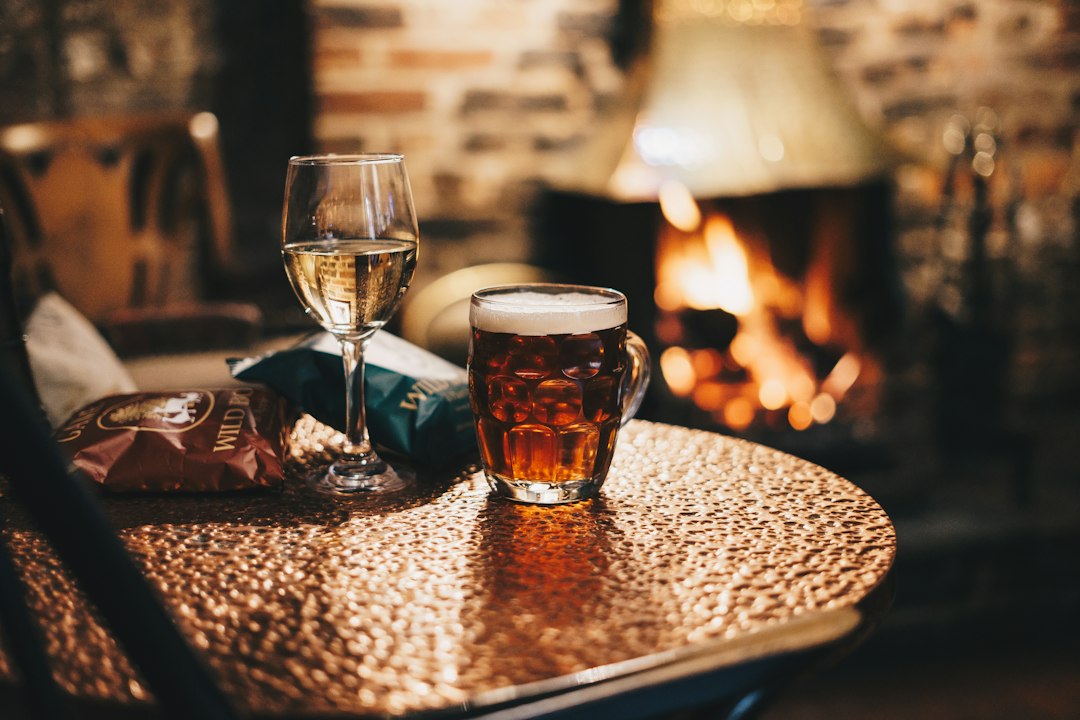
Mapping Your Route: Selecting the Best Regions for a Pub Safari
You know that feeling when you're looking at a map and everything just looks like a blur of roads and pins? Let's be honest, picking where to start your pub safari isn't just about pointing at a spot on a map; it's about finding those pockets of history that haven't been swallowed by modern chains. I’ve found that the real magic happens in those old market towns, where the density of pubs usually mirrors the layout of pre-industrial trading hubs. If you target areas with a high ratio of independent free houses, you’re basically guaranteeing you won’t be stuck drinking the same mass-produced lager all weekend. It’s worth checking the distance from railway stations too, because data shows pubs within a five-minute walk see significantly more foot traffic, which usually means a livelier atmosphere if that’s your vibe.
But if you’re looking for a specific flow, consider how the landscape actually dictates your pace. The Cotswolds are perfect for a multi-day trek because you can hit six villages with barely any major climbing, keeping the day more about the pints than the cardio. If you're heading out in autumn, I’d strongly suggest skipping the coast in favor of inland valleys, since those coastal micro-climates can get pretty brutal once the sun dips. You can actually use mapping software to ditch the noisy A-roads and stick to bridle paths, which is the only way to stumble upon those isolated, century-old taverns that cars just can't get to. It sounds a bit nerdy, but cross-referencing old coaching routes—the ones designed for a single day’s horse ride—actually gives you a naturally efficient itinerary that feels like you're stepping back a few centuries.
Honestly, don’t ignore the logistical stuff like the bus schedules in the Peak District, which actually get a decent bump in frequency on Saturdays. Using something like GIS data to look for seventeenth-century foundations is a pro move if you want to avoid tourist traps and find genuine community hubs. And if you really want to level up, take a look at the local beer festival calendars before you finalize your path. Nothing ruins a good safari like rolling into a town just after the last cask has been drained. It’s all about balancing that romantic idea of wandering with enough data to make sure you aren't walking five miles only to find the doors locked.
The Art of the Pub Crawl: Understanding Traditional English Drinking Culture
You know, when you really start to peel back the layers of a classic English pub, it’s not just about grabbing a pint; it’s like stepping into a living, breathing history book that’s been serving locals for centuries. I’ve always found it fascinating that these spots started as simple alehouses, completely distinct from inns because they didn't offer a place to sleep—they were strictly for the drink. Think about the architecture: those deep, cool cellars were built to keep casks at a perfect 11 to 13 degrees Celsius, which is still the gold standard for real, living ale. It’s a level of functional engineering that you just don’t see in modern bars. When you’re standing in a room with original flagstone floors, you’re literally standing on the same spot where people were hashing out local business or legal disputes hundreds of years ago.
The term pub itself is actually just a 19th-century shortcut for public house, but the culture behind it is way deeper than a quick nickname. Take the concept of the snug, that little private alcove you’ll still find in older taverns; it was originally designed for privacy, whether you were conducting a hushed deal or just wanted to steer clear of the main crowd. And don't even get me started on the beer itself. Cask ale is a living product that undergoes a secondary fermentation right inside the barrel, which is why it tastes so different from the mass-produced stuff. When you see a pub using gravity dispense—pulling the beer straight from the cask without any mechanical pump—you’re experiencing one of the oldest, most authentic ways to drink in the country.
It's funny how our modern idea of a pub crawl feels like such a fun, contemporary invention, but it really only became a standard thing once urban transit made it easy to hop between these independent houses. Back in the day, you were pretty much stuck in your own village, so the local pub had to be your courthouse, your meeting hall, and your town square all wrapped into one. Even the little things, like the bell rung at last orders, are just echoes of a time before electronics, when a publican had to physically signal that the licensing period was over to keep the local magistrates happy. So, as we dive into how to map out your own route, keep in mind that you aren't just visiting a series of bars. You're tracing a path through the social infrastructure that has held these communities together for generations.
Logistics and Transportation: Navigating the British Countryside Safely
When you're out exploring the British countryside, it’s easy to get caught up in the scenery, but moving between these remote villages requires a bit more foresight than navigating a city center. You’ll be glad to know that the government’s recent Better Connected strategy has actually simplified things quite a bit, rolling out contactless tap-and-go payments across most regional bus and rail networks. This means you can finally ditch the headache of juggling multiple localized ticketing apps just to hop between towns. But, look, don’t let the convenience fool you into thinking you’re always connected. Those deep, picturesque valleys are notorious for killing GPS signals, so I always make sure to download my maps for offline use before I even set foot outside. It’s a small, boring step that saves you from a massive headache when you're three miles from the nearest signal and trying to find the right turnoff.
Now, we need to talk about those narrow country lanes because they’re a completely different beast compared to what you’re likely used to. Even if a road has a national speed limit of 60 miles per hour, that’s almost never a safe speed given the blind crests and the very real chance of meeting a massive tractor around a tight corner. You’ll see designated passing places marked with white signs; please, treat these like gold. Never park in them, as they aren't just for you—they’re critical for emergency vehicles and agricultural transport to keep moving safely. Also, keep an eye on the weather, because those sudden British micro-climates can turn a dry, low-lying road into a minor flood zone in just a few minutes of heavy rain.
If you’re planning to do some walking between pubs, remember that those public rights of way often cut straight through active farmland. It sounds simple, but you really have to be diligent about closing every gate behind you, as it’s vital for keeping livestock where they belong. And honestly, be extra careful if you're moving around at dawn or dusk. Data shows that accidents on these rural lanes spike during those low-light hours, not just because of the visibility, but because wildlife is active and the roads lack the reflective markings you’d expect on major highways.
Lastly, don't be surprised if your bus route has "hail and ride" sections where the driver might pull over anywhere safe instead of at a marked stop—it’s a quirky, local reality that keeps these communities connected. I’d also strongly suggest keeping a physical map tucked in your bag as a backup. Digital navigation is great, but it has a habit of trying to send you down restricted bridleways that are definitely not meant for a standard rental car. And before you head out on a bank holiday, take five minutes to check the local council website for road closures, as village events often fly under the radar of major traffic apps. It’s all about staying a step ahead so you can actually enjoy the walk instead of worrying about how you're going to get home.
Curating Your Itinerary: Balancing Historic Inns with Modern Gastropubs
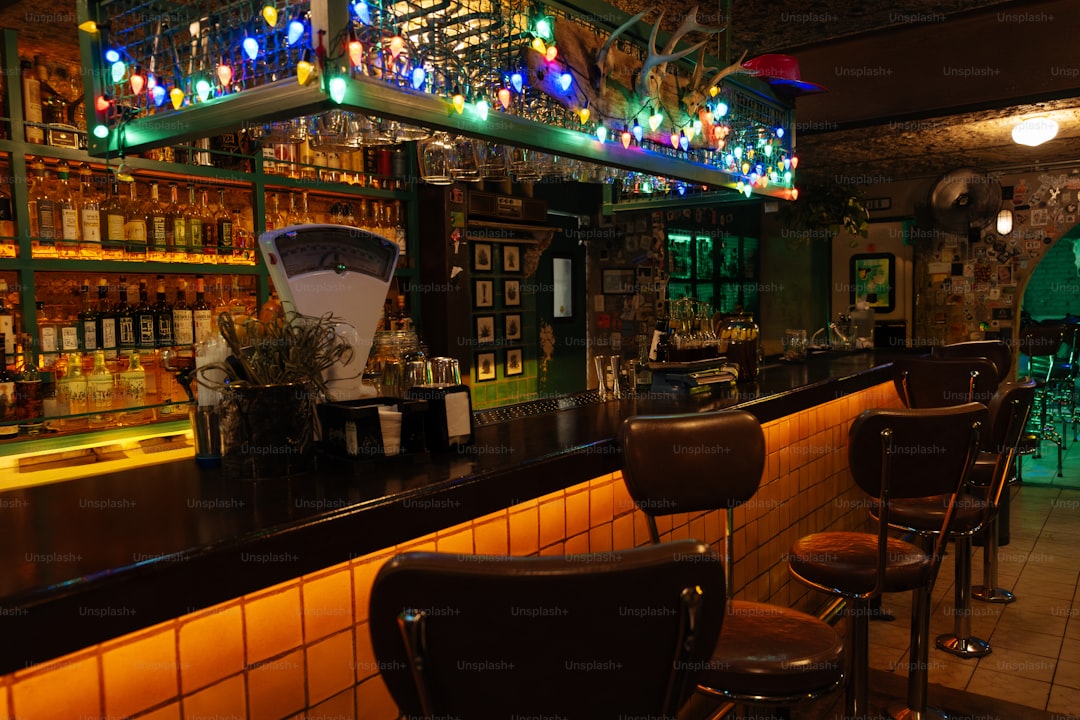
When you’re mapping out your journey, think of it as a tug-of-war between two different worlds, and honestly, that’s exactly where the fun starts. I love the charm of a seventeenth-century inn, but you have to appreciate why they feel so cozy; those low-beamed ceilings weren't just a design choice, but a clever workaround for old tax laws based on building height. You’re going to find that these places rely on original lath and plaster made of lime and horsehair, which naturally keeps things thermally regulated in a way that modern gypsum boards just can’t touch. Meanwhile, the cellar remains the beating heart of the operation, holding that perfect 12-degree Celsius temperature that real ale needs for proper fermentation. It’s a bit like stepping into a time capsule where the dry-stone foundations actually allow the building to breathe, preventing the kind of damp you’d find in a rushed modern build.
But then you have the gastropubs, which are usually doing something completely different with the same footprint. They’re effectively taking these old shells and retrofitting them with smart-glass windows that auto-tint, balancing that authentic dark aesthetic with the brighter lighting most of us prefer for a meal. You’ll notice the acoustics change, too; while the uneven stone floors of an old inn naturally diffuse sound, gastropubs often install clever acoustic baffling behind wood panels to keep the noise down when the place gets packed. I’ve noticed they’re also getting really good at using infrared heating for their patios, which is a genius way to expand their footprint without needing the heavy-duty planning permits that would never fly for a listed historic building.
And look, the food side of this is a total game changer compared to the traditional pub experience. Gastropubs are operating on a serious data-driven model now, with roughly 60 percent of their ingredients coming from within a 30-mile radius, which means you’re getting peak nutritional density based on actual local agricultural yields. It’s a fascinating contrast to the manual cellar logs still kept by traditional innkeepers, as these kitchens use high-precision digital inventory systems to track everything from cask conditioning to the exact shelf-life of their produce. Honestly, I find it’s best to mix them up; use the historic inns as your anchor for the atmosphere and that perfect pint, then pivot to the gastropubs when you want a meal that feels like it was literally pulled from the soil nearby that morning. It’s all about finding that rhythm where the history informs your mood and the modern tech ensures you’re actually eating well.
Essential Etiquette: How to Order and Behave Like a Local
Let’s talk about the unspoken rhythm of a British pub, because walking in with the wrong energy is the fastest way to feel like a tourist. You’ll notice pretty quickly that standing at the bar—the service point—is a test of patience; waving cash or shouting to get attention is a sure-fire way to be served last. Instead, seasoned locals rely on a subtle, mental queueing system where the bartender tracks who has been waiting longest, so keeping your cool is actually your best strategy for getting that first pint. And please, skip the American habit of tipping with every single transaction, as it’s not the standard here. A simple thank you goes a long way, and if you’re really feeling generous, you can offer to buy the staff a drink, though it’s never expected.
If you’re traveling solo, pulling up a stool at the bar is your golden ticket to striking up a conversation with the publican or other regulars, whereas hiding at a table can make you seem a bit closed off. Once you’ve settled in, you’ll likely encounter the round system, which is essentially a social contract where group members take turns buying drinks for everyone to cut down on the constant trekking back and forth. It’s efficient, it’s fair, and it’s how these communities have functioned for generations. Just remember that if you’re ordering a proper cask ale, don’t stress if it doesn’t come ice-cold; those cellar-cool temperatures between 11 and 13 degrees Celsius are exactly what you want for the secondary fermentation to taste right.
When the place starts to get packed, showing a little bit of initiative goes a long way toward being treated like a local. It is incredibly helpful to clear your own empty glasses and take them back to the bar, as it lightens the load for the staff during the chaotic Friday night rush. Also, be mindful of the space you’re occupying, especially if you spot a snug; those little private alcoves are sacred ground for locals looking for a bit of quiet, so don’t try to join a group there unless you’ve clearly been invited. If an owner asks you to vacate your table after your last drink, don't take it personally, as many of these historic, small-footprint venues rely on high turnover to keep the lights on. It’s all about matching the pace of the room, being observant, and respecting that you’re a guest in someone’s local living room.
Accommodation and Recovery: Where to Stay for the Optimal Pub-Hopping Experience
When you're planning a multi-day pub safari, where you lay your head at night is just as important as the quality of the ale you're drinking. I’ve found that staying in converted coaching inns is a game changer, largely because those original thick-walled masonry structures act as a passive thermal regulator that naturally dampens street noise for a more restorative sleep. You’ll want to prioritize rooms at the rear of these properties to stay buffered from the high-frequency vibrations of late-night foot traffic, which is a common issue in historic town centers. It’s also worth checking if the inn has upgraded to blackout shutters, as those classic Victorian-era windows were never designed to keep out the early morning sun. If you’re serious about your recovery, look for spots that offer en-suite bathrooms, as sharing facilities in older buildings can really throw off your morning flow when you’re trying to get back on the road.
Beyond the basics, we should talk about how some of these high-end rural inns are adapting to modern wellness needs. Many have started installing infrared saunas or even cold plunge pools, which are surprisingly effective at reducing that systemic inflammation you might feel after a long day of indulgence. If you’re opting for a boutique hotel, I’d suggest looking for those that use smart-climate control systems capable of maintaining a steady 18 degrees Celsius, which is widely considered the sweet spot for deep, uninterrupted sleep. Don’t underestimate the value of luggage transfer services either; being able to walk between villages unburdened by heavy gear significantly reduces travel-related fatigue and keeps your energy levels high for the next round. It’s all about creating an environment where you can actually reset before hitting the trail again.
Finally, consider the nutritional and environmental factors that often get overlooked when booking. I always try to pick inns with on-site, high-protein breakfast service, as it’s the most efficient way to replenish the electrolytes and nutrients you’ve lost throughout your crawl. If you’re near a natural water source, you might also find that the increased negative ion concentration in the air helps with cognitive clarity the next morning, which is a nice little bonus after a few nights out. Some of the best-run establishments are even retrofitting their ceilings with sound-dampening acoustic panels, a pro move that completely stops noise transfer from the ground-floor bar to the rooms above. It sounds like a lot of detail to sweat, but trust me, taking these extra steps to curate your recovery space will make the entire experience feel much more balanced and sustainable.
Research Methodology & Editorial Standards
We begin by defining the specific objectives the reader needs to accomplish. Primary product documentation and authoritative secondary sources inform every guide before drafting begins.
Figures and rules are checked against the sources available at the time of publication. Travel pricing changes constantly — always confirm current fares, rates, and terms with the provider before booking.