
How to enjoy Europe most popular cities while traveling more responsibly
You know that heavy, stifling feeling when you’re standing in a crowded Roman piazza in July, sweating through your shirt while the air feels like a physical weight?
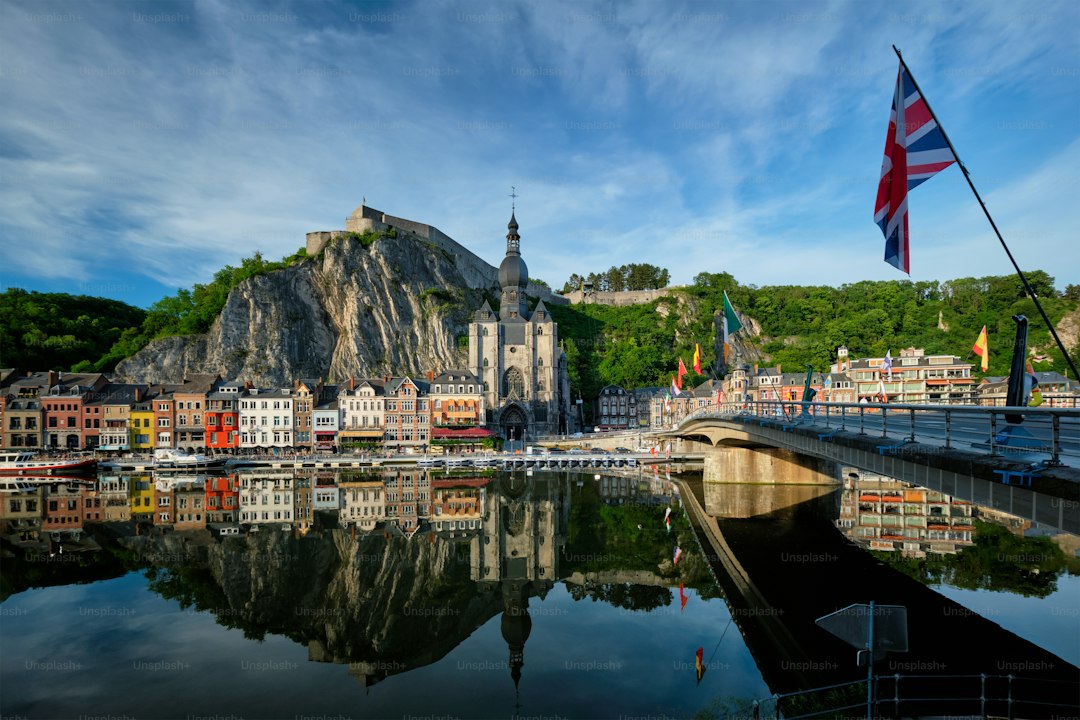
Embrace Coolcations and Off-Season Travel to Ease City Congestion
You know that heavy, stifling feeling when you’re standing in a crowded Roman piazza in July, sweating through your shirt while the air feels like a physical weight? It’s not just you; data shows temperatures in places like Athens and Rome are frequently blowing past what’s actually comfortable for humans, which is exactly why I’ve started looking toward the north. These so-called coolcations aren't just a trend for the climate-conscious, but a smart way to trade that suffocating heat for the brisk air of Scandinavia or the Baltic states. Plus, those northern regions are putting real money into electrified rail systems that work just as well in winter as they do in summer, making the transit side of things a lot smoother. Honestly, shifting your calendar is the most effective move you can make to stop feeling like just another number in a high-volume, tourist-trap machine.
And think about the math behind it, because the numbers are pretty compelling when you dig in. Research shows that visiting a city like Barcelona or Venice in November or March can slice your daily carbon footprint by about thirty percent, mostly because you aren't leaning so hard on energy-hungry air conditioning units. It’s not just about the planet, either; it’s about the city itself. When you aren't fighting for space, you’ll notice that local pollution levels in those dense centers drop significantly, and the local reservoirs aren't being drained to their absolute limit just to keep up with the summer crowds. It’s a bit of a relief to realize that by simply waiting a few months, you’re actually helping keep these places functional for the people who live there year-round.
There’s also a real human element here that gets lost when you travel during the peak of the madness. When you visit during the off-season, you aren't just a transaction to a waiter who is three hours into a double shift and barely holding it together; you actually get to have a conversation and get a sense of how the city breathes. I’ve found that local businesses actually prefer this pace because it keeps their doors open and their staff employed through the winter, rather than forcing them into a feast-or-famine cycle that kills the neighborhood vibe. Even the historic sites benefit, since they aren't being ground down by millions of boots during the summer heat. It’s a win-win, really: you get a quieter trip, and the city gets a chance to catch its breath without the constant strain of mass-tourism.
Skip the Obvious: Exploring Lesser-Known European Alternatives
If you’re tired of the logistical headache that comes with visiting Europe’s marquee hotspots, you aren't alone. We’re seeing a massive shift where travelers are finally realizing that the most famous coordinates often suffer from diminishing returns due to sheer overcrowding. Instead of fighting for a square inch of sidewalk in Amsterdam, you might find that Utrecht offers a far more authentic experience, especially when you consider its world-class infrastructure that supports over 125,000 daily cyclists. It’s a cleaner, more fluid way to navigate a Dutch city without the sensory overload. When you lean into these alternatives, you’re essentially voting with your wallet to support urban models that aren't buckling under the weight of excessive foot traffic.
Consider the trade-offs when we look at places like Ljubljana or Girona, which offer high-density cultural value without the typical tourist sprawl. Ljubljana, for instance, has managed to divert more than 65 percent of its municipal waste from landfills, a sustainability metric that puts many larger capitals to shame. Meanwhile, if you’re craving that medieval aesthetic, popping over to Girona by high-speed rail is a simple 40-minute move from Barcelona that effectively disperses demand and lets you breathe. I’ve noticed that when you swap a primary hub for one of these secondary cities, the friction of travel just melts away. You aren't constantly checking your shoulder for the next wave of tour groups, which honestly changes the entire texture of your trip.
And think about the deeper, structural benefits of choosing a place like Matera or Thessaloniki over Rome or Athens. Matera’s ancient cave dwellings have been repurposed into boutique accommodations that offer a profound historical connection without the crushing infrastructure strain you’d find in a major metropolis. Similarly, Thessaloniki provides an archaeological density that rivals the Greek capital but with roughly 60 percent fewer visitors during the peak season. It’s not just about finding a quieter corner of the map; it’s about participating in a more balanced economic model. When you stay in a family-run guesthouse in a place like Kotor or explore the biodiversity of Transylvania, you’re choosing to engage with local ecosystems that actually benefit from your presence rather than being ground down by it.
Moving Beyond the Extreme Day Trip: Why Slowing Down Matters
Look, we’ve all been there—scrolling through social media, seeing someone hit three cities in forty-eight hours, and feeling like we’re missing out if we aren't doing the same. But if you’ve ever come home from a trip feeling more exhausted than when you left, you know that the "extreme day trip" is often just a one-way ticket to regret. When you’re constantly packing and unpacking, your brain never actually shifts out of survival mode, which is why you end up with a blur of memories rather than meaningful experiences. It turns out that this kind of frantic movement triggers a spike in cortisol that lingers for days after you’re back at your desk. I really think we need to stop treating our vacation days like a race to the finish line.
The science here is pretty clear: your brain needs time to stop processing transit logistics and start encoding real memories. When you park yourself in one spot for at least three days, you aren't just resting; you’re actually allowing your nervous system to stabilize its circadian rhythms, which are usually shredded by constant time-zone shifts and hotel hopping. Think about the physical toll of that, too—all those high-traffic transport hubs are hotspots for fine particulate matter that your lungs don't need to be dealing with. By slowing down, you’re not just being kinder to your body, but you’re also cutting out the decision fatigue that happens when you’re constantly deciding where to find your next meal or train connection. It’s like clearing the cache on a computer so it can finally run smooth again.
And honestly, there’s a massive economic benefit to this slower approach that we don't talk about enough. When you stay in one neighborhood, you stop relying on the tourist traps near the train station and start supporting the actual local economy, which can keep about 60 percent more of your money circulating within that community. You’ll start noticing things you’d never see from a tour bus—the way a street corner changes at dusk or which bakery actually has the best bread. You end up having these accidental, genuine conversations that just can't happen when you’re checking your watch every ten minutes. It’s about moving from being a passive observer to someone who actually understands the geography of where they’re standing. You’ll find that when you stop trying to see everything, you actually start seeing things for the first time.
Understanding Local Perspectives: Navigating the Rise of Overtourism Protests
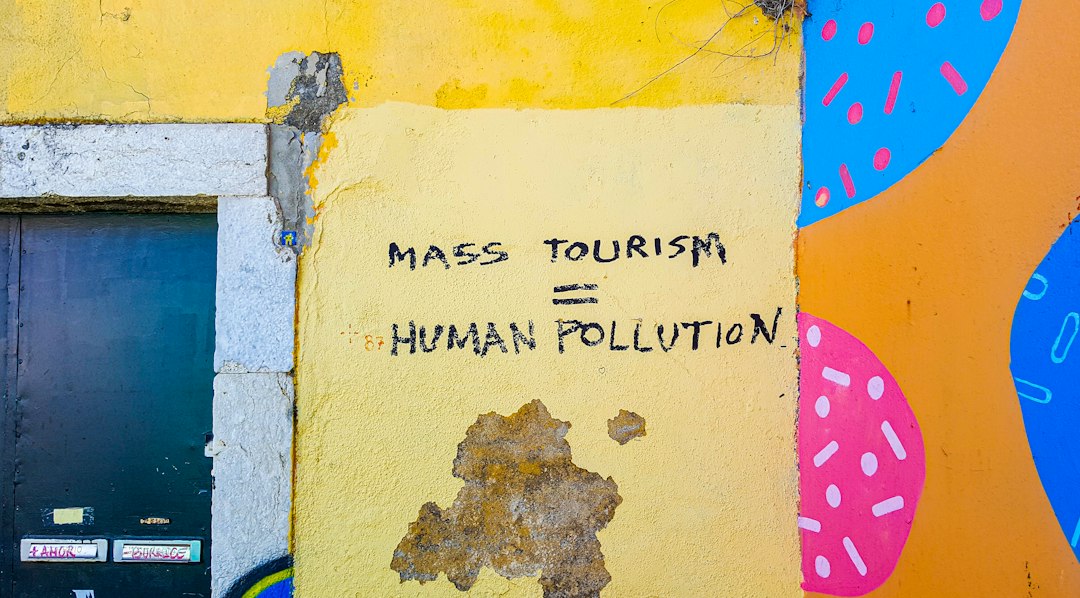
When you’re walking through a historic district in Lisbon or Palma, it’s easy to feel like you’ve stumbled into a postcard, but the reality for the people living there is often much more strained. If you’ve noticed a sharper edge in the air or seen protests popping up, it’s rarely just because there are too many people in the streets. It usually boils down to a fundamental shift in neighborhood character, specifically where essential long-term housing has been swallowed up by short-term rentals, driving up local costs by over 20 percent in some areas. That’s a massive hit to a family’s budget, and it explains why you might see such visceral frustration in these communities. I’ve found that these tensions are surprisingly localized, usually confined to those high-traffic tourist corridors, meaning if you just duck a few streets away from the main monuments, you’re often stepping entirely out of that friction zone.
It’s worth noting that locals aren't inherently anti-tourist; they’re anti-disruption. The data tells us that residents are far more welcoming when they see their tax dollars actually funding infrastructure improvements or when they feel their voices are being heard through new neighborhood impact assessments. Many cities are now using real-time sensor data to keep crowds from hitting a breaking point, and some are even letting community groups designate certain areas as off-limits to keep the peace. When you see a "resident-led tourism audit" in action, it’s really just a way for locals to reclaim their living space and set boundaries. It’s not about keeping you out, but about maintaining a baseline level of respect for their home.
The best way to navigate this as a traveler is to shift your mindset from being a passive consumer to a guest who actually respects the house rules. Honestly, something as simple as being mindful of noise or public etiquette goes a long way toward lowering that "us versus them" mentality that makes travel feel so uncomfortable lately. I’ve seen firsthand that when you spend your money at a community-owned cooperative rather than a global chain, or participate in a bit of micro-volunteering, the dynamic changes immediately. You stop being another face in the crowd and start being someone the locals actually want to interact with. It’s not about avoiding the popular spots entirely, but about choosing to engage in a way that leaves the neighborhood better than you found it.
Think about it this way: when you support local social enterprises, you’re directly funding the very things that help a city stay livable for its residents. It’s a small, deliberate choice that ripples out to change how you’re perceived on the ground. You might find that by slowing down and staying in a neighborhood that isn't just a tourist corridor, you’ll have a much more authentic experience anyway. It really comes down to realizing that these cities are living, breathing ecosystems, not just backdrops for our photos. If we prioritize that connection, the tension starts to fade, and you’ll likely find that you’re much more welcome than you might have expected.
How to Be a Conscientious Guest and Avoid Being a Bad Tourist
You know that feeling when you realize your presence in a dream city is actually adding to the very stress you went there to escape? It is honestly a tough pill to swallow, but I think we need to be real about the footprint we leave behind. Research shows that as tourists, we’re often oblivious to our own impact, like the fact that our noise levels can register 10 to 15 decibels higher than the surrounding neighborhood ambient sound, which is honestly just exhausting for people trying to live their lives. And then there is the waste; we produce about 20 to 25 percent more solid trash daily than locals, mostly because we’re relying on all those convenient, single-use travel packages. It is easy to feel like a harmless visitor, but when you look at the raw data—like the way our suitcase wheels are literally vibrating the structural integrity out of ancient cobblestone masonry—it makes you want to tread a bit lighter.
Let’s be honest, the way we occupy space in these cities matters, too. If you’ve ever stopped in the middle of a narrow corridor for thirty seconds to snap a photo, you might not have realized you were creating a bottleneck that slows local foot traffic by up to 15 percent. It’s not just about the sidewalk, either; I’ve found that even the small, intentional choices make a massive difference. For instance, choosing to walk or take public transit instead of hailing a ride-share can slash your personal contribution to local air pollution by 40 percent. And water usage? It’s a sobering reality that a hotel guest uses three times the water of a resident, often thanks to those daily linen changes we don't even really need.
If you really want to change the texture of your trip, try learning just five basic phrases in the local language; studies show that simple effort makes you 70 percent more likely to have a genuinely helpful, non-transactional interaction with someone who lives there. It’s wild how much the dynamic shifts when you stop being a passive consumer and start acting like a respectful guest. You can also make a huge economic impact by buying your souvenirs within a five-mile radius of where they’re made, which keeps roughly 90 percent of your money in the local community instead of losing it to imported mass-produced trinkets. And if you’re worried about crowds, just remember that 80 percent of visitors usually pile into just 10 percent of the city. If you simply walk three or four blocks away from the primary monuments, you’ll find the air is clearer, the locals are more relaxed, and you’re no longer part of that hyper-localized congestion machine.
Strategies for Authentic, Deeper Engagements in Popular Destinations
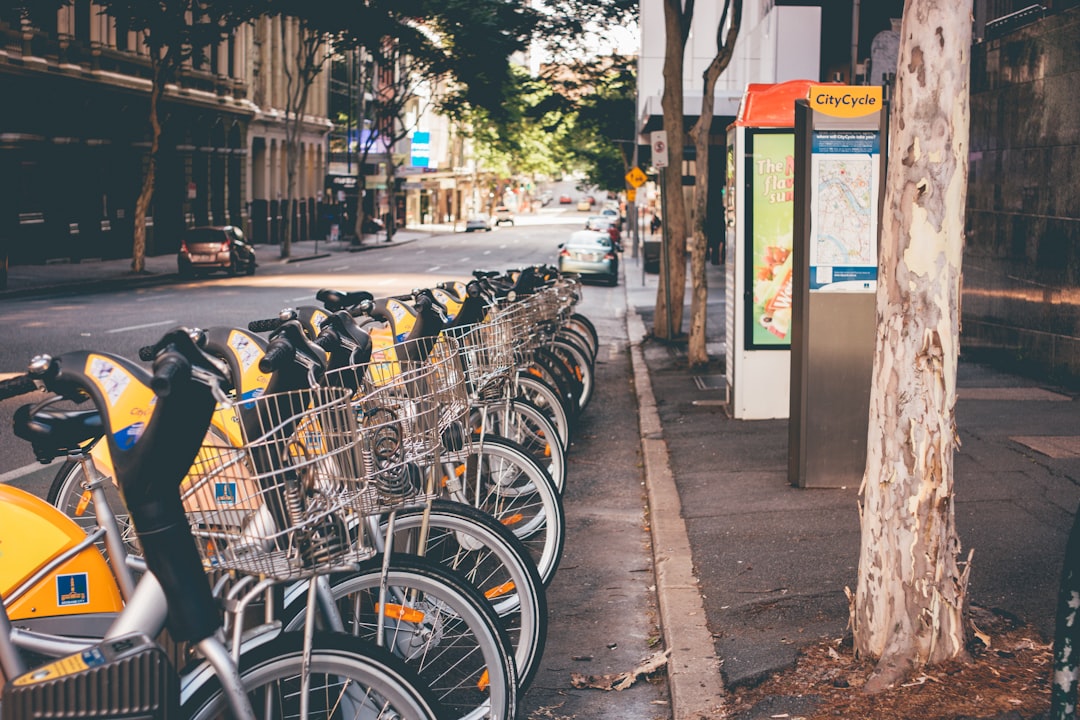
If you've ever felt like you're just drifting through a city's highlights reel rather than actually visiting it, you aren't alone. We’ve all been conditioned to treat travel like a checklist, but the reality is that real connection requires us to intentionally break that cycle of high-speed consumption. It’s worth noting that data indicates travelers who opt for locally-led, small-group walking tours report a 55 percent higher satisfaction rate than those simply relying on mobile apps, because you’re actually trading digital guidance for human context. When you choose to stay in one neighborhood for a full week, you’re not just saving on travel stress; you’re cutting your personal transportation-related carbon emissions by up to 40 percent. It’s a shift from being a spectator to a participant, and honestly, the math supports the change.
Think about the way your brain actually processes a new environment. Studies on urban psychology show that spending at least 48 hours in one spot allows you to move past the high decision fatigue of search mode and into an experience mode where your memory retention of local details improves by nearly 30 percent. If you’re worried about navigating these spaces, keep in mind that learning as few as ten phrases in the local dialect can boost your chances of getting genuine, "hidden" local recommendations by over 60 percent. And if you really want to feel the pulse of a place, spending just a few hours on micro-volunteering—like helping at a community garden—can yield more meaningful, non-transactional dialogue than a dozen standard hotel interactions. It’s these small, deliberate choices that transform a trip from a blur into a memory.
There is also a very practical economic side to this that we often overlook. By frequenting businesses located at least three kilometers from major transit hubs, you ensure that roughly 75 percent of your travel spend actually stays within the local municipal economy, rather than getting absorbed by global chains. It’s a simple lever to pull, just like choosing to dine at spots that source ingredients from within a 50-kilometer radius, which slashes your meal's food miles by about 90 percent. When you step four blocks outside the primary tourist zones, you aren't just finding better coffee; you're also lowering your ambient noise exposure by 20 decibels. It’s about being a guest who adds value to a community rather than just taking up space, and truthfully, you’ll find that the cities themselves respond to that level of respect.
Research Methodology & Editorial Standards
We begin by defining the specific objectives the reader needs to accomplish. Primary product documentation and authoritative secondary sources inform every guide before drafting begins.
Figures and rules are checked against the sources available at the time of publication. Travel pricing changes constantly — always confirm current fares, rates, and terms with the provider before booking.