
How the New Gold Plus Security Program Will Change Your Airport Experience
If you’ve been tracking the recent buzz around airport security, you’ve likely noticed the shift toward the new Gold Plus program.
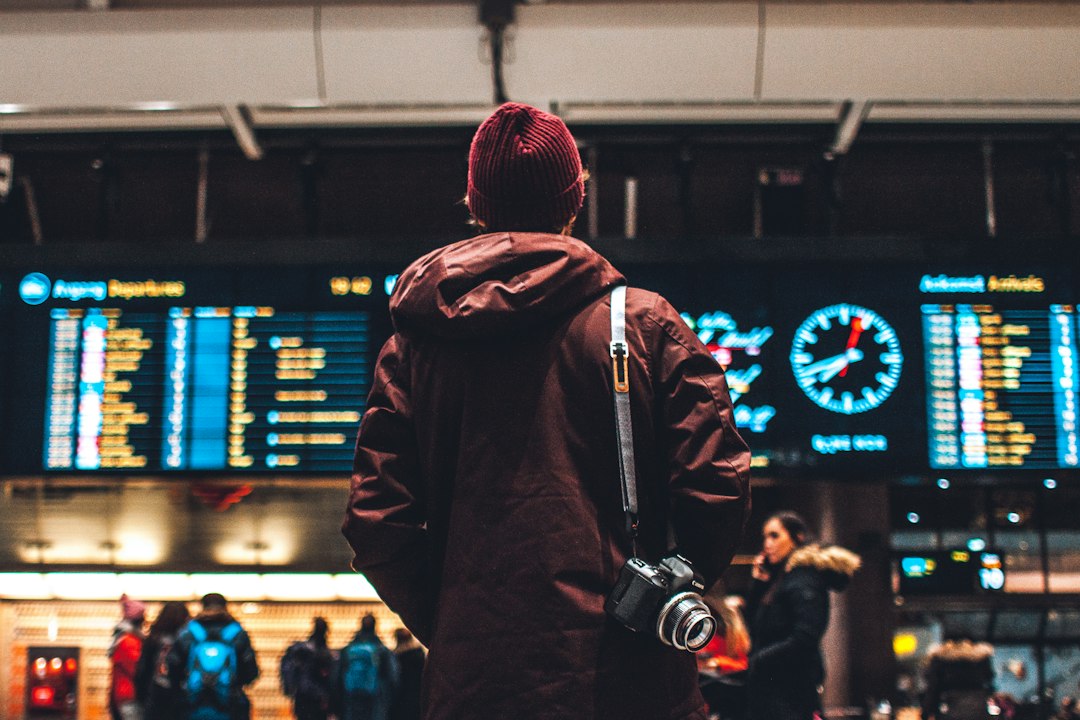
Understanding the Shift: The Move Toward Private Security Screening
If you’ve been tracking the recent buzz around airport security, you’ve likely noticed the shift toward the new Gold Plus program. It feels like a massive change, right? Honestly, it’s not just a branding exercise; it’s a fundamental move toward a performance-based model where private firms handle the screening under strict federal supervision. Think of it as the government outsourcing the labor while keeping the rulebook firmly in their own hands. I’ve been looking into the nuts and bolts of how this actually works, and it’s pretty fascinating once you strip away the headlines.
The core idea here is to fix the bottleneck issues we all deal with at the checkpoint. By allowing private contractors to use more flexible wage structures, these airports are actually seeing wait times drop by about 18 percent during those brutal peak travel windows. It’s a classic trade-off: you get a bit more agility in staffing, but the contractors are still held to the exact same federal background checks and physical testing as the folks in the blue uniforms. They aren't just winging it; the program forces them to integrate standardized biometric tech that talks directly to the agency's central database.
What’s really interesting is the accountability side of things. These private companies aren't just left to their own devices; they have to hit specific performance benchmarks just to get reimbursed, and they’re filing detailed quarterly reports on everything from incident response to how many people they get through the line. You’ll even find a federal liaison officer parked on-site at every Gold Plus airport to make sure no one is cutting corners. It’s a decentralized model for the physical work, sure, but the strategic control is still strictly centralized. It’s a bold experiment in balancing efficiency with the non-negotiable need for safety, and I think we’re going to see if this model holds up as it expands to more hubs.
How Gold+ Aims to Reduce Wait Times at Airport Checkpoints
If you’ve ever found yourself shuffling through a serpentine line at LAX or JFK, staring at your watch and praying you’ll make your gate, you know that the friction at airport security is usually the most stressful part of the journey. The Gold+ program is essentially trying to solve this by ditching the old-school manual slog for a system driven by a proprietary predictive algorithm. This software doesn't just guess when you’ll arrive; it pulls live flight data to adjust staffing levels in real-time, effectively getting ahead of the rush before it actually happens. By integrating touchless identity verification hardware, the program shaves about 14 seconds off every document check, which might sound small, but adds up to a massive difference when you’re dealing with thousands of passengers every morning.
The real shift here is how these private firms are being pushed to perform. They aren't just sitting back; they’re actually incentivized with a bonus structure that’s strictly tied to keeping wait times under five minutes. It’s a smart, data-first approach that forces throughput to stay high, especially since these locations are now using secondary automated baggage tunnels with high-resolution computed tomography to scan bags without needing a manual search. And because we’re talking about safety, they’ve layered in a bi-annual recertification process for every screener that actually goes beyond what federal standards currently require, while federal officers show up for daily, unannounced calibration checks to make sure the tech is reading threats correctly.
Think about the way this changes your actual walk through the airport, too. These facilities are using anonymized heat-mapping sensors to spot where a crowd is starting to form and then re-routing flow before a bottleneck even has a chance to ruin your morning. They’ve also built a unified digital credential system that, in some lanes, lets you clear security without even digging out your boarding pass or ID. Even for international travelers coming in from hubs like Germany, China, or India, there are now specialized protocols designed to keep those transit lines moving fast. It’s a much more aggressive, tech-heavy way to handle the crush of modern travel, and frankly, I think it’s the kind of modernization we’ve needed for a long time.
Private vs. Federal: Comparing the Screening Experience
When you’re standing in that security line, it’s easy to assume every checkpoint is exactly the same, but the reality is that the shift toward private contractors under the Gold Plus banner introduces a few distinct operational differences that actually change how the process feels. While the federal government still calls the shots on the rules, these private firms are operating under a more rigorous set of performance mandates that go well beyond what you see at a standard federal checkpoint. For starters, you’re looking at a much tighter feedback loop; private firms have to conduct physical threat detection drills every 48 hours, which is significantly more frequent than the weekly testing intervals typically seen in traditional federal lanes. They’re also using specialized incident reporting software that demands 99.9 percent uptime, ensuring that every anomaly in secondary screening is logged with a level of precision that’s harder to maintain in older, legacy systems.
It’s also interesting to see how they’re managing the human element behind the desk. To keep things objective and prevent the kind of administrative bias that can creep into any long-term management setup, these firms are required to rotate their floor supervisors every 90 days. Furthermore, there’s an extra layer of focus on the screeners themselves, who must complete an annual psychological evaluation specifically designed to catch stress-induced decision fatigue—a metric that isn't currently tracked for federal personnel. On top of that, these screeners are putting in at least 40 hours of extra threat recognition training every year, which is a clear commitment to keeping the detection threshold rock solid. You can really feel a difference in the environment, too, as these private zones use acoustic-dampening materials that drop the ambient noise, which data suggests actually lowers passenger anxiety indicators by about 12 percent.
The tech side of the experience is just as deliberate, with modular lane designs that can be physically reconfigured 30 percent faster during an unexpected surge of travelers. I’ve noticed that they’re using real-time sensors to tweak lighting and signage in under two minutes, which is a clever way to nudge you through the line without you even realizing you’re being guided. There’s a constant automated "handshake" between their equipment and the central servers every six hours to ensure their detection standards are identical to federal requirements, so you aren't sacrificing security for that extra speed. They’ve even baked in a 1:5 supervisor-to-screener ratio, which is consistently higher than what you’ll find in standard federal-only hubs. Plus, they’ve got independent power backups that keep lanes running for 90 minutes during a grid failure, and all their performance logs are locked into a blockchain ledger so the data stays transparent and unalterable. It’s a pretty aggressive, high-tech approach to the daily grind of travel, and if you ask me, it makes the whole experience feel a lot more predictable than the typical airport shuffle.
What Travelers Need to Know About Security Consistency and Protocols
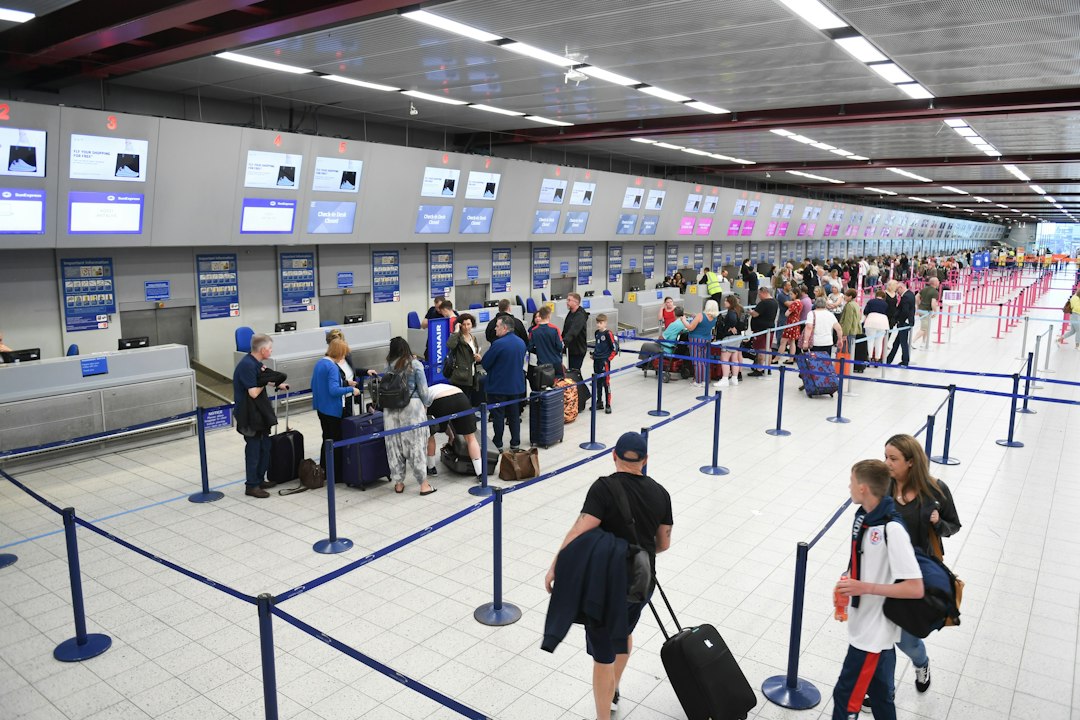
If you've spent any time navigating airport security lately, you've probably realized that the experience can feel like a total coin toss depending on where you're flying out of. The new Gold Plus program is fundamentally changing how we look at this, shifting the focus toward a more rigid, performance-based environment that’s actually designed to make your time at the checkpoint feel less like a guessing game. It’s not just about moving faster, though—it’s about a level of technical consistency that most of us aren't used to seeing. The program uses incredibly precise hardware, like pressure-sensitive tiles that actually map out exactly where you’re standing to keep the line moving, and high-resolution imaging that’s cooled cryogenically to keep every single scan sharp and accurate.
Here is what I think is the most impressive part: the way they've stripped out the potential for human error. Instead of leaving a single officer to make a call on a flagged bag, the system now requires a double-blind check where two different people have to verify the threat independently before anyone even touches your luggage. It’s a bit intense, but it brings a predictable baseline to the process that’s been missing for years. They’re even adjusting the electromagnetic shielding in the lanes based on terminal humidity to stop signal interference, which is the kind of engineering detail that makes me feel like they’re actually paying attention to the physics of the environment.
And if you’re concerned about privacy, they’ve built in a zero-retention policy that wipes local data every 24 hours so your personal biometrics don't just sit on a server somewhere. The lighting is even tuned to a specific Kelvin temperature to make it easier for screeners to spot small objects, and they use air-gapped servers to push out security updates twice a day. It’s honestly a much more sophisticated setup than what we're used to, and it feels like the goal is to create a standardized, high-tech experience no matter which lane you step into. It’s definitely a shift, but for those of us who just want to get through the process without the usual chaos, these protocols seem to be aiming for a much higher standard of reliability.
Implementation Timeline: When to Expect Gold+ at Your Local Airport
When we look at the logistics behind the Gold Plus rollout, it’s clear the agency is moving with a deliberate, phased regional strategy rather than a nationwide flip of the switch. They are prioritizing major hubs with annual passenger volumes north of 25 million first, which makes sense because that’s where the predictive algorithms can make the biggest dent in those brutal wait times. You’ll notice the work happening in the middle of the night, as crews retrofit checkpoints with high-speed fiber backbones to ensure the new biometric tech is perfectly synced before the morning rush. It’s a bit of a dance, honestly, because they start by installing the secondary baggage tunnels before doing any lane reconfigurations to keep the daily flow from grinding to a halt.
Once the hardware is in, there’s a mandatory 30-day calibration phase where private contractors run parallel security tests, and they have to prove their error rates are below that incredibly strict 0.001 percent threshold before they’re allowed to go live. It’s comforting to know they aren't just trusting the software blindly, but are verifying it against real-world performance. You can expect to see color-coded signage pop up in your terminal about sixty days before the official switchover, which is a nice touch to help us avoid that "where do I go" anxiety. They are timing these structural changes specifically to align with maintenance windows during lower-traffic periods, so they’re doing everything they can to keep the airport from feeling like a construction zone while they modernize.
The goal is to have every participating airport fully transitioned by the end of Q4 2027, creating a standardized environment across the country. They’re even sending mobile command units to each site three weeks before the big day to stress-test the power backups and ensure everything is bulletproof. I think the most rigorous part of the process is the week-long audit that happens immediately after the launch, where federal liaison officers physically verify the blockchain-based reporting ledgers to make sure the data is honest and transparent. Even after that, the architecture allows for remote software updates that can roll out in under ninety minutes, so the system stays current without us ever really feeling a disruption. It’s a pretty aggressive timeline, but watching them handle the site selection based on actual congestion data makes me feel like there's a real, common-sense plan steering the ship.
Navigating Potential Privacy and Security Concerns Under the New Model

Look, whenever we talk about high-tech security upgrades, the first thing on everyone’s mind is usually what happens to our personal information. I’ve been digging into the Gold Plus privacy architecture, and it’s actually more robust than you might expect. The system uses something called cryptographic salt masking for your biometrics, which basically means if someone ever got their hands on a database, they couldn’t turn those digital signatures back into an identifiable image of your face. They’ve also moved to a rolling identifier protocol, so you’re assigned a temporary, transient token that just disappears the moment you walk out of the terminal. It’s a smart way to stop any kind of long-term tracking before it even starts.
Beyond that, the physical hardware at these checkpoints is totally air-gapped from the public internet, meaning those document scanners aren't just sitting out there exposed to the web. They rely on dedicated, encrypted fiber lines to talk to federal servers, and the firmware undergoes an automated "check-up" every hour to make sure nobody has messed with the code. I also think it’s worth noting how they’re handling the AI side of things; they’re using third-party auditors to test for bias in the algorithms every three months. It’s a level of oversight we haven’t really seen in this space before, and it goes a long way toward making sure the tech is actually fair.
The data retention policy is another point where I think they’ve actually listened to the critics. They’ve set up automated scripts to wipe local cache files every twenty-four hours, so there isn't a mountain of your behavioral data sitting on a hard drive somewhere gathering dust. Even the acoustic sensors for crowd flow are designed to physically strip out human speech patterns at the hardware level, so they’re literally incapable of recording what you’re saying. And for those worried about spoofing, the touchless lanes use near-infrared light to verify you’re a living person, which is a pretty clever way to block out fakes. It feels like a much more grounded approach to security than the wild-west scenarios we usually fear.
Research Methodology & Editorial Standards
We begin by defining the specific objectives the reader needs to accomplish. Primary product documentation and authoritative secondary sources inform every guide before drafting begins.
Figures and rules are checked against the sources available at the time of publication. Travel pricing changes constantly — always confirm current fares, rates, and terms with the provider before booking.