
How the looming jet fuel crisis could impact your upcoming summer travel plans
It’s a complex, tight market, and honestly, until we see more investment in new hydrocracking infrastructure, we’re likely going to keep feeling these waves of volatility in our travel budgets.
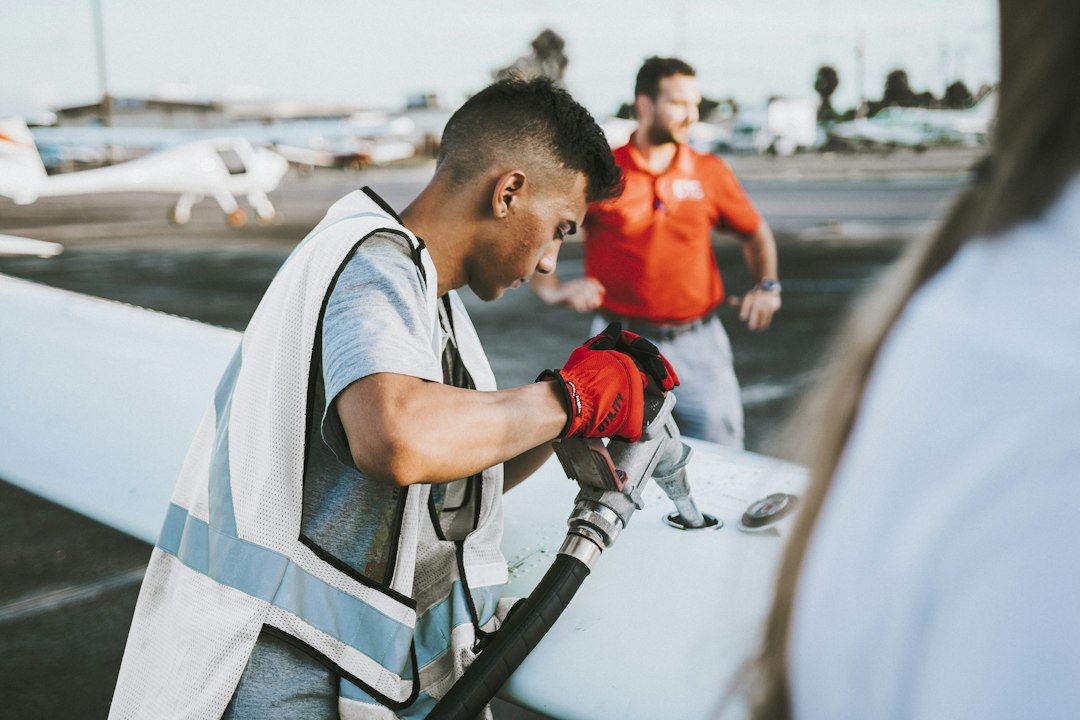
Understanding the Volatility: Why Jet Fuel Prices Are Surging
Look, I know how frustrating it is to watch those airfare prices tick upward right as you’re trying to lock in your summer vacation plans. To really get why this is happening, we have to look at the Strait of Hormuz, that narrow maritime chokepoint where a huge chunk of the world’s petroleum moves every single day. When there’s even a hint of trouble there, the global supply chain hits a bottleneck almost instantly. And unlike the gas you put in your car, jet fuel is a specialized, high-grade kerosene that requires specific additives for things like anti-icing and thermal stability.
It’s also important to realize that this isn't just about the raw price of a barrel of oil. We’re seeing a massive gap between crude costs and the price of refined jet fuel, something analysts call the crack spread, and it’s hitting historic highs right now. This tells me the real issue is a scarcity in our ability to actually refine the fuel, rather than just the cost of the crude itself. Plus, because jet fuel is a middle distillate, it’s constantly fighting for production priority against heating oil. That means a cold winter in the Northern Hemisphere can actually drive up the price of your ticket for a flight in July because refineries were busy churning out heating supplies instead of fuel for planes.
To make matters worse, we’re seeing airlines get squeezed in different ways depending on their size. Major commercial carriers often have long-term hedging contracts to soften the blow, but air cargo operators and smaller airlines are frequently left exposed to volatile spot market prices, which usually forces them to pass those costs directly to you through surcharges or higher base fares. Even the simple act of flying has become more fuel-intensive lately; because of current geopolitical tensions, many planes are taking longer, indirect routes to avoid restricted airspace. That extra time in the air burns through reserves faster, creating a compounding effect that keeps upward pressure on every seat sold. It’s a complex, tight market, and honestly, until we see more investment in new hydrocracking infrastructure, we’re likely going to keep feeling these waves of volatility in our travel budgets.
From Pump to Plane: How Rising Costs Impact Airline Operations
When you’re looking at the numbers behind your next flight, it’s easy to think the price is just about the airline trying to maximize profit, but the reality is much more of a high-stakes balancing act between physics and operational survival. Airlines have long relied on a technique called tankering, where they haul extra fuel from cheaper airports to avoid the sky-high prices at major hubs, yet that creates a paradox where the added weight increases overall fuel burn. It’s like carrying an extra suitcase you don't really need just because it was cheaper to pack it at home; the plane ends up paying for that decision in extra kerosene. Then you have the mechanical side, where we’re seeing carriers aggressively retiring older, gas-guzzling fleets in favor of newer models with double-digit efficiency gains. Even small details, like swapping out heavy galley carts for lighter, modern versions or digitizing menus, are being scrutinized to shave off every possible pound because, in this environment, weight is literally money.
Beyond the hardware, the way pilots operate the aircraft is shifting to combat these rising costs through more precise flight path optimization and continuous descent approaches. By reducing engine thrust during the landing phase, airlines can carve out significant savings that add up quickly across thousands of flights. But then you run into the issue of congestion, where planes are forced into holding patterns that burn through fuel while waiting for a gate, effectively throwing money out the window while you sit on the tarmac. Even the weather plays a brutal role here; extreme heat at high-altitude airports thins the air, which forces airlines to slash passenger or cargo loads just to ensure a safe takeoff. It’s a constant, shifting puzzle where a few degrees of temperature can turn a profitable flight into a loss-maker overnight.
Looking ahead, the industry is trying to pivot toward long-term solutions, though it feels like a slow climb uphill. We’re seeing more investment in sustainable fuel blends, but honestly, current production is still a drop in the bucket compared to global demand, so it isn't moving the needle on your ticket price today. Some carriers are even testing electric tow tractors to move planes to the runway, skipping the main engine startup until the last possible moment, while designers are pushing for more aerodynamic fuselages to reduce drag. And while regional carriers are banking on electric prototypes for short-haul flights to eventually sidestep this entire volatility trap, that reality is still years away. For now, every flight is a masterclass in efficiency, with AI systems calculating fuel loads down to the pound to ensure that airlines aren't carrying a single drop more than they absolutely need to get you to your destination.
Will Your Summer Flight Be Cancelled? Assessing the Risk of Schedule Disruptions
I know it feels like every summer brings a new set of headlines about potential travel chaos, but when we look at the logistics behind your upcoming flights, the situation is genuinely more nuanced than just high ticket prices. The structural integrity of our major airports has become a massive, hidden variable in flight reliability, as we’ve seen with sudden runway closures that trigger immediate, network-wide ripple effects. While we’re all worried about jet fuel availability, the reality is that the loss of a single major runway at a hub can cause far more immediate cancellations than any fuel-related operational adjustment ever could. It’s that domino effect—where a mechanical issue or a localized infrastructure failure in a place like New York or Chicago cascades across the entire country—that really keeps planners up at night.
Beyond the ground-level issues, geopolitical instability in the Middle East has fundamentally changed the map for international travel. Airlines are now forced to divert from established flight paths, which increases average block times and forces us to burn through fuel reserves much faster than usual. These longer, circuitous routes don't just cost more; they destroy the turnaround efficiency that airlines need to keep their aggressive summer schedules on track. Some analysts argue that the market volatility is being overstated by short-term traders, but even if the fuel supply chain is technically robust, the margin for error is razor-thin. When you add in the fact that high-altitude airports are increasingly vulnerable to summer heatwaves—where thin air literally forces airlines to offload passengers to safely take off—you start to see why your flight might be delayed even when everything looks clear on the departure board.
This creates a high-stakes environment where the gap in readiness between massive legacy carriers and smaller regional operators is becoming starkly visible. Major nations have already issued collective travel warnings for this season, explicitly noting that the intersection of fuel supply instability and airspace congestion makes schedule shifts much more likely than in typical years. I think the most frustrating part for us as travelers is realizing that even the most efficient airlines are struggling to manage gate availability when one tiny, unexpected delay forces a plane into a holding pattern that burns off the fuel they were trying to conserve. Ultimately, these compounding factors mean that a minor issue in one region can now trigger a cascade of disruptions that are significantly harder for airlines to recover from than they were even just a few years ago.
Ticket Shock: Should You Expect Higher Fares for Peak Travel?
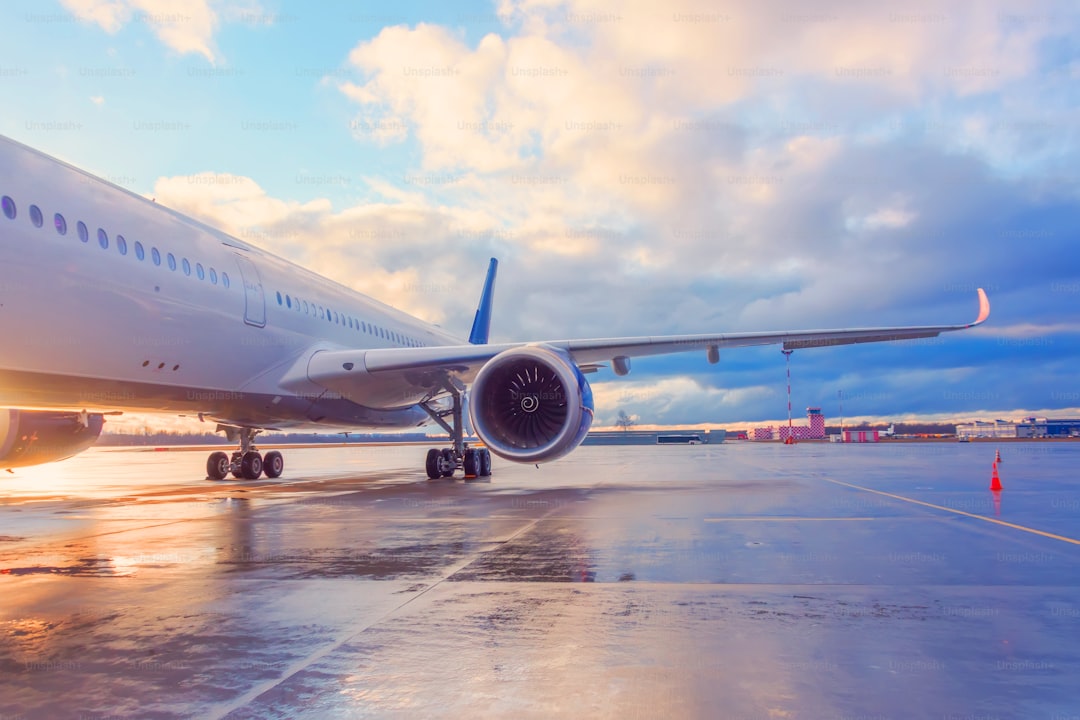
Look, I know how unsettling it is to see the price of your summer getaway creeping up every time you refresh your browser, but we need to talk about why this isn't just a temporary blip. Airlines from Delta and United to British Airways are openly signaling that we should brace for base fare hikes of up to 20 percent this season. It’s not just about the raw cost of oil anymore; the real problem is that we’re seeing a massive, structural shift in how airlines manage their flight schedules and their fleets. When you dig into the numbers, it becomes clear that these carriers aren't just trying to pad their bottom lines—they're reacting to a brutal reality where operating a plane has become significantly more expensive and logistically complicated than it was even a year ago.
Part of what’s happening is that the old, predictable ways of pricing flights are essentially being tossed out the window, especially in regions where government airfare caps have been lifted. Without those buffers, you're seeing a move toward aggressive, dynamic pricing that hits your wallet hardest during the exact weeks everyone wants to travel. On top of that, geopolitical tensions are forcing airlines to fly longer, more circuitous routes, which burns through fuel reserves faster and ruins the turnaround efficiency they need to keep their planes in the air. If you're wondering why a flight might feel more expensive or why your options are suddenly limited, it’s often because airlines are preemptively cutting less-profitable routes to focus on high-yield, long-haul segments where they can actually make the math work.
Honestly, the disparity between airlines is what strikes me the most, as smaller carriers that don't have the luxury of long-term hedging contracts are being forced to buy fuel on the spot market at massive premiums. While you might see a surcharge on your receipt, the reality is that the industry is trying to mask the true cost of this refined kerosene shortage, which is hitting some regional operators to the tune of a billion dollars in extra annual expenses. Even local factors like extreme summer heatwaves are playing a role, forcing pilots to offload passengers or cargo just to ensure a safe takeoff in thin air, which limits capacity and keeps prices high. It’s a messy, high-stakes environment, and my advice is to stop waiting for that imaginary dip in prices—the data suggests that with the current constraints on refining, what you see today is likely the new baseline for your travel budget.
Strategic Booking: Tips for Travelers Navigating an Unstable Market
Let's be honest, trying to book travel in this climate feels a bit like trying to hit a moving target while blindfolded. You’re likely tired of seeing those price alerts spike, but the good news is that you can actually regain some control by shifting how you approach the booking process. The math is pretty clear here: mid-week travel, specifically on Tuesdays and Wednesdays, consistently shaves about 12 to 15 percent off your base fare compared to the weekend rush. It’s a simple change, but when you’re looking at these record-high fuel costs, that difference adds up fast. I’ve started using multi-city search tools more often to spot those cheaper "hidden-city" routes, though you have to be careful—skip a leg, and the airline might just void your entire return journey. It’s a bit of a high-wire act, but if you’re flexible, the savings can be significant.
Another thing I’ve noticed is that we often default to the biggest airport nearby, but that’s usually a mistake in a volatile market. If you look at smaller, regional airports within a 60-mile radius, you’ll find they’re often pulling from different fuel supply chains that aren't feeling the same squeeze as the major hubs. It’s worth the extra drive time if it keeps you out of the most congested, price-heavy traffic lanes. Also, try to get your alerts set at least 90 days out; that’s the sweet spot for catching lower fares before the airlines start their final, aggressive tier-pricing adjustments. Honestly, I always check the airline’s own app instead of a third-party site because sometimes they hold back exclusive inventory that you just won't find anywhere else.
When it comes to actually picking your flight, I’d bet on the first departure of the day every single time. Statistically, you’re looking at a 30 percent higher chance of getting off the ground on time because that plane is already sitting at your gate from the night before, completely avoiding the ripple effect of delays that build up throughout the afternoon. If you can, pay the small premium for a non-stop flight; in this environment, minimizing connections is the best insurance policy you have against the cascading mechanical or fuel-related disruptions that are becoming all too common. And if you’re feeling nervous about a specific route, look into "cancel for any reason" insurance. It’s not just about getting your money back—it’s about having the flexibility to pivot if a carrier decides to restructure their capacity at the last minute.
Finally, don't ignore your loyalty points, especially during those off-peak windows when airlines release "saver" award inventory. I’ve found that diversifying my bookings across different alliances is a great hedge, because if one carrier has a massive operational meltdown, you aren't completely stuck without a backup plan for your trip. You can even check independent aviation data sites to see how full a flight is before you commit; if a flight is packed to the gills, you might want to steer clear to avoid the risk of being offloaded if the weather gets too hot and the plane needs to shed weight. It takes a little more legwork, I know, but playing the game this way makes you much less likely to be the person standing in a long line at the customer service desk while your vacation plans fall apart.
Beyond the Ticket: How Fuel Price Pressures Affect Overall Travel Experiences
When you start digging into the actual math of your summer travel, it becomes clear that we are dealing with a ripple effect far deeper than just a higher number on your credit card statement. It is not just the price of a barrel of oil; we are seeing a massive disconnect between global refining capacity and the actual demand for high-grade kerosene, which is forcing airlines to make some really tough calls behind the scenes. Think about it this way: to stay profitable without passing on the entire burden, carriers are now using AI to map out flight paths that adjust for atmospheric pressure minute-by-minute, trying to shave off that last two percent of fuel burn. But then you have the reality of modern operations, where planes are carrying five to eight percent more fuel than they strictly need just to maintain safety reserves on these increasingly circuitous routes, which ironically makes the aircraft heavier and thirstier.
The experience you have in the cabin is being quietly reshaped by these physics-based constraints as well. You might have noticed seat materials feeling thinner or the removal of those heavy, thick paper catalogs from your seatback pocket; it sounds minor, but when you multiply those savings by hundreds of seats, it allows the airline to compensate for the weight penalty of modern in-flight tech. Even the airports you choose to fly from are part of this shifting strategy, as many budget carriers are pivoting toward smaller, regional hubs to avoid the massive idling and holding patterns that plague major international gateways. When you sit on a tarmac waiting for a gate, that delay isn't just an annoyance for you, it is an operational failure that burns through money for the airline, which is exactly why they are increasingly aggressive about scheduling departures during off-peak times.
Honestly, the most frustrating part for us as travelers is realizing that your flight experience is now being actively managed by real-time weather sensors that determine whether you can even take off with a full load of passengers. If a heatwave hits your destination, the air thins out, and the airline might have to force a pre-departure payload analysis that could result in cargo or passenger weight being slashed just to ensure the plane can clear the runway. It is a high-stakes balancing act where your personal travel plans are now tied to the granular details of fuel chemistry and terminal-side energy grids. I think it is helpful to realize that when we see these price surges, we are really seeing the final result of an industry trying to squeeze efficiency out of every single pound of weight and every drop of kerosene, and that is a reality that will likely stick around for a while.
Research Methodology & Editorial Standards
We begin by defining the specific objectives the reader needs to accomplish. Primary product documentation and authoritative secondary sources inform every guide before drafting begins.
Figures and rules are checked against the sources available at the time of publication. Travel pricing changes constantly — always confirm current fares, rates, and terms with the provider before booking.