
Guardian Air Expands Private Jet Management Services To Long Range Aircraft
When you look at moving into the long-range aircraft space, it’s not just about buying a bigger plane; it’s a complete shift in how you think about logistics.
Scaling Up: The Strategic Move Into Long-Range Aircraft Management
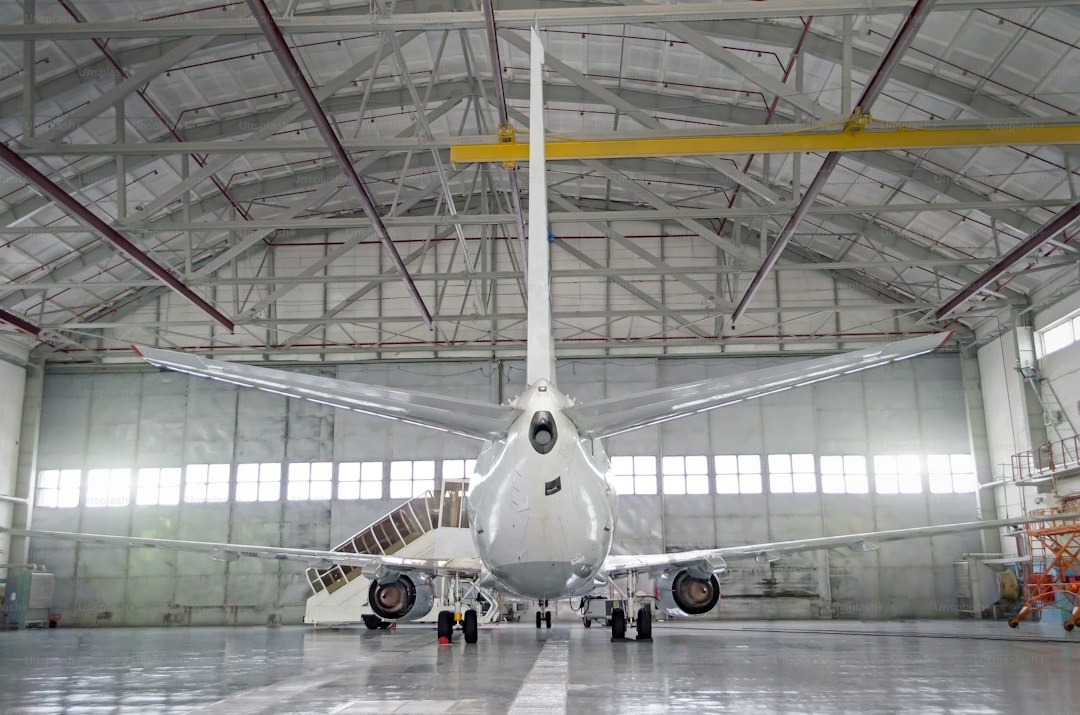
When you look at moving into the long-range aircraft space, it’s not just about buying a bigger plane; it’s a complete shift in how you think about logistics. Think about it this way: you’re moving from local hops to mission-critical operations where everything has to be perfect, especially when you’re dealing with hull values that easily top 100 million dollars. You’ve got to navigate complex ETOPS certifications just to keep the plane in the air, ensuring you’re always within reach of a diversion airport. Plus, the hangars aren't just buildings anymore; they’re climate-controlled vaults designed to protect those sensitive composite materials from the stress of thermal expansion. It’s a massive step up in both risk and the level of technical coordination required to keep things running smoothly.
Honestly, the sheer amount of data these aircraft spit out is a game changer for maintenance. We’re talking about thousands of points transmitted via satellite, letting us catch a potential failure before it ever actually happens. But that convenience comes with a catch: you’ve got to manage the cybersecurity around that data stream to keep flight paths and manifests secure. Then there’s the human side of things, like managing augmented flight deck crews who need to rotate in shifts to handle 14-plus hour missions. It’s a world away from managing a quick corporate shuttle, and you really feel that weight when you’re coordinating international overflight permits for every single trip.
And let’s be real about the market reality here—if you want to grow, you can’t just wait five years for a new delivery. The procurement process is currently so backed up that we’re constantly looking at complex pre-owned acquisition strategies just to get our clients in the air today. You’re also looking at unique regional demands, like the North Atlantic Tracks, which force you to adjust flight plans daily just to keep up with the jet stream and manage fuel efficiency. It’s a balancing act of technical infrastructure, like needing heavy-duty ground equipment that standard facilities just don’t have, and maintaining a massive global network of vetted maintenance partners. If you’re not prepared to invest in that level of specialized support, you’re just not going to make it in this segment of the market.
Operational Excellence: Upgrading Infrastructure and Hangar Capacity
When we talk about shifting into the long-range aircraft space, the conversation often drifts toward the planes themselves, but we really need to look at the ground beneath our feet. Operational excellence isn't just a buzzword; it’s the physical reality of upgrading infrastructure to handle these massive, complex machines. I’ve noticed a major shift toward smart hangars that go way beyond just providing a roof. We’re seeing facilities integrate automated overhead bridge cranes with laser-guided positioning, which is a massive upgrade for protecting delicate winglets and vertical stabilizers during maintenance. It’s about moving away from the old, cluttered hangar floor toward integrated power and pneumatic grids that finally get rid of those tripping hazards and loud, inefficient mobile generators.
Think about the sheer scale of these aircraft and the materials they’re built from; you can’t just park them in any old shed. Modern climate control systems are now dialed in to maintain precise humidity setpoints, which is the only way to effectively prevent the moisture-induced delamination of advanced carbon fiber laminates. To save space and improve thermal insulation, we’re seeing a real move toward high-speed vertical-lift fabric hangar doors, which perform significantly better than those heavy, leaky sliding metal panels of the past. Plus, by adopting clear-span steel construction for these modular hangars, operators can reconfigure their floor space on the fly without worrying about load-bearing columns getting in the way of a large-body wing span.
Honestly, some of the most impressive changes are happening in how crews actually work on the planes. The integration of augmented reality service bays is a game changer, allowing technicians to overlay digital schematics directly onto the fuselage to speed up diagnostic verification. We’re also seeing high-reflectivity, chemical-resistant epoxy floor coatings that actually make it easier to spot tiny hydraulic leaks while improving ambient light for the team. Safety is being overhauled too, with high-expansion foam fire suppression systems and biometric access controls that keep sensitive flight data secure while tracking technician movements. It’s a completely different level of precision, and for anyone serious about long-range management, these infrastructure upgrades are exactly what separate the pros from the rest of the pack.
Key Benefits for Owners of Heavy and Ultra-Long-Range Jets
When you decide to step up to heavy or ultra-long-range jets, you’re not just buying a bigger plane; you’re entering an entirely different tier of travel that frankly changes the math on how you manage your time. Let’s be honest, the primary allure here is the ability to bypass the refueling stops and connectivity gaps that plague smaller airframes, effectively turning your cabin into a truly mobile office or living room that can cross oceans without breaking a sweat. It’s about the sheer reliability of predictive maintenance, where the stream of telemetry data allows us to swap out parts based on actual wear rather than waiting for a calendar date to force a grounding. When you weigh the pros and cons, the upfront investment in these sophisticated machines is heavy, but you’re essentially paying for the peace of mind that comes with near-constant flight path optimization and the ability to punch through trans-Atlantic headwinds that would ground a lighter jet.
But we have to talk about the infrastructure, because owning a machine like an A350 or a long-range Global requires more than just a patch of tarmac. You’re dealing with advanced carbon fiber structures that are surprisingly sensitive to their environment, meaning you need climate-controlled hangar space that keeps humidity in check to prevent long-term delamination. I’ve seen firsthand how the right facility—using high-speed vertical-lift doors and clear-span designs—can make the difference between a quick turnaround and a week-long maintenance headache. It’s a bit of a balancing act; you need specialized, high-capacity ground equipment that most local airports just don’t stock, which is why having a vetted, global support network is absolutely non-negotiable if you want to keep your schedule moving.
Honestly, the human element is just as critical as the hardware when you’re looking at missions that push past the 14-hour mark. You’re not just paying for a pilot; you’re investing in augmented flight deck crews who are trained to manage their own circadian rhythms, ensuring that the person in the left seat is as sharp at the end of the trip as they were at takeoff. I think it’s easy to get caught up in the shiny avionics or the luxury interior, but the real value is in that behind-the-scenes precision—like the biometric security protecting your flight data or the high-expansion foam systems protecting your asset. If you’re serious about moving into this space, you have to be ready to embrace this level of technical oversight, because that’s exactly what separates a smooth, global operation from a series of expensive, grounded delays.
Enhancing Global Reach: What Expanded Capabilities Mean for Clients

You know that moment when you realize your travel needs have simply outgrown the capabilities of a standard corporate jet? It is a massive shift, moving from regional hops to mission-critical operations where your aircraft is essentially a high-speed, mobile office capable of crossing oceans in a single go. When we talk about these expanded capabilities, we are really talking about a fundamental change in the reliability of your schedule. By utilizing advanced structural health monitoring that tracks over 50,000 discrete data points during a flight, we can now detect microscopic stress fractures long before they become a maintenance headache. This is not just about keeping the plane in the air; it is about knowing exactly how every component is performing in real-time so you never have to deal with an unexpected grounding.
Let’s be real about the technical weight here, because it goes far beyond just having a bigger cabin. These modern jets transmit live engine performance diagnostics via high-speed satellite telemetry, which means maintenance teams can pre-order parts and have them waiting at your destination before you even touch down. It changes the entire rhythm of ownership, turning what used to be a reactive, calendar-based maintenance schedule into a precise, data-driven operation. And with cabin pressurization now calibrated to a 4,000-foot altitude even while you are cruising at 45,000 feet, the difference in how you feel after a 14-hour flight is honestly night and day. You are essentially paying for the ability to land at your destination feeling sharp rather than drained.
But you have to consider the infrastructure that supports this, because these aircraft are not just sensitive—they are demanding. Things like sustainable aviation fuel blends require temperature-controlled storage to keep sensors calibrated, and you need specialized reinforced tarmac just to handle the sheer weight of these machines. We are also seeing a major push toward quantum-resistant encryption to lock down your flight data, ensuring your itineraries remain secure from start to finish. It’s a completely different level of precision, but when you look at how these optimized routing algorithms shave fuel consumption off a 7,000-nautical-mile journey, the math starts to make a lot of sense. If you are serious about this level of global reach, you are really buying into a ecosystem of oversight that keeps your world moving exactly when it needs to.
Guardian Air’s Commitment to Bespoke Private Aviation Solutions
When you’re operating at the level of long-range aviation, the difference between a standard management firm and a bespoke service really comes down to how they handle the invisible details. Take Guardian Air, for instance; they’ve moved way past basic scheduling by using proprietary algorithms that calculate the precise atmospheric density index for every flight segment. By doing this, they’re effectively minimizing engine wear during those long-haul cruise phases, which is a massive win for asset longevity that you just don't see with general operators. And it’s not just the engines that get this level of attention. They’re actually using specialized nanocoatings on cockpit glass to block harmful UV radiation at extreme altitudes, protecting both the sensitive avionics and the flight crew from solar exposure in a way that standard maintenance protocols often overlook.
The level of precision they bring to the passenger experience is equally impressive, especially when you look at the cabin environment. They’ve gone the extra mile to install HEPA-14 medical-grade filtration systems, which are pulling out 99.995% of airborne particles, and they pair that with bio-rhythmic lighting protocols that sync your cabin’s Kelvin temperature to your destination’s time zone. It’s a science-backed approach to mitigating jet lag that makes a 14-hour flight feel like a breeze rather than an endurance test. Honestly, it’s that kind of focus on the human element, combined with the technical rigor of real-time acoustic engine monitoring to spot turbine vibration before it becomes a failure, that really shifts the needle on what a management contract should actually provide.
Then there’s the sheer complexity of their ground operations, which frankly feels like a high-stakes engineering project. They don't just rely on standard hangar setups; they utilize laser-leveling hydraulic platforms to lift these massive aircraft, which prevents the kind of chassis torque that can happen with traditional jacks. And if you’re concerned about security, their zero-trust architecture for flight telemetry is exactly what you need to keep your movements private in an era where data is everything. They’ve even managed to automate regional noise abatement compliance so you aren't stuck dealing with permit headaches when you need to take off from sensitive urban airports. When you see them performing ultrasonic fatigue scans on landing gear every 500 hours—far exceeding what the manufacturer technically requires—you start to understand that they aren't just managing planes; they’re building a safety-first culture that makes the extra investment feel entirely justified.
Navigating the Future of Private Jet Management and Logistics
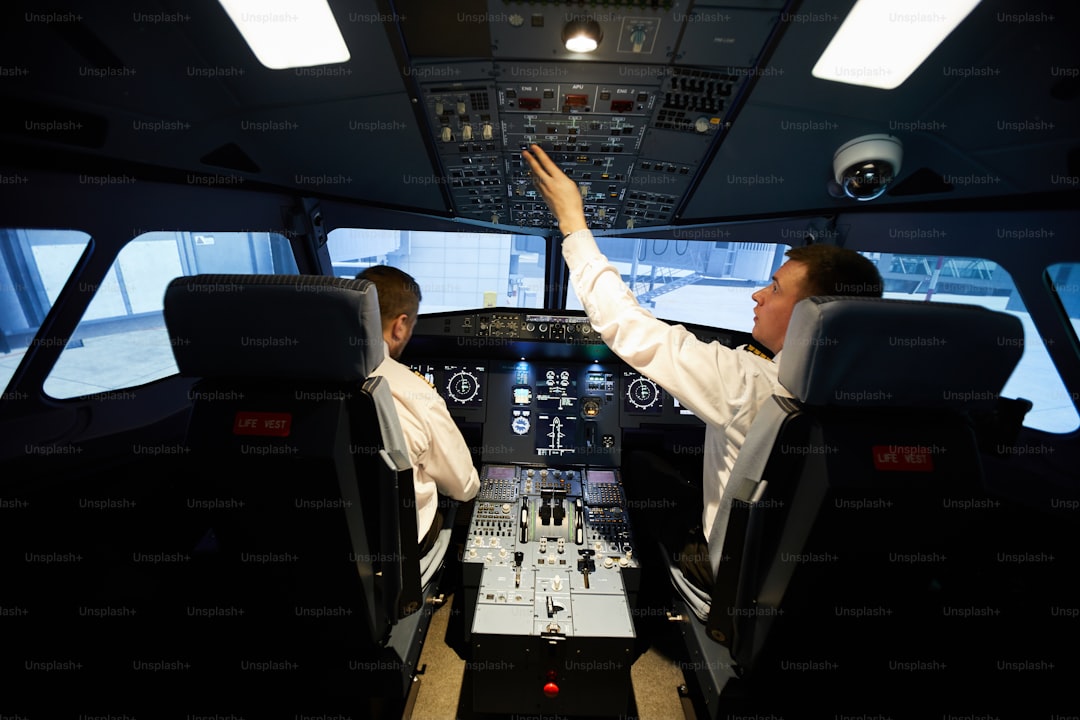
Let’s dive into what it actually means to manage these massive machines, because the tech hitting the market right now is moving faster than most of us can keep up with. When you’re dealing with ultra-long-range assets, you’re not just flying from A to B; you’re managing a high-stakes ecosystem that relies on things like synthetic aperture radar to see through weather patterns that would leave traditional systems totally blind. I’ve been looking at how fleets are moving toward digital-twin technology, where they run a virtual replica of your specific engine to simulate wear based on your real-world flight paths. It’s a complete departure from the old-school calendar-based maintenance, giving us a precise, data-driven look at exactly when a part needs attention before it ever causes a headache. Honestly, it’s about shifting from guessing to knowing, and that’s a massive win for reliability when you’re mid-ocean.
But you have to look at the ground side too, because the infrastructure is evolving just as quickly as the avionics. We’re seeing smart hangars that actually use kinetic energy recovery in the floor to capture power from the ground support gear, which is a wild leap forward in efficiency. Plus, maintenance teams are now using autonomous drones to scan structural integrity, which means we can catch tiny fatigue issues on a tail section without even needing a human to climb up there. It’s a bit of a balancing act between investing in these advanced systems and keeping your operational costs from spiraling, but the trade-off is almost always worth it for the peace of mind. I’m seeing more owners prioritize these upgrades because they realize that keeping a machine in peak condition is far cheaper than dealing with the downtime of a major overhaul that could’ve been avoided.
When you weigh the pros and cons of these new technologies, it’s clear that we’re moving toward a future defined by extreme precision. Whether it’s the shift to quantum-based cryptographic keys that keep your flight data secure or the use of viscoelastic polymers that extend airframe life, these aren't just gadgets; they’re necessary tools for keeping these jets operational in a complex global environment. If you’re looking at the long-range space, you really have to consider whether your current management approach is keeping pace with these changes. I think the real takeaway here is that logistics isn't just about scheduling anymore—it’s about leveraging these high-tech systems to ensure that every flight is as safe and efficient as possible. If you’re ready to see how this all fits together, let’s take a closer look at what’s actually happening under the hood of these massive, modern fleets.
Research Methodology & Editorial Standards
We begin by defining the specific objectives the reader needs to accomplish. Primary product documentation and authoritative secondary sources inform every guide before drafting begins.
Figures and rules are checked against the sources available at the time of publication. Travel pricing changes constantly — always confirm current fares, rates, and terms with the provider before booking.