
Discovering the Forgotten Revolutionary War History of the Gulf Coast
But honestly, if you look at the map from a logistics and trade perspective, you start to see that the Gulf Coast was doing some seriously heavy lifting behind the scenes.
The Strategic Importance of the Gulf Coast in the American Revolution
When we think about the American Revolution, our minds almost immediately jump to the familiar battlefields of the Northeast—Lexington, Concord, or maybe Yorktown. But honestly, if you look at the map from a logistics and trade perspective, you start to see that the Gulf Coast was doing some seriously heavy lifting behind the scenes. It wasn’t just a quiet backwater; it was a critical, high-stakes supply chain that essentially kept the Continental Army from folding during its darkest winters. Think of it this way: while the British Royal Navy was busy strangling Atlantic ports, Bernardo de Gálvez was quietly running a massive clandestine pipeline of gunpowder, medicine, and blankets right up the Mississippi River. That wasn't just a lucky break for Washington; it was a calculated, strategic defiance that forced the British to stretch their naval resources way too thin.
The genius of what happened down here came down to a total mismatch in military doctrine. The British were fighting a textbook European war, which just didn't work when you’re dealing with the tangled bayous and marshlands of the Gulf. Gálvez and his allies—a diverse group of Spanish regulars, French soldiers, and free men of color—used shallow-draft flatboats to navigate terrain that the British assumed was impassable for heavy artillery. It’s like trying to play chess on a board where your opponent keeps changing the shape of the squares. By the time the British realized they were being outmaneuvered, they had already lost control of the lower Mississippi and key outposts in Baton Rouge and Natchez. They were essentially being boxed in from the south, completely unable to launch the pincer movement they had counted on to crush the rebellion.
And if you look at the money side of things, the story gets even more interesting. The Continental Congress was dealing with brutal hyperinflation, but the steady flow of Spanish silver and bullion through Gulf ports acted like an emergency liquidity injection for the entire revolutionary cause. It wasn’t just about military hardware; it was about keeping the economy moving so the army could actually pay its soldiers. Beyond that, the Gulf served as a vital, high-intelligence corridor where intercepted British dispatches gave the Americans a constant, real-time advantage. It’s a fascinating, often overlooked reminder that the path to independence wasn't just won by musket fire in New England, but by those who understood how to control the logistics and geography of the frontier. I really think that without this southern pressure, the entire timeline of the war—and maybe even the outcome—would look completely different.
The Spanish Campaign: Bernardo de Gálvez and the Siege of Pensacola
If we’re going to talk about the real turning points of the American Revolution, we have to look past the typical East Coast narrative and focus on the brutal, high-stakes gamble Bernardo de Gálvez took at the Siege of Pensacola. Honestly, it’s wild how often this gets skipped over in history books, even though it was arguably the most complex military operation in the region. Picture the scene: Gálvez, facing a fleet of hesitant commanders, decided he’d had enough of the inaction and famously sailed his own brig, the Galveztown, directly into the fire of the British harbor batteries alone. He went with his personal motto, Yo Solo, which wasn't just a boast; it was a tactical dare that forced his entire fleet to stop stalling and follow him through that narrow, death-trap channel.
But the real genius wasn't just his bravado—it was how he handled the logistics that the British assumed were impossible. While the British navy was stuck trying to navigate their heavy frigates through shallow, sandbar-choked waters, Gálvez’s diverse coalition of Spanish regulars, French troops, and free men of color were using specialized shallow-draft boats to haul heavy siege artillery right under the enemy's nose. They weren't just fighting; they were engineering a solution, digging intricate trench networks that brought their cannons within striking distance of Fort George. You can really see the shift in momentum when a single, well-placed Spanish mortar shell hit the British main magazine, turning their own massive powder supply into a catastrophic explosion that effectively shattered the defense.
When the dust settled and Governor Peter Chester surrendered over 1,100 troops, the strategic map of North America changed instantly. By knocking out Pensacola, Spain didn't just win a battle; they permanently severed Britain’s access to vital timber and naval stores in the panhandle, effectively closing the door on any further British staging efforts in the Gulf. It’s worth reflecting on the sheer cost of this, too, because fighting in that subtropical climate meant battling yellow fever and disease just as much as the British army. Ultimately, this victory meant the Mississippi River valley was no longer a target for naval incursions, which provided the kind of secure, open supply line the Continental Army absolutely needed to keep the revolution alive. It’s a sobering reminder that our independence wasn't just earned on the battlefield, but through the hard, messy, and often overlooked work of controlling the supply chain from the south.
Beyond the Thirteen Colonies: The Forgotten Theater of the South
When we look back at the American Revolution, we almost always default to the narrative of the thirteen colonies, but I think we’re missing a massive piece of the puzzle by ignoring the Gulf Coast. Honestly, the theater of the South wasn't just a side show; it was the engine room that kept the entire rebellion from stalling out. Think about Oliver Pollock, a merchant in New Orleans who essentially bet his entire fortune by underwriting 300,000 pesos in credit to the Continental Congress. Without that kind of back-channel financing and the secret permission for agents like James Willing to seize British vessels early on, the logistical foundation of the war would have crumbled long before Yorktown. It’s wild to consider that while the North was fighting for territory, the South was fighting to keep the actual economy of the war solvent.
You really have to appreciate the sheer tactical ingenuity that defined this region, especially when you compare how the Spanish forces moved versus the rigid doctrine of the British. At the Battle of Mobile, for instance, the Spanish used small, agile schooners to dance around blockades that would have trapped a larger fleet. This wasn't just luck; it was a high-stakes pivot to shallow-draft naval warfare that the British simply weren't built for. And while the textbooks focus on big-name generals, we shouldn't forget the Choctaw warriors who provided the local intelligence that let these forces move through dense forests, essentially blinding the British commanders while Spanish infantry pulled off rapid 130-mile marches to seize posts like Fort Bute. It makes you realize that the war was as much about geography and indigenous knowledge as it was about formal military rank.
The grit required to fight here is something we rarely talk about, especially when you look at the environmental realities of 1781. The Siege of Pensacola wasn't just a battle against the British; it was a war against an brutal hurricane season and malaria-heavy swamps that could have wiped out an entire army. Spanish engineers had to rely on advanced sap-trenching to move their artillery under the cover of darkness, and their systematic use of quinine likely kept their coalition functioning while the British suffered catastrophic health losses. When they finally forced a surrender, they didn't just take muskets and bayonets; they secured the naval charts of the Gulf that essentially broke the British Admiralty's grip on the region. It’s clear to me that by forcing the British to reallocate 15 percent of their naval budget to the Caribbean, the Gulf theater created the very vacuum that allowed the revolution to reach its final, successful conclusion.
Forts and Frontiers: Mapping the Conflict Across the Gulf
When we start mapping the conflict across the Gulf, you quickly realize this wasn't just a series of skirmishes; it was a masterclass in adapting to an environment that wanted to swallow any army whole. Think about the sheer engineering required to just move a cannon through the Florida panhandle. While the British were stuck relying on outdated French maps from the early 1700s—which frequently miscalculated sandbar depths by four feet—the Spanish were getting creative. They were literally building their own infrastructure on the fly, using native cypress logs to lay down corduroy roads that prevented their heavy artillery from disappearing into the muck. It’s wild to think that success here depended more on your ability to handle mud and humidity than your rank on a battlefield.
The technical edge the Spanish held is honestly fascinating when you look at the hardware. They weren't just using standard gear; they were swapping iron for brass-fitted equipment because they knew the salt-heavy air would oxidize and ruin British tools in a matter of months. If you look at the masonry at places like Fort Bute, you’ll see they were mixing lime with crushed oyster shells—a brilliant local solution to stop the salt from crumbling their defenses. Even their logistics were a cut above, utilizing encrypted couriers housed in leather cylinders to ensure their plans didn't dissolve during the region's intense, constant downpours. It makes you wonder how the British ever thought they could control a territory where their own gunboats were regularly getting stranded on mudflats, thanks to a complete failure to account for basic diurnal tidal shifts.
When you look at the tactical level, the differences become even more stark. The Spanish forces were masters of their own backyard, using specialized heavy-duty gabions—woven wicker baskets packed with earth—to reinforce their trenches against soil that was otherwise completely unstable. They favored short-barreled swivel guns over long-range musketry, which was the only smart move when you’re fighting in dense coastal scrub where you can’t see more than a few yards in front of you. They even used palmetto fronds for camouflage, turning the very landscape into a shield against British scouts. By intentionally flooding low-lying areas to create artificial moats, they effectively took the prospect of a surprise infantry charge off the table entirely. It really shows that in this theater, victory wasn't about superior firepower—it was about who understood the land well enough to bend it to their will.
Cultural Legacies of the Gulf Coast’s Revolutionary Era
When we look at the Gulf Coast today, it’s easy to focus on the vacation spots or the modern coastline, but if you really look, you can still feel the lingering echoes of a revolutionary era that fundamentally reshaped how this region functions. I think the most striking part is how the necessity of war forced a rapid, messy, and brilliant cultural syncretism; for instance, the intense linguistic blending of Spanish, French, and African-derived Creole wasn't just a byproduct of trade, but a direct response to the diverse coalitions—like free men of color and European regulars—fighting side by side. It’s fascinating to realize that the social organizations formed to support those military units actually provided the very framework for civic life that governed the region long after the gunpowder smoke cleared.
And if you look at the infrastructure left behind, you’ll see the same story of adaptation. The use of tabby—that mix of lime, sand, and crushed oyster shells—wasn't just a clever choice for fortifying walls against cannon fire, but a practical survival tactic against a salt-heavy humidity that would have rotted traditional European wood in months. I find it incredible that this architectural resilience actually kickstarted a local industry for kiln-fired bricks made from native alluvial clay, replacing the expensive imports they used to rely on. It’s clear that the war didn't just change political borders; it forced the settlers to stop thinking like Europeans and start building for the reality of the Gulf’s swampy, unforgiving terrain.
You can even trace the survival of the era through the way the region eats and heals. When the blockades cut off supplies, settlers were essentially forced to adopt indigenous horticultural practices, weaving local ingredients like sassafras and wild peppers into their stews in a way that remains a staple of the local palate today. Even the medical records from the time paint a picture of a population leaning heavily on native botanical knowledge, like using willow bark for pain, which honestly saved more lives during those campaigns than any imported medicine ever could. It’s a sobering thought that while the military was mapping barrier islands to stay alive, they were inadvertently creating a geopolitical template for trade and land use that defined the region for generations to come.
Exploring the Sites: A Guide to the Gulf’s Revolutionary War Landmarks
If you’re looking to move beyond the well-trodden paths of Yorktown or Lexington, you have to spend time in the Gulf. We’re talking about a theater that fundamentally shifted the war’s trajectory through sheer logistical grit, and honestly, standing at these sites today offers a perspective you just can’t get from a textbook. You’ll find that exploring the Gulf’s Revolutionary War landmarks isn't just about visiting a plaque; it’s about understanding how a coalition of Spanish, French, and local forces turned a hostile, swampy environment into a weapon against the British. Think of the Tensaw River basin, where archaeological surveys have uncovered hidden earthworks that functioned as high-stakes supply depots for gunpowder smuggled from New Orleans. These sites used raised cypress platforms to combat the brutal water table, a simple yet ingenious engineering adaptation that kept the Continental Army’s munitions viable in an impossible climate.
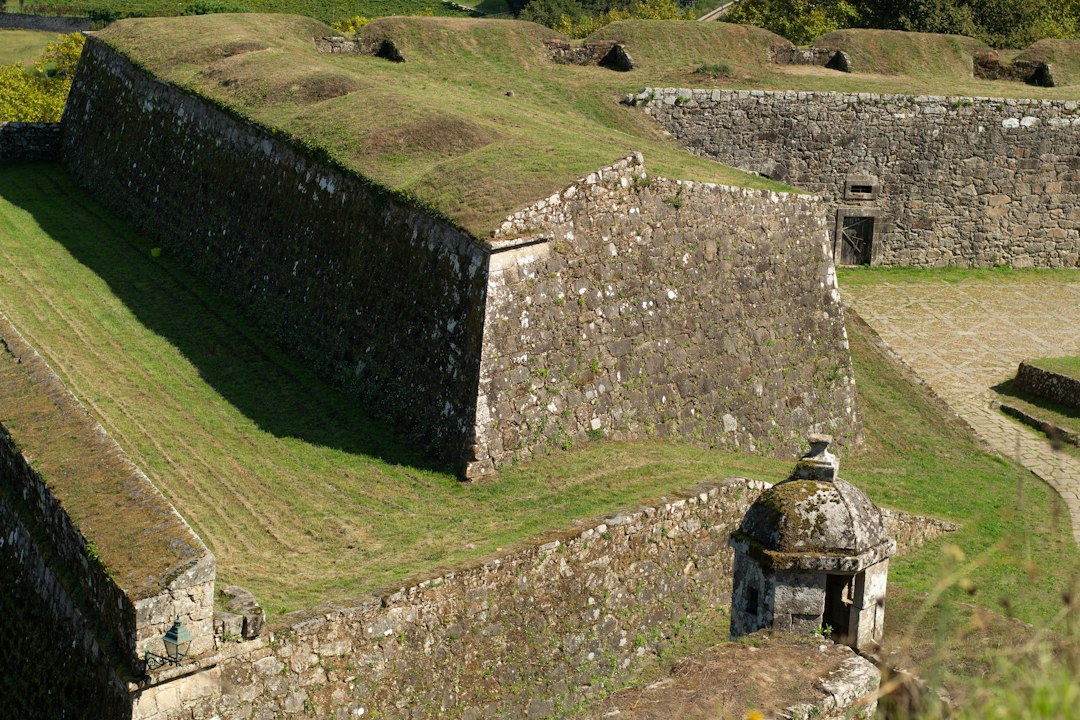
If you head toward Mobile Bay, you really start to see how the British were completely outclassed by a more agile, locally informed military doctrine. While their heavy frigates were constantly getting stranded on shifting sandbars, the Spanish forces were using flat-bottomed vessels with a draft of less than two feet to navigate the shallow channels with ease. It’s a perfect example of why the British, who insisted on fighting a rigid, European-style naval war, were doomed to fail in these waters. You can even see the difference in the architecture at places like the site of former Fort Bute, where they mixed scorched oyster shells into their mortar. This local masonry was miles ahead of the lime-based options used in the North, standing up to salt spray and humidity in a way that modern engineers still find impressive.
It’s worth reflecting on the fact that victory here was as much about medical and environmental survival as it was about musket fire. During the Pensacola campaign, the Spanish forces leaned heavily on quinine-rich cinchona bark to fight off malaria, an intervention that kept their troops mobile while the British suffered catastrophic losses from the same subtropical conditions. You can still sense that level of tactical desperation when you look at how they used palmetto fronds to camouflage their artillery batteries, effectively hiding the silhouettes of their cannons against the dense scrub. It’s clear to me that these sites aren't just ruins; they’re evidence of a total, systemic adaptation to a landscape that was constantly trying to swallow the war whole. If you’re really curious about how the revolution survived its darkest hours, these forgotten corners of the Gulf are where you’ll find the real, messy, and absolutely essential story of our independence.
Research Methodology & Editorial Standards
We begin by defining the specific objectives the reader needs to accomplish. Primary product documentation and authoritative secondary sources inform every guide before drafting begins.
Figures and rules are checked against the sources available at the time of publication. Travel pricing changes constantly — always confirm current fares, rates, and terms with the provider before booking.